Pambar Falls
General information
-
Ideal Duration:
1 to 3 hours (including the trek down and back).Place Type:
Waterfall / Nature / Trekking SpotEntry Fees:
Absolute Zero Entry Fee: A major, tourist-friendly characteristic of Pambar Falls is that there is No Entry Fee whatsoever for tourists to access the waterfall and its surrounding area. This makes it one of the few completely Free natural attractions in the heavily commerci...Absolute Zero Entry Fee: A major, tourist-friendly characteristic of Pambar Falls is that there is No Entry Fee whatsoever for tourists to access the waterfall and its surrounding area. This makes it one of the few completely Free natural attractions in the heavily commercialized Kodaikanal region, making it highly attractive to budget-conscious travelers and local picnickers. The freedom from a ticket counter adds to the feeling of a secluded, natural gem.
Lack of Service Charges: Since the attraction is an unmanaged, natural area, there are no additional charges for basic services like photography (personal or commercial) or for spending time at the natural pool for bathing or swimming. This open access model reinforces the falls’ identity as a true wilderness spot.
Indirect Costs and Local Support: While the entry is Free, tourists should account for the indirect costs, primarily the local transport fee (taxi or auto) required to reach the Pambar House trailhead. Tourists often purchase snacks and water from the few local stalls near the trailhead, indirectly supporting the local economy. It is also highly recommended to hire a local guide, which involves a negotiable fee (typically INR 200 to INR 500), especially if attempting the trek in the monsoon, though this is optional.Timing:
General Access Timings: Pambar Falls is typically accessible to visitors every day of the week, including Sundays. The general operational timing is from 10:00 AM to 6:00 PM. Unlike managed sites, this is an outdoor natural area, so these timings represent the safe, genera...General Access Timings: Pambar Falls is typically accessible to visitors every day of the week, including Sundays. The general operational timing is from 10:00 AM to 6:00 PM. Unlike managed sites, this is an outdoor natural area, so these timings represent the safe, generally monitored hours for the trek and bath. Attempting the trek outside these hours, particularly after sunset, is strongly discouraged due to the steep, slippery, and unlit nature of the path.
Ideal Time for Bathing and Trekking: The Ideal Time to Visit is between 10:00 AM and 2:00 PM. This window provides the best daylight for safely undertaking the descent and ascent trek, as the slippery path requires maximum visibility. It also allows time to enjoy the pool without the water becoming too cold in the late afternoon shadows. Visiting right after the monsoons (October/November) during these ideal hours ensures the most powerful cascade and lush greenery.
Avoidance Times: Tourists should ideally avoid visiting during or immediately after heavy rainfall when the trail becomes extremely treacherous, and the water flow can be dangerously fast and unpredictable. The late afternoon (4:00 PM onwards) should be avoided for starting the descent to ensure the return ascent is completed before the path becomes too dark and slippery.Special Events:
Local Village Harvest Festivals: Since Pambar Falls is located close to the small, agrarian Pamber Village, the area occasionally buzzes with activity during local harvest festivals like Pongal (in January) or other regional celebrations. These are informal, special events ...Local Village Harvest Festivals: Since Pambar Falls is located close to the small, agrarian Pamber Village, the area occasionally buzzes with activity during local harvest festivals like Pongal (in January) or other regional celebrations. These are informal, special events where local communities might visit the falls for ritual bathing or celebrations, providing tourists with an authentic glimpse into the culture of the Palani Hills people, complete with traditional music and food offerings.
Post-Monsoon Photo-Shoots and Filmings: The period immediately following the heavy monsoon (September to November) is a special time when the falls are at their most spectacular, leading to a surge in dedicated photo-shoots, including commercial and fashion photography. The powerful cascade and lush greenery create a perfect natural studio, and witnessing a professional film or photo crew at work can be an interesting, informal special event for tourists.
New Year's Day Mass Tourism Surge: While not an organized event, the falls experience a massive, unofficial special event every New Year's Day (January 1st), when tourists flock here in large numbers for a refreshing 'first bath' of the year. The entire area transforms into a vibrant, bustling spot, a social special event where the atmosphere is charged with festive energy and celebration.Best Photo Spots:
The Lower Bank of the Natural Pool: The best spot for photography is standing on the rocky bank of the natural pool at the base of the cascade. This allows you to capture the full vertical and horizontal length of the Grand Cascade—the water falling over the stepped rocks...The Lower Bank of the Natural Pool: The best spot for photography is standing on the rocky bank of the natural pool at the base of the cascade. This allows you to capture the full vertical and horizontal length of the Grand Cascade—the water falling over the stepped rocks—framed by the dense, vibrant green of the shola forest. Use a slower shutter speed (if you have a tripod) to create the famous silky, blurred water effect.
The Steep Treacherous Trail: The descent itself offers unique, perspective-rich shots. Capture the view looking down the steep, rocky path, emphasizing the dense forest canopy overhead and the sense of adventure. This angle best illustrates the secluded nature of the spot. Ask a friend to walk ahead to provide a human element for scale.
Macro Shots of Flora and Fauna: The moist environment is a haven for macro subjects. The best spots are the moss-covered rocks, unique ferns, and the colorful local butterflies and flowers along the banks. A macro lens (or a phone's macro mode) is ideal here to capture the intricate biodiversity that defines the falls' ecosystem.
The Icon Shot (Liril Look-alike): For a fun, iconic photo, stand directly in the pool or under the shallow cascades (safely) to re-enact the famous Liril advertisement. This shot should be taken from a wide angle to include the water and the jungle setting, capturing the joy and refreshing nature of the falls.Photo Gallery
Things To Do
-
Trek Down to the Falls: The primary activity is the adventurous, approximately 10 to 15-minute descent trek to the base of the falls. This is a crucial experience, involving navigating a steep, rocky, and often slippery natural path behind Pambar House. You must wear sturdy shoes and take extreme caution, using the rocks and trees for balance. The thrill of the descent adds to the sense of discovery.
Swim and Bathe in the Natural Pool: Once at the bottom, take a refreshing dip in the clear, cool natural pool formed at the base of the cascade. This is the ultimate reward, offering a rejuvenating break. The water is fresh and relatively clean, providing an invigorating experience often associated with the 'Liril' fame. Always check water levels and currents, and avoid entering if the water flow is dangerously high, especially...Trek Down to the Falls: The primary activity is the adventurous, approximately 10 to 15-minute descent trek to the base of the falls. This is a crucial experience, involving navigating a steep, rocky, and often slippery natural path behind Pambar House. You must wear sturdy shoes and take extreme caution, using the rocks and trees for balance. The thrill of the descent adds to the sense of discovery.
Swim and Bathe in the Natural Pool: Once at the bottom, take a refreshing dip in the clear, cool natural pool formed at the base of the cascade. This is the ultimate reward, offering a rejuvenating break. The water is fresh and relatively clean, providing an invigorating experience often associated with the 'Liril' fame. Always check water levels and currents, and avoid entering if the water flow is dangerously high, especially during the peak monsoon.
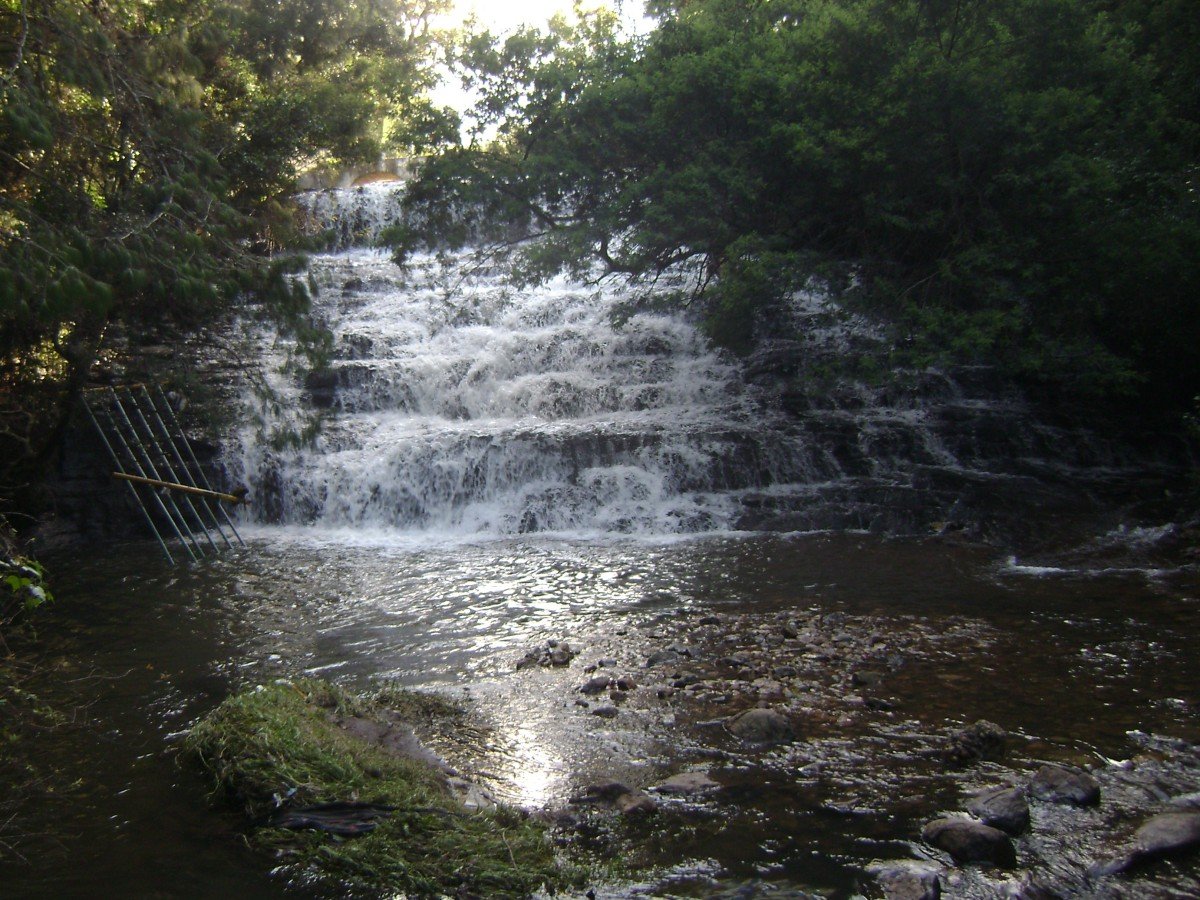
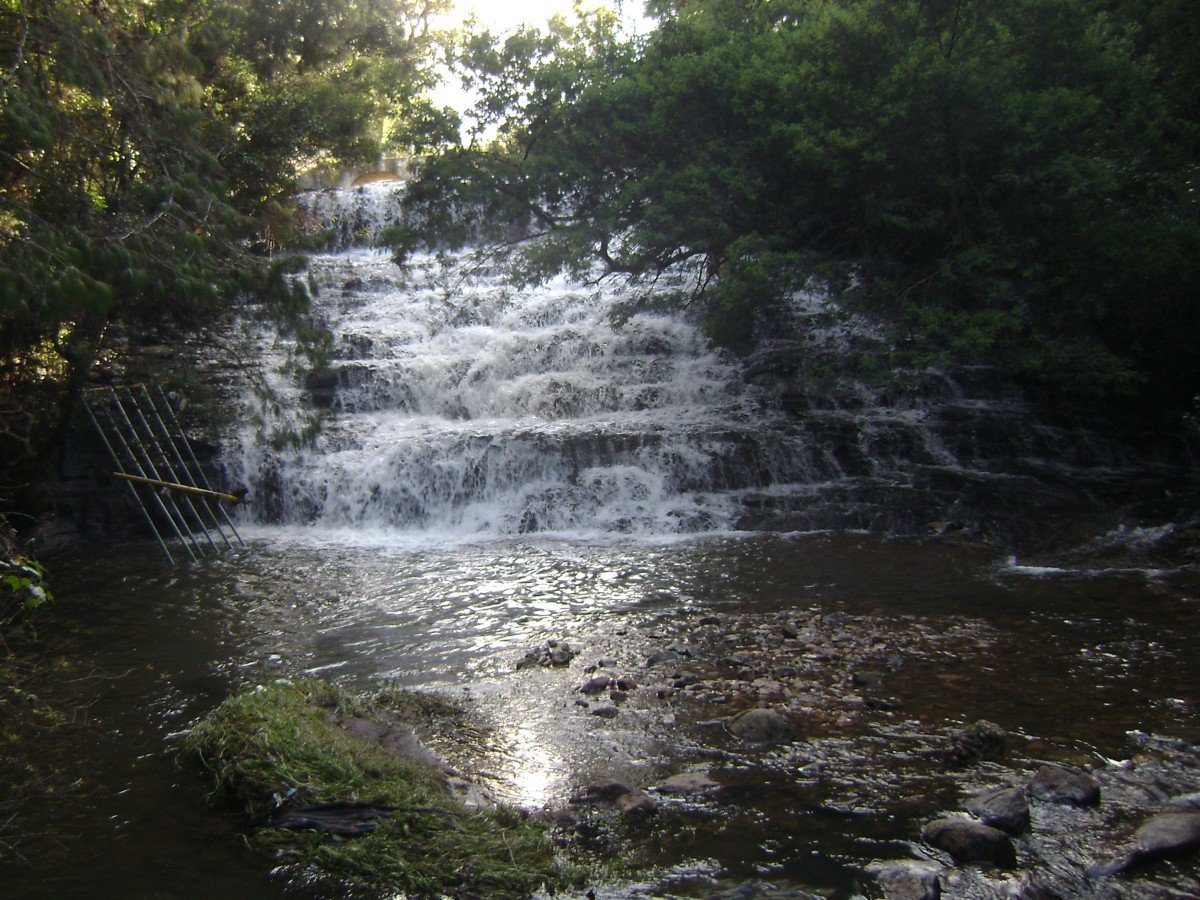
Photography of the Grand Cascade: Capture the unique, multi-tiered, zig-zag flow of the Grand Cascade. The best photographs can be taken from various angles along the bank, focusing on the water tumbling over the dark rocks framed by the lush green shola forest. Look for the famous 'curtain' effect of the water flow. Early morning light can offer the best soft, diffused lighting for landscape shots.
Nature Watching and Butterfly Spotting: The surrounding area is rich in biodiversity. Take a quiet moment to look for indigenous birds and, particularly, the colorful species of butterflies for which the spot is well-known. The dense, moist shola vegetation provides a rich habitat, making it a perfect spot for macro-photography and quiet birdwatching.
Picnicking and Relaxation: The relatively flat areas around the pool are excellent for a brief picnic. Carry your own packed food and refreshments (and remember to carry all waste back up the hill). The sound of the gushing water and the cool mist provide a perfectly tranquil and serene atmosphere for quiet contemplation and relaxation after the strenuous walk.
Explore the Surrounding Area: While the main waterfall is the focus, take a short, careful walk along the banks of the Pambar River downstream or upstream (within safety limits) to observe the natural course of the water and the dense riparian vegetation that thrives there. This allows for a deeper appreciation of the river's role in the valley's ecosystem.
Post-Monsoon Visit: Try to time your visit for the immediate post-monsoon period (September to November) when the water flow is at its majestic peak, ensuring the most spectacular view and a powerful cascade, which is when the falls truly live up to the name Grand Cascade.
Reaching the Trek Head: The journey to the trailhead involves local transport like a taxi or auto, which itself is a scenic ride. Negotiate the fare beforehand. The drive along the winding Pamber House road provides initial views of the thick forest cover. Remember that the strenuous part is the final walk, so conserve energy.
Information
-
Why Famous:
The Grand Cascade's Zig-Zag Flow: Pambar Falls is famous primarily for its distinctive, enchanting appearance as the water does not plunge straight down but cascades over a series of uniquely stepped, jagged rocks in a characteristic zig-zag pattern, earning it the apt name ...The Grand Cascade's Zig-Zag Flow: Pambar Falls is famous primarily for its distinctive, enchanting appearance as the water does not plunge straight down but cascades over a series of uniquely stepped, jagged rocks in a characteristic zig-zag pattern, earning it the apt name Grand Cascade. This multi-tiered flow creates a dynamic and photogenic water spectacle, especially during and immediately after the monsoon months of October and November.
The Liril Soap Advertisement Connection: The falls gained significant mainstream fame and an alternate nickname, Liril Falls, after a popular Indian soap brand filmed a memorable, vibrant advertisement here decades ago. The commercial showcased the joy of bathing in the falls' refreshing, crystal-clear water, forever linking the spot with a sense of natural, uninhibited freedom and freshness in the public imagination, drawing tourists seeking that iconic experience.
The Thrill of the Descent: It is also famous among local visitors for the slightly adventurous and steep trek down the slippery, rocky path behind the Pambar House. This short, demanding descent into the shola forest adds an element of excitement and seclusion, making the reward of the untouched waterfall and its natural pool feel more earned and exclusive. -
Architecture:
Natural Architecture and The Cascade's Dimensions: Pambar Falls is a wonder of natural architecture, entirely sculpted by the persistent force of water erosion over the rocky slopes of the Palani Hills. The falls are not a single vertical drop but a "cascade," meaning the w...Natural Architecture and The Cascade's Dimensions: Pambar Falls is a wonder of natural architecture, entirely sculpted by the persistent force of water erosion over the rocky slopes of the Palani Hills. The falls are not a single vertical drop but a "cascade," meaning the water tumbles down a series of stepped, irregularly shaped rock formations in a zig-zag flow pattern, giving it the moniker Grand Cascade.
The Rock-Cut Pool and Valley: The height of the total descent is moderate, but its horizontal length, as it flows over multiple steps, is significant. At the base, the most important dimension is the naturally formed pool (or tub), which can be several meters wide and deep enough for bathing, carved out of the solid rock over centuries. The surrounding area features naturally occurring slopes and terraces, heavily vegetated with Shola forest and moist deciduous trees, providing a living, green architecture that frames the white water. The narrow, steep, and slippery path (a natural, un-built trail) behind the Pambar House is a functional 'architectural' challenge that governs access to this natural beauty. -
How To Reach:
By Air (Nearest Airport and Connectivity): The nearest airport is Madurai International Airport (IXM) (approx. 120 KMS away). From the airport, one must hire a pre-booked taxi or use an airport bus service to reach the main Kodaikanal bus stand. The entire journey from th...By Air (Nearest Airport and Connectivity): The nearest airport is Madurai International Airport (IXM) (approx. 120 KMS away). From the airport, one must hire a pre-booked taxi or use an airport bus service to reach the main Kodaikanal bus stand. The entire journey from the plains to the hills is a scenic 3-4 hour drive. It is advisable to travel during the day for safety on the winding ghat roads.
By Train (Nearest Railway Stations): The most convenient major railhead is Madurai Junction (MDU) (approx. 115 KMS away), which provides connections to all major parts of South India. The station at Kodaikanal Road (KQN) is closer (approx. 80 KMS), but with limited service. From the station, frequent public buses (State Transport Corporations) or hired taxis are available for the final ascent to the Kodaikanal hill station.
By Road (Bus and Private Vehicle): Kodaikanal is a major road hub in the Palani Hills. Direct buses are available from Chennai, Coimbatore, Dindigul, and Madurai. Driving a private car is possible via the well-maintained Ghat road, but parking can be an issue in the main town. From the town, the falls are easily accessed, and the road to the trailhead is well-paved, but the final section near Pambar House is rougher.
By Local Transport (Reaching the Falls): The falls are only 4 KMS from the Kodaikanal Bus Stand. The easiest way to reach the trailhead (behind Pambar House) is by hiring a local taxi or an auto-rickshaw. Negotiate the fare for a drop-off at the closest accessible point, as the final part is a compulsory trek. Many tour operators include the falls in their day-trip packages. The drop-off point is where the trek begins; there are no roads or cable cars down to the falls themselves. -
Weather and Best Time to Visit:
Best Season - Post-Monsoon Peak Flow (September to November): The Ideal Season to visit Pambar Falls is the immediate post-monsoon period, specifically from late September to early November. This is when the water flow is at its absolute peak, having been replenished by the monsoon rains, ensuring ...Best Season - Post-Monsoon Peak Flow (September to November): The Ideal Season to visit Pambar Falls is the immediate post-monsoon period, specifically from late September to early November. This is when the water flow is at its absolute peak, having been replenished by the monsoon rains, ensuring the Grand Cascade is in its most spectacular and powerful form. The surrounding shola forest is also at its most lush and vibrant green.
Secondary Season - Winter Clarity: The Winter Season (December to February) is a great secondary option. The weather is cool and dry, making the descent trek safer and less slippery than during the monsoon. While the water flow is reduced compared to the peak, the clear, cool weather makes for a more comfortable bathing and picnicking experience.
Worst Season - Peak Summer: The Peak Summer months (March to May) are the worst time to visit. The water flow can significantly diminish, reducing the cascade to a trickle, and the weather can be hot and humid, making the strenuous trek down and up significantly less pleasant. Best Part of the Day - Mid-Morning to Early Afternoon: The Ideal Time of Day for a visit is between 10:00 AM and 2:00 PM. This timeframe provides optimal daylight for safe trekking on the difficult path and the best warmth for enjoying a dip in the natural pool. Starting too late risks having to trek back up in the fading light, which is dangerous due to the slippery rocks. -
Near Tourist Places:
Near Tourist Places: 1. Fairy Falls (1. 5 KMS) 2. Kodaikanal Lake (4 KMS) 3. Coaker's Walk (4. 5 KMS) 4. Bryant Park (3. 5 KMS) 5. Green Valley View (Suicide Point) (7 KMS) 6. Pillar Rocks (10 KMS) 7. Guna Caves (Devil's Kitchen) (9 KMS) 8. Pine Forest (7 KMS) 9. Upper Lake View (5 KMS) 10. Telescope House (5 KMS) 11. Silver Cascade Falls (7 KMS) 12. Bear Shola Falls (3 KMS)
Tourism Tips
-
Health & Safety First: The single biggest safety concern is the Steep, Slippery Trekking Path behind Pambar House. Wear shoes with excellent grip (trekking shoes or athletic shoes with deep treads are mandatory). Do not attempt the trek in slippers or sandals. Be extremel...Health & Safety First: The single biggest safety concern is the Steep, Slippery Trekking Path behind Pambar House. Wear shoes with excellent grip (trekking shoes or athletic shoes with deep treads are mandatory). Do not attempt the trek in slippers or sandals. Be extremely cautious near the pool and under the falls, as the rocks are covered in moss and very slippery. Do not swim if the current is strong or the pool is overfilled. Never trek alone, especially in the early morning or late evening.
Packing Essentials: Carry ample drinking water, as the trek is strenuous, and only local snacks are available at the top. Pack a small first-aid kit, insect repellent, and a swimsuit or a change of clothes if you plan to bathe. A waterproof bag for your electronics is crucial, especially near the spray of the waterfall. Carry a rain jacket, as mountain weather changes quickly.
Accommodation Strategy: Since the falls are only 4 KMS from the town center, the best strategy is to stay in a hotel or resort near Kodaikanal Lake or the main market area. The proximity allows for easy, quick access via a hired cab in the morning. Staying centrally simplifies logistics for a quick day trip to the falls.
Other Important Tips: Keep the Area Clean by carrying all your non-biodegradable waste (especially plastic water bottles and wrappers) back up to the town; the falls are an unmanaged natural site, and pollution is a major concern. If you hire a guide, use their services to locate the safest routes down and up. Plan your visit for the morning to ensure safe return before dark. Don't feed local monkeys or other wildlife.
Reviews
FAQs
Kodaikanal Itineray And Cost:-
Other Places In Kodaikanal :-
Other States In India :-
Information about New and Updated Locations() of Tamil Nadu Has Been Added :-
Card subtitle
Note:-
Information provided here in good Faith and for reference only.
Near Places
Bear Shola Falls
Some quick example text to build on the card title and make up the bulk of the card's content.
Go somewhere
Berijam Lake
Some quick example text to build on the card title and make up the bulk of the card's content.
Go somewhere
Bryant Park
Some quick example text to build on the card title and make up the bulk of the card's content.
Go somewhere
Caps Fly Valley View
Some quick example text to build on the card title and make up the bulk of the card's content.
Go somewhere
Chettiar Park
Some quick example text to build on the card title and make up the bulk of the card's content.
Go somewhere
Christ the King Church
Some quick example text to build on the card title and make up the bulk of the card's content.
Go somewhere
Coaker's Walk
Some quick example text to build on the card title and make up the bulk of the card's content.
Go somewhere
Dolphin Nose Viewpoint
Some quick example text to build on the card title and make up the bulk of the card's content.
Go somewhere
Dolphin's Nose
Some quick example text to build on the card title and make up the bulk of the card's content.
Go somewhere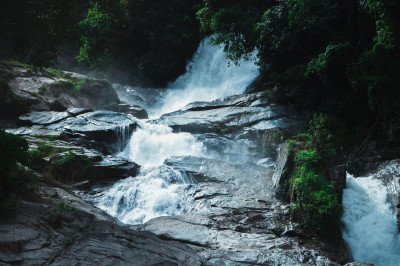
Fairy Falls
Some quick example text to build on the card title and make up the bulk of the card's content.
Go somewhere
Green Valley View
Some quick example text to build on the card title and make up the bulk of the card's content.
Go somewhere
Guna Cave
Some quick example text to build on the card title and make up the bulk of the card's content.
Go somewhere
Kodaikanal Lake
Some quick example text to build on the card title and make up the bulk of the card's content.
Go somewhere
Kodaikanal Pine Forest
Some quick example text to build on the card title and make up the bulk of the card's content.
Go somewhere
Kukkal Caves
Some quick example text to build on the card title and make up the bulk of the card's content.
Go somewhere
Kurinji Andavar Temple
Some quick example text to build on the card title and make up the bulk of the card's content.
Go somewherein Other Cities