Kurinji Andavar Temple
General information
-
Ideal Duration:
1-2 HoursPlace Type:
Religious, Viewpoint, CulturalEntry Fees:
Free Entry for Viewing and Worship:
: The temple itself does not charge any mandatory entry fee for access to the sanctum sanctorum or the main viewing area for worship. This ...Free Entry for Viewing and Worship:
: The temple itself does not charge any mandatory entry fee for access to the sanctum sanctorum or the main viewing area for worship. This is customary for many Hindu temples in Tamil Nadu.
Nominal Parking and Camera Fees:
: There may be a small, nominal fee (typically around Rs.10 - Rs.30) for vehicle parking outside the temple premises. Furthermore, local stalls or management might charge a small fee for carrying a professional-grade camera, though mobile photography is generally free.
Optional Offerings and Pujas:
: Devotees often purchase items for archana (special prayer) or abhishekam (ritualistic bathing of the idol) from temple-run counters. These special pujas can range from Rs.50 to Rs.200, and are entirely optional. Tourists are welcome to make voluntary donations (Hundiyal) to the temple trust for maintenance and upkeep. The experience of visiting this historical and religious site is thus accessible to all budget levels.Timing:
Regular Timings:
: The temple is generally open daily from 6:30 AM to 12:30 PM and then reopens from 4:00 PM to 7:30 PM. These times allow for the main morning and evening puj...Regular Timings:
: The temple is generally open daily from 6:30 AM to 12:30 PM and then reopens from 4:00 PM to 7:30 PM. These times allow for the main morning and evening pujas.
Ideal Visit Time:
: The best time to visit is early morning, specifically between 6:30 AM and 8:00 AM.
This period offers two major advantages: witnessing the beautiful Sunrise over the Palani Hills and plains, and avoiding the major tourist crowds that arrive later in the day. The light is also excellent for photography at this time.
Mid-day Closures and Deeparadhana:
: Note the mid-day closure from 12:30 PM to 4:00 PM for the midday offering. The evening slot, especially around 6:30 PM for the final Deeparadhana (waving of lamps), offers a serene, spiritual atmosphere as the day cools down. Weekdays are always less crowded than Weekends or festival days.Special Events:
The Summer Festival (Vaikasi Visakam):
: The temple's most significant annual event is the Vaikasi Visakam festival, usually held in the Tamil month of Vaikasi (which falls bet...The Summer Festival (Vaikasi Visakam):
: The temple's most significant annual event is the Vaikasi Visakam festival, usually held in the Tamil month of Vaikasi (which falls between May and June). This is the birth anniversary of Lord Muruga. The festival is marked by elaborate pujas, kavadi attam (a ritualistic dance carrying a decorated wooden structure), processions of the deity, and mass feeding of devotees. The entire area buzzes with spiritual fervor, drawing thousands from across Tamil Nadu.
The Kurinji Bloom Event:
: Though rare, the blooming of the Kurinji flower once every twelve years is a natural 'special event' that the temple celebrates with special pujas and ceremonies, marking the sacred connection between the flower and the hill deity, Lord Muruga. This event is heavily publicized and truly spectacular.
Monthly Karthigai Celebrations:
: The temple observes special prayers and celebrations on Karthigai, the asterism associated with Lord Muruga. These monthly festivals, especially the one in the Tamil month of Karthigai (November/December), are highly spiritual and a great time to witness local devotion.Best Photo Spots:
Panoramic Viewpoint Deck:
: The official viewing deck facing the Palani Hills is the primary photo spot. Aim ...Panoramic Viewpoint Deck:
: The official viewing deck facing the Palani Hills is the primary photo spot. Aim your camera to capture the vast expanse of the plains, the distant Vaigai Dam reservoir, and the undulating silhouette of the hills. The best time is during Sunrise or late afternoon when the light is warm.
The Temple Gopuram and Entrance:
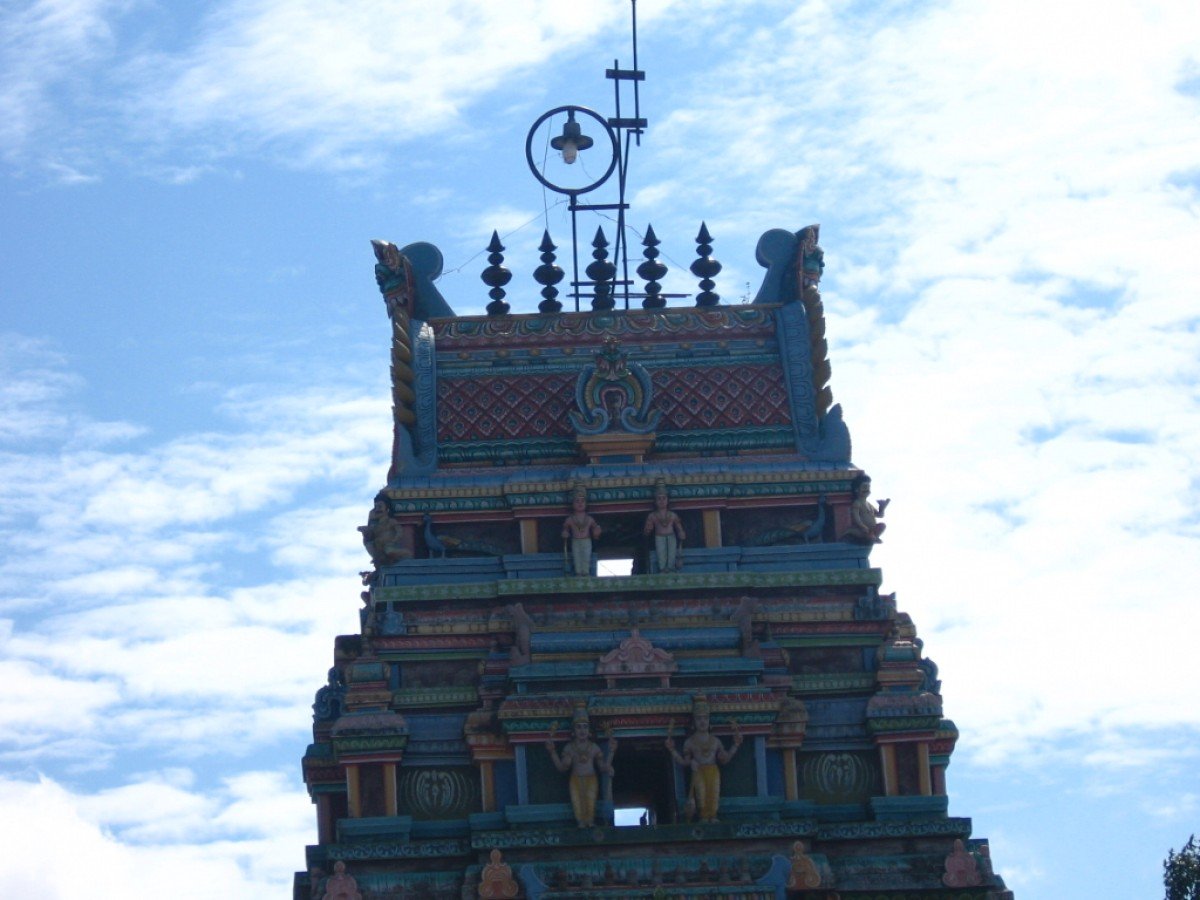
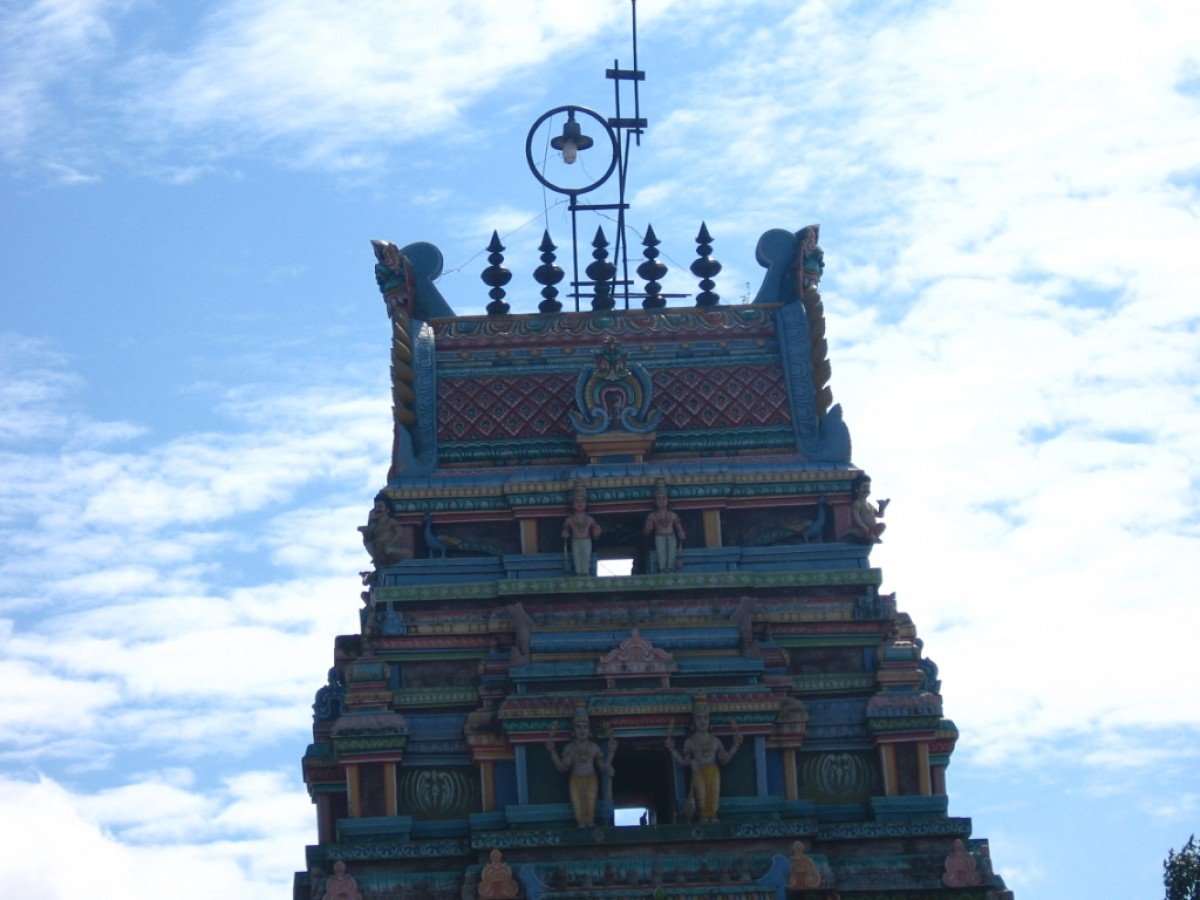
: Capture the colorful, intricate details of the small Dravidian-style gopuram. Frame the tower against the bright blue or misty sky. A shot from the base looking up emphasizes the vibrant colors.
The Kurinji Flower Bushes (When in Bloom):
: During the rare Kurinji bloom, the hillsides become the most sought-after photo subject. Capture the purple-blue carpet of flowers with the temple or a section of the valley in the background. Even when not blooming, the unique structure of the plant makes for interesting macro shots.
Frames and Natural Arches:
: Utilize the trees, especially the native shola trees and pine, and architectural elements like stone arches on the temple path to frame the distant view of the plains. This adds depth and context to the scenic landscape shots.
Devotional Portraits:
: With permission, take photos of devotees performing pradakshina or offering prayers, particularly during festivals, to capture the human element and spiritual intensity of the place.Photo Gallery
Things To Do
-
Attending Morning and Evening Pujas (Worship):
: Participate in the daily worship rituals to experience the spiritual core of the temple. The morning puja around 7:00 AM and the evening puja before closing offer a peaceful, authentic cultural experience, involving hymns, chanting, and the traditional offering of light and incense to Lord Muruga.
Savoring the Panoramic Viewpoint:
<...Attending Morning and Evening Pujas (Worship):
: Participate in the daily worship rituals to experience the spiritual core of the temple. The morning puja around 7:00 AM and the evening puja before closing offer a peaceful, authentic cultural experience, involving hymns, chanting, and the traditional offering of light and incense to Lord Muruga.
Savoring the Panoramic Viewpoint:
: Spend time at the dedicated viewing platform to capture the magnificent panorama. Use the fixed telescope (if available) to spot the Vaigai Dam and the distant towns on the plains. This is the prime activity, especially for capturing the changing light conditions of the day.
Photography of the Temple Architecture:
: Focus on the detailed and colorful gopuram, the shrine dedicated to the founder, and the specific iconography of Lord Muruga. Capture the intricate carvings and the vibrant paintwork that defines the temple's Dravidian style.
Exploring the Gardens and Kurinji Bushes:
: Walk around the periphery of the temple to see the small, well-maintained gardens and locate the Kurinji bushes, even when they are not in bloom. Learn about the plant from local guides or signs. During a blooming year (last was 2006, next is expected around 2018/2030), this transforms into a major activity.
Buying Local Prasad and Souvenirs:
: Purchase the prasadam (blessed food) and small religious souvenirs sold near the entrance. These often include packets of vibhuti (sacred ash) or small images of Lord Muruga.
Enjoying a Quiet Picnic Lunch:
: While large picnics are restricted, finding a shaded spot outside the main temple compound or at a nearby designated area to have a light, packed meal allows you to enjoy the spiritual atmosphere and the cool climate. Kodaikanal's chill makes outdoor sitting pleasant.
Contemplation and Meditation:
: The temple's serene environment, away from the main town's noise, is ideal for quiet reflection or meditation. Sit on the steps or in a quiet corner of the mandapam and absorb the spiritual energy of the hill.
Shopping for Local Produce:
: Visit nearby stalls selling local products like homemade chocolates, spiced tea powders, or organic jams from Kodaikanal, which are unique to the region.
Combining a Visit with Coaker's Walk:
: Since the temple is close to the city center, combine your visit with a morning walk at Coaker's Walk for a full day of sightseeing that balances nature and spirituality.
Learning Tamil Legends of Lord Muruga:
: Engage with a temple priest or a local guide to learn the fascinating mythological stories and legends associated with Lord Muruga and the hill regions of Tamil Nadu. This adds depth to the visit.
Observing the Sun's Transit:
: The Eastern facing view is exceptional for viewing the Sunrise over the plains. Plan to be there before 6:00 AM for this spectacular, memorable sight.
Information
-
Why Famous:
The Kurinji Flower Phenomenon:
: The temple is most famous for its association with the rare Kurinji flower (Strobilanthes kunthiana) which blooms only once in twelve years. T...The Kurinji Flower Phenomenon:
: The temple is most famous for its association with the rare Kurinji flower (Strobilanthes kunthiana) which blooms only once in twelve years. This event draws massive attention from naturalists and tourists globally, as the blue blossoms cover the slopes of the Palani Hills, a sight connected to Lord Muruga's worship.
Religious and Historical Significance:
: Dedicated to Lord Muruga, the God of the Hill Region, it is a significant pilgrimage site for Tamil devotees. Its unique history—being established by a converted European woman, Leelavathi Ramanathan—makes it a symbol of inter-cultural faith and devotion. This background is a talking point for visitors and a source of pride for the local community.
Panoramic Views:
: Its strategic location on the slopes offers uninterrupted, stunning views of the Palani Hills and the agricultural plains below, including the Vaigai Dam. The viewpoint is a major draw for tourists and photographers, especially during sunrise and sunset, making it famous as a scenic religious spot. -
Architecture:
Dravidian Temple Style and Layout:
: The temple follows a modest and traditional Dravidian style, characterized by a smaller, brightly painted gopuram (entrance tower) compared to large temples, but is distinc...Dravidian Temple Style and Layout:
: The temple follows a modest and traditional Dravidian style, characterized by a smaller, brightly painted gopuram (entrance tower) compared to large temples, but is distinctively colorful and well-maintained. The primary shrine houses the idol of Lord Muruga, or Kurinji Easware. The structure is primarily stone and concrete, built to withstand the unique climate of the Palani Hills. Its design prioritizes a direct, unhindered view of the Palani Hills, which is considered a sacred element of the worship.
Dimension and Scale:
: The temple complex is not massive but is strategically laid out on a hill slope. The main sanctum sanctorum (garbhagriha) is relatively small, focusing on the deity. The overall compound, including the viewpoint area, occupies a compact footprint. The key 'dimension' is its altitude, offering a spectacular vantage point. The layout includes a mandapam (hall) and a corridor for pradakshina (circumambulation). The simplicity of the architecture is a deliberate choice, intended to enhance the spiritual experience and the focus on the breathtaking natural scenery that serves as the temple's magnificent backdrop, connecting the deity, the God of the Hill, directly with the hills themselves. The vibrant color palette is characteristic of South Indian hill temples. -
How To Reach:
By Air:
: The nearest airport is Madurai International Airport (IXM), which is approximately 135-140 KMS away. From the airport, one must hire...By Air:
: The nearest airport is Madurai International Airport (IXM), which is approximately 135-140 KMS away. From the airport, one must hire a pre-paid taxi or take a bus service to Kodaikanal. The road journey takes about 3. 5 to 4 hours. Another major airport is Coimbatore International Airport (CJB), about 180 KMS away.
By Train:
: The closest major railway station is Kodaikanal Road Railway Station (KQN), located about 80 KMS downhill. This station connects to major cities like Chennai and Madurai. From Kodaikanal Road, local taxis or buses are the only way to reach Kodaikanal town, a scenic but lengthy uphill drive of about 2-3 hours.
By Road (Self-Drive/Taxi/Bus):
: Kodaikanal is well-connected by road. State-run and private buses ply regularly from major cities in Tamil Nadu (like Madurai, Coimbatore, Dindigul, and Chennai) and Kerala. The temple is only 4 KMS from the Kodaikanal Bus Stand. Hire a local taxi, an auto-rickshaw, or a local bus from the bus stand. The local bus service runs close to the temple road.
By Local Transport:
: Within Kodaikanal, the best way to reach the temple is by hiring a local taxi or an auto-rickshaw. It is a short, ten to fifteen-minute drive from Kodaikanal Lake. Alternatively, some well-organized full-day sightseeing tour buses include the temple on their itinerary, which is a budget-friendly option. The road is well-maintained but winding. -
Weather and Best Time to Visit:
The Winter Season (October to March):
: This is arguably the best overall time to visit. The weather is cool, crisp, and less foggy, offering ...The Winter Season (October to March):
: This is arguably the best overall time to visit. The weather is cool, crisp, and less foggy, offering the clearest and most spectacular views of the Palani Plains from the viewpoint. December and January can be quite cold, requiring heavy woolens.
The Monsoon Season (June to September):
: While the hills are lush and waterfalls are full, this season sees frequent mist and fog, which often obscure the panoramic views from the temple. Visitors should expect sudden rains and slippery paths. The mist can, however, create a dramatic, ethereal atmosphere.
The Summer Season (April to May):
: The weather is pleasant but slightly warmer than winter. This is the peak tourist season due to school holidays. The annual Summer Festival is celebrated in May, making it an exciting, though crowded, time to visit.
Different Parts of the Day (The Golden Hour):
: The Sunrise is the absolute best time for clear views and photography, typically between 6:00 AM and 7:30 AM, before the morning mist settles in fully or the sun becomes too harsh. Late afternoon (4:00 PM to 6:00 PM) is also great for soft, warm light. -
Near Tourist Places:
Kodaikanal Lake (4 KMS): The star-shaped, man-made lake for boating and cycling. Coaker's Walk (
5 KMS): A charming 1-kilometer walkway offering valley views. Bryant Park (3.
5 KMS): A botanical garden famous for its flower show.
Pine Forest (7 KMS): A picturesque area for walks amidst towering pines.
Pillar Rocks (9 KMS): Three giant rock pillars offering a dramatic viewpoint. Guna Caves (Devil's Kitchen) (9.
5 KMS): A set of deep bat-infested caves (viewed from a distance).
Moir Point (10 KMS): A significant viewpoint and historical site.
Silver Cascade Falls (8 KMS): A waterfall on the main road from Kodaikanal Road. Dolphin's Nose (8.
5 KMS): A flat rock piece resembling a dolphin's nose, reached by a trek. Lutheran Church (4.
5 KMS): An architecturally significant old church.
Tourism Tips
-
Health & Safety:
:
Footwear: Wear comfortable, non-slip walking shoes, as the temple path and viewpoint can so...Health & Safety:
:
Footwear: Wear comfortable, non-slip walking shoes, as the temple path and viewpoint can sometimes be slippery, especially during or after rain.
First Aid: Carry a basic first-aid kit with pain relievers, antiseptic wipes, and any personal medication.
Altitude: At a high altitude, take a moment to acclimatize, especially if traveling with the elderly or small children.
Guides: A local guide is not essential but can enhance the visit with cultural and historical insights.
Packing:
:
Warm Clothing: Always carry light woolens or a jacket, regardless of the season, as Kodaikanal's weather is unpredictable and the mornings/evenings are chilly.
Rain Gear: A compact umbrella or raincoat is a must, especially during Monsoon or unexpected showers.
Camera Gear: Bring a camera with a wide-angle lens to capture the vast panoramic views from the deck. A basic pair of binoculars is highly recommended for spotting details in the distant plains.
Accommodation:
: The temple is close to the city center, so staying anywhere in Kodaikanal town (near the Lake or Coaker's Walk) allows easy access. Accommodation options range from luxury resorts to budget guesthouses.
Other Tips (Respect and Rules):
:
Modesty: Dress modestly out of respect for the temple's religious nature; avoid overly revealing clothing.
Silence: Maintain quiet decorum inside the temple premises.
No Littering: Help preserve the natural beauty of the location by carrying your trash out and using designated bins.
Food: There are limited food stalls nearby, so consider having breakfast/lunch in Kodaikanal town beforehand.
Reviews
FAQs
Kodaikanal Itineray And Cost:-
Kurinji Andavar Temple Tourism:-
Other Places In Kodaikanal :-
Other States In India :-
Information about New and Updated Locations() of Tamil Nadu Has Been Added :-
Card subtitle
Note:-
Information provided here in good Faith and for reference only.
Near Places
Bear Shola Falls
Some quick example text to build on the card title and make up the bulk of the card's content.
Go somewhere
Berijam Lake
Some quick example text to build on the card title and make up the bulk of the card's content.
Go somewhere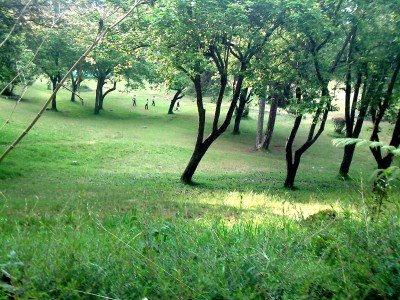
Bryant Park
Some quick example text to build on the card title and make up the bulk of the card's content.
Go somewhere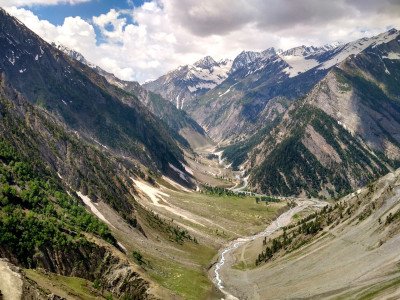
Caps Fly Valley View
Some quick example text to build on the card title and make up the bulk of the card's content.
Go somewhere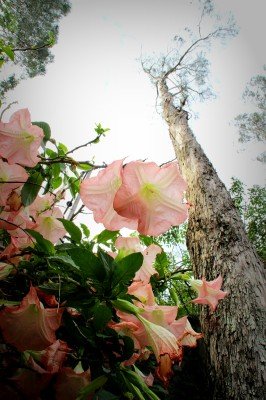
Chettiar Park
Some quick example text to build on the card title and make up the bulk of the card's content.
Go somewhere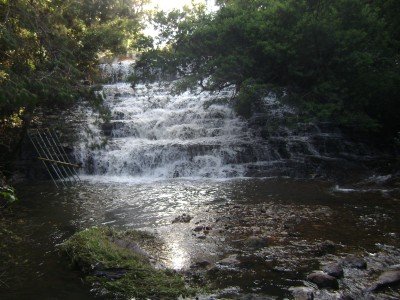
Christ the King Church
Some quick example text to build on the card title and make up the bulk of the card's content.
Go somewhere
Coaker's Walk
Some quick example text to build on the card title and make up the bulk of the card's content.
Go somewhere
Dolphin Nose Viewpoint
Some quick example text to build on the card title and make up the bulk of the card's content.
Go somewhere
Dolphin's Nose
Some quick example text to build on the card title and make up the bulk of the card's content.
Go somewhere
Fairy Falls
Some quick example text to build on the card title and make up the bulk of the card's content.
Go somewhere
Green Valley View
Some quick example text to build on the card title and make up the bulk of the card's content.
Go somewhere
Guna Cave
Some quick example text to build on the card title and make up the bulk of the card's content.
Go somewhere
Kodaikanal Lake
Some quick example text to build on the card title and make up the bulk of the card's content.
Go somewhere
Kodaikanal Pine Forest
Some quick example text to build on the card title and make up the bulk of the card's content.
Go somewhere
Kukkal Caves
Some quick example text to build on the card title and make up the bulk of the card's content.
Go somewhere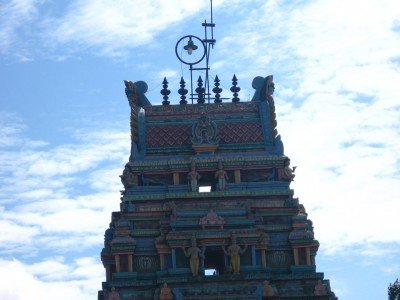
Kurinji Andavar Temple
Some quick example text to build on the card title and make up the bulk of the card's content.
Go somewherein Other Cities