...

FAQs On Bishnupur Rajbari

Bishnupur, West Bengal, India
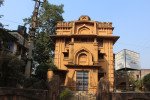
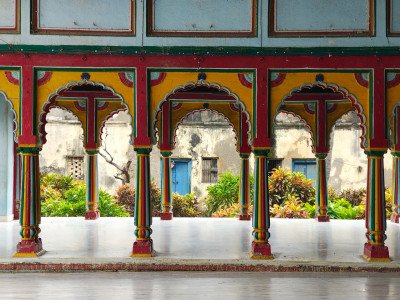
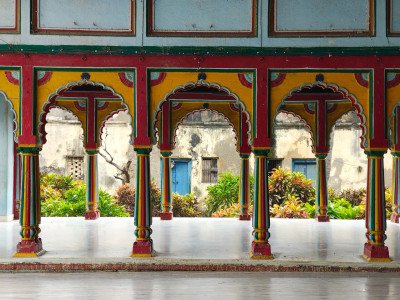
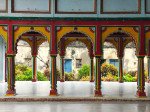
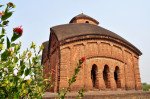
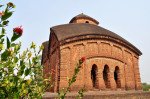
The Bishnupur Rajbari, or the Royal Palace, was once the heart of the Mallabhum kingdom. Today, it stands mostly in ruins, but it still evokes the grandeur of a bygone era. The Malla kings, who ruled for over a millennium, shifted their capital to Bishnupur in the 10th Century. The palace complex w as once a sprawling area consisting of administrative blocks, residential quarters, and temples. The most notable surviving part of the palace area is the Hawa Mahal, a multi-storied structure used by the royals to enjoy the cool breeze during the hot summer months. The palace was surrounded by high laterite walls and a series of moats (Bandhs) that provided a natural cooling system and defense. Historically, the Rajbari was the center of the Bishnupur Gharana of music and various arts. While the main residential buildings have succumbed to time, the foundations and some arched structures remain. Local legends speak of hidden tunnels connecting the palace to various temples and the Dalmadal Kaman. The site is a poignant reminder of the fragility of power. Walking through the ruins, one can find fragmented terracotta decorations and sturdy laterite pillars. The palace grounds are also home to some smaller shrines that were used for private worship by the royal family. The Bishnupur Rajbari is a must-visit for those who want to understand the lifestyle of the Malla kings beyond their religious contributions. The site is currently under the care of the descendants of the royal family and the Archaeological Survey of India. It provides a stark contrast to the well-preserved temples nearby, offering a more raw and authentic historical experience. The overgrown vegetation and the weathered stones create a melancholic yet beautiful atmosphere that attracts history buffs and photographers alike.

Ans:- A typical visit to the Rajbari and its immediate temples takes about 45 minutes to an hour. This allows enough time to admire the architecture of the gate, visit the Mrinmoyee Temple, and take a few photographs. It is often combined with a visit to the Dalmadal Cannon, which is just a short walk away.

Ans:- Currently, the Rajbari is a private property owned by the descendants of the Malla royal family. While visitors can view the palace from the outside and explore the impressive boundary walls and the main entrance gate, the inner residential quarters are generally not open to the public to maintain the privacy of the current residents.

Ans:- Established in 997 AD by King Jagat Malla, the Mrinmoyee Temple is dedicated to Goddess Durga. The idol is made of Ganga clay and has remained unchanged for centuries. The Durga Puja celebrated here is the oldest in the region, following unique royal traditions that include the firing of a cannon to mark the start of the puja.

Ans:- Over the centuries, much of the original fort and its residential palaces have crumbled due to the ravages of time and the lack of maintenance after the decline of the Malla dynasty. What remains today are mostly the stone gateways, some segments of the boundary walls, the cannons, and the resilient terracotta and laterite temples.

Ans:- Since the complex houses active temples and a private residence, visitors should dress modestly and behave respectfully. Remove footwear before entering temple platforms. It is also important to stay within the designated public areas and avoid wandering into the clearly marked private sections of the royal estate.

Ans:- The best time to visit is during the Durga Puja festival (usually in October). This is when the Rajbari comes alive with ancient rituals, traditional music, and large crowds. If you prefer a quiet visit, the winter months (November to February) are ideal for exploring the complex and the nearby historical ruins in pleasant weather.

Ans:- The Rajbari is located in the central part of the town, in an area known as Dalmadal Para or the Rajbari complex. It is well-connected by local roads and is a landmark that every rickshaw driver in the town knows. It sits close to other historical sites like the Dalmadal Cannon and the Garh Darwaja.

Ans:- The Rajbari reflects a mix of traditional Bengali architecture and later military fortification styles. Built primarily with laterite stone and bricks, it features arched entrances and thick walls. Some parts of the complex also show the influence of Islamic architecture, which was common in the courtly buildings of that era in Bengal.

Ans:- The temples within the complex, being active places of worship, are relatively well-maintained. The main gateway and some boundary walls are also in fair condition. However, some of the older, non-religious ruins within the compound show significant signs of aging. The private residential part is maintained by the current Malla descendants.

Ans:- There are many legends, including stories of hidden tunnels that once connected the Rajbari to various temples and strategic points in the town. Local folklore also speaks of the divine protection the royal family received from Goddess Mrinmoyee, which helped them defend the kingdom against numerous foreign invasions over the centuries.

Ans:- There is no official ticket or entry fee to walk through the outer complex of the Rajbari or to visit the Mrinmoyee Temple. Since it is a living heritage site and a place of worship, access is free for all. However, visitors are expected to maintain decorum and follow any specific rules set by the royal estate.

Ans:- While the descendants still live on the premises, they generally lead private lives. They are sometimes seen participating in the official temple rituals, especially during the annual festivals. Unless you have a specific reason or a prior appointment, it is best to respect their privacy and enjoy the public heritage areas of the complex.

Ans:- Yes, the Rajbari compound is home to several important temples, most notably the Mrinmoyee Temple, which is the oldest temple in Bishnupur. The royal family still performs traditional pujas here, especially during Durga Puja. These temples were the private places of worship for the kings and are highly revered by the local community.
Information about New and Updated Locations(575+) of West Bengal Has Been Added :-
Card subtitle

Note:-

Information provided here in good Faith and for reference only.

All information and pictures will be updated soon, please keep visiting.

Near Places
...
Acharya Jogesh Chandra Museum

Some quick example text to build on the card title and make up the bulk of the card's content.

Go somewhere

...
Big Stone Gateway

Some quick example text to build on the card title and make up the bulk of the card's content.

Go somewhere

...
Bishnupur Mela Ground

Some quick example text to build on the card title and make up the bulk of the card's content.

Go somewhere
...
Bishnupur Rajbari

Some quick example text to build on the card title and make up the bulk of the card's content.

Go somewhere
...
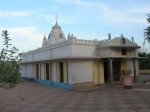
Chhinnamasta Temple

Some quick example text to build on the card title and make up the bulk of the card's content.

Go somewhere
...
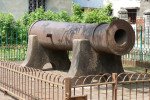
Dalmadal Cannon

Some quick example text to build on the card title and make up the bulk of the card's content.

Go somewhere
...
Garh Darwaja

Some quick example text to build on the card title and make up the bulk of the card's content.

Go somewhere
...
Gokul Chand Temple

Some quick example text to build on the card title and make up the bulk of the card's content.

Go somewhere

...
Hadal-Narayanpur

Some quick example text to build on the card title and make up the bulk of the card's content.

Go somewhere
...
Jhilimili & Sutan Forest

Some quick example text to build on the card title and make up the bulk of the card's content.

Go somewhere
in Other Cities