
...

FAQs On Bunkulung

Mirik, West Bengal, India
Introduction to Bunkulung: Bunkulung, also known as Jayanti Nagar, is an enchanting offbeat destination tucked away in the foothills of the Eastern Himalayas. This serene village is widely recognized as the agricultural hub of the Mirik region, characterized by its lush greenery, vibrant terraced fa rms, and the soothing sounds of the Balasun River. The village offers an authentic rural experience, where the air is filled with the scent of fresh earth and the tranquility is rarely interrupted by the noise of urban life. Natural Landscape and Geography: The geography of Bunkulung is defined by the confluence of the Balasun and Murmah Khola rivers, which create a fertile valley ideal for various forms of farming. The slopes are meticulously carved into step-like terraces where local farmers cultivate millet, paddy, and seasonal vegetables. In December and January, the landscape is adorned with golden fields, while the arrival of spring in March brings a burst of green. The village is surrounded by the famous Murmah Tea Estate, adding to the emerald tapestry of the region. Cultural Essence and Community: The village is primarily inhabited by the Gorkha community, including the Limbu and Lepcha tribes, whose hospitality is legendary. The name Bunkulung itself is a beautiful fusion of Lepcha and Limbu languages, reflecting the rich ethnic tapestry of the area. Living in Bunkulung allows tourists to witness the simple, sustainable lifestyle of the villagers, who are deeply connected to their land. The community actively participates in eco-tourism, ensuring that the natural beauty of Jayanti Nagar remains preserved for future generations. Eco-Tourism Hub: As a pioneer in eco-tourism, Bunkulung focuses on organic farming, pisciculture, and floriculture. Visitors can explore local fisheries where high-quality Himalayan fish are bred or walk through vast orange orchards that are in full bloom during the winter months. The village serves as a perfect escape for soul-seekers and nature lovers who wish to disconnect from the digital world and reconnect with the primal rhythms of nature. The rhythmic flow of the river and the chirping of rare Himalayan birds provide a natural soundtrack to this hidden paradise.

Ans:- Absolutely. Due to its location in a quiet valley surrounded by forests and rivers, Bunkulung is a paradise for birdwatchers. You can spot various Himalayan bird species, including kingfishers near the river and various colorful mountain birds in the surrounding pine and dhupi forests.

Ans:- Bunkulung is about 40 km from Siliguri. The most popular route is via Dudhia, which takes about 1.5 hours by car. The road passes through scenic forested areas and hilly terrain. It is recommended to hire a local driver if you are not experienced with steep mountain driving.

Ans:- Bunkulung is located about 13 km away from Mirik town. The drive takes approximately 30 to 45 minutes through winding mountain roads and beautiful tea estates. It is a popular day-trip destination for those staying in Mirik, though many travelers choose to stay overnight in local homestays.

Ans:- Bunkulung is situated at a moderate altitude of approximately 2,000 feet. This makes the climate much milder compared to the higher parts of Mirik town. It is warm during the day and comfortably cool at night, making it an ideal destination throughout most of the year.

Ans:- Bunkulung, also known as Jayanti Nagar, is a picturesque eco-tourism village famous for its terraced farming and pisciculture (fish farming). It offers a peaceful rural experience with lush paddy fields, tea gardens, and the Balasun River flowing nearby, making it a perfect retreat for those seeking authentic village life.

Ans:- Mobile connectivity is generally available in Bunkulung, though the signal strength can vary depending on your service provider. Most major networks work for basic calls and texts, but high-speed internet can be spotty. This adds to the "off-grid" charm of the village, allowing for a digital detox.

Ans:- Most homestays serve traditional Nepali and Limbu cuisine. The food is largely organic, sourced directly from the village farms. Popular dishes include Gundruk (fermented greens), Sishnu (nettle soup), local chicken curry, and fresh fish from the village ponds, served with locally grown rice and vegetables.

Ans:- The best time to visit is from October to May. During winter, the weather is pleasant and you can see the orange orchards in fruit. In spring, the valley is lush and green. While the monsoon (June to September) makes the landscape vibrant, heavy rains can sometimes make the trails slippery.

Ans:- The village is primarily inhabited by the Limbu community, who are known for their rich culture and traditions. Visitors can often witness traditional Limbu dances and music performances in the evenings at the homestays, providing a deep insight into the ethnic heritage of this Himalayan region.

Ans:- Visitors can enjoy a variety of activities including village walks through paddy fields, trekking to the Balasun River, camping on the riverbank, and visiting the government-run fish ponds. It is also an excellent spot for birdwatching and photography, or simply relaxing by the mountain streams that crisscross the village.

Ans:- While there are no large markets, you can often buy fresh organic produce like oranges, ginger, and cardamom directly from the farmers. Some locals also sell handmade bamboo crafts or traditional weaves. It is a great way to support the local economy while getting authentic mountain products.

Ans:- Yes, Bunkulung has several homestays operated by the local Limbu community. These homestays provide a unique opportunity to live with a local family, enjoy traditional home-cooked meals made with organic ingredients from the village, and experience the warm hospitality for which the Darjeeling hills are widely known.

Ans:- Yes, Bunkulung is an excellent destination for families. Children enjoy seeing the fish ponds and walking through the open fields. The safe and quiet environment, combined with the educational aspect of seeing rural farming practices, makes it a wholesome experience for visitors of all age groups.

Ans:- Yes, the village is surrounded by the Murmah and Gayabari Tea Gardens. These lush green plantations offer beautiful trails for nature walks. Visitors can observe the tea-plucking process during the harvesting season and learn about the cultivation of the famous Darjeeling tea that grows in these high altitudes.
Information about New and Updated Locations(575+) of West Bengal Has Been Added :-
Card subtitle

Note:-

Information provided here in good Faith and for reference only.

All information and pictures will be updated soon, please keep visiting.

Near Places

...
All India Radio Station Hill

Some quick example text to build on the card title and make up the bulk of the card's content.

Go somewhere
...
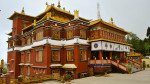
Bokar Institute Library

Some quick example text to build on the card title and make up the bulk of the card's content.

Go somewhere
...
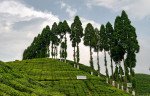
Bokar Ngedon Chokhor Ling Monastery

Some quick example text to build on the card title and make up the bulk of the card's content.

Go somewhere
...
Bunkulung

Some quick example text to build on the card title and make up the bulk of the card's content.

Go somewhere
...
Deosi Dara

Some quick example text to build on the card title and make up the bulk of the card's content.

Go somewhere
...
Devi Stan Mandir

Some quick example text to build on the card title and make up the bulk of the card's content.

Go somewhere
...
Gopaldhara Tea Estate

Some quick example text to build on the card title and make up the bulk of the card's content.

Go somewhere
...
Indreni Pull

Some quick example text to build on the card title and make up the bulk of the card's content.

Go somewhere
...
Manju Picnic Spot

Some quick example text to build on the card title and make up the bulk of the card's content.

Go somewhere
...
Mirik Bazaar

Some quick example text to build on the card title and make up the bulk of the card's content.

Go somewhere
in Other Cities