...

FAQs On Chota Mangwa

Kalimpong, West Bengal, India
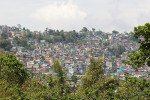
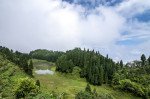
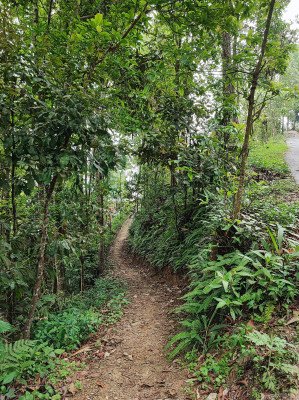
Overview: Chota Mangwa is a small, quiet village located at the top of a hill, offering some of the most spectacular views of the Kanchenjunga and the Teesta River simultaneously. Unlike its neighbor Bara Mangwa, this village is smaller and even more secluded. It is an eco-village where the focus is on sustainable living and organic farming. The village is surrounded by orange orchards and lemon groves, which fill the air with a refreshing fragrance. Life here is simple and follows the rhythm of nature. It is a fantastic spot for nature walks and trekking, with trails leading to nearby villages and monasteries. The sunrise from Chota Mangwa is a sight to behold, as the first light hits the snow peaks and reflects on the river below. The village is also home to a variety of Himalayan birds and butterflies. For those looking for a "digital detox," this is the perfect place. Most visitors spend their time sitting on the balconies of their homestays, soaking in the majestic views and the cool mountain breeze.

Ans:- Absolutely. The extreme quiet, the inspiring views, and the lack of city distractions make Chota Mangwa an ideal retreat for writers, painters, and anyone seeking creative inspiration. Many people visit for several days just to work on their projects or to meditate. The serene environment and the rhythmic sounds of nature provide the perfect backdrop for deep thinking and creative work.

Ans:- Activities include walking through orange orchards, exploring the village to see organic farming, and hiking to nearby viewpoints. You can also visit the Lopchu tea garden and the local orange juice factory nearby. Birdwatching is excellent here, and many guests enjoy sitting on their cottage verandas to watch the sunset. For the more adventurous, a trip down to the Teesta River for rafting is also an option.

Ans:- Chota Mangwa is a quiet village located on a ridge that offers a magnificent 180-degree view of the Kanchenjunga range on one side and the Teesta River valley on the other. It is famous for its orange orchards, organic farming, and a peaceful atmosphere that is perfect for nature lovers. Unlike more commercial spots, it offers a truly offbeat experience where you can live amidst nature and enjoy the simple hill life.

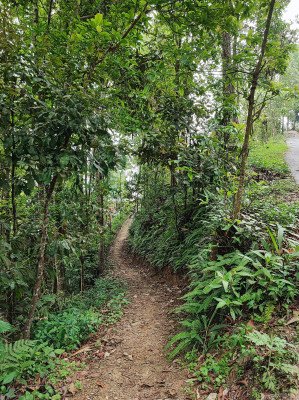
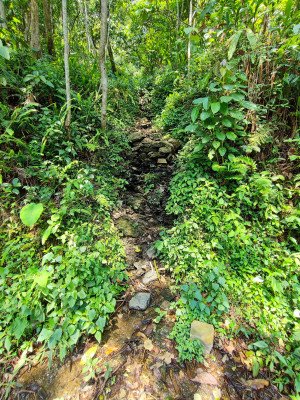
Ans:- Chota Mangwa is accessible, but it does involve some walking on uneven and sloped paths. Most homestays are located on hillsides, so there may be some stairs to climb. Senior citizens who are relatively mobile will find it a lovely place to relax. It is recommended to choose a homestay that has easy road access to minimize the amount of walking required to reach the rooms.

Ans:- Chota Mangwa offers several eco-friendly resorts and homestays. These range from basic rooms to more comfortable wooden cottages with attached bathrooms. Most of them are situated on the edge of the ridge to provide guests with direct views of the mountains from their rooms or balconies. The hospitality is warm and personalized, with the owners often going out of their way to make guests feel at home.

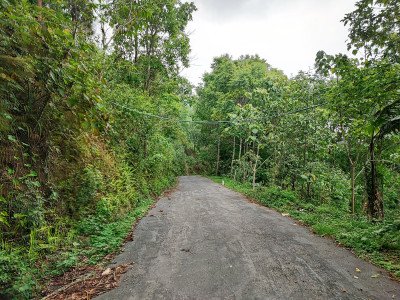
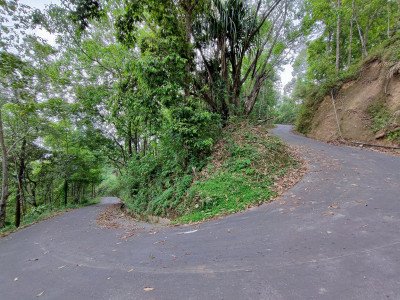
Ans:- From NJP Railway Station or Bagdogra Airport, Chota Mangwa is about 65 kilometers away. The drive takes around 3 to 3.5 hours. You can hire a private taxi to take you there via Teesta Bazaar and then uphill. The road from Teesta Bazaar onwards is quite steep and winding. It is best to use an SUV for this journey to ensure comfort and safety on the mountain roads.

Ans:- Like most hilly areas in North Bengal, the roads to Chota Mangwa can be tricky during heavy rain. While they are generally safe, there is always a small risk of minor landslides or slippery conditions. If you are traveling during the monsoon or a rainy spell, it is vital to have an experienced local driver who knows the roads well. It is also wise to check the weather forecast before heading out.

Ans:- The best time to visit is from October to February. During these months, the weather is cool and clear, providing the best views of the snow-capped mountains. Moreover, this is the season when the orange orchards are full of ripe fruit, making the village look vibrant and beautiful. Spring (March to May) is also a good time for those interested in seeing local flora and enjoying a milder climate.

Ans:- The name "Mangwa" is derived from the Lepcha language, where "Mang-ma" refers to a type of millet that was once widely grown in the area. "Chota" means small in Hindi/Nepali. The village is so named because it is the smaller of the two "Mangwa" settlements (the other being Bara Mangwa). The name reflects the agricultural heritage of the region and its small, tight-knit community.

Ans:- Water is a precious resource in the hills, and while homestays provide enough for daily needs, guests are encouraged to use it judiciously. Most places use solar heaters or provide hot water in buckets. Electricity is generally reliable but can be affected by weather. It is advisable to charge your devices whenever power is available. Most homestays have some form of backup lighting for guests during power cuts.

Ans:- Yes, that is the unique feature of Chota Mangwa. Because it is situated on a ridge, you can look down into the deep valley to see the Teesta River snaking through the hills, and then look up to see the majestic peaks of the Kanchenjunga range. This dual view makes it one of the most photographically rewarding spots in the Kalimpong and Darjeeling hills, especially during sunrise and sunset.

Ans:- Yes, you can arrange for a day trip to the Teesta River, specifically to the Melli or Chitrey areas, which are well-known for white-water rafting. Your homestay host or a local travel agent can help you book a rafting session. It’s a great way to add some adventure to your otherwise peaceful stay. After the excitement of the river, returning to the calm of Chota Mangwa is a wonderful feeling.

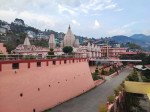
Ans:- Yes, you can visit a very old and beautiful Buddhist monastery in the nearby Takling village, which is just a short walk or drive from Chota Mangwa. The monastery is known for its peaceful environment and traditional architecture. Visiting it gives you a deeper insight into the local religious practices and offers a quiet space for reflection while enjoying the scenic beauty of the surrounding hills.

Note:-

Information provided here in good Faith and for reference only.

All information and pictures will be updated soon, please keep visiting.

Near Places
...
7th Mile Viewpoint

Some quick example text to build on the card title and make up the bulk of the card's content.

Go somewhere
...
Ahal Dara Viewpoint

Some quick example text to build on the card title and make up the bulk of the card's content.

Go somewhere
...
Bara Mangwa

Some quick example text to build on the card title and make up the bulk of the card's content.

Go somewhere
...
Changey Falls

Some quick example text to build on the card title and make up the bulk of the card's content.

Go somewhere
...
Chatakpur

Some quick example text to build on the card title and make up the bulk of the card's content.

Go somewhere
...
Chota Mangwa

Some quick example text to build on the card title and make up the bulk of the card's content.

Go somewhere
...
Deolo Hill

Some quick example text to build on the card title and make up the bulk of the card's content.

Go somewhere
...
Dr. Graham s Homes

Some quick example text to build on the card title and make up the bulk of the card's content.

Go somewhere
...
Durpin Dara Hill

Some quick example text to build on the card title and make up the bulk of the card's content.

Go somewhere
...
Durpin Monastery

Some quick example text to build on the card title and make up the bulk of the card's content.

Go somewhere
in Other Cities