...

FAQs On Garh Darwaja

Bishnupur, West Bengal, India
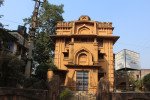
Garh Darwaja, often referred to as the Chota Patthar Darwaja, is the smaller sibling of the Big Stone Gateway. Despite its smaller size, it holds equal historical importance as part of the intricate defense system of Bishnupur. Built by the Malla kings, this gateway served as a secondary entry poin t into the inner citadel. It is constructed from a combination of laterite stone and brick, showcasing the transition in building materials during the Malla era. The gateway is situated just a short distance from the larger gate, and together they formed a formidable "double-gate" defense system. If an enemy managed to breach the first gate, they would be trapped in the space between the two, where they could be easily targeted by soldiers stationed on the walls. The Garh Darwaja features a beautiful arched opening and remains in a relatively good state of preservation. The structure is simpler in design compared to the temples, emphasizing utility and strength. It is surrounded by high earthen mounds which were actually part of the original fort walls. Today, the area is peaceful, and the gateway serves as a picturesque reminder of the town's military past. It is an essential stop for anyone exploring the "Garh" (Fort) area of Bishnupur. The reddish laterite stone used in its construction is synonymous with the soil of Bankura, making the structure feel like a natural extension of the earth. Visitors can see the slots for heavy wooden doors that once barred entry to the city. The gate also provides access to the path leading toward the Madan Mohan Temple, making it a strategic point in the tourist circuit.

Ans:- During special occasions like the Bishnupur Mela or major festivals, the gateway and other historical monuments are often illuminated with floodlights. This gives the massive stone structure a golden glow and makes for excellent night photography. On regular days, it is best viewed during daylight to see the details of the stone masonry.

Ans:- Garh Darwaja is a massive arched gateway that served as the main entrance to the fortified city (Garh) of the Malla kings. Built with laterite stone, it was part of a series of gateways designed to protect the royal palace and the main temples from enemy invasions. It stands as a prime example of 17th-century military architecture.

Ans:- It is best visited as part of a heritage walk or a rickshaw tour of the "Fort Area." You can start with the Garh Darwaja, move to the Big Stone Gateway, see the Dalmadal Cannon, and then visit the nearby temples. Most local rickshaw packages include all these "military" sites in one go, usually taking about 1 to 1.5 hours.

Ans:- Nearby, you can find remnants of the old earthen ramparts and segments of the laterite walls. These ruins, combined with the gateway, help you visualize the entire circuit of the fort. There are also several smaller, lesser-known temples tucked away in the lanes near the gateway that are worth exploring if you have extra time.

Ans:- Since it is an open-air structure on a public road, there are no specific opening or closing hours for the exterior. However, for a better view and safety, it is recommended to visit between sunrise and sunset. The ASI staff may occasionally be present during standard working hours (9 AM to 5 PM) to oversee the site.

Ans:- The gateway features a tall, wide archway that allowed for the passage of troops and royal processions. On either side of the arch, there are double-storeyed chambers with narrow slits for archers and soldiers. The construction is robust, using large blocks of reddish laterite stone, and is designed to withstand heavy battering from enemy forces.

Ans:- The stone used is laterite, which is rich in iron and aluminum oxides, giving it its characteristic reddish-brown hue. Laterite is soft when first quarried but hardens significantly when exposed to the air, making it an ideal material for building long-lasting fortifications and temples in the humid climate of West Bengal.

Ans:- There were several gateways, but the Garh Darwaja and the "Bara Patthar Darwaja" are the most prominent ones remaining today. These gateways were strategically placed along the earthen walls and moats that surrounded the city. Together, they formed a multi-layered defense system that made Bishnupur one of the most well-fortified towns in medieval Bengal.

Ans:- Unlike the terracotta temples which are covered in narrative carvings and inscriptions, the Garh Darwaja is largely plain. Its beauty lies in its massive scale and geometric precision. There might have been minor inscriptions or royal seals in the past, but most have been eroded by time or were never part of this utilitarian military structure.

Ans:- While both are made of laterite and served defensive purposes, they are two separate structures. Garh Darwaja is often considered the "Small Gateway" (Chhota Darwaja) in comparison to the larger Bara Patthar Darwaja. However, both share the same architectural language and were parts of the same fortification wall system that encircled the heart of Bishnupur.

Ans:- Yes, as the town has grown, modern houses and shops have been built very close to the gateway. While this shows the living nature of the town, it also presents challenges for the preservation of the monument. The Archaeological Survey of India (ASI) maintains a buffer zone to protect the structure from encroaching modern construction.

Ans:- Yes, historical records and remaining landscape features show that a deep moat, often filled with water and crocodiles, once surrounded the fort walls. While the moats are now mostly dry or filled in with vegetation, you can still see the depressions in the ground near the gateway that indicate where the water defenses were located.

Ans:- Yes, the area is generally safe and is located within the inhabited parts of the town. Solo travelers can easily visit during the day. As with any historical site, it is best to be aware of your surroundings and avoid very secluded spots after dark. The local people are usually helpful and accustomed to seeing tourists.

Ans:- Yes, the gateway is an open monument, and visitors can walk through the central arch. It is still used by locals as a pedestrian and small-vehicle thoroughfare. Walking through it gives you a real sense of the scale of the ancient fort and the thickness of the walls that once protected the Malla kings.

Note:-

Information provided here in good Faith and for reference only.

All information and pictures will be updated soon, please keep visiting.

Near Places
...
Acharya Jogesh Chandra Museum

Some quick example text to build on the card title and make up the bulk of the card's content.

Go somewhere

...
Big Stone Gateway

Some quick example text to build on the card title and make up the bulk of the card's content.

Go somewhere

...
Bishnupur Mela Ground

Some quick example text to build on the card title and make up the bulk of the card's content.

Go somewhere
...
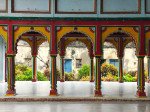
Bishnupur Rajbari

Some quick example text to build on the card title and make up the bulk of the card's content.

Go somewhere
...
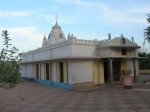
Chhinnamasta Temple

Some quick example text to build on the card title and make up the bulk of the card's content.

Go somewhere
...
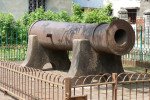
Dalmadal Cannon

Some quick example text to build on the card title and make up the bulk of the card's content.

Go somewhere

...
Garh Darwaja

Some quick example text to build on the card title and make up the bulk of the card's content.

Go somewhere
...
Gokul Chand Temple

Some quick example text to build on the card title and make up the bulk of the card's content.

Go somewhere

...
Hadal-Narayanpur

Some quick example text to build on the card title and make up the bulk of the card's content.

Go somewhere
...
Jhilimili & Sutan Forest

Some quick example text to build on the card title and make up the bulk of the card's content.

Go somewhere
in Other Cities