
...

FAQs On Jayanti

Dooars, West Bengal, India
Riverside Beauty: Jayanti is a small forest village located along the banks of the Jayanti River in the Alipurduar district. It is often referred to as the "Queen of Dooars" because of its breathtaking scenic beauty and tranquil atmosphere. The river itself is unique; for most of the year, it remain s a vast bed of white pebbles with a thin stream of crystal-clear water, but it transforms during the monsoons. The village is nestled right on the edge of the Buxa Tiger Reserve, with the Jayanti Hills forming a natural border with Bhutan on the eastern side. The landscape is a stunning mix of dense green forests, white riverbeds, and blue mountain peaks. Jayanti is a place where time seems to slow down, and the only agenda is to soak in the natural splendor. Historically, the area was a hub for dolomite mining during the British era, and ruins of old railway bridges can still be seen. The village serves as a base for several exciting treks, including the hike to the Mahakal Cave, a sacred stalactite cave dedicated to Lord Shiva. Wildlife is abundant here; it is not uncommon to see herds of elephants or peacocks crossing the riverbed. The area is also famous for the Pukri Lake, a sacred pond where large catfish and turtles are protected by local traditions. Jayanti offers a raw and rustic experience, with most accommodation being basic forest lodges or homestays. It is a favorite among soul-seekers and photographers who want to capture the "moonlight on the riverbed" effect. The proximity to Bhutan adds a distinct cultural flavor to the region.

Ans:- Answer: Absolutely. Jayanti and the surrounding Bala riverbed are fantastic for bird watching. You can see a variety of species including the Great Hornbill, Ibisbill, and various migratory birds during winter. The diverse ecosystem of hills, rivers, and forests attracts a wide range of avian species throughout the year.

Ans:- Answer: Accommodation in Jayanti primarily consists of budget-friendly homestays and forest rest houses. These stays offer basic amenities and authentic local food. Staying with a local family provides a great opportunity to learn about the culture and lifestyle of the forest dwellers while enjoying the tranquility of the river.

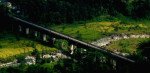
Ans:- Answer: In the past, Jayanti was a significant hub for dolomite mining and had a railway line connecting it to Alipurduar. Today, you can still see the ruins of the old bridge and some pillars in the riverbed. The mining was stopped to protect the environment and wildlife of the Buxa Tiger Reserve.

Ans:- Answer: Jayanti is a remote forest village, and while there is basic electricity, power cuts can be frequent due to its location. Most homestays and resorts use generators or solar power for backup. It is a place to disconnect from the digital world and enjoy the raw beauty of the wilderness.

Ans:- Answer: Jayanti is a very small village with limited facilities. There are no ATMs, so you must carry enough cash from Alipurduar. There are a few small shops selling basic snacks and tea, but for any major requirements or medicines, you would need to travel back to the nearest town.

Ans:- Answer: Jayanti is nicknamed the "Queen of Dooars" because of its breathtaking natural beauty, featuring the Jayanti River against the backdrop of the Bhutan hills. The serene atmosphere, the white pebble riverbed, and the lush green surroundings of the Buxa Tiger Reserve make it one of the most picturesque spots in the region.

Ans:- Answer: No, the Jayanti River is a rain-fed river and remains mostly dry or has very shallow water for most of the year. The riverbed is filled with white pebbles and boulders, which creates a unique and beautiful landscape. During the monsoon, the river swells and can become quite powerful and fast-flowing.

Ans:- Answer: Pokhri Lake is a sacred pond situated on a hilltop near Jayanti. It is home to a large number of Magur fish and turtles, which are considered sacred by the local people. Reaching the lake involves a short, scenic trek through the woods, offering a peaceful spot for meditation and nature photography.

Ans:- Answer: Since Jayanti is located within the core area of the Buxa Tiger Reserve, all visitors must obtain an entry permit. These permits are issued at the Rajabhatkhawa forest check post. You will need to provide valid ID proof and pay the entry fees for both individuals and vehicles to proceed.

Ans:- Answer: The nearest major town is Alipurduar, about 30 km away. You can reach Alipurduar by train from major cities. From Alipurduar, you can hire a private taxi to Jayanti. The drive involves passing through the Rajabhatkhawa forest gate, which is a scenic journey through dense sal and teak forests.

Ans:- Answer: While Jayanti is part of the Buxa Tiger Reserve, spotting a tiger is extremely rare. However, the forest is rich in other wildlife like leopards, elephants, gaurs (Indian bison), and various types of deer. The focus of a visit here is more on the landscape, trekking, and bird watching rather than tiger sightings.

Ans:- Answer: Yes, Jeep Safaris are available from Jayanti. These safaris take you through the forest trails to various watchtowers like Bhutia Busty, which is an excellent spot for viewing elephants and other wildlife. The safaris are a great way to explore the deeper parts of the Buxa Tiger Reserve conveniently.

Ans:- Answer: Yes, since Jayanti is inside the tiger reserve, it is not uncommon to see elephants or deer near the outskirts of the village, especially at night. Visitors are advised not to wander alone after sunset and to follow the instructions of local residents and forest officials to ensure their safety.

Ans:- Answer: Yes, the Mahakal Cave is a major attraction near Jayanti, located close to the Bhutan border. It is a stalactite cave dedicated to Lord Shiva. To reach it, visitors usually trek through the forest and riverbed. The journey is adventurous and offers great views, though it can be slippery during rains.

Ans:- Answer: Yes, there is a popular trekking route that connects Jayanti to Buxa Fort. The trek is approximately 13 km long and passes through dense forest. It is a rewarding experience for adventure seekers, offering a mix of history and nature. However, it is mandatory to take a local guide for this trek.

Note:-

Information provided here in good Faith and for reference only.

All information and pictures will be updated soon, please keep visiting.

Near Places
...
Bhutanghat

Some quick example text to build on the card title and make up the bulk of the card's content.

Go somewhere

...
Bindu

Some quick example text to build on the card title and make up the bulk of the card's content.

Go somewhere
...
Buxa Fort

Some quick example text to build on the card title and make up the bulk of the card's content.

Go somewhere

...
Buxa Tiger Reserve

Some quick example text to build on the card title and make up the bulk of the card's content.

Go somewhere
...
Chapramari Wildlife Sanctuary

Some quick example text to build on the card title and make up the bulk of the card's content.

Go somewhere

...
Chilapata Forest

Some quick example text to build on the card title and make up the bulk of the card's content.

Go somewhere
...
Gorumara National Park

Some quick example text to build on the card title and make up the bulk of the card's content.

Go somewhere
...
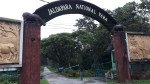
Jaldapara National Park

Some quick example text to build on the card title and make up the bulk of the card's content.

Go somewhere
...
Jayanti

Some quick example text to build on the card title and make up the bulk of the card's content.

Go somewhere
...
Jhalong

Some quick example text to build on the card title and make up the bulk of the card's content.

Go somewhere
in Other Cities