...

FAQs On Jhalong

Dooars, West Bengal, India
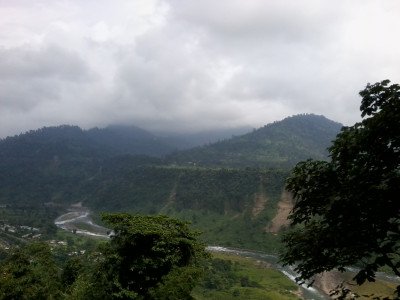
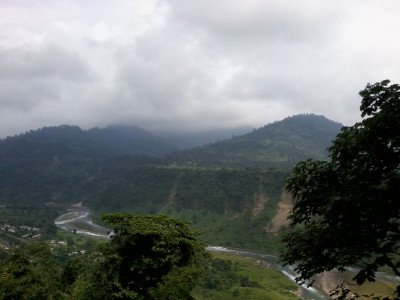
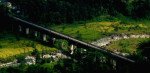
Jhalong is a moderately sized hill village located on the banks of the Jaldhaka River, acting as a crucial midway point between the tea gardens of Samsing and the border village of Bindu. Its primary significance comes from the Jhalong Hydroelectric Project, which harnesses the energy of the Jaldhak a River. While not as dramatically large as a full dam, the barrage and associated structures are a major point of interest, symbolizing the region's contribution to power generation. The valley environment here is characterized by slightly wider riverbanks than Bindu, offering more accessible areas for riverside leisure and picnicking. The surrounding hills are clad in dense, mixed evergreen forest, providing a rich habitat for various bird species, making Jhalong a key area for bird watching, similar to its neighbors. The local community here is more established than the one in Bindu, offering better access to basic amenities and a greater number of small shops and homestays. The village's economy is a mix of small-scale tourism, agricultural produce, and employment related to the power project. The river itself, flowing with its characteristic cold, clear water from the high Himalayas, dominates the landscape and dictates the pace of life. The road through Jhalong follows the winding course of the Jaldhaka for several kilometers, providing continuous, spectacular river views that are constantly changing with the terrain. Jhalong is quieter and less crowded than the popular tourist spots in the central Dooars, retaining a peaceful charm that appeals to those looking for a laid-back, yet scenic holiday. The forest department also maintains specific trails in the nearby woods, adding to the variety of nature-based activities available to visitors. The valley's atmosphere is generally relaxed, serving as an excellent base for exploring all the river-based destinations in the region, including the secluded Paren and the final outpost of Bindu.

Ans:- Answer: It is one of the oldest hydroelectric projects in India, using the waters of the Jaldhaka River to generate electricity. The project is situated at Bindu, near Jhalong. While entry into the main powerhouse is restricted, the surrounding area and the dam itself are popular tourist sightseeing spots.

Ans:- Answer: Jhalong has a small local market where villagers from nearby areas, including Bhutan, come to sell their produce. Every Sunday, a larger weekly market (Haat) is held. It is a great place to see the local culture and buy fresh oranges (in season) or locally grown cardamom and ginger.

Ans:- Answer: Jhalong is a small village situated on the banks of the Jaldhaka River in the Kalimpong district, bordering Bhutan. It is located at the foothills of the Himalayas and serves as a gateway to other offbeat spots like Bindu. The area is known for its hydroelectric project and scenic river views.

Ans:- Answer: Jhalong is about 95 km from Siliguri. You can reach it by hiring a taxi from New Jalpaiguri (NJP) station or Bagdogra airport. The drive takes about 3 hours and passes through the beautiful Gorumara forest and tea gardens, offering a very scenic journey through the heart of the Dooars region.

Ans:- Answer: Jhalong is primarily a place for relaxation and nature walks. However, the rocky riverbed is great for short treks and riverside picnics. Some resorts can arrange for basic angling (fishing) trips or guided treks to nearby villages like Paren, which offers stunning views of the Jaldhaka valley.

Ans:- Answer: Jhalong offers beautiful riverside tent accommodations and eco-resorts managed by the forest department and private owners. There are also several cozy homestays in the village. Staying at the river camp is a unique experience where you can hear the river flowing just a few feet away from your room.

Ans:- Answer: Mobile connectivity in Jhalong is moderate. Most major Indian networks work, but the signal can be weak in certain pockets. Interestingly, you might sometimes pick up Bhutanese mobile signals due to the proximity to the border. It is advisable to inform your family about limited internet access before reaching.

Ans:- Answer: Most homestays and resorts serve authentic Bengali and local Gorkha cuisine. You can enjoy fresh river fish, local organic vegetables, and traditional dishes like Thukpa or Momos. The food is usually simple, fresh, and home-cooked, adding to the charm of staying in a remote Himalayan village.

Ans:- Answer: The best time to visit is from October to March when the weather is cool and the river water is crystal clear. The monsoon months (June to September) offer lush greenery, but heavy rains can sometimes disrupt travel. Winter mornings in Jhalong are particularly beautiful with mist rising from the Jaldhaka River.

Ans:- Answer: The main attraction is the Jaldhaka River and the scenic valley. The Jhalong River Camp, located right on the riverbank, is a popular spot for tourists. People visit for the serenity, the sound of the flowing river, and the opportunity to see the nearby Jaldhaka Hydel Project, one of the oldest in India.

Ans:- Answer: The road to Jhalong is generally in good condition but involves several hairpin bends and hilly terrain as you ascend from the plains. During the monsoon, extra caution is needed due to the risk of small landslides or slippery roads. It is recommended to hire an experienced local driver for this route.

Ans:- Answer: While the Bindu Dam near Jhalong connects to Bhutan, crossing over usually requires specific permits for tourists. However, you can walk onto the dam and see the Bhutanese hills very closely. For a proper visit into Bhutanese territory, you would need to go through the official immigration check posts like Phuntsholing.

Ans:- Answer: Yes, Bindu is only about 10 km further from Jhalong. It is the last village on the Indian side, famous for the Bindu Dam (Jaldhaka Dam) that connects India and Bhutan. Most tourists who visit Jhalong take a short drive to Bindu to see the dam and the cardamom plantations.

Ans:- Answer: Yes, Jhalong is a paradise for bird enthusiasts. The riverbanks and surrounding forests are home to various hill birds like the Brown Dipper, Crested Kingfisher, and Redstarts. During the winter, many migratory birds also visit the area, making it a vibrant spot for photography and nature observation.

Ans:- Answer: Yes, Jhalong is an excellent destination for families looking for a quiet getaway. The riverside camps are safe and enjoyable for children, and the scenic beauty appeals to all ages. It is a great spot to teach kids about nature, rivers, and the simple way of life in the mountains.

Note:-

Information provided here in good Faith and for reference only.

All information and pictures will be updated soon, please keep visiting.

Near Places
...
Bhutanghat

Some quick example text to build on the card title and make up the bulk of the card's content.

Go somewhere

...
Bindu

Some quick example text to build on the card title and make up the bulk of the card's content.

Go somewhere
...
Buxa Fort

Some quick example text to build on the card title and make up the bulk of the card's content.

Go somewhere
...
Buxa Tiger Reserve

Some quick example text to build on the card title and make up the bulk of the card's content.

Go somewhere
...
Chapramari Wildlife Sanctuary

Some quick example text to build on the card title and make up the bulk of the card's content.

Go somewhere

...
Chilapata Forest

Some quick example text to build on the card title and make up the bulk of the card's content.

Go somewhere
...
Gorumara National Park

Some quick example text to build on the card title and make up the bulk of the card's content.

Go somewhere
...
Jaldapara National Park

Some quick example text to build on the card title and make up the bulk of the card's content.

Go somewhere
...
Jayanti

Some quick example text to build on the card title and make up the bulk of the card's content.

Go somewhere
...
Jhalong

Some quick example text to build on the card title and make up the bulk of the card's content.

Go somewhere
in Other Cities