...

FAQs On Sitong Village

Kurseong, West Bengal, India
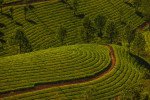
Sitong is a small, picturesque, and relatively untouched village nestled in a beautiful valley, earning it the nickname "The Orange Valley." It is situated at a lower altitude than Kurseong, offering a warmer and more lush environment, and is part of the Mahananda Wildlife Sanctuary area, meaning th e surroundings are heavily forested and rich in biodiversity. Sitong is primarily known for its extensive orange orchards, which turn the entire valley into a breathtaking, colorful landscape when the fruit ripens, usually between November and January. The village is largely inhabited by the indigenous Lepcha community, known for their gentle culture and traditional wooden houses, as well as a significant Nepali population. This remote location offers an authentic, slow-paced village experience focused on agri-tourism and birdwatching. The nearby Ahaldara View Point is a must-visit, offering a spectacular panoramic view of the Teesta River and the plains. Sitong represents the true definition of an offbeat destination it lacks the commercial bustle of larger hill stations, focusing instead on homestays, local cuisine, and deep connection with nature. The small wooden Lepcha houses and the charming local monastery (Gompa) add to the area's peaceful, culturally rich environment, making it a perfect retreat for those seeking tranquility and seasonal beauty. The gentle rustling of leaves and the sound of distant streams define the soundscape here.

Ans:- Sitong Village is widely known as the 'Orange Capital' of the Darjeeling district, making it a unique destination. The village is nestled in the foothills and is famous for its vast, sprawling orange orchards that bloom and fruit during the winter season, turning the entire landscape into a vibrant shade of orange. Beyond the oranges, the village offers a tranquil escape from the urban hustle, with stunning views of the Himalayas, peaceful walking trails, and authentic village life, providing a serene retreat for nature lovers and photographers.

Ans:- The best time to visit Sitong is during the winter season, specifically from late November to January. This is when the orange harvest is in full swing, and the entire village is covered in bright, ripe oranges. The weather during this time is crisp and cool, perfect for walking through the orchards and enjoying the natural beauty of the region. Visiting during these months ensures you get to witness the full glory of the orange blooms, which is the primary attraction for most travelers visiting this village.

Ans:- In Sitong, activities revolve around nature and relaxation. Visitors love walking through the orange orchards, trekking to nearby viewpoints, visiting the serene local churches, and exploring the banks of the Riyang River. Bird watching is also quite popular due to the rich biodiversity of the region. The village is perfect for those who want to disconnect from technology and reconnect with nature, engage with the local community, and enjoy a slow-paced lifestyle away from the noise and crowd of typical tourist hill stations.

Ans:- Yes, homestays are the primary mode of accommodation in Sitong, which provides an authentic experience for travelers. Staying in a homestay allows visitors to live with local families, enjoy homemade traditional food, and gain insights into the culture and lifestyle of the Lepcha community. These accommodations are cozy, welcoming, and well-maintained, offering a level of warmth and hospitality that hotels simply cannot replicate. It is recommended to book your homestay in advance, especially during the peak orange season, to secure your spot.

Ans:- Sitong is an excellent destination for a family vacation, especially for those looking for a peaceful and safe environment. The village atmosphere is very child-friendly, and the gentle pace of life allows families to spend quality time together. Activities like walking through orchards and nature trails are easy for children, and the local cuisine is generally simple and nutritious. It provides a perfect setting for families to create lasting memories while away from the distractions of city life, surrounded by nature and fresh air.

Ans:- Sitong enjoys a pleasant climate for most of the year. The summer months are cool and comfortable, while the monsoon brings lush green scenery and mist. The winter months are cold but clear, offering spectacular views of the Himalayan peaks and the iconic orange harvest. It is always a good idea to carry layers of clothing, as temperatures can drop, especially in the evenings, regardless of the season. The overall climate makes it a year-round destination, though winter is favored for the orange season.

Ans:- Sitong is accessible by road from Kurseong, Siliguri, and Darjeeling. Hiring a private taxi is the most convenient way to reach the village, as it allows for a comfortable journey through the scenic hill roads. Shared jeeps are also available from major transport hubs, though they might be more crowded. The road to Sitong is winding and offers beautiful vistas, so ensure your driver is experienced with mountain driving. Pre-booking transport or arranging a pickup with your homestay host is a smart idea.

Ans:- Yes, Sitong is home to the beautiful Sitong Church, which is a key landmark. The church is known for its peaceful ambiance and architectural charm, often surrounded by lush greenery that adds to its serenity. It is a place of quiet reflection for both locals and tourists. Additionally, the village culture itself, deeply rooted in the Lepcha tradition, acts as a historical and cultural site, where you can observe traditional farming practices and architectural styles that have been preserved over generations.

Ans:- Sitong is considered a very safe destination for solo travelers. The local community is welcoming, friendly, and used to tourists. As a small, tight-knit village, people are generally helpful and protective of their visitors. However, like any travel destination, it is important to exercise common sense, such as informing your homestay host about your plans if you go out for a hike, keeping your belongings secure, and avoiding walking alone late at night on deserted trails. The overall peaceful vibe makes it quite comfortable for solo exploration.

Ans:- The food in Sitong is a highlight, with most homestays serving delicious, locally-sourced, and traditional home-cooked meals. You can expect to taste organic vegetables, local lentils, and sometimes fresh trout from the nearby river. The flavors are simple, fresh, and authentically Himalayan. While you might not find upscale restaurants or diverse cuisines, the authentic experience of eating what the locals eat is a culinary delight that many travelers cherish and remember long after they have returned home.

Ans:- Yes, Sitong offers several easy to moderate trekking trails that are perfect for nature enthusiasts. You can hike through the orange orchards, walk down to the river banks, or trek to nearby viewpoints to witness breathtaking sunrises over the Kanchenjunga range. These treks are generally not very strenuous, making them accessible to casual walkers. It is always recommended to hire a local guide if you are unsure of the paths, as they can also point out interesting flora and fauna along the way.

Ans:- Connectivity in Sitong can be inconsistent, as it is a remote village in the hills. While some areas might have decent mobile signals, relying on high-speed internet for work or streaming is not recommended. This limited connectivity is actually a blessing for many visitors, as it encourages them to disconnect from the digital world and fully immerse themselves in the natural beauty and peace of the village. It is advisable to finish any urgent digital tasks before arriving at the village.

Ans:- Packing for Sitong requires comfortable, warm clothing. Even in summer, the evenings can get chilly. During the winter, you will definitely need heavy woolens, jackets, gloves, and caps. Sturdy walking shoes are essential for exploring the village and trekking through the orchards. It is also wise to carry a rain jacket or umbrella, especially if you are visiting during the monsoon season or even in early spring, as mountain weather can be quite unpredictable and change very quickly.

Ans:- Sitong is deeply rooted in local traditions, and the community celebrates various local and religious festivals throughout the year. If you happen to visit during a local festival, you might witness traditional dances, music, and communal feasts. These events provide a fantastic opportunity to understand the local culture and interact with the villagers in a festive and joyful atmosphere. Check the local calendar or ask your homestay host in advance if there are any upcoming celebrations during your planned visit.

Ans:- Getting around within Sitong is primarily done on foot. The village is spread out, and walking is the best way to explore the orchards, the church, and the surrounding scenery. The paths are mostly village tracks, which are perfect for gentle walks. For longer distances, such as arriving or departing, you will need a taxi, but once you are in the village, the beauty is best experienced at a slow, walking pace, allowing you to breathe in the fresh mountain air.

Ans:- The Riyang River flows through the region, and visiting its banks is a popular activity. There are also smaller streams and hidden waterfalls in the vicinity that you can discover during your walks or hikes. The sound of running water adds to the tranquility of the village. Be sure to ask your local hosts about the best spots to visit, as they know the hidden gems of the area better than any map, and they can direct you to safe and scenic locations.

Ans:- Yes, it is highly recommended to carry sufficient cash for your entire stay in Sitong. Since it is a small village, digital payment methods like UPI or card machines are not widely available or reliable. You should carry enough cash to cover your homestay costs, food, local transport, and any small shopping you might want to do. It is always better to withdraw cash from ATMs in larger towns like Kurseong or Siliguri before heading up to the village.

Ans:- Respecting the local environment in Sitong is crucial. This means not littering, carrying back your non-biodegradable waste, and being mindful of your noise levels. Regarding culture, always ask for permission before taking photographs of locals or their private property. Be modest in your dress and behavior, and show appreciation for the hospitality you receive. By being a responsible tourist, you help preserve the beauty and the peaceful way of life of this wonderful village for future visitors.

Ans:- Sitong is a small village and does not have major medical facilities. While there might be small local shops selling basic necessities, you should definitely carry a well-stocked first-aid kit with your regular medications and basic health supplies. For any major medical issues, you would need to travel back down to Kurseong or Siliguri, which can take time. Therefore, being prepared and taking care of your health while on the trip is very important.

Ans:- Sitong is an absolute paradise for photography enthusiasts. From the lush orange orchards in winter to the misty mountains, vibrant village life, traditional church architecture, and the flowing river, there is no shortage of subjects. The soft, natural light in the hills is perfect for landscape photography. Whether you are a professional or a hobbyist, you will find endless opportunities to capture stunning shots. Just remember to be respectful and always ask before taking portraits of the local residents.
Information about New and Updated Locations() of West Bengal Has Been Added :-
Card subtitle

Note:-

Information provided here in good Faith and for reference only.

All information and pictures will be updated soon, please keep visiting.

Near Places
...
Ambootia Tea Estate

Some quick example text to build on the card title and make up the bulk of the card's content.

Go somewhere
...
Ambotia Shiva Temple & Orange Garden

Some quick example text to build on the card title and make up the bulk of the card's content.

Go somewhere

...
Bhangzang Salamander Lake

Some quick example text to build on the card title and make up the bulk of the card's content.

Go somewhere

...
Chimney Heritage Park

Some quick example text to build on the card title and make up the bulk of the card's content.

Go somewhere

...
Dow Hill Eco Park

Some quick example text to build on the card title and make up the bulk of the card's content.

Go somewhere
...
Eagle's Crag

Some quick example text to build on the card title and make up the bulk of the card's content.

Go somewhere
...
Forest Museum

Some quick example text to build on the card title and make up the bulk of the card's content.

Go somewhere

...
Giddapahar View Point and Temple

Some quick example text to build on the card title and make up the bulk of the card's content.

Go somewhere

...
Grotto View Point

Some quick example text to build on the card title and make up the bulk of the card's content.

Go somewhere

...
Hill Cart Road

Some quick example text to build on the card title and make up the bulk of the card's content.

Go somewhere
in Other Cities