...

FAQs On South Park Street Cemetery

Kolkata, West Bengal, India
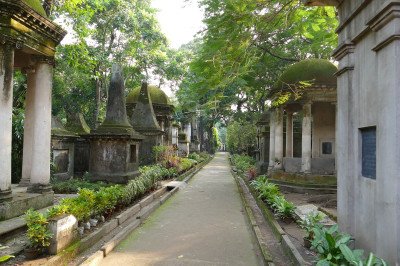
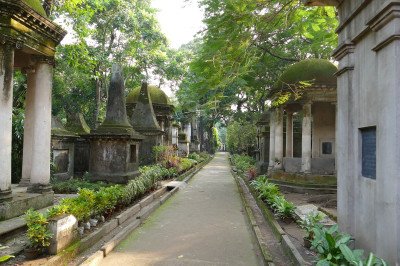
The South Park Street Cemetery is one of the most significant colonial-era heritage sites in India. Opened in 1767 to accommodate the growing British population in Calcutta, it was one of the earliest non-church cemeteries in the world. As you walk through its moss-covered gates, you are transporte d to an era of the East India Company. The cemetery is a hauntingly beautiful repository of history, containing approximately 1,600 graves. Each tomb tells a story of young lives cut short by tropical diseases, military battles, or the harsh conditions of life in the 18th century. It ceased to be an active burial ground in 1830 but remains a protected monument under the Archaeological Survey of India. The atmosphere is ethereal, with giant fern trees and creeping vines intertwining with grand stone structures. It is a place where silence speaks volumes about the city's past, attracting historians, poets, and those seeking a quiet escape from the urban chaos. The epitaphs provide a glimpse into the social hierarchy and personal tragedies of the colonial settlers, making it a "living" museum of the dead.

Ans:- It is located at the intersection of Park Street (Mother Teresa Sarani) and Rawdon Street. The nearest Metro station is Maidan or Park Street. From there, it is a short taxi or auto-ride. It is very well-known, so any local transport driver will be able to take you there easily.

Ans:- Like many old graveyards, it has a reputation for being spooky, and there are many local urban legends about ghosts and paranormal activities. While it is a popular spot for fans of the macabre, most visitors find it to be a serene, historically rich, and deeply melancholic place rather than a scary one.

Ans:- The cemetery is the final resting place of several notable figures, including Sir William Jones (founder of the Asiatic Society), Henry Louis Vivian Derozio (leader of the Young Bengal movement), and "Hindoo Stuart" (Major-General Charles Stuart), an officer who famously embraced Hindu customs and culture during his life.

Ans:- The cemetery was opened in 1767 to accommodate the growing number of deaths among the British population in Calcutta. It was one of the earliest non-church cemeteries in the world. It was officially closed in 1790, though some burials continued until the mid-19th century when other cemeteries were opened.

Ans:- The epitaphs at South Park Street are famous for their poetic and often heartbreaking descriptions. They tell stories of young mothers, soldiers, and scholars. Look for the grave of Rose Aylmer, whose epitaph inspired a famous poem by Walter Savage Landor, or the detailed professional histories on the larger mausoleums.

Ans:- The tombs are a magnificent blend of Gothic and Indo-Saracenic styles. You will see grand mausoleums, obelisks, and pyramids inspired by Greek and Egyptian designs. The heavy stone structures were designed to withstand the tropical climate and are adorned with intricate carvings and poignant epitaphs written in classical English.

Ans:- The winter months (November to February) are the best time to visit, as the weather is pleasant for walking. The lush greenery and moss on the tombs are most vibrant during or just after the monsoon season (July-September), but the heat and humidity can be quite high during that time.

Ans:- There are approximately 1,600 graves in the South Park Street Cemetery. The graves range from simple slabs to massive, multi-story mausoleums. Many of the inscriptions provide a tragic look into the lives of the colonial British, where many died young due to tropical diseases and the harsh climate.

Ans:- There are no official permanent guides at the gate, but several private tour companies offer "Heritage Walks" through Park Street that include a detailed tour of the cemetery. These guides provide fascinating insights into the lives of the people buried there and the history of colonial Calcutta.

Ans:- Yes, photography is allowed, but you must pay a fee at the entrance gate. It is a favorite spot for amateur and professional photographers due to the dramatic light and the moss-covered, ancient structures. However, visitors are expected to maintain silence and respect the sanctity of the burial ground.

Ans:- Yes, the cemetery is safe for solo travelers. There are guards at the gate and staff working inside. It is a popular spot for students, historians, and tourists. However, it is quite large and can feel isolated in certain corners, so it is best to visit during peak daylight hours.

Ans:- Yes, there is a nominal entry fee for visitors, which goes toward the maintenance and restoration of the heritage site. There is also a separate fee for photography (still cameras and mobile phones). The cemetery is managed by the Christian Burial Board and a preservation society.

Other Places In Kolkata :-

Information about New and Updated Locations() of West Bengal Has Been Added :-
Card subtitle

Note:-

Information provided here in good Faith and for reference only.

Near Places
...
Academy of Fine Arts

Some quick example text to build on the card title and make up the bulk of the card's content.

Go somewhere
...
Acharya Jagadish Chandra Bose Indian Botanic Garden

Some quick example text to build on the card title and make up the bulk of the card's content.

Go somewhere
...
Alipore Zoological Garden

Some quick example text to build on the card title and make up the bulk of the card's content.

Go somewhere
...
Aquatica Water Park

Some quick example text to build on the card title and make up the bulk of the card's content.

Go somewhere
...
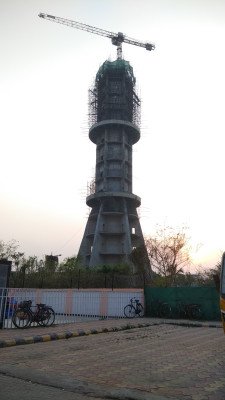
Babu Ghat

Some quick example text to build on the card title and make up the bulk of the card's content.

Go somewhere
...
Belilious Park

Some quick example text to build on the card title and make up the bulk of the card's content.

Go somewhere
...
Belur Math

Some quick example text to build on the card title and make up the bulk of the card's content.

Go somewhere
...
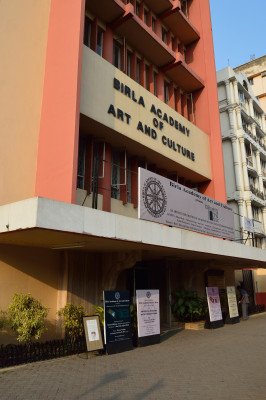
Birla Academy of Art & Culture

Some quick example text to build on the card title and make up the bulk of the card's content.

Go somewhere
...
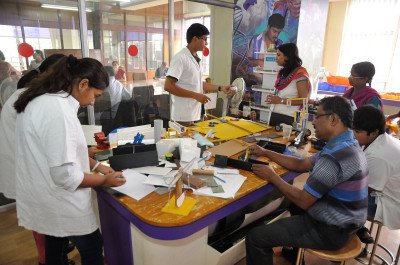
Birla Industrial & Technological Museum

Some quick example text to build on the card title and make up the bulk of the card's content.

Go somewhere
...
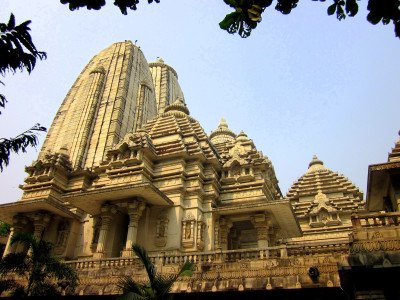
Birla Mandir

Some quick example text to build on the card title and make up the bulk of the card's content.

Go somewhere
...
Biswa Bangla Gate

Some quick example text to build on the card title and make up the bulk of the card's content.

Go somewhere
...
Burrabazar Market

Some quick example text to build on the card title and make up the bulk of the card's content.

Go somewhere
...
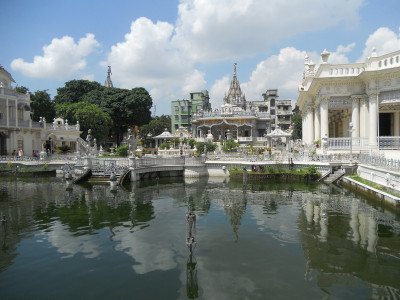
Calcutta Jain Temple

Some quick example text to build on the card title and make up the bulk of the card's content.

Go somewhere
...
Dakshineswar Kali Temple

Some quick example text to build on the card title and make up the bulk of the card's content.

Go somewhere
...
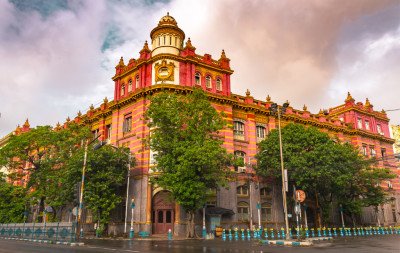
Dalhousie Square

Some quick example text to build on the card title and make up the bulk of the card's content.

Go somewhere
...
Eco Tourism Park

Some quick example text to build on the card title and make up the bulk of the card's content.

Go somewhere
in Other Cities