...

FAQs On Sumendu Lake

Mirik, West Bengal, India
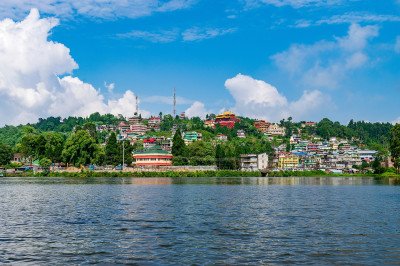
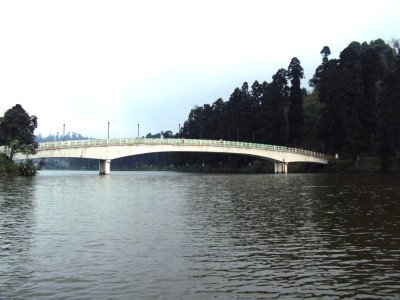
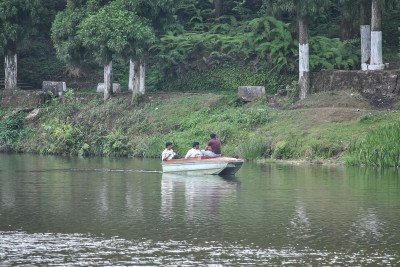
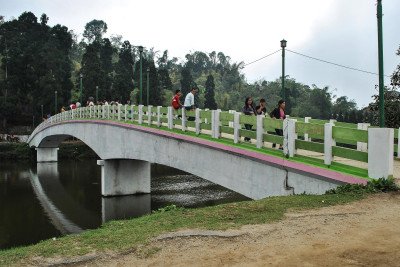
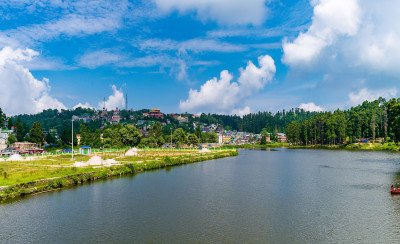
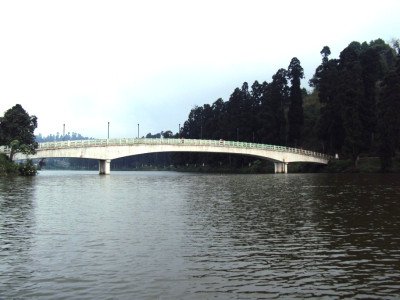
Sumendu Lake, also famously known as Mirik Lake, is the principal draw and focal point of the entire town. This magnificent man-made lake spans an impressive length of approximately 1.25 kilometers and is fed naturally by rainwater, ensuring it remains full and vibrant throughout the year. The lake is geographically split into two distinct banks, each offering a unique scenic experience. The western bank is dramatically enveloped by a dense plantation of Cryptomeria and Pine trees, locally referred to as the Dhupi forest, which provides shaded walking trails. In contrast, the eastern bank features a well-maintained, expansive green garden, perfect for relaxation and picnics, which was historically a Polo ground during the British colonial era. Connecting these two contrasting banks in the middle is a structural marvel, the elegant 80-foot long arch footbridge known as Indreni Pull (Rainbow Bridge). A total paved pathway of about 3.5 kilometers encircles the entire lake, providing a continuous, scenic track for leisurely walks, offering continuous views of the surrounding hills and, on a clear day, the snow-capped Mount Kanchenjunga in the distance. The lake is home to numerous fishes, and feeding them from the bridge area is a popular activity for tourists. (Word Count: 185) The lakes tranquil waters and the surrounding lush greenery create a picture-postcard setting, perfectly embodying the peaceful charm of Mirik. The depth of the lake is variable, ranging from about 3 feet to a maximum of 25 feet. Boating is a favorite activity here, offering a unique perspective of the town and the bridge. Historically, the area was a marshland before being developed into the lake that exists today. The development was carefully planned to enhance the natural environment, turning the marsh into the beautiful aquatic centerpiece that attracts thousands of visitors annually. The lake is an integral part of Mirik's identity, symbolizing the towns serene retreat status. The environment around the lake is kept pristine, offering fresh mountain air and a quiet, unhurried pace of life, which is a significant contrast to the bustling cities of the plains. (Word Count: 215)

Ans:- Answer: No, swimming is strictly prohibited in Sumendu Lake for safety reasons. The lake is intended only for boating and aesthetic enjoyment. The depth varies, and the water is generally quite cold. Visitors are advised to stay on the boats or the designated walking paths at all times.

Ans:- Answer: Sumendu Lake is the heart of Mirik tourism. It is a beautiful man-made lake approximately 1.25 km long. The lake is unique because it is bordered by a thick forest of pine trees on one side and a beautifully landscaped garden with a walkway on the other, connected by an arching bridge.

Ans:- Answer: The best time is during the spring (March to May) when the gardens are in full bloom, or during the autumn (October to November) for clear views of the mountains. Early mornings are peaceful, while the evenings are lively with tourists, making both times enjoyable in different ways.

Ans:- Answer: The garden side of the lake and the main paved road encircling it are relatively flat and accessible for wheelchairs. However, crossing the Rainbow Bridge involves steps, so wheelchair users might need to take the longer road around the lake to reach the pine forest side.

Ans:- Answer: The lake area is not well-lit at night and is generally avoided after dark for safety and security reasons. Most tourists leave the lake area by sunset. However, the nearby market area remains active for a few more hours, offering shopping and dining options.

Ans:- Answer: The lakeside market is famous for local handicrafts, woolen clothes, and tea. You can also find traditional Tibetan artifacts, prayer flags, and souvenir items. It is a great place to buy authentic Darjeeling tea directly from local sellers who stock produce from nearby estates.

Ans:- Answer: The Rainbow Bridge, also known as Indreni Pull, is an 80-foot long arching footbridge that spans across the Sumendu Lake. It is a major landmark and a popular spot for photography. The bridge connects the garden area on the eastern bank with the dense pine forest on the western bank.

Ans:- Answer: There is no entry fee to walk around the lake or visit the garden area. However, there are specific charges for activities like boating and horse riding. The boat rental rates vary depending on the type of boat and the duration of the ride, usually ranging from 30 to 60 minutes.

Ans:- Answer: Yes, boating is the most popular activity at Sumendu Lake. Both pedal boats and shikara-style rowboats are available for hire. It is a peaceful experience to glide over the calm waters while enjoying the reflection of the surrounding pine trees and the distant Himalayan peaks on a clear day.

Ans:- Answer: Yes, the area around the lake entrance (Krishnanagar) is filled with numerous restaurants, cafes, and small food stalls. They serve a variety of cuisines, including local Tibetan dishes like momos and thukpa, as well as Indian and Bengali meals to cater to the diverse tourist population.

Ans:- Answer: Yes, the lake is home to a large population of fish, mostly carp. Visitors often stand on the Rainbow Bridge to feed the fish with puffed rice or bread (available for purchase nearby). Watching the large schools of fish swim in the clear water is a favorite activity for kids.

Ans:- Answer: Yes, there are public washroom facilities located near the main entry gate and the garden area. These are maintained for tourists, though the level of cleanliness can vary depending on the season and crowd. It is usually better to use the facilities in nearby restaurants.

Ans:- Answer: Yes, there is a 3.5-kilometer long paved road that completely encircles the lake. It is a very popular trail for tourists and locals for morning and evening walks. The path offers different perspectives of the lake, the forest, and the town, making it a very refreshing experience.
Information about New and Updated Locations(575+) of West Bengal Has Been Added :-
Card subtitle

Note:-

Information provided here in good Faith and for reference only.

All information and pictures will be updated soon, please keep visiting.

Near Places

...
All India Radio Station Hill

Some quick example text to build on the card title and make up the bulk of the card's content.

Go somewhere
...
Bokar Institute Library

Some quick example text to build on the card title and make up the bulk of the card's content.

Go somewhere
...
Bokar Ngedon Chokhor Ling Monastery

Some quick example text to build on the card title and make up the bulk of the card's content.

Go somewhere
...
Bunkulung

Some quick example text to build on the card title and make up the bulk of the card's content.

Go somewhere
...
Deosi Dara

Some quick example text to build on the card title and make up the bulk of the card's content.

Go somewhere
...
Devi Stan Mandir

Some quick example text to build on the card title and make up the bulk of the card's content.

Go somewhere
...
Gopaldhara Tea Estate

Some quick example text to build on the card title and make up the bulk of the card's content.

Go somewhere
...
Indreni Pull

Some quick example text to build on the card title and make up the bulk of the card's content.

Go somewhere
...
Manju Picnic Spot

Some quick example text to build on the card title and make up the bulk of the card's content.

Go somewhere
...
Mirik Bazaar

Some quick example text to build on the card title and make up the bulk of the card's content.

Go somewhere
in Other Cities