Sumendu Lake
General information
-
Ideal Duration:
3-4 Hours (Including Boating & Lakeside Walk)Place Type:
Lake / Natural LandmarkEntry Fees:
General Entry to the Lake: There is generally no entry fee charged to simply enter the area around Sumendu Lake and walk along the 3. 5-kilometer peripheral pathway or relax in the adjacent garden on the eastern bank. The lake and its grounds are considered a public park a...General Entry to the Lake: There is generally no entry fee charged to simply enter the area around Sumendu Lake and walk along the 3. 5-kilometer peripheral pathway or relax in the adjacent garden on the eastern bank. The lake and its grounds are considered a public park and natural attraction, accessible to all visitors without a nominal ticket for basic entry.
Boating Charges: The main cost incurred by visitors is for engaging in the activities offered on the lake. Boating is the primary chargeable activity. The fee structure varies slightly based on the type of boat chosen (e. g. , paddle-boat or row-boat) and the duration (typically for a set 30-minute or 1-hour slot). As of recent estimates, the charges are usually affordable and comparable to other tourist attractions in the region, often ranging from approximately INR 150 to INR 300 per boat for a short duration. Its advisable to check the current rates posted at the official counter near the lake.
Horse Riding Fees: Similar to boating, horse riding along the lakeside path is a paid service. The fees for horse rides depend heavily on the duration and the length of the route taken. A short ride usually costs less, while a complete circuit of the lake costs more. Prices are typically set by the local horse owners' association and are subject to bargaining, but a general price point might be around INR 100 to INR 200 for a short ride.
Parking Fees and Other Incidentals: For those arriving by private vehicles or hired taxis, there might be a nominal parking fee charged by the local municipality for the designated parking areas near the lake. Additionally, purchasing fish-feeding materials (bread/puffed rice) or local snacks from the numerous vendors involves a minor cost. Overall, the lake is a very budget-friendly attraction, with all major costs being optional activity fees.
Timing:
Regular Timings: Sumendu Lake and its surrounding park area are generally open to the public from early morning until sunset. While there is no official 'gate' with strict opening and closing times, the area is typically accessible from around 6:00 AM to approximately 6:00...Regular Timings: Sumendu Lake and its surrounding park area are generally open to the public from early morning until sunset. While there is no official 'gate' with strict opening and closing times, the area is typically accessible from around 6:00 AM to approximately 6:00 PM daily. The most popular tourist activity, boating, usually operates within a more restrictive window, often starting around 8:00 AM and closing by 4:00 PM or 5:00 PM, particularly in the winter months when daylight is shorter.
Ideal Visit Time: The single most ideal time to visit the lake is during the early morning (6:00 AM to 8:00 AM) or the late afternoon (4:00 PM to 6:00 PM).
Early Morning (Sunrise View): The morning is perfect for catching the spectacular sunrise over the hills and witnessing the uninterrupted, breathtaking view of Mount Kanchenjunga before the clouds roll in, which often happens after 9:00 AM. The air is crisp, and the atmosphere is profoundly peaceful, ideal for photography and a quiet walk.
Late Afternoon (Sunset & Soft Light): The late afternoon is ideal for enjoying a leisurely boat ride or a stroll with soft, golden light, which is excellent for photography. The crowds begin to thin out, and the environment becomes more relaxed as the sun sets behind the hills.
Mid-Day (Activity Time): Mid-day (10:00 AM to 3:00 PM) is the most crowded time but is also when all activities like boating and horse riding are guaranteed to be fully operational. It is the best time for families with children.
Special Events:
Basanta Utsav at Devisthan: While the lake itself does not host a large, continuous public festival, the nearby Devisthan Temple (Singha Devi Mandir), located on the western bank and connected via the Indreni Pull or a longer road route, is the site of a major special event...Basanta Utsav at Devisthan: While the lake itself does not host a large, continuous public festival, the nearby Devisthan Temple (Singha Devi Mandir), located on the western bank and connected via the Indreni Pull or a longer road route, is the site of a major special event: the Basanta Utsav (Spring Festival). This festival, which typically takes place during the springtime (usually March or April), is a vibrant Hindu celebration.
The Spiritual Gathering: During Basanta Utsav, the temple complex, which houses deities like Devi Durga (or Bhagwati), Lord Shiva, Lord Hanuman, and Lord Ganesha, comes alive with a massive influx of devotees. The atmosphere shifts from the usual peaceful quiet to one of communal celebration, prayer, and cultural activities. Local communities from Mirik and the surrounding villages gather for worship, traditional music, and feasting. The festival is a significant cultural marker for the region, showcasing local Hindu and Nepali traditions.
Festival Logistics: The event makes the entire western side of the lake, which is usually quieter, a bustling center of activity. Tourists visiting during this time get a rare glimpse into the local religious and cultural life. It's important to note that access to the temple and the surrounding areas becomes very crowded, and special traffic and pedestrian management are often put in place by local authorities. This religious and cultural confluence is the most significant annual event tied to the Lake area.
Best Photo Spots:
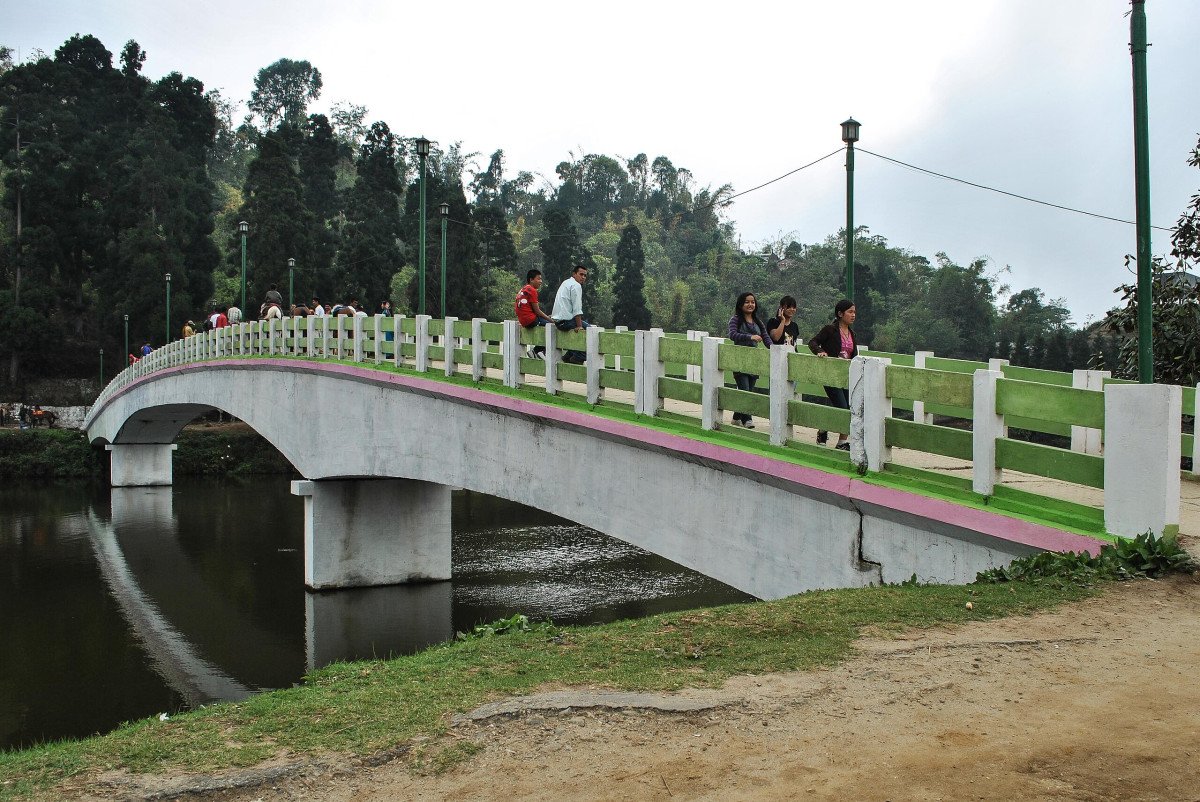
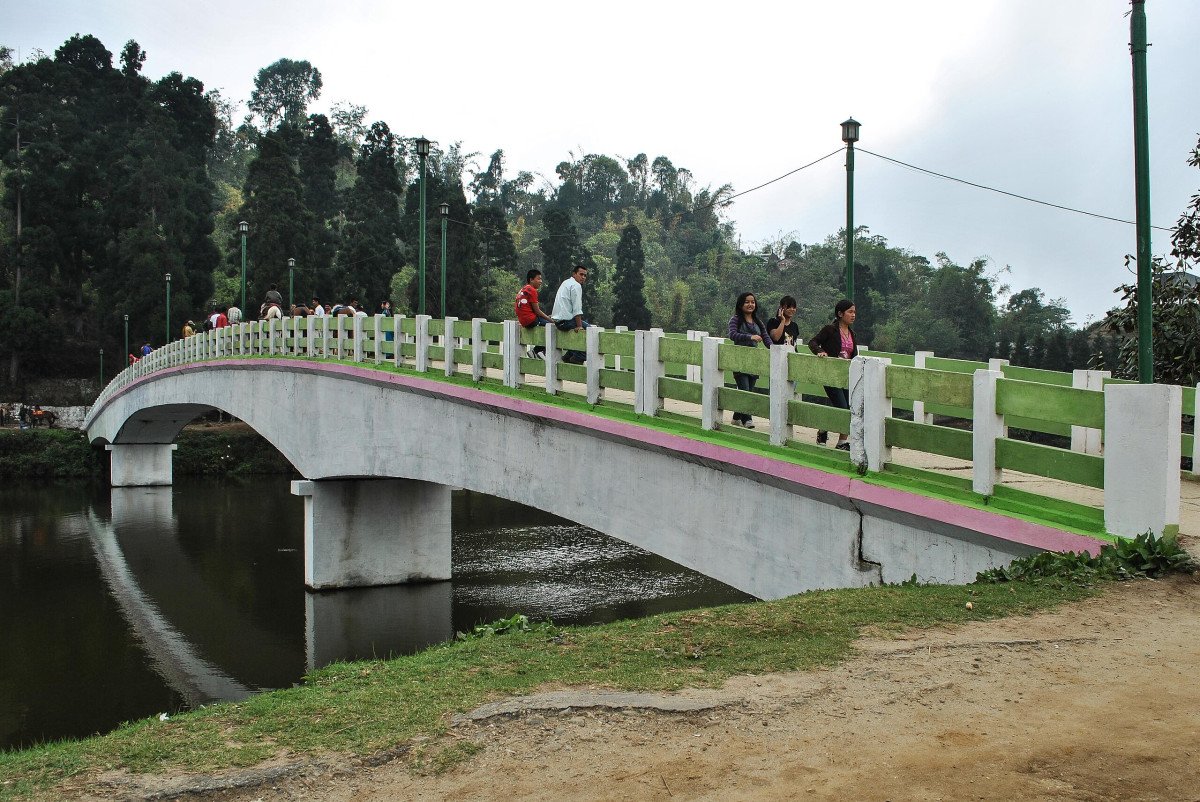
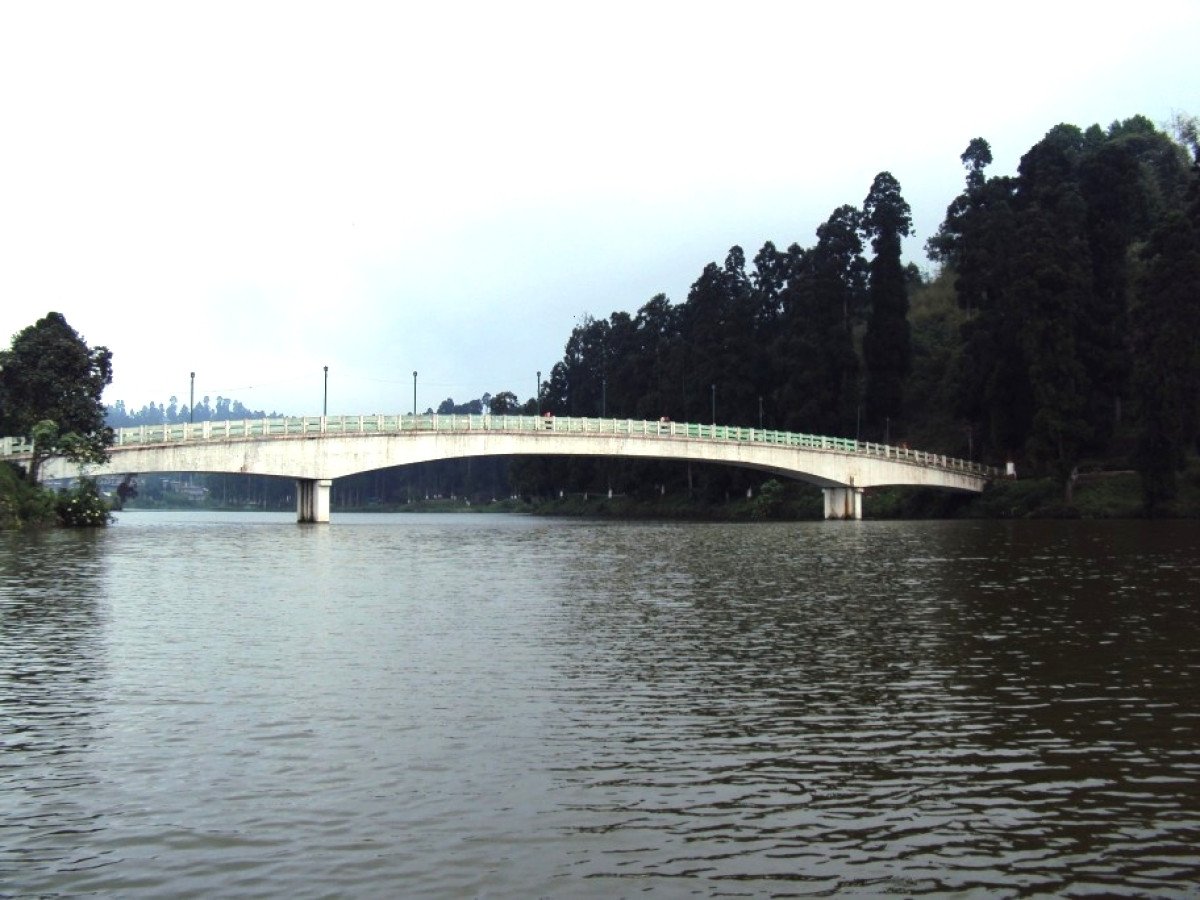
Indreni Pull (Rainbow Bridge) Centre: The very centre of the Indreni Pull is arguably the best and most iconic photo spot. From here, you can capture the full, clean stretch of the lake in both directions, framed by the bridge's arching structure. A clear day shot towards...Indreni Pull (Rainbow Bridge) Centre: The very centre of the Indreni Pull is arguably the best and most iconic photo spot. From here, you can capture the full, clean stretch of the lake in both directions, framed by the bridge's arching structure. A clear day shot towards the north will include the distant, majestic view of Mount Kanchenjunga towering over the hills, reflecting in the water. This spot works best for panoramic shots and wide-angle photography.
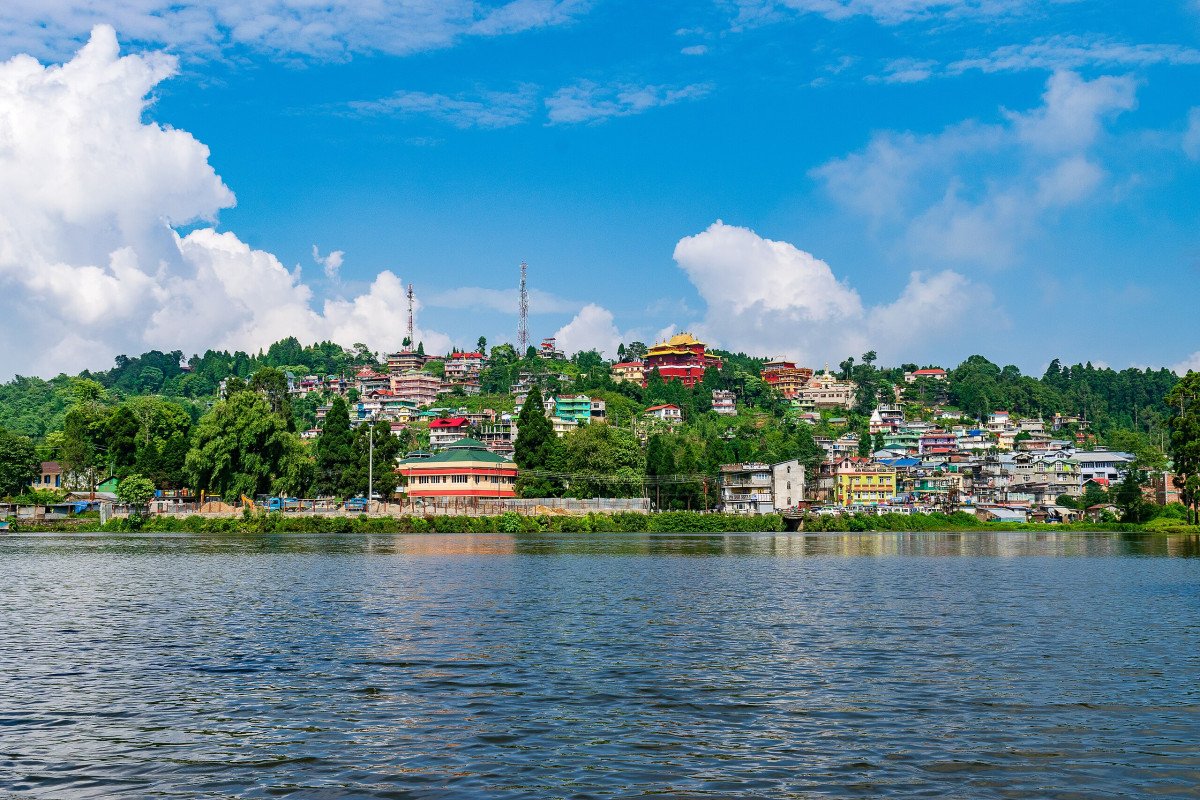
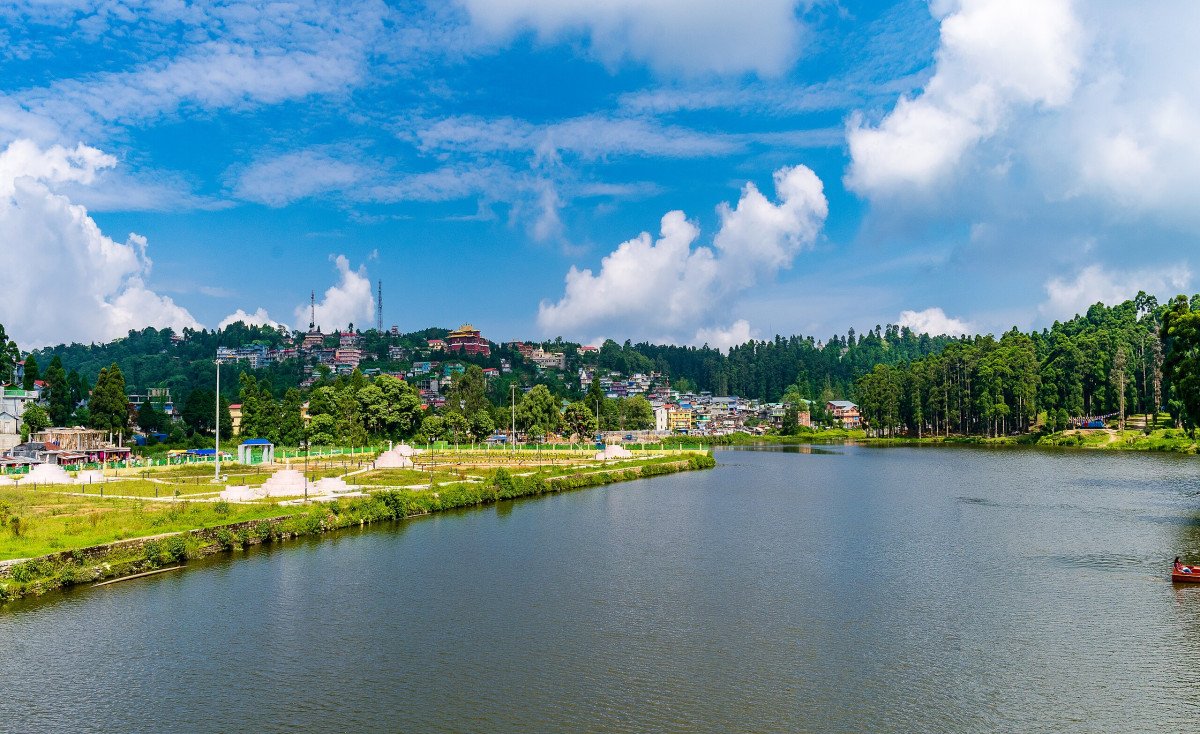
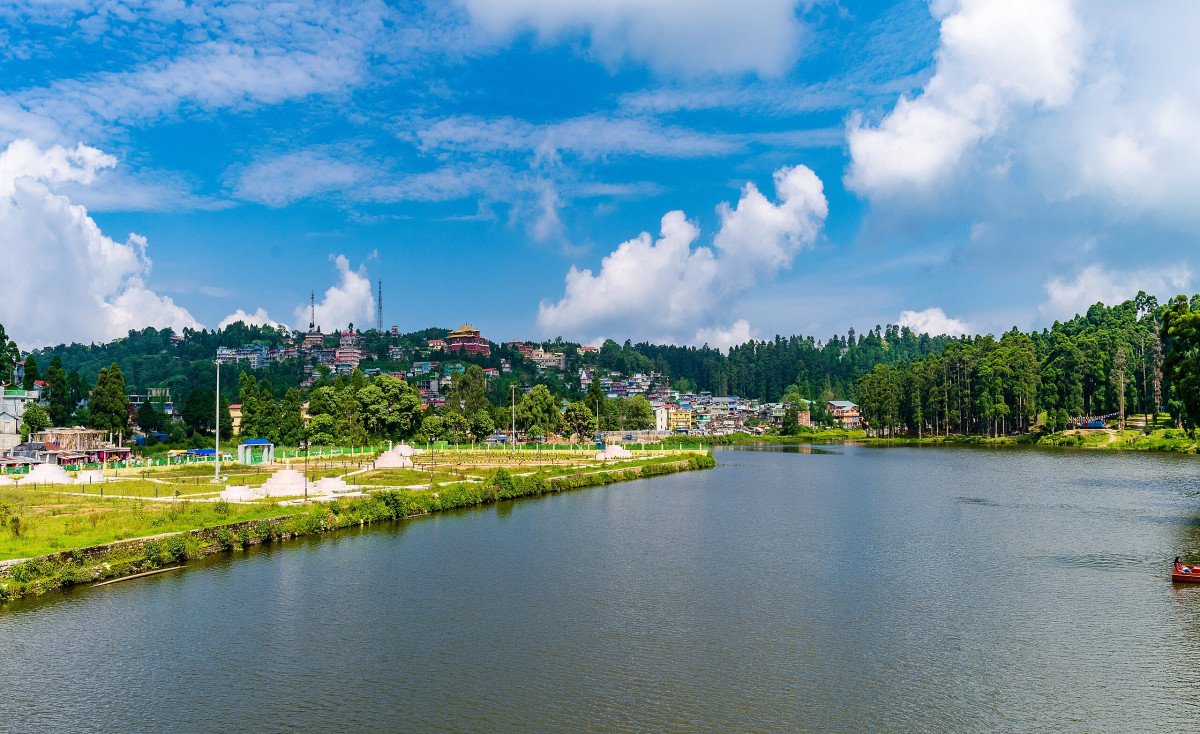
Eastern Bank Garden Lawn: The eastern bank's open lawn is perfect for shots that include the entire lake, the Indreni Pull, and the dense Dhupi forest on the opposite side. This area is ideal for human subjects, as the lush green foreground provides a vibrant contrast to the blue of the water and the dark green of the trees. Early morning and late afternoon are the best times here, offering soft, golden light for portraits and landscape shots.
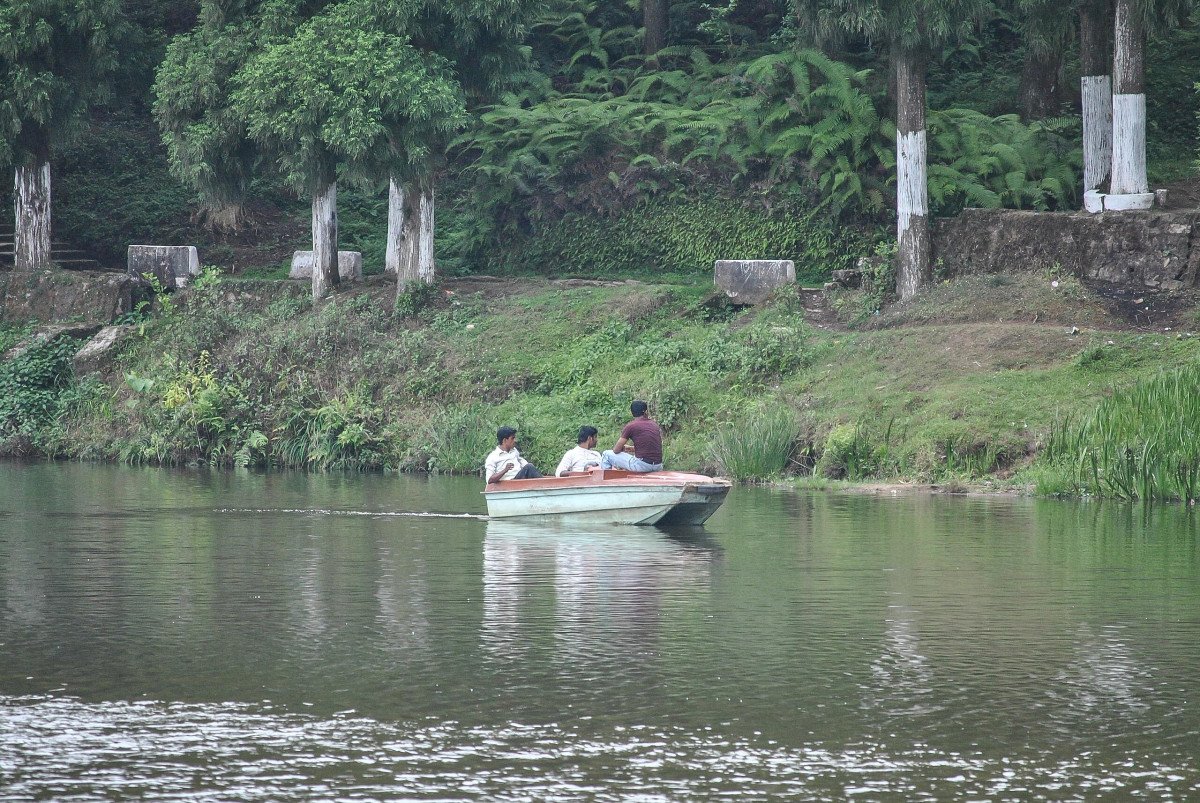
The Dhupi Forest Trail (Western Bank): The secluded walking trail on the western bank, beneath the tall Cryptomeria and Pine trees, provides a dramatic and moody backdrop. Shots here should focus on the play of light and shadow filtering through the dense canopy. The pathway itself, stretching into the distance under the towering trees, makes for excellent depth-of-field and atmospheric photography, capturing the mystical side of Mirik.
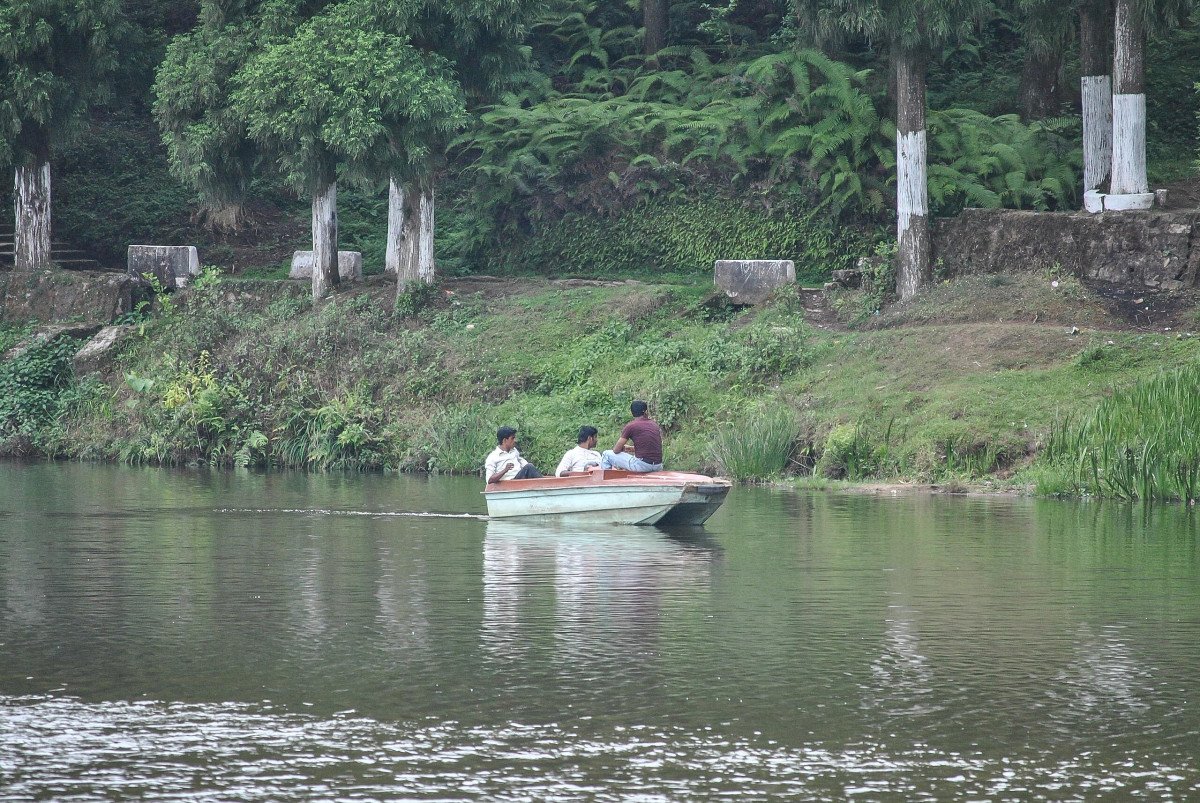
Near the Boating Counter: The area near the boating counter and the main entrance allows for dynamic shots of the colorful boats lined up on the shore or people engaging in the activity on the water. This spot is great for capturing the vibrant tourist life and the sense of activity surrounding the lake.
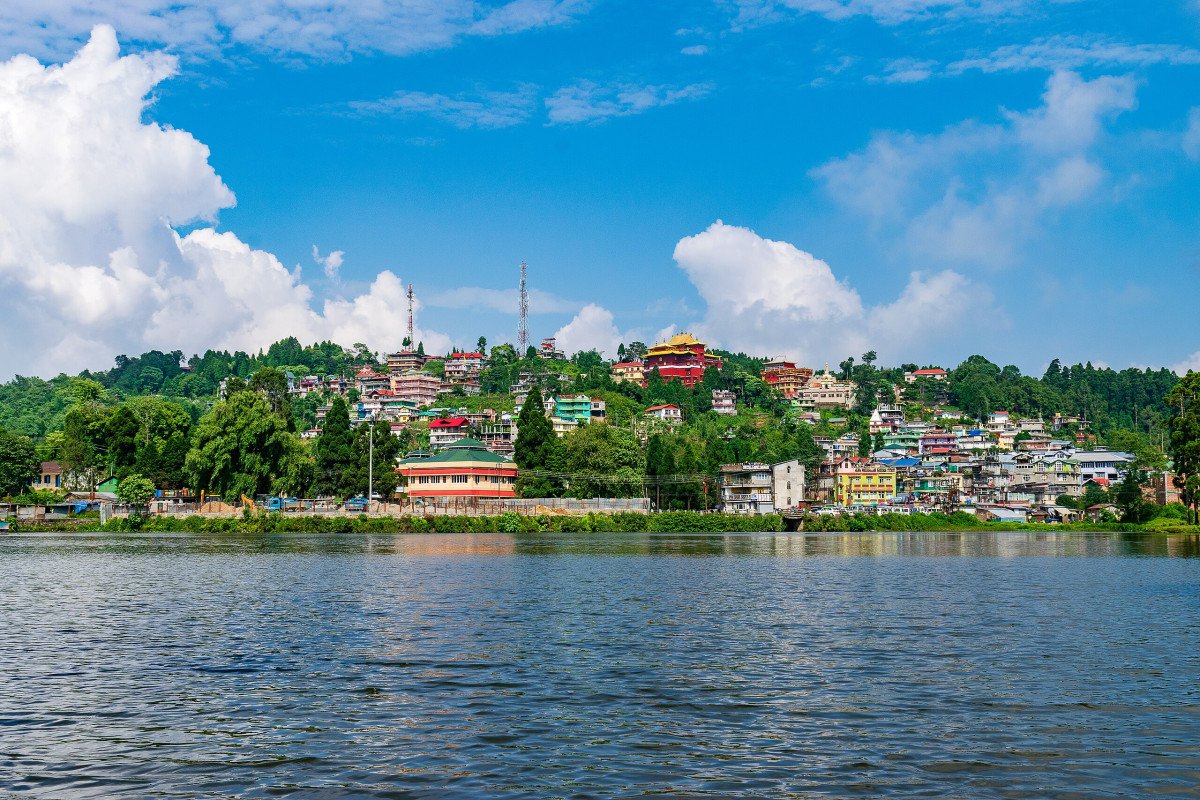
View from Hotel Terraces: For a high-angle, sweeping landscape view, the terraces and balconies of hotels and guesthouses located on the elevated ground overlooking the lake (especially on the southern and eastern sides) offer a fantastic vantage point. This allows for a complete, bird's-eye view of the lake's oval shape, the bridge, and the surrounding town.
Photo Gallery
Things To Do
-
Boating on Sumendu Lake: Boating is the quintessential activity at the lake, offering the best perspective of the Indreni Pull and the surrounding scenery. Visitors can choose between various types of boats, primarily paddle-boats and row-boats. It provides a relaxing way to spend an hour, gently gliding over the calm waters while taking in the views of the forested western bank and the garden eastern bank. Its an ideal activity for couples and families, creating memorable moments on the water.
Horse Riding along the Banks: For a more engaging experience, especially for children and those who prefer land-based activity, pony and horse riding is available along the peripheral 3. 5 km pathway. The ride usually covers a significant portion of the lakeside trail, passing through the beautiful pine forests. This offers a tradi...
Information
-
Why Famous:
Picturesque Himalayan Backdrop: Sumendu Lake is primarily famous for its stunningly picturesque location, set against the backdrop of rolling green hills, dense forests, and the magnificent, snow-covered Mount Kanchenjunga on clear days. This iconic view, where the clear m...Picturesque Himalayan Backdrop: Sumendu Lake is primarily famous for its stunningly picturesque location, set against the backdrop of rolling green hills, dense forests, and the magnificent, snow-covered Mount Kanchenjunga on clear days. This iconic view, where the clear mountain peak is often reflected in the serene lake waters, is a signature landscape of Mirik. This makes it a globally recognized spot for Himalayan photography and scenic beauty. The reflection effect, especially during sunrise and sunset, is a major reason why tourists flock here.
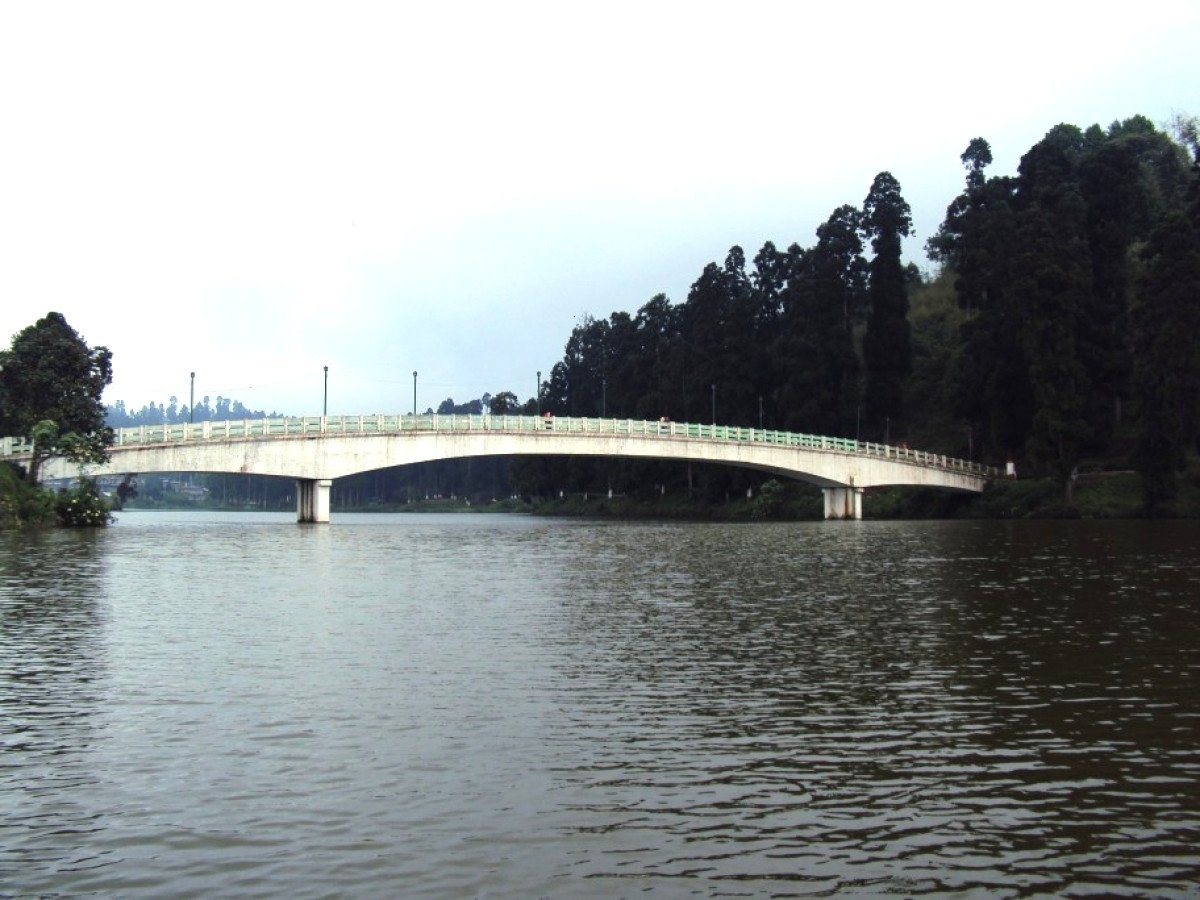
The Iconic Rainbow Bridge: Another major factor contributing to its fame is the unique Indreni Pull (Rainbow Bridge). This graceful arch bridge, spanning the lake, is a distinct architectural feature that has become synonymous with the image of Mirik. It provides a perfect vantage point for viewing the lake and the surrounding landscape, and its central location makes it the geographical and visual heart of the tourist area. Walking over this bridge is considered a must-do experience for all visitors to the town.
Serene Atmosphere and Accessibility: The lakes fame is also cemented by its tranquil and easily accessible nature. Unlike the crowded main attractions in other popular hill stations, Mirik Lake retains a peaceful, unhurried charm. Its proximity to the main town (Mirik Bus Stop is only 1 km away) and the availability of a smooth, encircling pathway ensure that it is easily enjoyed by people of all ages, from families with children enjoying pony rides to elderly visitors taking a relaxing stroll. The blend of adventure (boating) and relaxation (walking/picnicking) makes it universally appealing.
-
Architecture:
The Iconic Indreni Pull:
Structure and Design: The Indreni Pull or Rainbow Bridge is the most significant architectural feature of Sumendu Lake. It is an 80-foot (approximately 24 meters) long arch-shaped footbridge constructed right in the...The Iconic Indreni Pull:
Structure and Design: The Indreni Pull or Rainbow Bridge is the most significant architectural feature of Sumendu Lake. It is an 80-foot (approximately 24 meters) long arch-shaped footbridge constructed right in the middle of the lake.
Its design serves a dual purpose: to connect the two visually and ecologically distinct banks (the forested western side and the open garden eastern side) and to enhance the aesthetic beauty of the entire lake area. The arch shape is a classical structural form that is both load-bearing and visually pleasing, often symbolizing harmony and connection, a fitting metaphor for a bridge named after a rainbow. The bridge is a simple yet elegant concrete and masonry structure, designed to blend seamlessly with the natural backdrop of the pine forests and the expansive water body.
Design Integration with Nature: The architecture around the lake focuses on natural integration rather than imposing man-made structures. The 3. 5-kilometer long peripheral pathway encircling the lake is a key design element. This pathway is constructed using simple, durable materials to withstand the hilly climate and is wide enough for comfortable strolling and pony rides. It is an example of low-impact infrastructure designed to maximize public access and enjoyment of the natural landscape. The use of dense Dhupi (Cryptomeria) trees on the western side acts as a natural, living wall, providing shade and contributing to the cool, fresh air quality around the lake. The eastern side, once a flat polo ground, is now an open garden, ensuring that the view of the lake and the distant mountains remains unobstructed, adhering to a minimalist design philosophy that prioritizes the natural vista. The design facilitates activities like boating and pony riding without disrupting the peaceful environment.
-
How To Reach:
By Air: The nearest airport to Mirik is Bagdogra Airport (IXB), located in Siliguri, approximately 55 to 60 kilometers away.
From Bagdogra to Mirik Lake: Upon arrival at Bagdogra, one must travel to Mirik by road.
Read More -
Near Tourist Places:
Bokar Ngedhon Choekhor Ling Monastery: (1 KM) - Famous Buddhist Monastery.
Devisthan Temple (Singha Devi Mandir): (0. 5 KM) - Temple Complex on the western bank of the lake.
Mirik Bazaar: (1 KM) - The commercial center for local shopping (Northern end of the lake).
Rameetay Dara Viewpoint: (3 KM) - Excellent spot for sunrise/sunset and Kanchenjunga views.
Tingling Viewpoint (Kawlay Dara): (9 KM) - Panoramic view of tea gardens and Mirik Valley.
Thurbo Tea Estate: (2 KM) - Famous for Darjeeling Tea and factory visits (with permission).
Gopaldhara Tea Estate: (Approx. 6 KM) - Another prominent tea garden.
Pashupati Market (Nepal Border): (15 KM) - Indo-Nepal border market for imported goods.
Simana Viewpoint: (15 KM) - Offers views of Maneybhanjan and the Sandakphu trail.
Don Bosco Church: (Approx. 2 KM) - Beautiful Roman Catholic Church.
Tourism Tips
-
Health & Safety:
Altitude Sickness: While Mirik is at a moderate altitude (4,905 feet), which is generally safe for all, visitors should take precautions if they plan a day trip to higher places. Drink plenty of water to stay hydrated.
Reviews
Information about New and Updated Locations(575+) of West Bengal Has Been Added :-
Card subtitle
Note:-
Information provided here in good Faith and for reference only.
All information and pictures will be updated soon, please keep visiting.
Near Places

All India Radio Station Hill
Some quick example text to build on the card title and make up the bulk of the card's content.
Go somewhere
Bokar Institute Library
Some quick example text to build on the card title and make up the bulk of the card's content.
Go somewhere
Bokar Ngedon Chokhor Ling Monastery
Some quick example text to build on the card title and make up the bulk of the card's content.
Go somewhere
Bunkulung
Some quick example text to build on the card title and make up the bulk of the card's content.
Go somewhere
Deosi Dara
Some quick example text to build on the card title and make up the bulk of the card's content.
Go somewhere
Devi Stan Mandir
Some quick example text to build on the card title and make up the bulk of the card's content.
Go somewhere
Gopaldhara Tea Estate
Some quick example text to build on the card title and make up the bulk of the card's content.
Go somewhere
Indreni Pull
Some quick example text to build on the card title and make up the bulk of the card's content.
Go somewhere
Manju Picnic Spot
Some quick example text to build on the card title and make up the bulk of the card's content.
Go somewhere
Mirik Bazaar
Some quick example text to build on the card title and make up the bulk of the card's content.
Go somewherein Other Cities