
...

FAQs On Tinchuley

Darjeeling, West Bengal, India
Tinchuley is a small, off-the-beaten-path eco-tourism village that has recently gained popularity as a tranquil and serene retreat. The name "Tinchuley" means "three chullas" or "three ovens," referring to the three prominent hilltops that resemble traditional cooking ovens. The village is situated at an altitude of approximately 5,800 feet and is surrounded by lush green tea gardens, dense forests of silver fir, hemlock, and magnolia, and offers stunning views of the majestic Mount Kanchenjunga on a clear day. Tinchuley is a great example of a community-based eco-tourism initiative, where the local youth have organized themselves to provide tourists with a unique and authentic experience. The village is a great place to learn about the local culture and tradition, with a number of homestays and lodges that offer a unique and authentic experience. The peaceful and less-crowded atmosphere makes it a perfect destination for those seeking a quiet and relaxing vacation. The village is also a great place for nature lovers and bird watchers, with a variety of bird species and other wildlife in the surrounding forests. The tranquil environment, combined with the natural beauty, makes it a perfect place to relax and unwind.

Ans:- Tinchuley is a small, offbeat mountain village located about 32 km from Darjeeling and 3 km from Lamahatta. It is situated at an elevation of around 5,800 ft and is known for its spectacular views and serene environment.

Ans:- The name Tinchuley is derived from the Nepali words "tin" (three) and "chula" (ovens). It refers to the three prominent hilltops that resemble traditional mud ovens, which can be seen from the village.

Ans:- The main attraction is the panoramic view of the snow-capped Himalayan range, including Mount Kanchenjunga, Sikkim, and the Teesta River valley. The village's tranquility, organic farming, and the simple way of life are also a major draw for tourists.

Ans:- The most popular viewpoint is the Tinchuley View Point, also known as the Gumbadara Viewpoint, which offers a 360-degree view of the majestic mountains, the Teesta and Rangit rivers, and the surrounding valleys.

Ans:- Activities in Tinchuley are focused on nature and tranquility. You can go for nature walks, trek to the Tinchuley View Point for a sunrise or sunset view, visit the local orange orchards, or simply relax and enjoy the peaceful surroundings.

Ans:- The best way to get to Tinchuley is by hiring a private taxi from Darjeeling or Kalimpong. The journey is scenic and takes about 1.5 to 2 hours from Darjeeling.

Ans:- Tinchuley primarily offers homestays that provide a rustic and authentic local experience. The hosts are very hospitable, and the homestays offer simple, clean rooms and delicious homemade food.

Ans:- Yes, the area is rich in birdlife. The dense forests and the tranquil environment make it a great place for bird watchers. You can spot a variety of Himalayan birds in the region.

Ans:- The best time to visit is from October to May. The months of October and November are ideal for clear views of the mountains. March and April are also beautiful when the rhododendrons and other flowers are in bloom.

Ans:- The Tinchuley Organic Tea Garden is a local attraction where you can learn about the process of organic tea farming. You can also buy fresh, local tea leaves directly from the source.

Ans:- Yes, Tinchuley is an excellent place for a quiet and relaxing family holiday. The tranquil environment, the fresh mountain air, and the scenic beauty make it a perfect retreat for all age groups.

Ans:- From Tinchuley, you can easily visit Lamahatta, a beautiful eco-park, and Takdah, known for its British-era bungalows and orchid center. The Teesta Valley is also a short drive away.

Ans:- The food served at the homestays is typically local Nepali and Indian cuisine, made from fresh, locally sourced ingredients. It is simple, homely, and very delicious.

Ans:- The weather in Tinchuley is generally cool and pleasant. It can get very cold during the winter months, from December to February, and it is advisable to carry warm clothing.

Ans:- Yes, Tinchuley is considered an offbeat destination. It is less crowded than Darjeeling and Kalimpong, which makes it a perfect escape for those seeking peace and quiet amidst nature. ###

Ans:- Absolutely. Tinchuley is an excellent destination for families looking for a peaceful getaway away from the crowds. Children can enjoy the open spaces and nature walks, while the safe and friendly environment of the homestays makes it ideal for travelers of all ages.

Ans:- Facilities are very limited in the village. There are no ATMs, so it is essential to carry enough cash for your stay and transport. For medical emergencies, there are basic clinics nearby, but the nearest major hospital is in Darjeeling or Kalimpong.

Ans:- In Tinchuley, you will mostly find traditional Nepali and local mountain cuisine. Homestays typically serve fresh, organic vegetables grown in the village, along with dal, bhat (rice), momos, and "chhurpi" (local cheese). The food is simple, healthy, and very flavorful.

Ans:- The best time to visit is from October to May. During the winter months (October to December), the orange orchards are in full bloom with ripe fruit, and the skies are clear for mountain views. Spring (March to May) brings beautiful flowers and pleasant weather.

Ans:- The word Tinchuley translates to "Three Ovens" in the local language ("Tin" means three and "Chuley" means oven). The name comes from the three prominent hilltops that surround the village, which resemble traditional mud ovens when viewed from a distance.

Ans:- Tinchuley can be reached by hiring a private taxi from Darjeeling, Siliguri, or Kalimpong. While shared jeeps run to nearby areas, they are less frequent. Most tourists prefer a private vehicle for convenience, especially since the roads are winding and steep in some sections.

Ans:- Tinchuley is a quiet, offbeat village located about 32 kilometers from Darjeeling town. It takes roughly 1.5 to 2 hours to reach by car. It sits at an altitude of about 5,800 feet and offers a more serene, rural experience compared to the busy Darjeeling center.

Ans:- Tinchuley is famous for its cozy homestays rather than large hotels. Staying in a homestay allows visitors to experience local hospitality, enjoy home-cooked organic meals, and learn about the lifestyle of the village people in a tranquil and intimate setting.

Ans:- Tinchuley is famous for its eco-tourism, orange orchards, and the Tinchuley Sunrise Point. It offers breathtaking views of the Teesta Valley and the Himalayan peaks. It is also known as a "model village" supported by the WWF for its sustainable organic farming and floriculture.

Ans:- Tourists can enjoy nature walks through pine forests, visit orange orchards (in season), explore tea gardens like Rungli Rungliot, and go bird watching. The village is also great for short treks to viewpoints like Gumbadara or the confluence of the Teesta and Rangeet rivers.

Ans:- Yes, Kanchenjunga is visible from several spots in and around the village, including the Tinchuley Sunrise Point. The view is spectacular because you can see the snow-clad mountains towering over the green Teesta Valley and the hills of Kalimpong and Sikkim.

Ans:- Yes, the Gumbadara Rock area near Tinchuley contains several natural caves. These caves have historical significance and legends associated with them, including stories of monks using them for shelter and meditation in the past. It is a popular spot for light trekking.

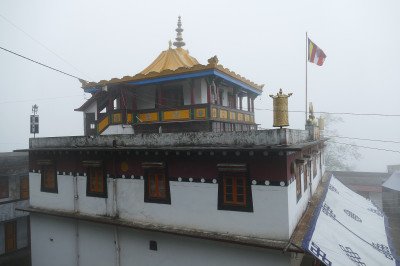
Ans:- Yes, the Tinchuley Monastery is a significant attraction. It is a peaceful place of worship where, according to local legend, a group of monks once meditated for 17 years. It provides a spiritual atmosphere and beautiful views of the surrounding hills and valleys.

Ans:- Yes, Tinchuley is surrounded by some of the most famous tea estates in the region, such as Rungli Rungliot and Peshok. Visitors can take a walk through the manicured tea bushes and sometimes visit the factories to see how Darjeeling tea is processed.

Ans:- You should pack warm clothes, as it can get chilly in the evenings and mornings. Comfortable walking shoes are a must for exploring the village paths and orchards. Also, carry a camera, binoculars for bird watching, and any personal medicines you might need.

Other Places In Darjeeling :-

Information about New and Updated Locations() of West Bengal Has Been Added :-
Card subtitle

Note:-

Information provided here in good Faith and for reference only.

Near Places
...
Aloobari Monastery

Some quick example text to build on the card title and make up the bulk of the card's content.

Go somewhere
...
Badamtam Tea Estate

Some quick example text to build on the card title and make up the bulk of the card's content.

Go somewhere
...
Batasia Loop

Some quick example text to build on the card title and make up the bulk of the card's content.

Go somewhere
...
Bengal Natural History Museum

Some quick example text to build on the card title and make up the bulk of the card's content.

Go somewhere
...
Bhutia Busty Monastery

Some quick example text to build on the card title and make up the bulk of the card's content.

Go somewhere
...
Bijanbari

Some quick example text to build on the card title and make up the bulk of the card's content.

Go somewhere
...
Chauk Bazaar

Some quick example text to build on the card title and make up the bulk of the card's content.

Go somewhere
...
Chota Mangwa

Some quick example text to build on the card title and make up the bulk of the card's content.

Go somewhere
...
Chowrasta & The Mall

Some quick example text to build on the card title and make up the bulk of the card's content.

Go somewhere
...
Dali Monastery

Some quick example text to build on the card title and make up the bulk of the card's content.

Go somewhere
...
Darjeeling Clock Tower

Some quick example text to build on the card title and make up the bulk of the card's content.

Go somewhere
...
Darjeeling Himalayan Railway

Some quick example text to build on the card title and make up the bulk of the card's content.

Go somewhere
...
Darjeeling Ropeway

Some quick example text to build on the card title and make up the bulk of the card's content.

Go somewhere
...
Dawaipani

Some quick example text to build on the card title and make up the bulk of the card's content.

Go somewhere
...
Dhirdham Temple

Some quick example text to build on the card title and make up the bulk of the card's content.

Go somewhere
...
Ghoom Monastery

Some quick example text to build on the card title and make up the bulk of the card's content.

Go somewhere
in Other Cities