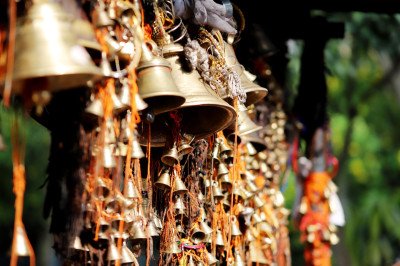

Tukeswari Temple
General information
-
Ideal Duration:
1. 5 to 2. 5 hours (Ideal for a spiritual visit and enjoying the scenic views)Place Type:
Religious, Pilgrimage Site, Temple, Hilltop ViewpoEntry Fees:
No Formal Entry Fee Structure : As a place of worship and a significant religious site, the Tukeswari Temple does not levy any formal entry fee for visitors or devotees. The spiritual nature of the destination ensures that access is generally free and open to all, irrespect...No Formal Entry Fee Structure : As a place of worship and a significant religious site, the Tukeswari Temple does not levy any formal entry fee for visitors or devotees. The spiritual nature of the destination ensures that access is generally free and open to all, irrespective of religion, as is the custom in most Hindu temples in India. This policy encourages a large number of pilgrims and tourists to visit the revered site throughout the year without financial constraints.
Voluntary Donations and Offerings : While there is no mandatory fee, devotees are welcome to make voluntary cash donations towards the maintenance, upkeep, and running of the temple and its associated activities. Designated donation boxes (daan peti) are often placed within the complex. Visitors may also purchase items for religious offerings, such as flowers, prasad, or oil/ghee for lamps, from vendors near the entrance. These contributions are purely voluntary and based on the individual's devotion and financial capacity.
Charges for Specific Rituals or Services : In some cases, if a devotee wishes to commission a special puja (prayer ritual) or yagna (fire sacrifice) specifically for their family, the temple priests may charge a fee for the samagri (materials) and the service. These are charges for a specific religious service, not an entry fee. Similarly, fees may apply for ceremonies like weddings or annaprashan (first rice-eating ceremony) if conducted at the temple premises. The core experience of visiting and offering silent prayers remains completely free. ()Timing:
Regular Temple Timings : The Tukeswari Temple generally operates with a schedule typical of an active place of worship. It usually opens early in the morning (around 6:00 AM or 7:00 AM) to allow for the morning aarti and daily rituals. It remains open throughout the day, t...Regular Temple Timings : The Tukeswari Temple generally operates with a schedule typical of an active place of worship. It usually opens early in the morning (around 6:00 AM or 7:00 AM) to allow for the morning aarti and daily rituals. It remains open throughout the day, typically closing in the late evening (around 5:00 PM to 7:00 PM), depending on the season and the daily cycle of worship. Visitors should note that the temple might close briefly during the midday hours for the deity's rest (bhog or vishram). It's best to confirm the exact closing time with local sources before a late afternoon visit, especially for the main hilltop shrine.
Ideal Visit Time - Early Morning Peace : The ideal time to visit the Tukeswari Temple is in the early morning, soon after it opens. The morning light is soft, perfect for photography, and the environment is at its most peaceful and cool. An early visit also allows one to witness the important morning puja and aarti. This time is also when the temple is least crowded on regular days, offering a more serene and deeply spiritual experience. Additionally, the Assamese Macaques are often most active and visible during the morning feeding times.
Ideal Visit Time - Late Afternoon Scenic Views : Alternatively, visiting in the late afternoon (around 3:00 PM to 4:00 PM) is highly recommended, as the setting sun casts a beautiful glow over the landscape. The climb is less strenuous than midday, and the views from the hilltop at sunset are spectacular. However, visitors must ensure they start their descent well before dark, given the remote, forested nature of the hill.
Festival Timings : During major festivals like Durga Puja or Shivaratri, the temple might have extended or special timings, often remaining open late into the night for specific rituals. These periods will be very crowded, so patience is advised. ()Special Events:
Annual Durga Puja Festival : The most important special event at Tukeswari Temple is the annual celebration of Durga Puja, which typically falls during the Hindu calendar month of Ashwin (usually September or October). During this period, the temple complex and the surround...Annual Durga Puja Festival : The most important special event at Tukeswari Temple is the annual celebration of Durga Puja, which typically falls during the Hindu calendar month of Ashwin (usually September or October). During this period, the temple complex and the surrounding hill area come alive with immense fervor, decorations, and a massive influx of devotees. Special, elaborate rituals (pujas) dedicated to Goddess Tukeswari (a form of Durga or Shakti) are performed by the priests for all ten days of the festival. The atmosphere is festive, with the temple decorated with lights, flowers, and colorful fabric.
Navaratri and Vijayadashami Celebrations : The nine nights of Navaratri preceding the main Durga Puja day are marked by continuous chanting (bhajans) and reading of sacred texts. On Maha Ashtami and Maha Navami, the temple sees the highest crowds for special worship and, traditionally, animal sacrifices (or symbolic rituals) as an offering to Shakti. The festival culminates on Vijayadashami. This season is the peak time for pilgrims, who come to seek prosperity and to witness the grand scale of the devotion.
Maha Shivaratri : Given the presence of a Lord Shiva shrine within the complex, Maha Shivaratri (usually in February or March) is another significant special event. Devotees of Shiva gather to perform rituals, fast, and offer special prayers (abhishekam) to the Shivalinga. The night is spent in vigil (jagarana) and is marked by devotional songs, making it a very important religious time for the local community. ()Best Photo Spots:
The Apex of the Hill near the Main Shrine : The best spot for a truly spectacular photograph is from the very top of Tukeswari Hill, right next to the main temple. This vantage point offers an unobstructed 180-degree view of the expansive plains, the dense green canopy of t...The Apex of the Hill near the Main Shrine : The best spot for a truly spectacular photograph is from the very top of Tukeswari Hill, right next to the main temple. This vantage point offers an unobstructed 180-degree view of the expansive plains, the dense green canopy of the surrounding forests, and the distant horizon. Photos taken here capture the breathtaking natural beauty alongside the spiritual serenity of the high-altitude temple. The best time is during sunrise or sunset for stunning light and color.
The Steep Temple Staircase : The long, steep flight of stairs leading up to the main temple is an excellent photographic subject. It not only represents the pilgrimage journey but also creates a dramatic visual leading the eye upwards. Photos can be taken from the base, looking up at the ascent, or from an intermediate landing, looking down or across. Capturing devotees climbing or descending adds a powerful human and spiritual element to the composition, symbolizing devotion and effort.
Interaction with the Assamese Macaques : The resident Assamese Macaques provide unique wildlife photography opportunities. Shots of the monkeys grooming each other on the stone walls, patiently waiting for prasad on the railings, or playfully interacting with visitors make for memorable and characteristic photos of the temple. Candid shots of the macaques and the natural setting, especially with the temple architecture in the background, highlight the site's unique cultural-ecological blend.
The Shiva Shrine and Temple Architecture : Focus on the architectural details of both the main Tukeswari temple and the Shiva shrine. Capturing the simplicity of the structure against the rough, rocky backdrop of the hill, or focusing on the religious symbols, bells, and colorful flags, adds depth. Photos taken from the outside, showing the temple nestled among the large boulders and trees, emphasize its secluded and ancient nature. The overall stone architecture makes for a rugged backdrop. ()Photo Gallery
Things To Do
-
Offer Prayers and Seek Blessings from Goddess Tukeswari : The primary activity is performing the traditional Hindu rituals. Devotees should climb the steps to the main shrine, where they can offer flowers, incense, and prasad to the Goddess Tukeswari. Taking a moment for quiet meditation or prayer within the sanctum sanctorum is a deeply spiritual experience. Participating in the aarti (light ceremony) if the timing aligns can be particularly moving. The atmosphere is charged with devotional energy, providing a true sense of peace and connection.
Pay Homage at the Lord Shiva Temple : Adjacent to or within the complex is a shrine dedicated to Lord Shiva. Since the site is linked to the Sati legend, the worship of Shiva, the consort of Sati, is an essential part of the pilgrimage. Visitors should ensure they offer prayers at the Shiva temple as well...Offer Prayers and Seek Blessings from Goddess Tukeswari : The primary activity is performing the traditional Hindu rituals. Devotees should climb the steps to the main shrine, where they can offer flowers, incense, and prasad to the Goddess Tukeswari. Taking a moment for quiet meditation or prayer within the sanctum sanctorum is a deeply spiritual experience. Participating in the aarti (light ceremony) if the timing aligns can be particularly moving. The atmosphere is charged with devotional energy, providing a true sense of peace and connection.
Pay Homage at the Lord Shiva Temple : Adjacent to or within the complex is a shrine dedicated to Lord Shiva. Since the site is linked to the Sati legend, the worship of Shiva, the consort of Sati, is an essential part of the pilgrimage. Visitors should ensure they offer prayers at the Shiva temple as well, completing the dual-worship custom of the Shakti Peeth sites. This step completes the traditional pilgrimage circuit at Tukeswari.
Enjoy Panoramic View from the Hilltop : After the worship, spend time on the hilltop viewing points. The temple's location offers an unmatched, sweeping vista of the plains of Goalpara district, the surrounding green forests, and the distant landscape. This is a perfect spot for relaxation, photography, and taking in the fresh air. The serene and elevated perspective is one of the main rewards of the climb.
Observe and Interact with the Assamese Macaques : The monkeys are a famous feature. Visitors can observe their playful antics and social dynamics. It is common practice to offer them small portions of the prasad (food offerings), though visitors must be cautious and avoid feeding them non-natural or harmful food items. Keep belongings secure as the macaques are known to be mischievous and opportunistic. Observing the "King of the Macaques" and his troop is a unique cultural and wildlife viewing activity. Nature Walk and Photography around Tukeswari Hill : The hill is covered by a beautiful semi-deciduous forest. Taking a leisurely walk around the designated paths of the temple complex and the lower slopes allows one to appreciate the natural beauty. The environment is rich with regional flora and is an excellent place for nature photography—capturing the unique forest landscape, the rock formations, and the vibrant birdlife.
Attend Temple Festivals and Special Rituals : If the visit coincides with a major Hindu festival, particularly Durga Puja (in September-October) or Shivaratri, one can experience the temple at its most vibrant. Attending the special rituals, communal feasts, and cultural performances organized during these times offers a deeper insight into the local religious culture and is a memorable event.
Explore the Lower Temple (Accessible Shrine) : If you are short on time or unable to climb the main stairs, or simply wish to see the entire complex, visit the accessible temple structure at the base or on the lower slopes. It offers a quieter, more relaxed spiritual experience and highlights the community's efforts to make the sacred site inclusive. ()
Information
-
Why Famous:
Mythological Significance as a Shakti Spot : The foremost reason for the fame of Tukeswari Temple is its deep connection to Hindu mythology, particularly the legend of Goddess Sati. It is revered as a site where a Tukura (fragment/piece) of her body is said to have landed d...Mythological Significance as a Shakti Spot : The foremost reason for the fame of Tukeswari Temple is its deep connection to Hindu mythology, particularly the legend of Goddess Sati. It is revered as a site where a Tukura (fragment/piece) of her body is said to have landed during Lord Shiva's cosmic dance of sorrow (Tandava). This makes it a sacred site linked to the powerful Shakti cult, attracting a significant number of pilgrims who seek the Goddess's blessings and divine energy. The belief solidifies its status as a pilgrimage destination, often referred to as a minor Shakti Peeth. The twin presence of shrines for both Shakti (Tukeswari) and Shiva also holds great religious appeal for devotees of both sects.
Scenic Hilltop Location and Tranquility : Beyond its religious importance, the temple is famous for its breathtaking location atop Tukeswari Hill. The elevation provides panoramic and gorgeous views of the surrounding plains and forests, making it a popular spot for nature lovers and photographers. The journey up the hill, often involving climbing steps, is rewarding, offering a peaceful and calm environment far removed from the bustle of the city. The tranquil ambiance enhances the spiritual experience, drawing people looking for solace and a peaceful retreat.
Unique Symbiosis with Assamese Macaques : A distinctive feature that adds to its fame is the presence of a large, semi-wild population of Assamese Macaques on the hill. These monkeys are considered sacred by the locals and are a notable feature of the temple. They have adapted to the temple environment, and visitors often interact with them through offerings of prasad (food). This unique blend of religious worship and the presence of revered wildlife makes the temple experience unlike other shrines, attracting visitors interested in this ecological and cultural interaction. () -
Architecture:
Hilltop Temple Design : The architecture of Tukeswari Temple follows a relatively simple, yet historically significant, North Indian Hindu temple style, adapted to the hilly terrain. The main shrine is strategically perched on a large boulder at the hilltop, signifying the ...Hilltop Temple Design : The architecture of Tukeswari Temple follows a relatively simple, yet historically significant, North Indian Hindu temple style, adapted to the hilly terrain. The main shrine is strategically perched on a large boulder at the hilltop, signifying the spot where the body fragment of Goddess Sati is believed to have fallen. The construction involves a main shrine for Goddess Tukeswari and a secondary, distinct shrine for Lord Shiva, common in Shakti Peeth related sites. The temple's structure is primarily made of masonry, likely stone and brick, with some later renovations and additions using modern materials. Access to the main hilltop shrine involves a series of steep staircases, which are a prominent feature of the structure, transforming the ascent into a meditative and physically demanding act of devotion.
Architectural Dimensions and Features : While specific, verifiable architectural dimensions (like the Garbagriha or sanctum size) are not widely published for this regional temple, the overall complex is characterized by its tiered structure due to the hill. The main shrines are relatively modest in size compared to grander plains temples, focusing more on the sacred spot. A newer, more accessible temple structure is sometimes mentioned at the base or lower reaches of the hill, built to accommodate devotees who cannot manage the steep climb to the original hilltop shrine. The temple structure itself typically features a simple shikhara (spire) or dome over the main sanctum, reflecting regional Assamese temple architecture influences. The use of local materials and its placement amidst large boulders integrate the structure closely with the natural landscape. The functional design prioritizes the pilgrimage experience, providing platforms and open spaces for prayer and viewing the surroundings. () -
How To Reach:
By Road - Most Convenient Access : The Tukeswari Temple is located near National Highway 37 (NH 37), making road transport the most direct and convenient option. From Goalpara town, the temple is about 15 to 25 KMS away. You can hire a private taxi or cab from the city cen...By Road - Most Convenient Access : The Tukeswari Temple is located near National Highway 37 (NH 37), making road transport the most direct and convenient option. From Goalpara town, the temple is about 15 to 25 KMS away. You can hire a private taxi or cab from the city center, which provides a comfortable and direct journey. Alternatively, local auto-rickshaws or shared transport can be hired from the main bus stand or taxi points, though you may need to negotiate the fare for the round trip. The road journey is scenic, passing through local villages and forests. The road is generally well-maintained up to the base of the hill, from where the ascent to the temple complex begins.
By Train - Nearest Railhead : The nearest major railway station is Goalpara Town Railway Station (GLPT), which is about 3 KMS from the Goalpara city center. This station is well-connected to major cities in Assam like Guwahati and Bongaigaon, as well as other parts of India like Kolkata and New Jalpaiguri. From the Goalpara Town Railway Station, you can easily hire a taxi, local cab, or auto-rickshaw to cover the approximately 18-28 KMS journey to the Tukeswari Temple site.
By Air - Nearest Airport : The nearest airport is the Lokpriya Gopinath Bordoloi International Airport (GAU) in Guwahati, which is approximately 130 to 140 KMS from Goalpara town. Guwahati Airport is a major hub with flights connecting to all major Indian cities like Delhi, Mumbai, and Kolkata. From the airport, the journey to Goalpara can be covered by hiring a prepaid taxi or taking an inter-city bus service to the Goalpara Bus Station. Once in Goalpara, follow the road transport options mentioned above to reach the temple.
By Local Transport - The Final Ascent : Once you reach the base of the Tukeswari Hill, the final part of the journey to the main shrine involves a climb. While some vehicles might be able to reach a parking area near the lower temple structure, the principal, most sacred shrine atop the boulder is only accessible by climbing a long flight of steep stairs. This final stretch is a spiritual walk and requires physical effort. Local auto-rickshaws and cycle-rickshaws operate within Goalpara town, but for the distance to the temple, a motorized vehicle is necessary. () -
Weather and Best Time to Visit:
Winter Season - The Most Favorable Time : The best time to visit the Tukeswari Temple and Goalpara district is during the winter season, which spans from October to February. During these months, the weather is pleasantly cool and dry, with temperatures ranging comfortably ...Winter Season - The Most Favorable Time : The best time to visit the Tukeswari Temple and Goalpara district is during the winter season, which spans from October to February. During these months, the weather is pleasantly cool and dry, with temperatures ranging comfortably between approximately 12Rs.C and 25Rs.C. This temperate climate makes the climb up the Tukeswari Hill much more comfortable and enjoyable for all age groups. The skies are generally clear in winter, offering the best conditions for enjoying the panoramic views from the hilltop.
Summer Season - Avoid High Humidity : The summer months, from March to June, are characterized by high temperatures and high humidity in Assam. The heat can make the ascent to the temple very tiring and uncomfortable. While the temple remains open, tourists generally avoid this season unless it coincides with a specific event or holiday. April and May are particularly hot.
Monsoon Season - Lush Greenery and Rain : The monsoon season, typically from July to September, brings heavy rainfall to the region. The rain transforms the hill and surrounding forest into a lush green paradise, making the scenery exceptionally beautiful and vibrant. However, the heavy downpour and muddy paths can make the climb slippery and potentially hazardous. If you choose to visit during this time, be prepared with appropriate rain gear and footwear, and be cautious of slippery steps. Best Part of the Day - Early Morning and Late Afternoon : As noted in the timings, the ideal parts of the day are the early morning (post-sunrise) for the freshest air, serenity, and to witness the morning rituals, and the late afternoon (pre-sunset) for the stunning, golden-hour views and a more relaxed ascent. Midday should be avoided to escape the direct, harsh sun and heat, especially in the pre-monsoon and summer months. () -
Near Tourist Places:
Surya Pahar: (Historical/Archaeological Site) - Approx. 10-12 KMS
Nandeswar Devalaya: (Ancient Temple) - Approx. 20-25 KMS
Buraburi Than: (Religious Site on Brahmaputra Bank) - Approx. 15-20 KMS
Dadan Hillock: (Historical Site/Shiva Temple) - Approx. 20-25 KMS
Sri Sri Shyamrai Satra: (Vaishnava Cultural Centre) - Approx. 15-20 KMS
Joybhum Kamakhya Temple: (Shakti Peeth) - Approx. 45-50 KMS
Kumri Beel Lake: (Scenic Lake/Birdwatching) - Approx. 25-30 KMS
Pir Majhar: (Sufi Shrine) - Approx. 20-25 KMS
Urpad Beel: (Wetland/Bird Sanctuary) - Approx. 40-45 KMS
Kokrajhar: (Town/Gateway to Chakrashila Wildlife Sanctuary) - Approx. 70 KMS
Tourism Tips
-
Health & Safety - Preparing for the Climb : The most important safety tip is to prepare for the steep climb up the hill. Wear comfortable walking shoes with good grip, as the stairs can be uneven or slippery. Carry a bottle of water to stay hydrated, especially if visiting...Health & Safety - Preparing for the Climb : The most important safety tip is to prepare for the steep climb up the hill. Wear comfortable walking shoes with good grip, as the stairs can be uneven or slippery. Carry a bottle of water to stay hydrated, especially if visiting during the warmer hours. If you have knee issues or heart conditions, exercise caution or opt to visit the lower, accessible shrine only. Be mindful of the monkeys; do not antagonize them, avoid direct eye contact, and secure all belongings (phones, glasses, bags) as they are known to snatch items, particularly food.
Packing - Essentials to Carry : For a comfortable trip, pack light cotton clothing for summers and light woolens for winters and early mornings. Essential items include sunscreen, a hat or cap, sunglasses, and a small first-aid kit. For the monsoon, carry a raincoat or umbrella. If you plan on offering puja, you may want to carry your own small offerings, though these are available locally. A camera is a must for the excellent views, but be prepared to keep it secure from the macaques.
Accommodation - Staying in Goalpara : Since Tukeswari is a short drive away, the best option is to secure accommodation in Goalpara town. Options include a few budget and mid-range hotels, guesthouses, and lodges. Booking in advance is highly recommended, particularly if your visit coincides with the Durga Puja festival, as lodgings can fill up quickly. For a wider range of options, consider staying in Guwahati and planning a day trip to Goalpara.
Other Topics - Respecting Local Customs : Remember that Tukeswari Temple is an active place of worship. Dress modestly, covering your shoulders and legs, as a sign of respect. Maintain silence or speak softly inside the main temple area. Always seek permission before photographing people, especially priests or devotees performing rituals. Follow the instructions of the temple staff and priests. Carry a small amount of cash for offerings or small purchases from local vendors. Check local transport availability for the return journey before heading up the hill, as services might be infrequent in the late hours. ()
Reviews
FAQs
Goalpara Itineray And Cost:-
Tukeswari Temple Tourism:-
Information about New and Updated Locations() of Assam Has Been Added :-
Card subtitle
Note:-
Information provided here in good Faith and for reference only.
All information and pictures will be updated soon, please keep visiting.
Near Places
Baijuri Waterfall
Some quick example text to build on the card title and make up the bulk of the card's content.
Go somewhere

Buraburi Than
Some quick example text to build on the card title and make up the bulk of the card's content.
Go somewhere

Dadan Hill
Some quick example text to build on the card title and make up the bulk of the card's content.
Go somewhere

Goalpara River View
Some quick example text to build on the card title and make up the bulk of the card's content.
Go somewhere
Hulukunda Pahar
Some quick example text to build on the card title and make up the bulk of the card's content.
Go somewhere
Joybhum Kamakhya Temple
Some quick example text to build on the card title and make up the bulk of the card's content.
Go somewhere
Kumri Beel Lake
Some quick example text to build on the card title and make up the bulk of the card's content.
Go somewhere
Nalonga Waterfalls
Some quick example text to build on the card title and make up the bulk of the card's content.
Go somewhereNandeswar Devalaya
Some quick example text to build on the card title and make up the bulk of the card's content.
Go somewhere

Pir Majhar
Some quick example text to build on the card title and make up the bulk of the card's content.
Go somewherein Other Cities
