Gauri Shankar Mahadev Temple
General information
-
Ideal Duration:
30 minutes to 1 hour:Place Type:
Religious/Spiritual, Temple:Entry Fees:
Entry Fee Status: There is No Entry Fee to visit the Gauri Shankar Mahadev Temple. It is a publicly accessible place of worship for all devotees and tourists.
Donations and Offerings: The only costs incurred are entirely voluntary donations...Entry Fee Status: There is No Entry Fee to visit the Gauri Shankar Mahadev Temple. It is a publicly accessible place of worship for all devotees and tourists.
Donations and Offerings: The only costs incurred are entirely voluntary donations to the temple trust or the purchase of offerings (Puja Samagri) like milk, flowers, Bel leaves, and incense sticks from the nearby vendors, which are usually minimal (ranging from Rs.10 to Rs.50).
Ropeway Cost: The primary associated cost is the ticket for the Chandi Devi ropeway, which is a separate entity and usually costs around Rs.250 to Rs.300 for a round trip. The temple itself maintains a tradition of free access.
Accessibility: The policy of No Entry Fee ensures that all people, regardless of economic status, can seek the blessings of Lord Shiva and Goddess Parvati. The temple relies on the goodwill and voluntary contributions of pilgrims for its maintenance and running costs.
Cost for Parking: If arriving by private vehicle, there may be a nominal paid parking fee in the designated areas near the ropeway base or main road, but the temple entry remains free: End.Timing:
Regular Timings: The temple generally opens early, around 6:00 AM, and remains open until approximately 8:00 PM (with slight variations for summer and winter).
Ideal Visit Time: The Ideal Visit Time is during the early morning hours, from 6:...Regular Timings: The temple generally opens early, around 6:00 AM, and remains open until approximately 8:00 PM (with slight variations for summer and winter).
Ideal Visit Time: The Ideal Visit Time is during the early morning hours, from 6:00 AM to 8:00 AM, when the air is cool, the temple is less crowded, and the atmosphere is most serene. This is also a good time to witness the morning Aarti. A late afternoon visit (around 4:00 PM to 6:00 PM) is also pleasant.
Aarti Timings: Morning Aarti is generally around 6:30 AM; Evening Aarti is around 7:30 PM (confirm locally as times shift with the season and sunset).
Visit During Festivals: During Maha Shivaratri or the Shravan month, the temple remains open much longer, often all night, to accommodate the vast number of devotees and the special ritual ceremonies: End.Special Events:
Maha Shivaratri Celebrations: The most significant annual event is Maha Shivaratri (February–March). The temple organizes special Pujas, all-night chanting (Jaagran), and grand Abhishekams (ritual bathing of the Shivlingam), attracting a large crowd of Shiva devotees. Th...Maha Shivaratri Celebrations: The most significant annual event is Maha Shivaratri (February–March). The temple organizes special Pujas, all-night chanting (Jaagran), and grand Abhishekams (ritual bathing of the Shivlingam), attracting a large crowd of Shiva devotees. The atmosphere is highly devotional and energetic.
Shravan Month: The entire holy month of Shravan (July–August), dedicated to Lord Shiva, sees a huge influx of pilgrims (Kanwariyas) who bring holy Ganga Jal from Har Ki Pauri to offer here. The temple is especially decorated, and special rituals are performed daily during this Monsoon period, making it vibrant with activity and prayer.
Gauri Puja (Teej): Festivals related to Goddess Parvati and her union with Shiva, such as Hariyali Teej or Kajal Teej (July–August), are celebrated with special Pujas and decorations, drawing female devotees to pray for marital bliss and well-being.
Regular Shiv Aarti: Though not a festival, the daily morning and evening Aarti is a special, regular event that provides a devotional cadence to the temple's life: End.Best Photo Spots:
Temple Archway with Shivaliks: The main entrance archway, framed by the temple's flags and the green lower slopes of the Shivalik range in the background, provides a serene and classic pilgrimage photo.
Shivlingam Darshan: A respectful photo...Temple Archway with Shivaliks: The main entrance archway, framed by the temple's flags and the green lower slopes of the Shivalik range in the background, provides a serene and classic pilgrimage photo.
Shivlingam Darshan: A respectful photo of the decorated Shivlingam (if permitted and without flash) inside the sanctum or the main courtyard offers a focused image of devotion.
Route to Chandi Devi: Capture the scenic view of the road and the surrounding nature on the short stretch leading to the Chandi Devi ropeway station from the temple, often featuring the quiet flow of life.
Devotee Interaction: A candid shot of a devotee performing Abhishekam or offering a flower garland, capturing the intense look of faith and the devotional atmosphere of the shrine.
Gauri and Shankar Idols: Capture a close-up, respectful photo of the beautiful Gauri Shankar idol or a fresco depicting the couple, symbolizing the temple’s core theme of union.
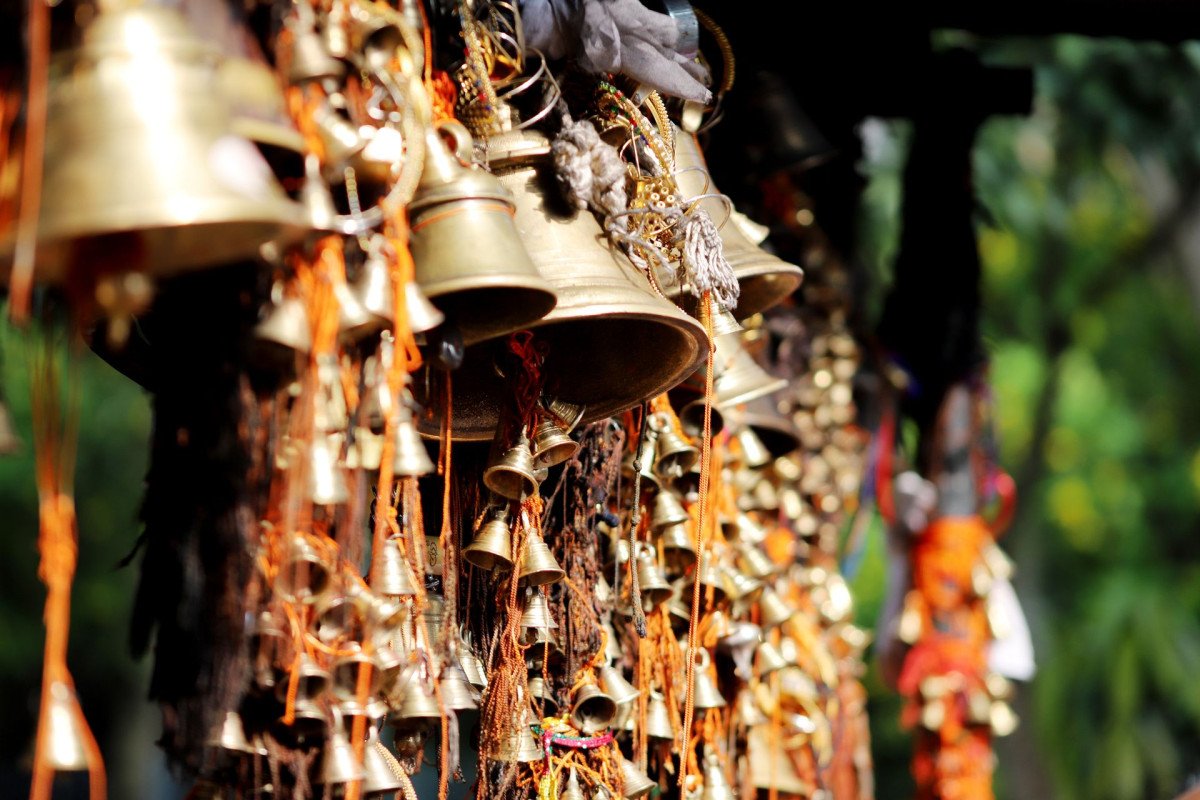
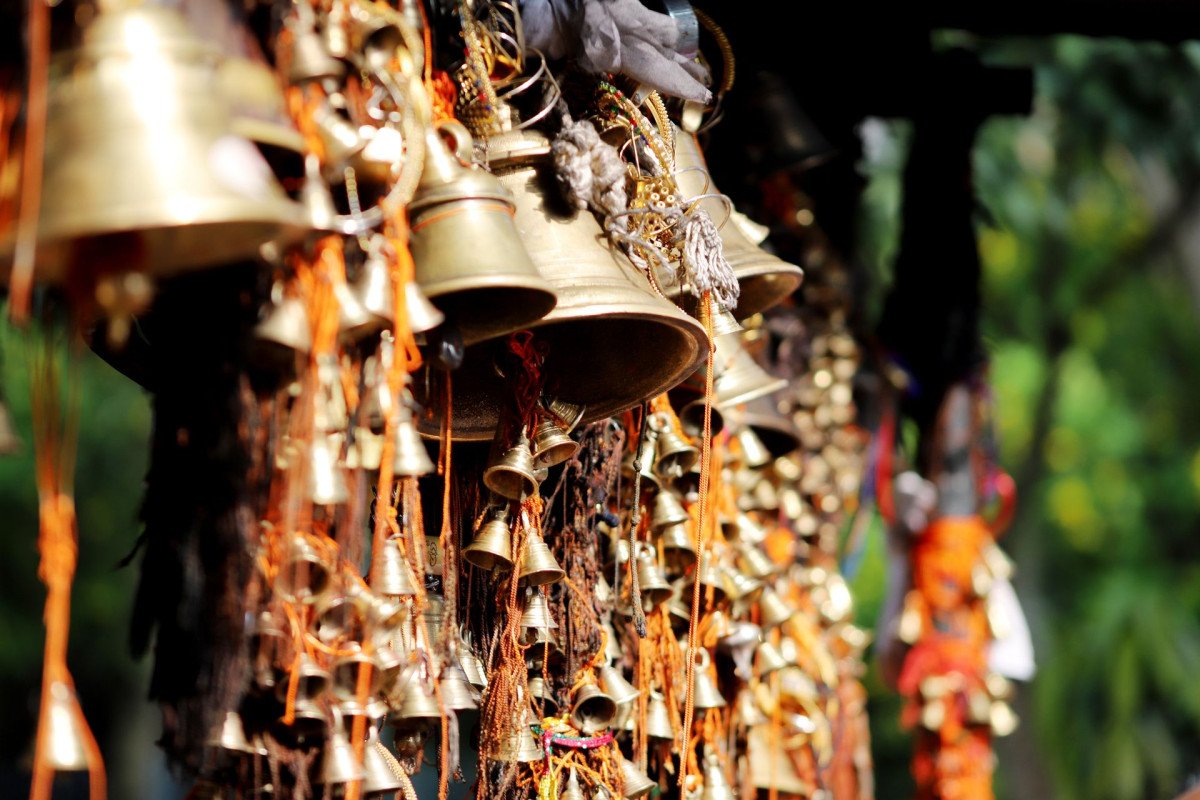
The Bell Chain: The temple often features a collection of bells. A creative shot of the bell chain against the light can symbolize the ringing of devotion.
Natural Tranquility: A wide shot capturing the temple's quiet courtyard, contrasting the stone construction with the surrounding greenery and the calm sky, emphasizing the peaceful nature of the spot: End.Photo Gallery
Things To Do
-
Seek Blessings: The primary activity is performing the main Puja and offering sacred water (Ganga Jal), milk, and Bel leaves to the Shivlingam. This is particularly sacred during the Shravan month (July–August).
Contemplate Gauri & Shankar: Spend time meditating on the concept of the divine union of Gauri and Shankar, the spiritual partnership that drives creation, which is the core energy of the temple.
Visit Chandi Devi Ropeway: Use the proximity to catch the ropeway (Udan Khatola) to the Chandi Devi Temple atop the Neel Parvat. This temple visit is often combined with the Gauri Shankar visit to complete the pilgrimage.
Photography: Capture the beautiful, peaceful setting of the temple against the backdrop of the Shivalik Hills, offering a picturesque and t...Seek Blessings: The primary activity is performing the main Puja and offering sacred water (Ganga Jal), milk, and Bel leaves to the Shivlingam. This is particularly sacred during the Shravan month (July–August).
Contemplate Gauri & Shankar: Spend time meditating on the concept of the divine union of Gauri and Shankar, the spiritual partnership that drives creation, which is the core energy of the temple.
Visit Chandi Devi Ropeway: Use the proximity to catch the ropeway (Udan Khatola) to the Chandi Devi Temple atop the Neel Parvat. This temple visit is often combined with the Gauri Shankar visit to complete the pilgrimage.
Photography: Capture the beautiful, peaceful setting of the temple against the backdrop of the Shivalik Hills, offering a picturesque and tranquil scene.
Local Market Exploration: Check out the small, local shops lining the road near the temple that cater to both the Chandi Devi and Gauri Shankar pilgrims, selling religious artifacts, idols, and puja materials.
Quiet Meditation: Find a quiet corner in the temple's courtyard for a few moments of reflection and meditation, taking advantage of the site’s peaceful energy, which is less frantic than the main Haridwar ghats.
Offerings Ritual: Witness the local devotees performing the ritual of offering coconuts, incense, and flowers to the deity, and participate in the ritual yourself by purchasing and offering the simple materials.
Attend Shiv Aarti: If visiting during the regular temple hours, stay to attend the morning or evening Aarti (timing varies seasonally), a smaller, intimate, but deeply devotional ceremony dedicated to Lord Shiva.
Walk the Footpath: Take a short walk along the quiet stretch of the road near the temple, enjoying the view and the fresh air before continuing your journey.
Explore Bilvakeshwar: Combine the visit with a trip to the nearby ancient Bilvakeshwar Mahadev Temple, which is dedicated to Lord Shiva and is another significant local shrine, linking two important parts of the Haridwar spiritual map.
Listen to Chants: Sit and listen to the repetitive, soothing chanting of the Om Namah Shivaya mantra or the recitation of the Shiva Sahasranama (The thousand names of Shiva), often done by local priests or visiting sadhus, which enhances the spiritual atmosphere: End.
Information
-
Why Famous:
Gauri Shankar Connection: It is famous for being a temple dedicated to the harmonious form of Lord Shiva and Goddess Parvati (Gauri Shankar), symbolizing the perfect union of the divine masculine and feminine energies. This makes it a popular place for couples to pray for a...Gauri Shankar Connection: It is famous for being a temple dedicated to the harmonious form of Lord Shiva and Goddess Parvati (Gauri Shankar), symbolizing the perfect union of the divine masculine and feminine energies. This makes it a popular place for couples to pray for a happy marital life.
Proximity to Chandi Devi: Its location on the route to the famous hill-top Chandi Devi Temple makes it a crucial spiritual stop. Many pilgrims stop here to complete the circuit of their devotion, seeking Lord Shiva’s blessing before or after the arduous climb to the Goddess.
Tranquil Environment: The temple is renowned for its peaceful ambiance. Unlike the often-crowded inner-city temples, this one provides a serene setting at the foothills of the Shivalik range, with surrounding greenery and a pleasant atmosphere for meditation and quiet worship. The natural backdrop adds to its visual and spiritual appeal, attracting those who seek a moment of calm: End. -
Architecture:
Style and Aesthetics: The temple is built in a simple, traditional North Indian Nagara style, characterized by a curved shikhara (spire) and a compact, enclosed sanctum (Garbhagriha). Unlike the ornately carved temples, the emphasis here is on the serene energy of the locat...Style and Aesthetics: The temple is built in a simple, traditional North Indian Nagara style, characterized by a curved shikhara (spire) and a compact, enclosed sanctum (Garbhagriha). Unlike the ornately carved temples, the emphasis here is on the serene energy of the location rather than extravagant decoration. The construction is primarily of painted plaster and stone, typical of the structures built in the modern pilgrim town context.
Dimension & Layout: The main temple chamber is relatively small, focusing attention on the Shivlingam inside. The overall complex sits on a modest, elevated platform with a small courtyard for devotees to perform circumambulation (Parikrama). The structure features a main dome capped with a trident (Trishula), a universal symbol of Lord Shiva. The temple's exterior walls are generally plain, adorned with minimal, brightly colored images of Hindu deities. The use of simple, durable materials makes it resilient to the elements, complementing the natural beauty of the nearby hill and river: End. -
How To Reach:
By Air: The nearest airport is Jolly Grant Airport (DED) in Dehradun, approximately 40 KMS away. From the airport, one can hire a pre-paid taxi or a private cab directly to the temple area in Haridwar. The journey takes about 1 to 1. 5 hours. Shared taxis or public transp...By Air: The nearest airport is Jolly Grant Airport (DED) in Dehradun, approximately 40 KMS away. From the airport, one can hire a pre-paid taxi or a private cab directly to the temple area in Haridwar. The journey takes about 1 to 1. 5 hours. Shared taxis or public transport are also available from the airport exit to the Haridwar Bus Stand, from where local transport can be used.
By Train: The nearest railway station is the Haridwar Junction (HW), which is extremely well-connected to major Indian cities like Delhi, Mumbai, Kolkata, and Varanasi. The temple is approximately 4. 5 KMS from the station. From the station, you can hire a private auto-rickshaw or a local e-rickshaw (Tempo).
By Road: Haridwar is excellently connected by National Highway NH-334 to Delhi (~220 KMS) and other northern cities. State and private buses, including frequent luxury AC Volvo coaches, run regularly from ISBT Kashmiri Gate, Delhi to the Haridwar Bus Stand. The temple is accessible via Nazibabad Road.
By Local Transport: From the Haridwar City Center or Railway Station, the easiest way to reach is by a private or shared auto-rickshaw, which is the most common local transport. E-rickshaws are also available and are cheaper. The temple is a well-known landmark near the base of the Chandi Devi ropeway: End. -
Weather and Best Time to Visit:
Different Types of Seasons: The Best Time to Visit is during the Winter months, from October to February. The weather is cool, pleasant, and ideal for a serene temple visit and the climb/ropeway ride to Chandi Devi. Summer (March to June) is extremely hot, making midday vi...Different Types of Seasons: The Best Time to Visit is during the Winter months, from October to February. The weather is cool, pleasant, and ideal for a serene temple visit and the climb/ropeway ride to Chandi Devi. Summer (March to June) is extremely hot, making midday visits difficult. The Monsoon (July to September) is significant for the holy Shravan month, which is the busiest time for Shiva devotees, but it is also prone to heavy rains and humidity.
Different Parts of the Day: The Ideal Time is the very early morning (6:00 AM to 8:00 AM) or the late afternoon (4:00 PM to 6:00 PM). Early morning offers a tranquil atmosphere and cooler temperatures, while the late afternoon provides good light and avoids the peak midday sun. Avoid the hot, congested midday hours. The temple is most atmospheric during the morning and evening Aarti times, which are less crowded than the main ghats: End. -
Near Tourist Places:
Chandi Devi Temple (1 KM Ropeway Base): Mansa Devi Temple (4.
5 KMS): Har Ki Pauri (4.
5 KMS):
Maya Devi Temple (4 KMS):
Bilkeshwar Mahadev Temple (2 KMS):
Pawan Dham Temple (7 KMS):
Bharat Mata Mandir (8 KMS):
Shanti Kunj Ashram (10 KMS): Jai Ram Ashram (3.
5 KMS):
Daksha Mahadev Temple (Kankhal) (7 KMS):
Tourism Tips
-
Health & Safety: Be mindful of the steps, especially if wet. If taking the ropeway to Chandi Devi, keep your belongings secure and be prepared for queues. Haridwar generally has clean drinking water, but stick to bottled water.
Packing: We...Health & Safety: Be mindful of the steps, especially if wet. If taking the ropeway to Chandi Devi, keep your belongings secure and be prepared for queues. Haridwar generally has clean drinking water, but stick to bottled water.
Packing: Wear modest clothing (shoulders and knees covered) out of respect for the religious site. Carry a light jacket in Winter or a cap/umbrella in Summer. Comfortable walking shoes are essential, especially if climbing.
Accommodation: Accommodation in Haridwar is available for all budgets. Staying near the Chandi Devi road is convenient but slightly away from the main city center. Consider a budget-friendly Dharmashala or a mid-range hotel.
Other Topics (Respect): Photography is generally permitted, but avoid using flash inside the main shrine. Be respectful of the quiet, contemplative atmosphere.
Local Transport: Utilize local shared auto-rickshaws or e-rickshaws for cost-effective travel, but negotiate the fare beforehand or ensure the meter is used.
Ganga Water: The water from the canal nearby is not for bathing but for rituals; for a holy dip, go to a designated ghat like Har Ki Pauri.
Temple Rules: Check the temple's daily Aarti and closing times before your visit to ensure you get full Darshan time: End.
Reviews
FAQs
Haridwar Itineray And Cost:-
Gauri Shankar Mahadev Temple Tourism:-
Other Places In Haridwar :-
Other States In India :-
Information about New and Updated Locations() of Uttarakhand Has Been Added :-
Card subtitle
Note:-
Information provided here in good Faith and for reference only.
Near Places

Adbhut Mandir
Some quick example text to build on the card title and make up the bulk of the card's content.
Go somewhere
Anandamayi Maa Ashram
Some quick example text to build on the card title and make up the bulk of the card's content.
Go somewhere
Bara Bazaar
Some quick example text to build on the card title and make up the bulk of the card's content.
Go somewhere
Bhimgoda Tank
Some quick example text to build on the card title and make up the bulk of the card's content.
Go somewhere
Chandi Devi Temple
Some quick example text to build on the card title and make up the bulk of the card's content.
Go somewhere
Crystal World
Some quick example text to build on the card title and make up the bulk of the card's content.
Go somewhere
Daksha Mahadev Temple
Some quick example text to build on the card title and make up the bulk of the card's content.
Go somewhere
Doodhadhari Barfani Temple
Some quick example text to build on the card title and make up the bulk of the card's content.
Go somewhere
Fun Valley Water Park
Some quick example text to build on the card title and make up the bulk of the card's content.
Go somewhere
Gau Ghat
Some quick example text to build on the card title and make up the bulk of the card's content.
Go somewhere
Gauri Shankar Mahadev Temple
Some quick example text to build on the card title and make up the bulk of the card's content.
Go somewhere
Jai Ram Ashram
Some quick example text to build on the card title and make up the bulk of the card's content.
Go somewhere
Kamleshwar Temple
Some quick example text to build on the card title and make up the bulk of the card's content.
Go somewhere
Maya Devi Temple
Some quick example text to build on the card title and make up the bulk of the card's content.
Go somewhere
Neel Dhara Pakshi Vihar
Some quick example text to build on the card title and make up the bulk of the card's content.
Go somewhere
Parad Shivling
Some quick example text to build on the card title and make up the bulk of the card's content.
Go somewherein Other Cities