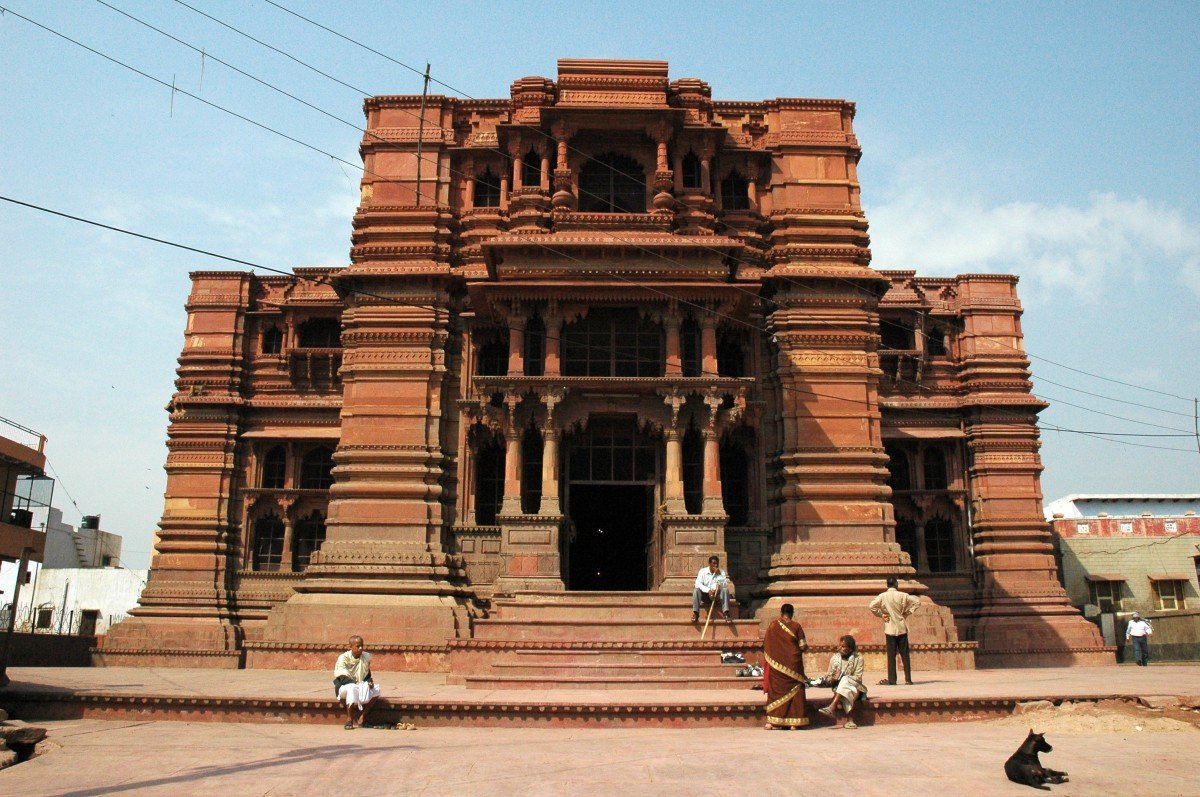
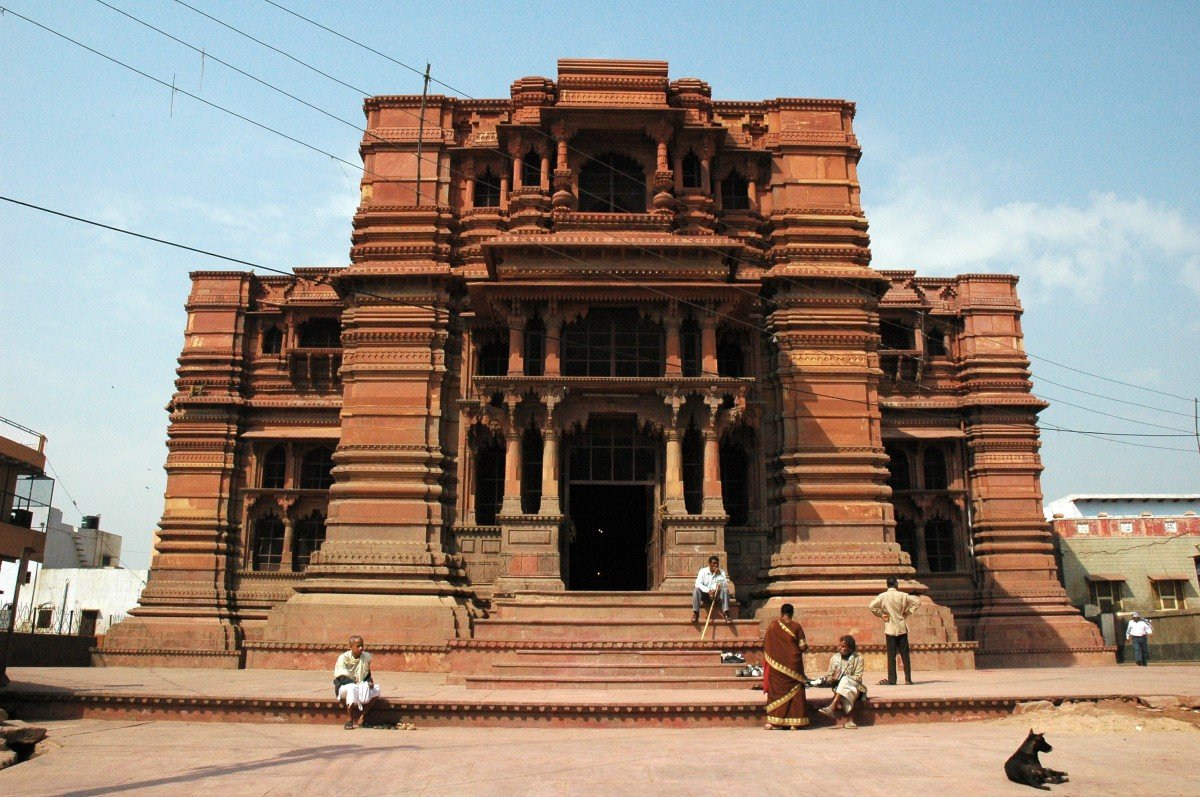
Govind Devji Temple
General information
-
Ideal Duration:
1-2 Hours (To explore the ruins)Place Type:
Primary Category: Historical Temple/ArchaeologicEntry Fees:
Ticket Price: Free Entry. The site is maintained by the Archaeological Survey of India (ASI).
Donations: Voluntary donations are accepted at the small functional temple.
Guide Services: Local guides are ava...Ticket Price: Free Entry. The site is maintained by the Archaeological Survey of India (ASI).
Donations: Voluntary donations are accepted at the small functional temple.
Guide Services: Local guides are available for a small fee to explain the history and architecture.
Commercial Activity: There is minimal commercial activity at the immediate site, focusing on its role as a historical monument and place of worship. :Timing:
Regular Timings: Approx. 6:00 AM - 12:30 PM & 4:30 PM - 8:30 PM (for the new functional temple). The main ruins are generally accessible throughout the day.
Ideal Visit Time: Early Morning (7:00 AM - 9:00 AM) for the best light on the red ...Regular Timings: Approx. 6:00 AM - 12:30 PM & 4:30 PM - 8:30 PM (for the new functional temple). The main ruins are generally accessible throughout the day.
Ideal Visit Time: Early Morning (7:00 AM - 9:00 AM) for the best light on the red sandstone and to avoid the crowds. Late Afternoon is also pleasant.
Photography Time: The light is best for historical photography around sunrise and sunset.
Closure: The functional temple is closed midday. :Special Events:
Janmashtami: Celebrated with a focus on the history of the deity, and special programs are held in the complex.
Holi: Celebrations in the complex, though not as famous as Banke Bihari, are traditional and devotional.
Read MoreJanmashtami: Celebrated with a focus on the history of the deity, and special programs are held in the complex.
Holi: Celebrations in the complex, though not as famous as Banke Bihari, are traditional and devotional.
Annual Architectural Heritage Day: The ruins are often the site of special tours and educational events on historical architecture.
Govardhan Puja: Celebrations honor the aspect of Krishna as Govinda. :Best Photo Spots:
The Central Arches of the Mandapa: Capturing the towering red sandstone structure against the sky.
The Sunlight Filtering through the Stone Lattice: The intricate Jaali work offers beautiful patterns of light and shadow.
Read MoreThe Central Arches of the Mandapa: Capturing the towering red sandstone structure against the sky.
The Sunlight Filtering through the Stone Lattice: The intricate Jaali work offers beautiful patterns of light and shadow.
The Western Façade at Sunset: The red sandstone glows spectacularly at dusk.
The Old Inscribed Stones and Pillars: Focusing on the detailed carvings that reveal the artistry of the 16th century.
The Contrast: A photo capturing the small, new temple in the foreground with the majestic ruins towering behind it. :Photo Gallery
Things To Do
-
Explore the Historical Ruins: Spend time examining the intricate carvings and the colossal red sandstone arches of the original mandapa.
Photography: The ruins provide a dramatic and historic backdrop for photography.
Visit the New Temple: Pay respects to the replica deity and participate in the ongoing worship.
Contemplate the History: Reflect on the story of the idol's safe transport to Jaipur and the architectural loss.
Enjoy the View: Climb to a vantage point (where possible) for a view of the surrounding Vrindavan landscape.
Attend a Cultural Event: Sometimes, cultural or devotional performances are held in the courtyard of the ruins.
Walk the Compound: The ...Explore the Historical Ruins: Spend time examining the intricate carvings and the colossal red sandstone arches of the original mandapa.
Photography: The ruins provide a dramatic and historic backdrop for photography.
Visit the New Temple: Pay respects to the replica deity and participate in the ongoing worship.
Contemplate the History: Reflect on the story of the idol's safe transport to Jaipur and the architectural loss.
Enjoy the View: Climb to a vantage point (where possible) for a view of the surrounding Vrindavan landscape.
Attend a Cultural Event: Sometimes, cultural or devotional performances are held in the courtyard of the ruins.
Walk the Compound: The area around the temple is spacious and peaceful compared to the narrow temple lanes. :
Information
-
Why Famous:
A Scar of History: It is famous for being a dramatic, surviving monument of Mughal iconoclasm, symbolizing the resilience of Hindu devotion against persecution.
Architectural Grandeur: The ruins are renowned for their impressive scale and th...A Scar of History: It is famous for being a dramatic, surviving monument of Mughal iconoclasm, symbolizing the resilience of Hindu devotion against persecution.
Architectural Grandeur: The ruins are renowned for their impressive scale and the sophisticated blend of Hindu and Mughal architectural elements, a rare sight in temple design.
Association with Lord Govinda: The original deity was one of the three most important idols of Vrindavan (along with Madan Mohan and Gopinath), making the site deeply sacred despite the loss of the original idol.
Raja Man Singh's Legacy: It is a standing tribute to the religious devotion and architectural ambition of the Rajput rulers. : -
Architecture:
Indo-Mughal Fusion: The ruins are one of the most significant examples of medieval Indian temple architecture, showcasing a harmonious blend of indigenous Hindu and contemporary Mughal styles.
Dimensions and Scale: The original structure was...Indo-Mughal Fusion: The ruins are one of the most significant examples of medieval Indian temple architecture, showcasing a harmonious blend of indigenous Hindu and contemporary Mughal styles.
Dimensions and Scale: The original structure was a monumental seven-story high building. Today, the surviving sections, including the central mandapa (hall) and the impressive red sandstone arches, demonstrate its colossal original scale. The absence of an external Shikhara (spire) suggests a strong Mughal influence in its design.
Materials: Built predominantly of locally sourced red sandstone, featuring intricate carvings, ornate ceilings, and massive internal arches. The surviving dome-less structure is a powerful visual of historical conflict and devotion. : -
How To Reach:
By Air: Nearest airport is Agra (approx. 75 KMs) or Delhi's IGI Airport (DEL, approx. 180 KMs). Take a taxi to Vrindavan.
By Train: Nearest major station is Mathura Junction (MTJ, approx. 11 KMs). Take an auto-rickshaw or taxi to Vrinda...By Air: Nearest airport is Agra (approx. 75 KMs) or Delhi's IGI Airport (DEL, approx. 180 KMs). Take a taxi to Vrindavan.
By Train: Nearest major station is Mathura Junction (MTJ, approx. 11 KMs). Take an auto-rickshaw or taxi to Vrindavan.
By Road: Well-connected by the Yamuna Expressway and national highways.
By Local Transport: E-rickshaws and cycle-rickshaws are the most common transport. The temple is located on the Parikrama Marg, making it easily accessible. : -
Weather and Best Time to Visit:
Different Seasons: Winter (Oct-Mar) is perfect for exploring the open-air ruins. Monsoon can be wet but the site is still accessible. Summer is too hot for daytime exploration.
Different Parts of the Day: Sunrise is the most highly recomme...Different Seasons: Winter (Oct-Mar) is perfect for exploring the open-air ruins. Monsoon can be wet but the site is still accessible. Summer is too hot for daytime exploration.
Different Parts of the Day: Sunrise is the most highly recommended time for both spiritual and photographic purposes, offering tranquility and the best lighting on the ruins. Midday is not recommended due to heat and harsh light. : -
Near Tourist Places:
Radha Damodar Temple: (0.
5 KMs)Madan Mohan Temple: (1.
5 KMs)Seva Kunj: (1.
0 KM)Nidhivan: (1.
5 KMs)Shahji Temple: (1.
0 KM)Lal Babu Temple: (0.
7 KMs)Keshi Ghat: (2.
0 KMs)Banke Bihari Temple: (2.
0 KMs)ISKCON Temple: (2.
0 KMs)Gopeshwar Mahadev Temple: (2.
5 KMs):
Tourism Tips
-
Health & Safety: Be careful when walking around the ancient ruins, as the footing can be uneven. There are many monkeys, so be vigilant with food and valuables.
Packing: Carry a good camera and lens to capture the scale of the structure. W...Health & Safety: Be careful when walking around the ancient ruins, as the footing can be uneven. There are many monkeys, so be vigilant with food and valuables.
Packing: Carry a good camera and lens to capture the scale of the structure. Wear comfortable walking shoes.
Accommodation: Many Ashrams and guesthouses are located near the Parikrama Marg where this temple is situated.
Other Tips: Hire a guide to fully appreciate the complex history of the ruins. Combine the visit with other major temples nearby like Radha Damodar. :
Reviews
FAQs
Vrindavan Itineray And Cost:-
Govind Devji Temple Tourism:-
Other Places In Vrindavan :-
Other States In India :-
Information about New and Updated Locations() of Uttar Pradesh Has Been Added :-
Card subtitle
Note:-
Information provided here in good Faith and for reference only.
Near Places

Banke Bihari Temple
Some quick example text to build on the card title and make up the bulk of the card's content.
Go somewhere
Brij Darshan Vrindavan
Some quick example text to build on the card title and make up the bulk of the card's content.
Go somewhere
Gopeshwar Mahadev Temple
Some quick example text to build on the card title and make up the bulk of the card's content.
Go somewhere
Govind Devji Temple
Some quick example text to build on the card title and make up the bulk of the card's content.
Go somewhere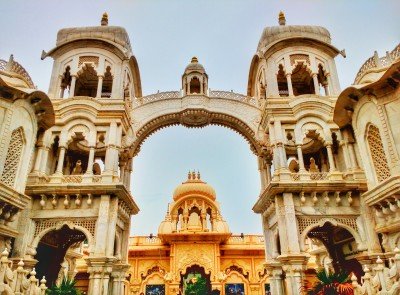
ISKCON Temple
Some quick example text to build on the card title and make up the bulk of the card's content.
Go somewhere
Jugal Ghat
Some quick example text to build on the card title and make up the bulk of the card's content.
Go somewhere
Katyayani Peeth
Some quick example text to build on the card title and make up the bulk of the card's content.
Go somewhere
Keshi Ghat / Kesi Ghat
Some quick example text to build on the card title and make up the bulk of the card's content.
Go somewhere
Kesi Ghat
Some quick example text to build on the card title and make up the bulk of the card's content.
Go somewhere
Kos Minar Mile
Some quick example text to build on the card title and make up the bulk of the card's content.
Go somewhere
Sri Rangji Mandir
Some quick example text to build on the card title and make up the bulk of the card's content.
Go somewherein Other Cities