Sri Rangji Mandir
General information
-
Ideal Duration:
2-3 Hours:Place Type:
Largest Dravidian Temple in North India:Entry Fees:
No Entry Fees for darshan. Entry to the vast temple complex and the main shrine is free. Photography is usually charged separately, often a small fee for cameras (check the current policy at the entrance gate). A voluntary donation is often requested for maintaining the large, complex structure a...No Entry Fees for darshan. Entry to the vast temple complex and the main shrine is free. Photography is usually charged separately, often a small fee for cameras (check the current policy at the entrance gate). A voluntary donation is often requested for maintaining the large, complex structure and funding the traditional seva and festivals. South Indian devotees may choose to donate generously, as it is a critical hub for their tradition in North India. :Timing:
Regular Timings: 6:00 AM - 11:00 AM (Morning Darshan), 4:00 PM - 8:00 PM (Evening Darshan/Timings are strictly seasonal, opening times are much earlier and later in summer). The temple has a long afternoon closure.
Ideal Visit Time: Late Mo...Regular Timings: 6:00 AM - 11:00 AM (Morning Darshan), 4:00 PM - 8:00 PM (Evening Darshan/Timings are strictly seasonal, opening times are much earlier and later in summer). The temple has a long afternoon closure.
Ideal Visit Time: Late Morning (9:00 AM - 11:00 AM) to have enough time to explore the vast complex before the noon closure, or Late Afternoon (4:00 PM - 6:00 PM) to walk the grounds in the pleasant light. :Special Events:
Brahmotsavam (Rath Yatra): The most famous event, a 10-day festival (usually in March or April), featuring the magnificent procession of the deity on the wooden chariot, attracting hundreds of thousands of pilgrims.
Baikunth Ekadashi: The da...Brahmotsavam (Rath Yatra): The most famous event, a 10-day festival (usually in March or April), featuring the magnificent procession of the deity on the wooden chariot, attracting hundreds of thousands of pilgrims.
Baikunth Ekadashi: The day when the Baikunth Dwar (Door to Heaven) is opened for devotees (usually in December or January).
Goda Kalyanotsavam: The celebration of the divine marriage of Lord Ranganatha and Goda Devi (Andal) is a key festival in the South Indian calendar. :Best Photo Spots:
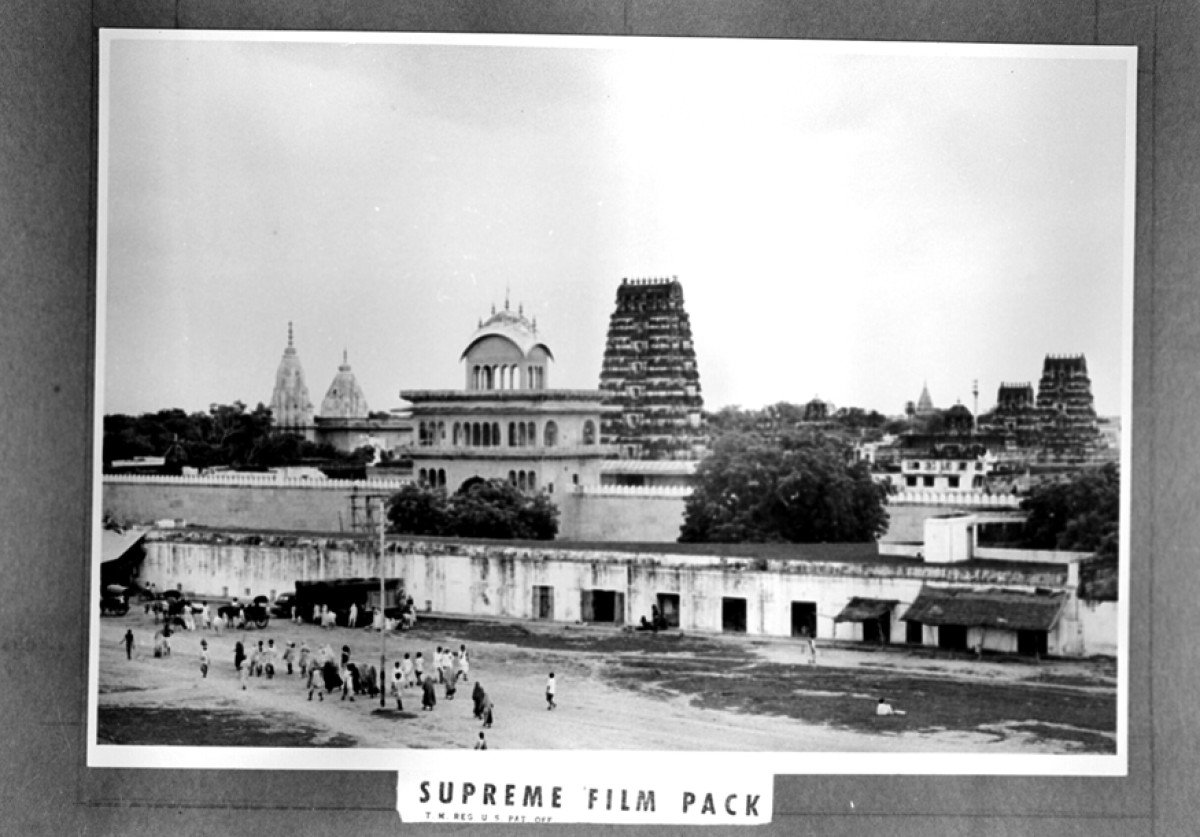
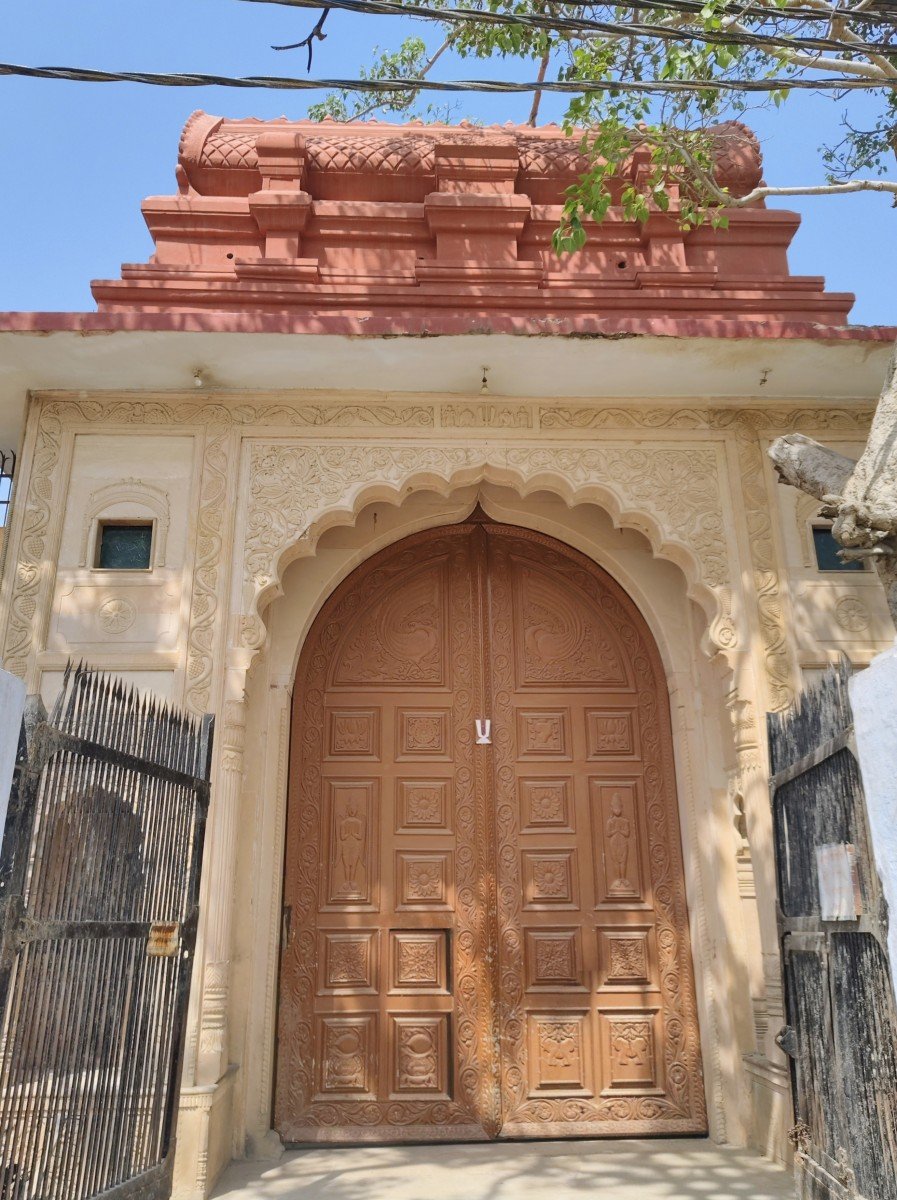
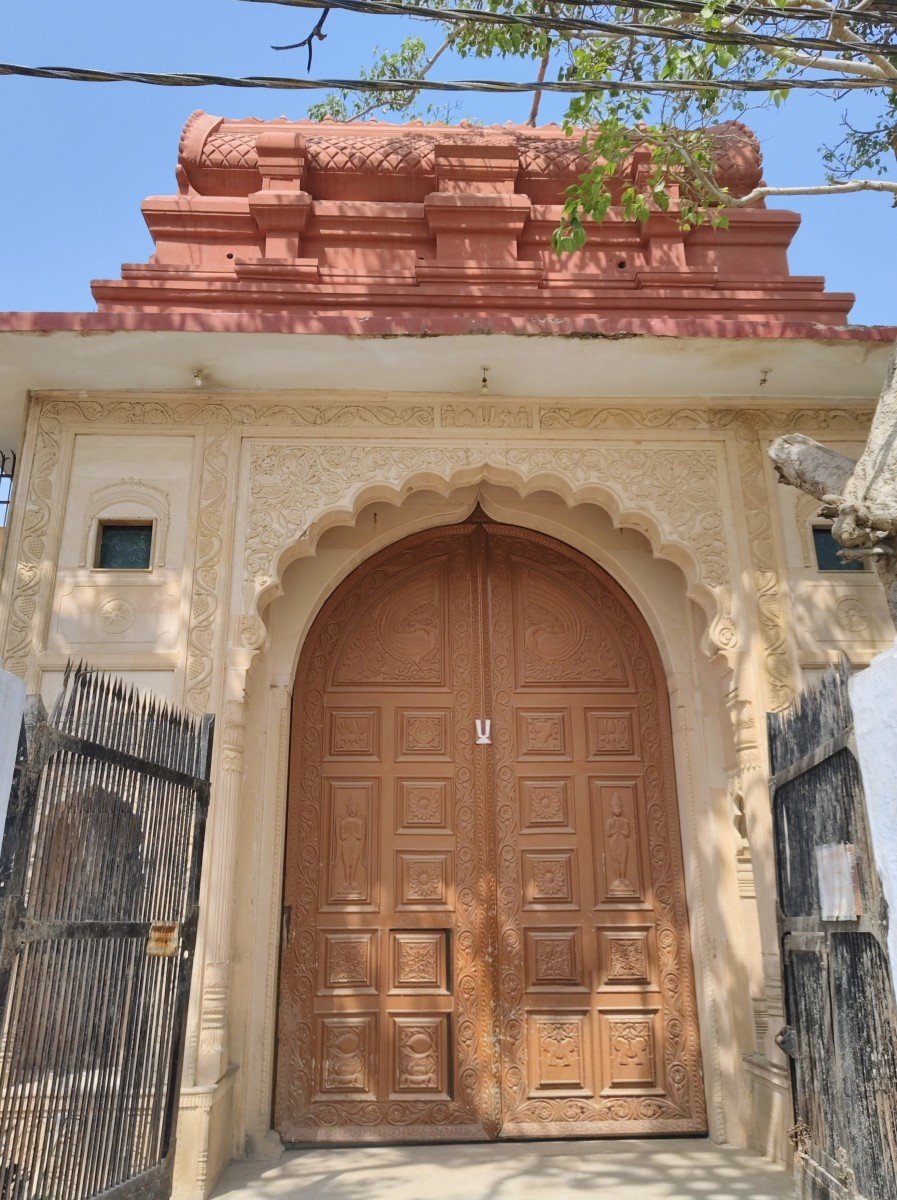
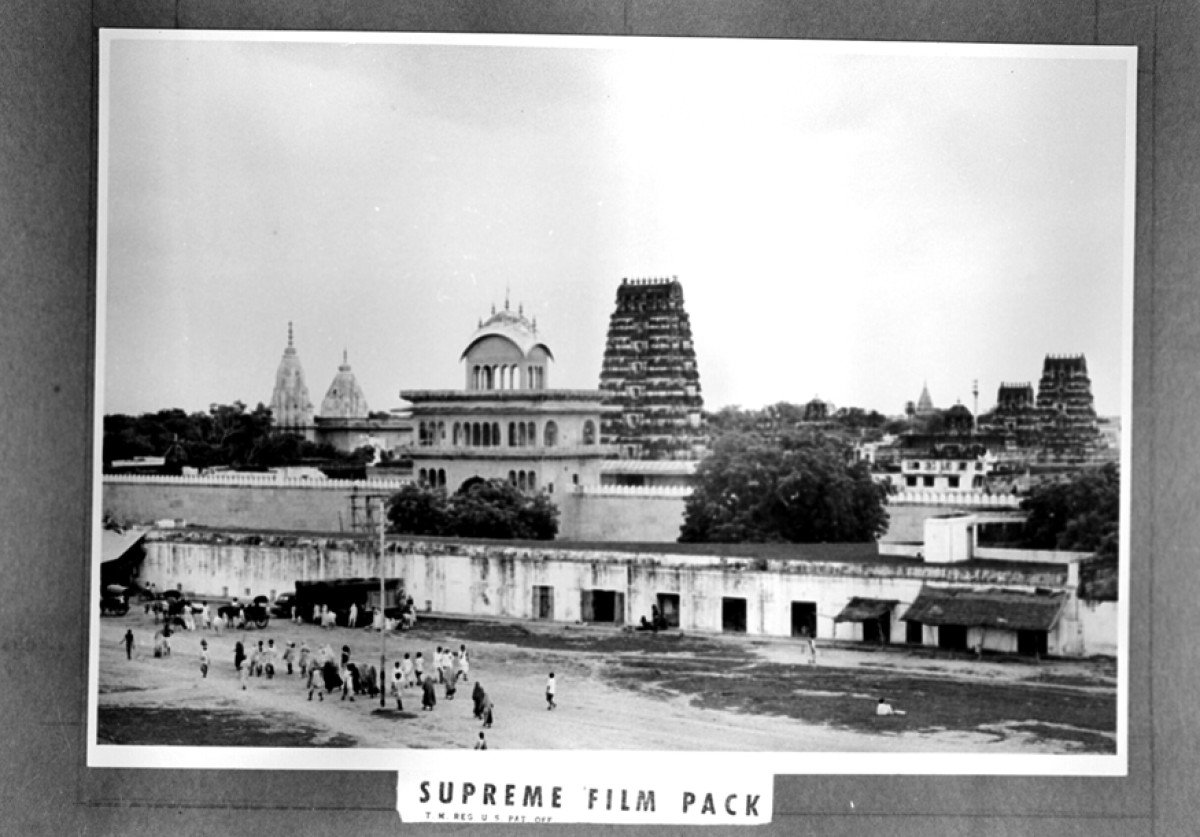
The Seven-Story Gopuram: Capture the towering, intricately carved main entrance tower from outside the complex to showcase its massive scale and detailed Dravidian craftsmanship.
The 50-Foot Gold-Plated Pillar (Dhvaja Stambha): A perfect pho...The Seven-Story Gopuram: Capture the towering, intricately carved main entrance tower from outside the complex to showcase its massive scale and detailed Dravidian craftsmanship.
The 50-Foot Gold-Plated Pillar (Dhvaja Stambha): A perfect photo subject to capture the grandeur and spiritual significance of the complex.
The Pushkarni with the Temple Reflected: The sacred tank offers a peaceful scene, and a reflection shot can beautifully capture the scale of the towers.
The Massive Wooden Chariot (Rath): If on display (especially during Brahmotsavam), it is an incredible subject that reflects the unique cultural practices. :Photo Gallery
Things To Do
-
Perform the Full Parikrama: Circumambulate the vast temple complex, admiring the towering Gopurams and the architectural scale.
Visit the Ranganatha Shrine: Take darshan of the reclining deity in the main sanctum, a form rarely seen in North India.
See the Dhvaja Stambha: Pay respects to the majestic 50-foot-tall gold-plated pillar.
Relax by the Pushkarni: Spend time by the peaceful sacred tank.
Attend the Aarti and Hear the Chanting: Experience the traditional South Indian style of worship, including the use of Sanskrit and Tamil hymns.
Witness the Brahmotsavam: Plan your visit for the annual 10-day festival to see the grand Chariot Festival (Rath Yatra). :...Perform the Full Parikrama: Circumambulate the vast temple complex, admiring the towering Gopurams and the architectural scale.
Visit the Ranganatha Shrine: Take darshan of the reclining deity in the main sanctum, a form rarely seen in North India.
See the Dhvaja Stambha: Pay respects to the majestic 50-foot-tall gold-plated pillar.
Relax by the Pushkarni: Spend time by the peaceful sacred tank.
Attend the Aarti and Hear the Chanting: Experience the traditional South Indian style of worship, including the use of Sanskrit and Tamil hymns.
Witness the Brahmotsavam: Plan your visit for the annual 10-day festival to see the grand Chariot Festival (Rath Yatra). :
Information
-
Why Famous:
The Dravidian Architectural Grandeur: Its colossal size and unique South Indian style, complete with towering, intricately carved Gopurams and a vast complex, make it an unmatched architectural landmark in North India.
The Reclining Deity (Ranga...The Dravidian Architectural Grandeur: Its colossal size and unique South Indian style, complete with towering, intricately carved Gopurams and a vast complex, make it an unmatched architectural landmark in North India.
The Reclining Deity (Ranganatha): The main deity is a rare representation of Lord Vishnu (Ranganatha) in a reclining pose (Anantasayana), a form typically found in South India, attracting both North and South Indian pilgrims.
Brahmotsavam (Rath Yatra): The grand 10-day festival where the deity is taken out on a massive wooden chariot is the most spectacular event in Vrindavan, drawing huge crowds and highlighting its unique cultural heritage. : -
Architecture:
Grand Dravidian Temple Complex:
Materials and Style: Built with stone and plaster in the grand, fortified style of South Indian temples, featuring multiple enclosures and towering Gopurams typical of the Dravidian architecture of Tamil Nadu. ...Grand Dravidian Temple Complex:
Materials and Style: Built with stone and plaster in the grand, fortified style of South Indian temples, featuring multiple enclosures and towering Gopurams typical of the Dravidian architecture of Tamil Nadu. The architecture is distinctly different from any other temple in Vrindavan.
Dimension: It is the largest temple complex in Vrindavan, enclosed by five concentric rectangular walls, covering a massive area. The main Gopuram is seven stories high, and the gold-plated Dhvaja Stambha is 50 feet (15 meters) tall.
Key Architectural Elements: Features a large Pushkarni (sacred tank), two high Gopurams (pyramidal towers) on the eastern and western sides, a traditional wooden chariot, and the Dhvaja Stambha. : -
How To Reach:
By Air: The nearest major airport is Indira Gandhi International Airport (DEL) in New Delhi (approx. 150-160 KMs). From there, a taxi or train to Mathura is the best option.
By Train: The nearest major station is Mathura Junction (MTJ), ap...By Air: The nearest major airport is Indira Gandhi International Airport (DEL) in New Delhi (approx. 150-160 KMs). From there, a taxi or train to Mathura is the best option.
By Train: The nearest major station is Mathura Junction (MTJ), approx. 14 KMs away. Vrindavan station (VRBD) is closer (approx. 3 KMs). From either, an auto-rickshaw or cab is necessary.
By Road: Vrindavan is well-connected. The temple is located on the periphery of the core town, with ample parking space compared to others.
By Local Transport: Easily accessible by auto-rickshaw or e-rickshaw from the central town and the main Mathura-Vrindavan road. : -
Weather and Best Time to Visit:
Best Time of Year: October to March (Winter) is ideal. A visit during the Brahmotsavam (March/April) is highly recommended despite the heat, as it offers the most spectacular cultural experience.
Best Part of the Day: Morning for a calm and...Best Time of Year: October to March (Winter) is ideal. A visit during the Brahmotsavam (March/April) is highly recommended despite the heat, as it offers the most spectacular cultural experience.
Best Part of the Day: Morning for a calm and thorough exploration of the vast grounds. Late afternoon is comfortable for a final darshan and walking around the Pushkarni. : -
Near Tourist Places:
ISKCON Temple (Krishna Balaram Mandir) (1. 5 KMs), Prem Mandir (2. 5 KMs), Pagal Baba Temple (3. 5 KMs), Shahji Temple (2. 8 KMs), Banke Bihari Temple (3. 0 KMs), Keshi Ghat (3. 5 KMs), Radha Vallabh Temple (3. 0 KMs), Maa Vaishno Devi Dham (1. 5 KMs), Nand Gaon (40 KMs), Barsana (45 KMs). :
Tourism Tips
-
Health & Safety: The complex is vast and less crowded, making it generally safer from the monkey menace than the inner temples. However, be prepared for immense crowds during Brahmotsavam.
Packing: Dress modestly. Comfortable walking shoes...Health & Safety: The complex is vast and less crowded, making it generally safer from the monkey menace than the inner temples. However, be prepared for immense crowds during Brahmotsavam.
Packing: Dress modestly. Comfortable walking shoes are essential for the large complex. Carry a hat and water, as there is much open space.
Accommodation: Plenty of hotels and dharamshalas are available in the Raman Reti area nearby, including the ISKCON guesthouse.
Other Topics Heading: The worship is strictly orthodox; photography inside the garbha griha is usually prohibited. Visitors should be respectful of the South Indian traditions being followed. :
Reviews
FAQs
Vrindavan Itineray And Cost:-
Sri Rangji Mandir Tourism:-
Other Places In Vrindavan :-
Other States In India :-
Information about New and Updated Locations() of Uttar Pradesh Has Been Added :-
Card subtitle
Note:-
Information provided here in good Faith and for reference only.
Near Places

Banke Bihari Temple
Some quick example text to build on the card title and make up the bulk of the card's content.
Go somewhere
Brij Darshan Vrindavan
Some quick example text to build on the card title and make up the bulk of the card's content.
Go somewhere
Gopeshwar Mahadev Temple
Some quick example text to build on the card title and make up the bulk of the card's content.
Go somewhere
Govind Devji Temple
Some quick example text to build on the card title and make up the bulk of the card's content.
Go somewhere
ISKCON Temple
Some quick example text to build on the card title and make up the bulk of the card's content.
Go somewhere
Jugal Ghat
Some quick example text to build on the card title and make up the bulk of the card's content.
Go somewhere
Katyayani Peeth
Some quick example text to build on the card title and make up the bulk of the card's content.
Go somewhere
Keshi Ghat / Kesi Ghat
Some quick example text to build on the card title and make up the bulk of the card's content.
Go somewhere
Kesi Ghat
Some quick example text to build on the card title and make up the bulk of the card's content.
Go somewhere
Kos Minar Mile
Some quick example text to build on the card title and make up the bulk of the card's content.
Go somewhere
Sri Rangji Mandir
Some quick example text to build on the card title and make up the bulk of the card's content.
Go somewherein Other Cities