Nidhivan
General information
-
Ideal Duration:
1-2 Hours:Place Type:
Forest Grove / Sacred Temple:Entry Fees:
The Nidhivan complex has No Entry Fees. The primary 'fee' is the strict requirement to leave the premises before sunset, which is non-negotiable and enforced by a physical barrier. Visitors should be aware of a nominal fee that might be requested by local guides offering their services, but the te...The Nidhivan complex has No Entry Fees. The primary 'fee' is the strict requirement to leave the premises before sunset, which is non-negotiable and enforced by a physical barrier. Visitors should be aware of a nominal fee that might be requested by local guides offering their services, but the temple entry remains free of charge. There are often donation boxes (daan peti) for voluntary contributions towards the maintenance of the complex and the daily seva (service) offered to the deities and the premises. These donations are entirely optional and are a way for devotees to support the upkeep of the sacred site. :Timing:
Regular Timings: 6:00 AM - 12:00 PM (Morning Darshan), 4:00 PM - 8:00 PM (Evening Darshan/Winter Timings may vary slightly). The most crucial rule is that the complex is strictly closed after sunset (sandhya aarti).
Ideal Visit Time: Early ...Regular Timings: 6:00 AM - 12:00 PM (Morning Darshan), 4:00 PM - 8:00 PM (Evening Darshan/Winter Timings may vary slightly). The most crucial rule is that the complex is strictly closed after sunset (sandhya aarti).
Ideal Visit Time: Early Morning (6:00 AM - 8:00 AM) for a quiet, meditative experience before the crowds arrive, or just before the evening closure (7:00 PM - 7:30 PM) to experience the final aarti and the powerful, charged atmosphere as the gates are prepared to be sealed. :Special Events:
Tulsi Vivaah (Marriage of Tulsi): While not a large temple-style celebration, the significance of Tulsi at Nidhivan means that the Tulsi Vivaah festival, usually held after Diwali (in October-November), is observed with special reverence.
Hariya...Tulsi Vivaah (Marriage of Tulsi): While not a large temple-style celebration, the significance of Tulsi at Nidhivan means that the Tulsi Vivaah festival, usually held after Diwali (in October-November), is observed with special reverence.
Hariyali Teej: Celebrated during the monsoon (usually July-August), this festival marks the arrival of the rains, where divine swings (jhoolas) are decorated, and kirtans are sung, mirroring the joyful atmosphere where the Rasa Lila is believed to take place. :Best Photo Spots:
The Twisted Tulsi Canopy: The dense, low, and unusually-shaped trees provide a unique, mystical background, perfect for capturing the enigmatic atmosphere of the grove during the day.
Entrance Gateway: The simple, traditional sandstone gatew...The Twisted Tulsi Canopy: The dense, low, and unusually-shaped trees provide a unique, mystical background, perfect for capturing the enigmatic atmosphere of the grove during the day.
Entrance Gateway: The simple, traditional sandstone gateway often frames the mysterious grove, offering a classic shot of Vrindavan's ascetic side.
Rang Mahal's Simple Doorway: The closed, small door of the Rang Mahal symbolizes the spiritual secrecy and provides a focused point for photography that captures the essence of the legend.
Swami Haridas's Samadhi in the Courtyard: A peaceful, traditional structure that contrasts with the surrounding mystical forest, great for capturing a sense of meditative devotion. :Photo Gallery
Things To Do
-
Explore the Tulsi Grove and Twisted Trees: Walk through the densely packed Tulsi plants and contemplate the mystery surrounding their unique, downward-bent shapes, trying to sense the spiritual energy.
Visit the Rang Mahal: See the resting chamber prepared for the divine couple before it is sealed for the night, feeling the anticipation of the nightly Rasa Lila.
Meditate at Swami Haridas's Samadhi: Pay respects at the tomb of the great saint and musician, connecting to the source of the Banke Bihari deity and the tradition of Nitya-Lila (eternal pastimes).
Attend Morning Aarti: Experience the powerful atmosphere of the temple as the doors are opened, signifying the end of the divine, unseen nightly play.
Circumambulate the Holy Tree:...Explore the Tulsi Grove and Twisted Trees: Walk through the densely packed Tulsi plants and contemplate the mystery surrounding their unique, downward-bent shapes, trying to sense the spiritual energy.
Visit the Rang Mahal: See the resting chamber prepared for the divine couple before it is sealed for the night, feeling the anticipation of the nightly Rasa Lila.
Meditate at Swami Haridas's Samadhi: Pay respects at the tomb of the great saint and musician, connecting to the source of the Banke Bihari deity and the tradition of Nitya-Lila (eternal pastimes).
Attend Morning Aarti: Experience the powerful atmosphere of the temple as the doors are opened, signifying the end of the divine, unseen nightly play.
Circumambulate the Holy Tree: Perform Parikrama around the large tree where the Banke Bihari idol is said to have appeared.
Shop for Tulsi Beads: Purchase authentic Tulsi beads or mala from the nearby shops as the plant holds immense spiritual value at this site.
Observe the Devotees: Engage with the local devotees and priests to hear traditional stories and legends about the grove's nightly secrecy. :
Information
-
Why Famous:
The Nocturnal Rasa Lila Legend: The primary reason for its fame is the widespread, deeply held belief that Lord Krishna and Radha Rani perform their divine dance and pastimes in the grove every night, which is why the premises are sealed after sandhya aarti.The Nocturnal Rasa Lila Legend: The primary reason for its fame is the widespread, deeply held belief that Lord Krishna and Radha Rani perform their divine dance and pastimes in the grove every night, which is why the premises are sealed after sandhya aarti.
The Banke Bihari Connection: It is the hallowed spot where Swami Haridas was granted the vision of the divine couple, leading to the manifestation of the Banke Bihari deity, making it an original source of one of Vrindavan's most revered idols. : -
Architecture:
Architectural Simplicity and Natural Mystery:
Layout and Materials: The area is not a grand temple but a sacred courtyard and grove, encircled by a modest, low red sandstone boundary wall. The emphasis is on the natural elements rather than ...Architectural Simplicity and Natural Mystery:
Layout and Materials: The area is not a grand temple but a sacred courtyard and grove, encircled by a modest, low red sandstone boundary wall. The emphasis is on the natural elements rather than elaborate structures. There is a small temple dedicated to Radha-Krishna and the Rang Mahal, a small chamber believed to be the resting place of the divine couple. Unique Botanical
Dimension:
The most striking feature is the forest itself: a dense cluster of short, dry, intertwining Tulsi plants, all of similar size and shape, with downward-growing branches, creating a canopy that defies typical botanical structure. This unique growth pattern is taken as evidence of the area's supernatural nature.
Dimension: The entire complex is a compact grove, approximately 2-3 acres, with the trees creating a naturally enclosed kunj (bower). : -
How To Reach:
By Air: The nearest major airport is Indira Gandhi International Airport (DEL) in New Delhi (approx. 150-160 KMs). From there, hire a cab (4-5 hours) or take a train to Mathura.
By Train: The nearest major station is Mathura Junction (MTJ)...By Air: The nearest major airport is Indira Gandhi International Airport (DEL) in New Delhi (approx. 150-160 KMs). From there, hire a cab (4-5 hours) or take a train to Mathura.
By Train: The nearest major station is Mathura Junction (MTJ), which is well-connected to all major Indian cities. Vrindavan also has a small station (VRBD). From Mathura, hire an auto-rickshaw or cab (approx. 12-15 KMs).
By Road: Vrindavan is directly connected by the Yamuna Expressway from Delhi and by NH-44 and NH-19 from other parts. The site is in the inner lanes of Vrindavan town.
By Local Transport: From the main road or bus stand, the best way to reach is via e-rickshaw, cycle rickshaw, or walking through the narrow kunj alleys, as cars cannot reach the immediate vicinity. : -
Weather and Best Time to Visit:
Best Time of Year: October to March (Winter/Post-Monsoon) is ideal due to the pleasant weather (10°C - 25°C), which is comfortable for walking and exploration. Avoid the peak summer (April-June) due to extreme heat.
Best Part of the Day: ...Best Time of Year: October to March (Winter/Post-Monsoon) is ideal due to the pleasant weather (10°C - 25°C), which is comfortable for walking and exploration. Avoid the peak summer (April-June) due to extreme heat.
Best Part of the Day: Early Morning (6:00 AM - 8:00 AM) is best for tranquility and experiencing the mystical aura. The evening closure is also a powerful time to witness the devotional intensity and final aarti. : -
Near Tourist Places:
Banke Bihari Temple (0. 5 KMs), Seva Kunj (0. 2 KMs), Radha Damodar Temple (0. 8 KMs), Radha Madan Mohan Temple (1. 5 KMs), Shahji Temple (1. 0 KMs), Radha Raman Temple (0. 6 KMs), Gopinath Temple (0. 7 KMs), Govind Dev Ji Temple (3. 0 KMs), Keshi Ghat (1. 2 KMs), Lalita Kund (Inside the complex). :
Tourism Tips
-
Health & Safety: Be highly vigilant of monkeys, especially when carrying food, cameras, or spectacles. Avoid staying inside after the evening closure—it is a deeply respected local prohibition.
Packing: Dress modestly (covering shoulders ...Health & Safety: Be highly vigilant of monkeys, especially when carrying food, cameras, or spectacles. Avoid staying inside after the evening closure—it is a deeply respected local prohibition.
Packing: Dress modestly (covering shoulders and knees) as a sign of respect. Wear comfortable, durable footwear for walking on the uneven temple paths.
Accommodation: Stay in the Loi Bazaar or Raman Reti area for central access. Plenty of dharamshalas and modern hotels are available.
Other Topics Heading: Photography is often restricted in some inner parts, and especially after sunset. Carry a small shoulder bag instead of a backpack to manage crowds. :
Reviews
FAQs
Vrindavan Itineray And Cost:-
Other Places In Vrindavan :-
Other States In India :-
Information about New and Updated Locations() of Uttar Pradesh Has Been Added :-
Card subtitle
Note:-
Information provided here in good Faith and for reference only.
Near Places

Banke Bihari Temple
Some quick example text to build on the card title and make up the bulk of the card's content.
Go somewhere
Brij Darshan Vrindavan
Some quick example text to build on the card title and make up the bulk of the card's content.
Go somewhere
Gopeshwar Mahadev Temple
Some quick example text to build on the card title and make up the bulk of the card's content.
Go somewhere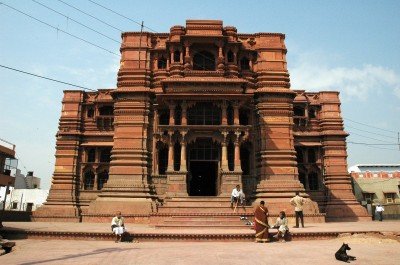
Govind Devji Temple
Some quick example text to build on the card title and make up the bulk of the card's content.
Go somewhere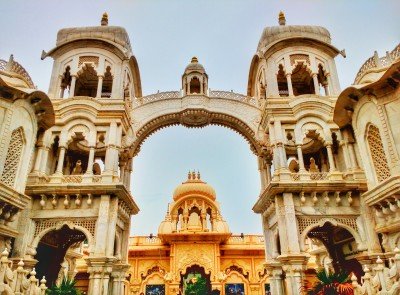
ISKCON Temple
Some quick example text to build on the card title and make up the bulk of the card's content.
Go somewhere
Jugal Ghat
Some quick example text to build on the card title and make up the bulk of the card's content.
Go somewhere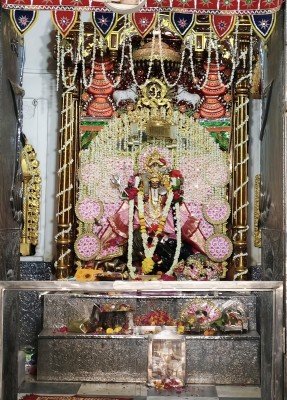
Katyayani Peeth
Some quick example text to build on the card title and make up the bulk of the card's content.
Go somewhere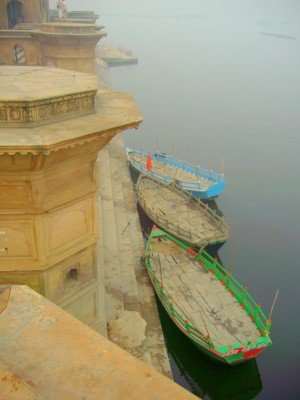
Keshi Ghat / Kesi Ghat
Some quick example text to build on the card title and make up the bulk of the card's content.
Go somewhere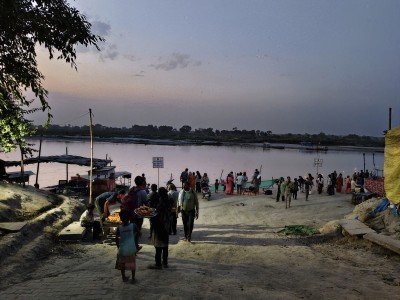
Kesi Ghat
Some quick example text to build on the card title and make up the bulk of the card's content.
Go somewhere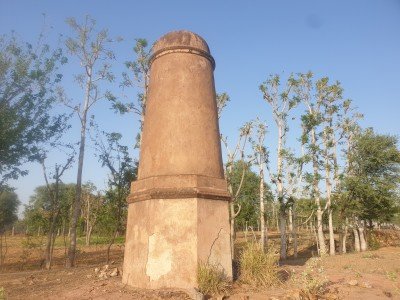
Kos Minar Mile
Some quick example text to build on the card title and make up the bulk of the card's content.
Go somewhere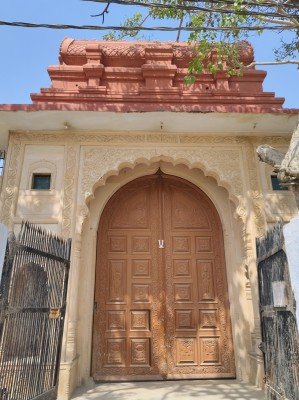
Sri Rangji Mandir
Some quick example text to build on the card title and make up the bulk of the card's content.
Go somewherein Other Cities