How To Reach Indus Valley Civilization
How to Reach
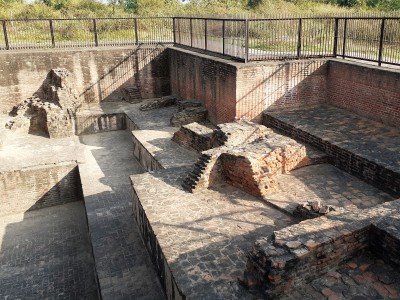
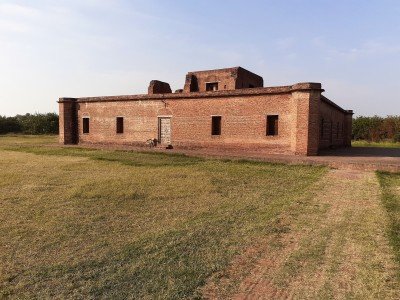
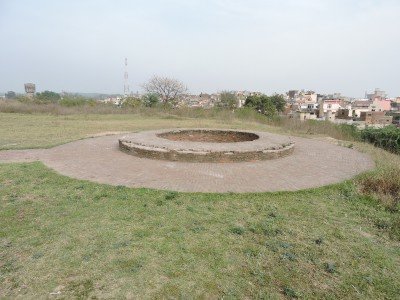
By Train: Rupnagar has its own railway station, Rupnagar Railway Station (RPAR). It is well-connected to major cities in Punjab and Himachal Pradesh. For long-distance travelers, the best option is to take a train to Chandigarh Railway Station (CDG) or Ludhiana Junction (LDH) and then take a connecting local train or bus to Rupnagar. The site is only a short distance (1-2 KM) from the local railway station.
By Road: Rupnagar is easily accessible via National Highway 503 (NH503) and the Chandigarh-Rupnagar highway. The city has excellent bus connectivity. State-run buses (PEPSU, Punjab Roadways) run frequently from Chandigarh (ISBT-43), Mohali, and Ludhiana. The excavation site is located within the old town area, easily reachable from the main bus stand by an auto-rickshaw.
By Local Transport: Once in Rupnagar, local transport like auto-rickshaws, cycle-rickshaws, and electric rickshaws (e-rickshaws) are the most convenient way to reach the site from the railway station or bus stand. The cost is minimal, and the journey is short due to the site's central location.
Rupnagar Itineray And Cost:-
Indus Valley Civilization Tourism:-
Other Places In Rupnagar :-
Other States In India :-
Information about New and Updated Locations() of Punjab Has Been Added :-
Card subtitle
Note:-
Information provided here in good Faith and for reference only.
Near Places
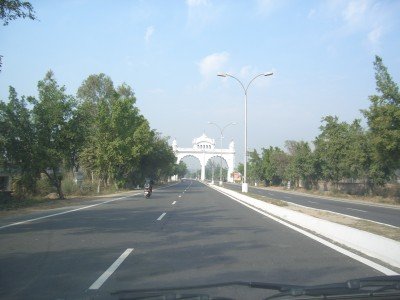
Anandpur Sahib - Chandigarh Highway
Some quick example text to build on the card title and make up the bulk of the card's content.
Go somewhere
Dhaliwal Farm House Siasatpur
Some quick example text to build on the card title and make up the bulk of the card's content.
Go somewhere
Guru Nanak Sacred Forest
Some quick example text to build on the card title and make up the bulk of the card's content.
Go somewhere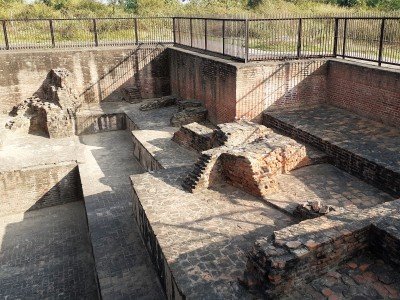
Gurudwara Bhabour Sahib
Some quick example text to build on the card title and make up the bulk of the card's content.
Go somewhere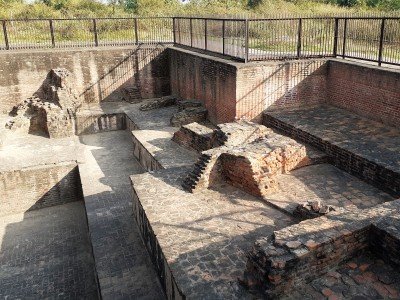
Indus Valley Civilization
Some quick example text to build on the card title and make up the bulk of the card's content.
Go somewhere
Kiratpur Sahib Bridge
Some quick example text to build on the card title and make up the bulk of the card's content.
Go somewhere
Maharaja Ranjit Singh Park
Some quick example text to build on the card title and make up the bulk of the card's content.
Go somewhere
Makbra
Some quick example text to build on the card title and make up the bulk of the card's content.
Go somewhere
Nangal Wildlife Sanctuary
Some quick example text to build on the card title and make up the bulk of the card's content.
Go somewhere
Panj Pyare Khanda Monument
Some quick example text to build on the card title and make up the bulk of the card's content.
Go somewhere
Ramlila Ground
Some quick example text to build on the card title and make up the bulk of the card's content.
Go somewhere
Ropar Head Works Park
Some quick example text to build on the card title and make up the bulk of the card's content.
Go somewhere
Ropar Wetland
Some quick example text to build on the card title and make up the bulk of the card's content.
Go somewhere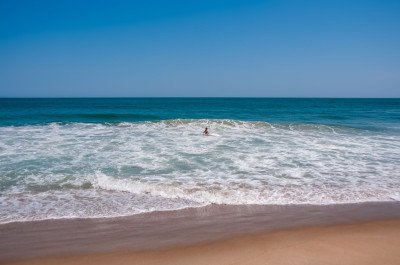
Satluj Beach
Some quick example text to build on the card title and make up the bulk of the card's content.
Go somewhere
Syl Crossing
Some quick example text to build on the card title and make up the bulk of the card's content.
Go somewhere
The Kikar Water Front Restaurant
Some quick example text to build on the card title and make up the bulk of the card's content.
Go somewhere