Travel Tips Of Indus Valley Civilization
Tourism Tips
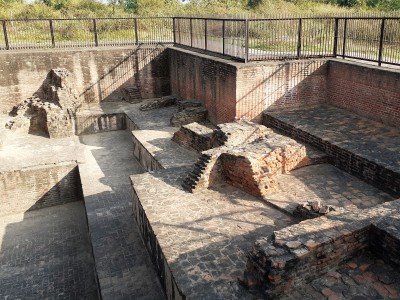
Packing: Carry a small notebook and pen to take notes on the six cultural periods and key artifacts. If you plan to sketch, bring appropriate materials. Due to the sensitive nature of the site, avoid carrying large bags; a small day pack is sufficient.
Accommodation:
Accommodation can be found in Rupnagar town, ranging from budget guesthouses to mid-range hotels. For higher-end or chain hotels, it is recommended to stay in nearby Chandigarh or Mohali (60 KM away) and make a day trip to Rupnagar.
Respect Local Guidelines: The site is protected by the Archaeological Survey of India (ASI). Do not touch, climb on, or disturb any remnants. Follow the instructions of the museum and security staff strictly. Photography is usually allowed but confirm any specific restrictions.
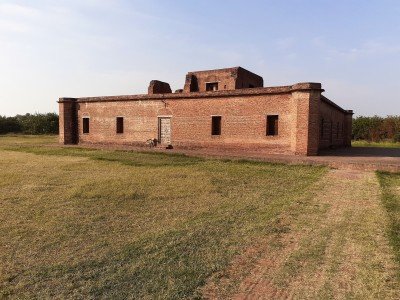
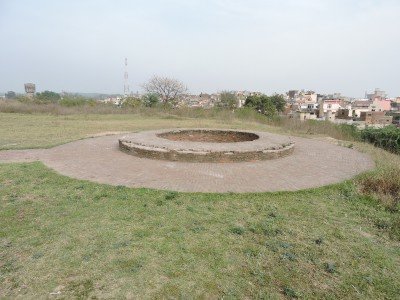
Pre-Visit Research: Read up on the Indus Valley Civilization and the specific discoveries at Ropar before your visit. This will greatly enhance your understanding and appreciation of the artifacts and the site's significance.
Rupnagar Itineray And Cost:-
Indus Valley Civilization Tourism:-
Other Places In Rupnagar :-
Other States In India :-
Information about New and Updated Locations() of Punjab Has Been Added :-
Card subtitle
Note:-
Information provided here in good Faith and for reference only.
Near Places
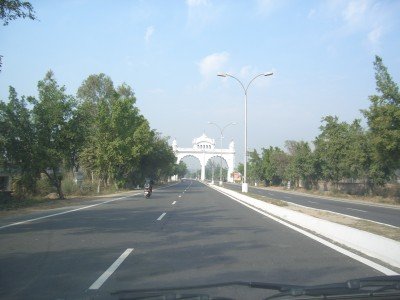
Anandpur Sahib - Chandigarh Highway
Some quick example text to build on the card title and make up the bulk of the card's content.
Go somewhere
Dhaliwal Farm House Siasatpur
Some quick example text to build on the card title and make up the bulk of the card's content.
Go somewhere
Guru Nanak Sacred Forest
Some quick example text to build on the card title and make up the bulk of the card's content.
Go somewhere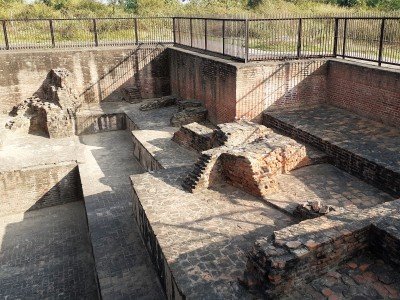
Gurudwara Bhabour Sahib
Some quick example text to build on the card title and make up the bulk of the card's content.
Go somewhere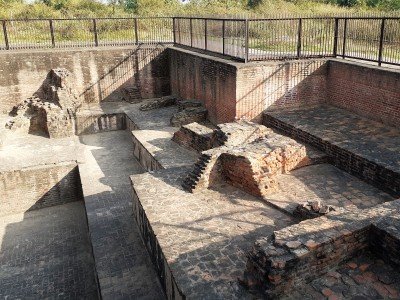
Indus Valley Civilization
Some quick example text to build on the card title and make up the bulk of the card's content.
Go somewhere
Kiratpur Sahib Bridge
Some quick example text to build on the card title and make up the bulk of the card's content.
Go somewhere
Maharaja Ranjit Singh Park
Some quick example text to build on the card title and make up the bulk of the card's content.
Go somewhere
Makbra
Some quick example text to build on the card title and make up the bulk of the card's content.
Go somewhere
Nangal Wildlife Sanctuary
Some quick example text to build on the card title and make up the bulk of the card's content.
Go somewhere
Panj Pyare Khanda Monument
Some quick example text to build on the card title and make up the bulk of the card's content.
Go somewhere
Ramlila Ground
Some quick example text to build on the card title and make up the bulk of the card's content.
Go somewhere
Ropar Head Works Park
Some quick example text to build on the card title and make up the bulk of the card's content.
Go somewhere
Ropar Wetland
Some quick example text to build on the card title and make up the bulk of the card's content.
Go somewhere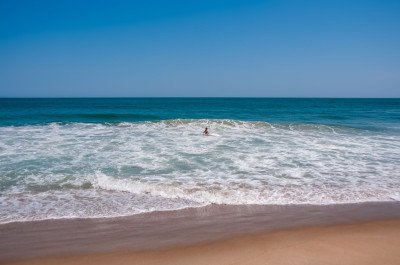
Satluj Beach
Some quick example text to build on the card title and make up the bulk of the card's content.
Go somewhere
Syl Crossing
Some quick example text to build on the card title and make up the bulk of the card's content.
Go somewhere
The Kikar Water Front Restaurant
Some quick example text to build on the card title and make up the bulk of the card's content.
Go somewhere