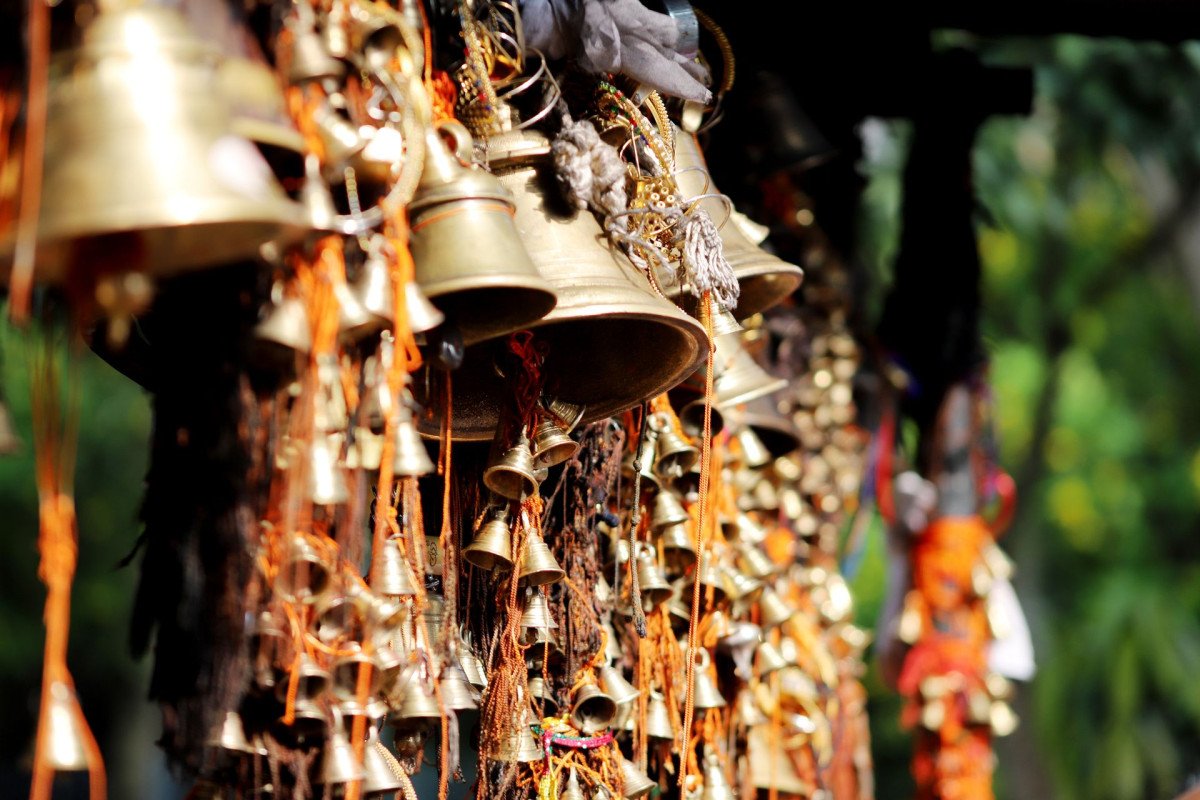
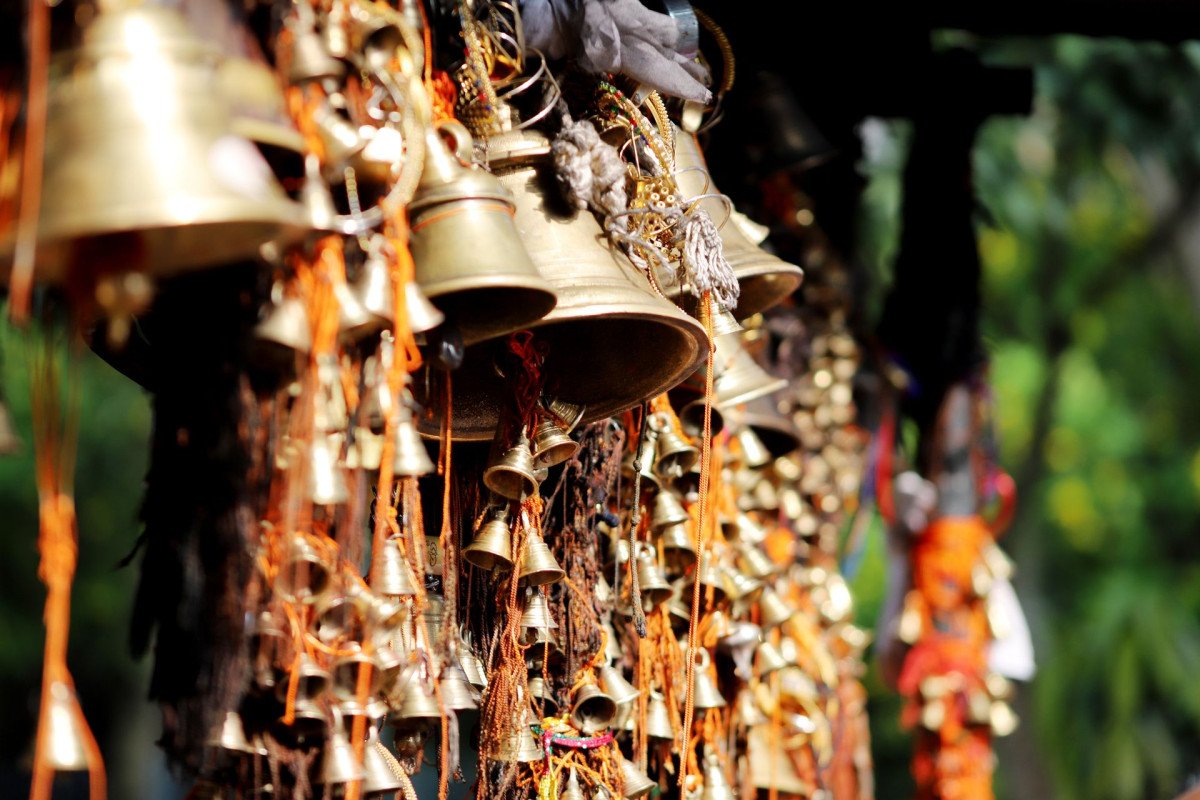
Indrasani Mansa Devi Temple
General information
-
Ideal Duration:
1-2 HoursPlace Type:
Religious Site, Ancient TempleEntry Fees:
Donation-Based Darshan Policy: The Indrasani Mansa Devi Temple generally does not charge a mandatory entry fee for darshan, adhering to the common practice of most Hindu temples in the region, which welcome all devotees freely.
Voluntary Offerin...Donation-Based Darshan Policy: The Indrasani Mansa Devi Temple generally does not charge a mandatory entry fee for darshan, adhering to the common practice of most Hindu temples in the region, which welcome all devotees freely.
Voluntary Offerings and Hawan Fees: While entry is free, pilgrims are encouraged to make voluntary cash or kind offerings (bheta) at the hundi (donation box). Separate, nominal fees might be applicable if a devotee wishes to sponsor or perform specific, elaborate pujas, havans (fire rituals), or abhisheks (ritual bathing of the idol) with the help of the resident priest. These ritual fees are typically used for the temple's maintenance, priest's livelihood, and charitable activities.
Photography and Guide Charges: There are usually no charges for personal photography within the general premises, but permission should be sought before clicking pictures of the main deity. There are no official guide charges, though local guides might charge a fee for their services from the main road to the temple.Timing:
Regular Temple Schedule: Morning Aarti and Opening from approximately 6:00 AM to 1:00 PM (for morning rituals and darshan); Evening Closing and Aarti from approximately 4:00 PM to 8:00 PM (for afternoon darshan and evening rituals), but these timings can vary based on the s...Regular Temple Schedule: Morning Aarti and Opening from approximately 6:00 AM to 1:00 PM (for morning rituals and darshan); Evening Closing and Aarti from approximately 4:00 PM to 8:00 PM (for afternoon darshan and evening rituals), but these timings can vary based on the season and local priest's routine, especially during major festivals like Navratras or Mahashivratri.
Ideal Visit Time: The best time for a serene visit is early morning, right after the temple opens, or late afternoon, just before the evening aarti, to avoid crowds and experience a peaceful, spiritual ambiance amidst the cool Himalayan air, allowing for quiet reflection.Special Events:
The Annual Navratra Festival Celebration: The most significant special event is the grand celebration during the Navratras (Chaitra and Sharad) when the temple is exceptionally decorated, and a large number of devotees gather.
Jakh Devta Fair:The Annual Navratra Festival Celebration: The most significant special event is the grand celebration during the Navratras (Chaitra and Sharad) when the temple is exceptionally decorated, and a large number of devotees gather.
Jakh Devta Fair: A local fair, particularly around the time of Baisakhi (April), is often held in honor of Jakh Devta, whose shrine is part of the complex, featuring traditional music, dance, and community feasts.
Mansa Puja on Nag Panchami: The festival of Nag Panchami, dedicated to the worship of snakes, is celebrated with great devotion, involving special pujas and rituals at the Mansa Devi Temple in recognition of her role as the Serpent Goddess.Best Photo Spots:
The Temple’s Forecourt View: The open area or forecourt just outside the main temple entrance offers an excellent perspective to capture the entire shrine complex with its surrounding small mandirs and the peaceful mountainous backdrop, especially during the soft light of ...The Temple’s Forecourt View: The open area or forecourt just outside the main temple entrance offers an excellent perspective to capture the entire shrine complex with its surrounding small mandirs and the peaceful mountainous backdrop, especially during the soft light of sunrise.
Panoramic Valley Vistas: Locate a spot slightly above the temple, perhaps along the approach path, to capture wide-angle shots of the Mandakini River Valley and the undulating Himalayan foothills stretching out, perfect for landscape photography.
Architectural Details and Shrines: Focus on the intricate, weather-worn stone masonry and any old wood carvings of the temple structure, or capture the unique idols and prayer flags of the surrounding shrines like Jalkedareshwar and Khetrapal for detailed, close-up shots.Photo Gallery
Things To Do
-
Witness the Ritualistic Aarti and Offerings: Participate in the morning and evening aartis to experience the temple's spiritual energy and witness the traditional Garhwali rituals and chants.
Meditate in the Tranquil Complex: Find a quiet corner within the temple premises, perhaps near the smaller shrines, to practice meditation and soak in the serene, sacred atmosphere.
Explore the Surrounding Village Kandali Patti: Take a walk through the nearby Kandali Patti Village to observe the authentic life, culture, and architecture of the Garhwal people, offering a glimpse into their religious practices and lifestyle.
Trek to the Jakh Devta Shrine: Undertake a short but rewarding trek to the nearby Jakh Devta Temple, often situated at a slightly higher elevation, provid...Witness the Ritualistic Aarti and Offerings: Participate in the morning and evening aartis to experience the temple's spiritual energy and witness the traditional Garhwali rituals and chants.
Meditate in the Tranquil Complex: Find a quiet corner within the temple premises, perhaps near the smaller shrines, to practice meditation and soak in the serene, sacred atmosphere.
Explore the Surrounding Village Kandali Patti: Take a walk through the nearby Kandali Patti Village to observe the authentic life, culture, and architecture of the Garhwal people, offering a glimpse into their religious practices and lifestyle.
Trek to the Jakh Devta Shrine: Undertake a short but rewarding trek to the nearby Jakh Devta Temple, often situated at a slightly higher elevation, providing panoramic views of the valley and an opportunity for nature photography.
Consult Local Priests for Folklore: Engage respectfully with the temple priests or local elders to learn more about the specific folklore, healing powers, and lesser-known legends of Mansa Devi and the origin of the temple, enriching the spiritual and historical understanding of the place.
Photography of the Himalayan Scenery: Capture the picturesque setting of the temple against the backdrop of the Garhwal mountains and the lush, green surroundings.
Try Local Garhwali Cuisine: Seek out local eateries in the nearby town of Tilwara (about 6 kms away) to savor authentic Garhwali dishes like Kafuli, Chainsoo, or Fannah, experiencing the unique flavors of the region.
Purchase Religious Souvenirs: Buy small religious items or local handicrafts from the few shops outside the temple to remember the spiritual visit.
Hike to Scenic Overlooks: Follow the small pathways leading away from the temple to discover hidden viewpoints offering expansive vistas of the Mandakini Valley.
Observe the Architectural Details: Spend time studying the unique blend of simple stone architecture and any preserved ancient carvings in the temple structure.
Information
-
Why Famous:
The Benevolent Serpent Goddess: Indrasani Mansa Devi Temple is renowned for its central deity, Mansa Devi, who is worshipped as the Goddess capable of curing snake bites and offering protection from poison, a powerful belief in regions with dense forests.
Read MoreThe Benevolent Serpent Goddess: Indrasani Mansa Devi Temple is renowned for its central deity, Mansa Devi, who is worshipped as the Goddess capable of curing snake bites and offering protection from poison, a powerful belief in regions with dense forests.
A Sanctuary of Adi Shankaracharya: The belief that the temple was established during the time of the great philosopher and saint Adi Shankaracharya lends immense historical and religious weight, connecting it directly to the revitalization of Hinduism in the 8th century.
The Confluence of Divine Sites: Its location is spiritually significant as it is surrounded by other important shrines like the Jakh Devta Temple and the Jalkedareshwar Temple, making the entire complex a focal point for local religious practices and rituals.
Mention in Sacred Texts: The temple's fame is amplified by its mention in the Skanda Purana and Kedarkhand, which detail the origin and significance of Indrasani Mansa Devi, drawing devotees who follow these ancient scriptures.Architecture:
Traditional Himalayan Temple Design: The architecture of Indrasani Mansa Devi Temple is a classic example of the indigenous North Indian Himalayan Temple style, characterized by its simple yet enduring stone and wood construction designed to withstand the region's harsh weat...Traditional Himalayan Temple Design: The architecture of Indrasani Mansa Devi Temple is a classic example of the indigenous North Indian Himalayan Temple style, characterized by its simple yet enduring stone and wood construction designed to withstand the region's harsh weather conditions.
Material and Foundation: The temple primarily utilizes locally sourced, rough-hewn stone for its foundation and walls, providing robust structural integrity. The superstructure often incorporates intricately carved wooden elements, particularly in the roof support and facade, though this temple maintains a more ancient, less ornate appearance.
Sanctum and Shrine: The main shrine, or Garbhagriha, houses the idol of Goddess Mansa Devi. The overall layout is compact, reflecting a design focused on the sanctum sanctorum.
Roof Style: The roofing typically features a sloped stone or slate roof to handle heavy rainfall and snowfall, a hallmark of high-altitude Himalayan architecture.
Surrounding Structures: The presence of smaller surrounding shrines, such as those dedicated to Jalkedareshwar and Khetrapal, indicates a complex of worship centers, often arranged around a central courtyard or flat area.
Dimension: While specific architectural blueprints are unavailable, Himalayan temples are generally smaller in scale compared to those on the plains, often measuring approximately 10 meters in width and 15 meters in length, with the main structure rising to a modest height of about 8-10 meters, emphasizing spiritual containment over grand verticality, making it blend seamlessly with the mountainous backdrop.How To Reach:
By Air: Nearest is Jolly Grant Airport, Dehradun (DED), approximately 159 kms away. From the airport, hire a pre-paid taxi or take a bus service towards Rudraprayag. The journey takes about 5-6 hours.
By Train: Nearest major railhead is Ri...By Air: Nearest is Jolly Grant Airport, Dehradun (DED), approximately 159 kms away. From the airport, hire a pre-paid taxi or take a bus service towards Rudraprayag. The journey takes about 5-6 hours.
By Train: Nearest major railhead is Rishikesh Railway Station (RKSH), approximately 140 kms away. Haridwar Railway Station (HW) is also a major option, about 163 kms away. Both stations are well-connected to major Indian cities. From the station, frequent bus services and shared/private taxis are available directly to Rudraprayag, followed by local transport to the temple.
By Road: Rudraprayag is located on the NH7 (part of the Char Dham route) and is excellently connected by motorable roads. Regular state-run buses (Uttarakhand Roadways) and private bus operators run services from Delhi, Dehradun, Rishikesh, and Haridwar. The temple is about 14 kms from the main Rudraprayag town. Take a local jeep or private taxi from the Rudraprayag bus stand to Kandali Patti Village.
By Local Transport: From Rudraprayag city center, shared local taxis (called 'Max' or 'Jeeps') are the most common and economical way to reach the vicinity of the temple near Kandali Patti. Private taxis can be hired for a dedicated trip.Weather and Best Time to Visit:
Seasons for Pilgrimage: The Summer season (April to June) offers the most pleasant weather for visiting, with comfortable temperatures, making it ideal for devotees and general tourists alike. The post-monsoon months of September to November are also excellent, offering cle...Seasons for Pilgrimage: The Summer season (April to June) offers the most pleasant weather for visiting, with comfortable temperatures, making it ideal for devotees and general tourists alike. The post-monsoon months of September to November are also excellent, offering clear skies and vibrant greenery. The Monsoon season (July and August) is risky due to heavy rains and the potential for landslides, while the Winter months (December to March) are very cold, sometimes with road closures due to snowfall.
Ideal Parts of the Day: Early Morning (6:00 AM - 9:00 AM) is best for spiritual solitude, experiencing the Mangal Aarti and enjoying the fresh, crisp mountain air. Late Afternoon (4:00 PM - 6:00 PM) is a good time for a peaceful darshan before the evening rush.Near Tourist Places:
Koteshwar Mahadev Temple (3 kms), Rudraprayag Sangam (4 kms), Narad Shila (4 kms), Augustmuni (18 kms), Sirbandeshwar Temple (5 kms), Kartik Swami Temple (40 kms), Khirsu (45 kms), Dhari Devi Temple (16 kms), Guptkashi (45 kms), Deoria Tal (49 kms).Tourism Tips
-
Health & Safety: Given the high-altitude region, carry basic first-aid, hydration salts, and any necessary personal medication. Be cautious of stray animals, particularly monkeys, near the temple. Always be mindful of the steep stone steps near the temple and wear comforta...Health & Safety: Given the high-altitude region, carry basic first-aid, hydration salts, and any necessary personal medication. Be cautious of stray animals, particularly monkeys, near the temple. Always be mindful of the steep stone steps near the temple and wear comfortable, non-slip footwear.
Packing: Pack layers of clothing regardless of the season, as mountain weather can change quickly. Even in summer, evenings are cool. In winter, heavy woolens are essential. Carry rain gear (umbrella/poncho) during the monsoon. A strong flashlight or headlamp is advisable for early morning or late evening visits.
Accommodation: Accommodation options are best found in the main Rudraprayag town or nearby Tilwara, ranging from budget guesthouses and dharamshalas to mid-range hotels, but booking ahead, especially during the peak Char Dham Yatra season, is highly recommended.
Other Different Topics: Always remove footwear and cover your head before entering the temple; photography of the main deity is often restricted. Respect local customs and the sanctity of the religious site. Engage a local guide or driver for clear directions, as the temple is slightly off the main highway.
Reviews
FAQs
Rudraprayag Itineray And Cost:-
Indrasani Mansa Devi Temple Tourism:-
Other Places In Rudraprayag :-
Other States In India :-
Information about New and Updated Locations() of Uttarakhand Has Been Added :-
Card subtitle
Note:-
Information provided here in good Faith and for reference only.
Near Places

Agastyamuni Temple
Some quick example text to build on the card title and make up the bulk of the card's content.
Go somewhere
Augustmuni Town
Some quick example text to build on the card title and make up the bulk of the card's content.
Go somewhere
Basukedar Temple
Some quick example text to build on the card title and make up the bulk of the card's content.
Go somewhere
Deoria Tal Lake
Some quick example text to build on the card title and make up the bulk of the card's content.
Go somewhere
Dhari Devi Temple
Some quick example text to build on the card title and make up the bulk of the card's content.
Go somewhere
Gaurikund
Some quick example text to build on the card title and make up the bulk of the card's content.
Go somewhere
Indrasani Mansa Devi Temple
Some quick example text to build on the card title and make up the bulk of the card's content.
Go somewhere
Jakholi Village
Some quick example text to build on the card title and make up the bulk of the card's content.
Go somewhere
Kalimath Temple
Some quick example text to build on the card title and make up the bulk of the card's content.
Go somewhere
Kartik Swami Temple
Some quick example text to build on the card title and make up the bulk of the card's content.
Go somewhere
Koteshwar Mahadev Temple
Some quick example text to build on the card title and make up the bulk of the card's content.
Go somewhere
Okhimath
Some quick example text to build on the card title and make up the bulk of the card's content.
Go somewhere
Phata
Some quick example text to build on the card title and make up the bulk of the card's content.
Go somewhere
Rudranath Temple
Some quick example text to build on the card title and make up the bulk of the card's content.
Go somewhere
Rudraprayag
Some quick example text to build on the card title and make up the bulk of the card's content.
Go somewhere
Rudraprayag Sangam
Some quick example text to build on the card title and make up the bulk of the card's content.
Go somewherein Other Cities