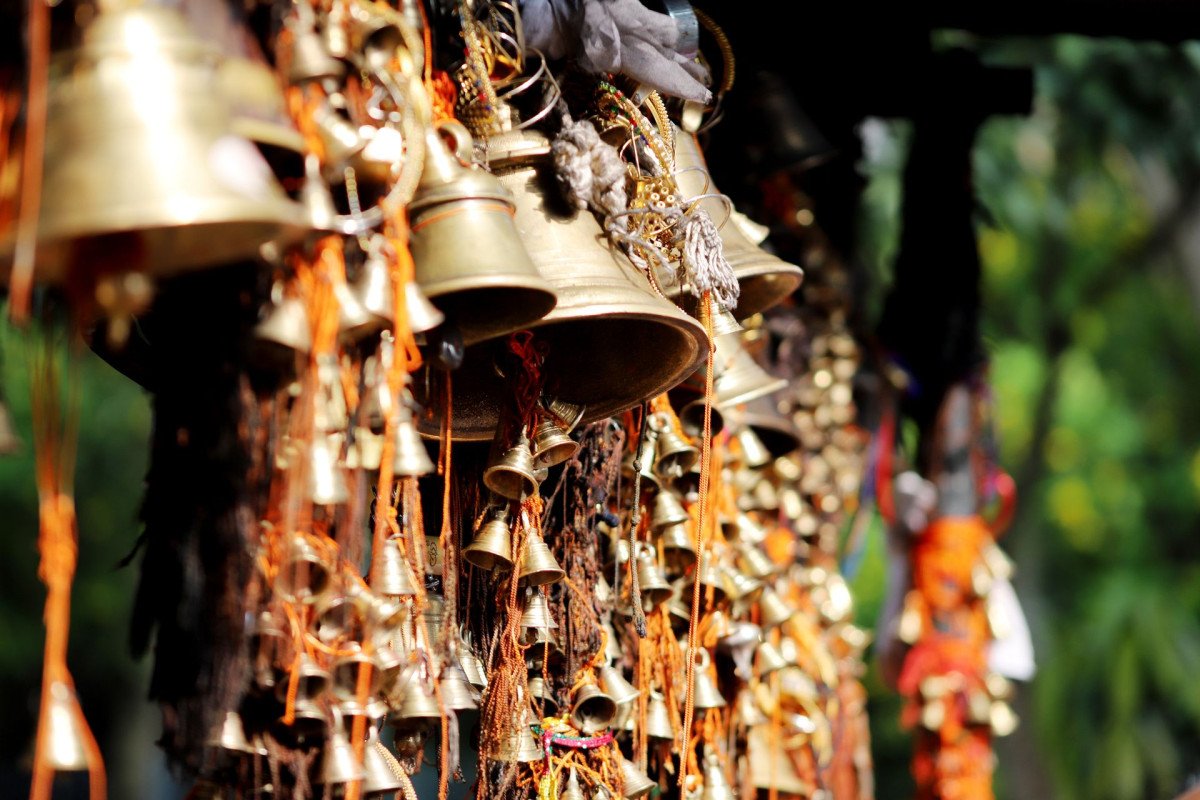
Koteshwar Mahadev Temple
General information
-
Ideal Duration:
1-2 HoursPlace Type:
Religious Site, Cave TempleEntry Fees:
Free Darshan Access: Entry to the Koteshwar Mahadev Temple is free for all visitors and devotees, following the tradition of major Hindu temples.
Abhishek and Puja Sponsorship: While general entry is free, devotees who wish to perform a spec...Free Darshan Access: Entry to the Koteshwar Mahadev Temple is free for all visitors and devotees, following the tradition of major Hindu temples.
Abhishek and Puja Sponsorship: While general entry is free, devotees who wish to perform a specific Rudrabhishek, Maha Mrityunjaya Jaap, or any elaborate puja with the priest must pay a service fee or dakshina (donation) to cover the cost of materials and the priest's service. The typical cost for such specialized rituals can range from a nominal amount to a few thousand rupees, depending on the complexity of the ceremony.
Footwear and Parking: There is no charge for parking vehicles near the main road or for storing footwear at the designated counter. All revenue for the temple is primarily based on voluntary donations (bheta) from the devotees.Timing:
Regular Temple Hours: The temple is generally open for darshan from approximately 6:00 AM to 8:00 PM daily, with a possible short midday break around 1:00 PM to 4:00 PM in the off-peak season, and these times are subject to change based on the daily ritual schedule of the pr...Regular Temple Hours: The temple is generally open for darshan from approximately 6:00 AM to 8:00 PM daily, with a possible short midday break around 1:00 PM to 4:00 PM in the off-peak season, and these times are subject to change based on the daily ritual schedule of the priests and the seasonal influx of pilgrims.
Ideal Visit Time: Early Morning (6:00 AM - 9:00 AM) is perfect for a peaceful visit, allowing time for quiet meditation in the cave without the rush of crowds. Late Afternoon (4:00 PM - 6:00 PM) offers softer light for photography and a serene atmosphere, leading up to the evening aarti.Special Events:
The Mahashivratri Festival Grandeur: Koteshwar Mahadev Temple celebrates Mahashivratri with immense fervor, as it is a dedicated Shiva temple. The cave is particularly decorated, and special night-long pujas and bhajans are held, drawing thousands of devotees to seek blessi...The Mahashivratri Festival Grandeur: Koteshwar Mahadev Temple celebrates Mahashivratri with immense fervor, as it is a dedicated Shiva temple. The cave is particularly decorated, and special night-long pujas and bhajans are held, drawing thousands of devotees to seek blessings on this holiest of nights for Lord Shiva.
The Shrawan Month Devotion: The entire Shrawan month (July-August) is considered highly auspicious for worshipping Lord Shiva. Special abhisheks, rudrabhisheks, and aartis are performed daily, with a continuous flow of devotees offering holy water (gangajal) to the linga.
Maha Yagya for Fertility: Special maha yagyas or puja ceremonies related to fertility and progeny are sometimes organized at the temple, particularly on auspicious dates, attracting a large number of aspiring parents.Best Photo Spots:
Cave Temple Entrance and Steps: The best spot is capturing the cave's opening framed by the carved stone steps, often with the sunlight filtering down, creating a dramatic, mystical composition.
The Alaknanda River Viewpoint: Stand on the ed...Cave Temple Entrance and Steps: The best spot is capturing the cave's opening framed by the carved stone steps, often with the sunlight filtering down, creating a dramatic, mystical composition.
The Alaknanda River Viewpoint: Stand on the edge of the temple complex to capture the swift current of the Alaknanda River as it flows past the sacred site, with the towering Garhwal hills in the background.
The Swayambhu Linga (Exterior Shot): Capture the immediate area around the main sanctum (with priest permission), focusing on the drip of water onto the linga or the intricate puja setup, capturing the spiritual mood.
Monsoon Cascade Shot: (If visiting during the monsoon) Photograph the temporary natural waterfall cascading down the rock face near the entrance.Photo Gallery
Things To Do
-
Perform Jal Abhishek: Participate in the ritual of Jal Abhishek (offering water) to the Shivalinga, as the temple is uniquely positioned for this with the constant natural drip of water from the cave roof.
Meditate in the Cave's Aura: The dark, cool, and ancient atmosphere of the cave is ideal for deep meditation and experiencing the powerful spiritual energy of Lord Shiva's meditative retreat.
Observe the River Alaknanda: Spend time on the ghats or platforms outside the cave entrance, watching the turbulent flow of the sacred Alaknanda River and the surrounding mountain scenery.
Photography of the Cave Entrance: Capture the dramatic entrance of the cave, framed by the stone steps and the riverbank setting, especially the view looking down towards the river.
...Perform Jal Abhishek: Participate in the ritual of Jal Abhishek (offering water) to the Shivalinga, as the temple is uniquely positioned for this with the constant natural drip of water from the cave roof.
Meditate in the Cave's Aura: The dark, cool, and ancient atmosphere of the cave is ideal for deep meditation and experiencing the powerful spiritual energy of Lord Shiva's meditative retreat.
Observe the River Alaknanda: Spend time on the ghats or platforms outside the cave entrance, watching the turbulent flow of the sacred Alaknanda River and the surrounding mountain scenery.
Photography of the Cave Entrance: Capture the dramatic entrance of the cave, framed by the stone steps and the riverbank setting, especially the view looking down towards the river.
Trek to a Nearby Viewpoint: Explore the short trails and paths above the temple to find elevated viewpoints that offer a panoramic shot of the river, the cave area, and the surrounding Rudraprayag landscape, perfect for nature photography.
Attend the Evening Aarti: The aarti performed here is often simple yet very soulful, offering a serene end to the day.
Seek Blessings for Progeny: For couples, performing a special puja for progeny is a key spiritual activity here, following local traditions.
Identify the Natural Lingas: Look closely at the cave walls and rock formations to spot the naturally formed Shivalingas that give the temple its fame.
Enjoy the Serene Drive: The short drive from Rudraprayag to the temple is scenic, running along the river, and can be enjoyed by car or on a slow walk.
Contribute to Temple Maintenance: Offer a small donation for the upkeep of the steps and the temple premises.
Information
-
Why Famous:
The Retreat of Lord Shiva: Its fame stems from the mythology that Lord Shiva meditated here for a long time while hiding from the demon Bhasmasura, making it a place of immense power and divine refuge.
The Koti Shivalingas: The belief that t...The Retreat of Lord Shiva: Its fame stems from the mythology that Lord Shiva meditated here for a long time while hiding from the demon Bhasmasura, making it a place of immense power and divine refuge.
The Koti Shivalingas: The belief that the cave houses a koti (ten million) of naturally formed Shivalingas within its walls is a major draw for pilgrims, signifying a massive concentration of divine energy.
Proximity to Rudraprayag Sangam: Its location just 3 kms from the sacred confluence of the Alaknanda and Mandakini rivers makes it an essential and easily accessible pilgrimage point for yatris visiting the Sangam.
A Cure for Infertility: The temple is specifically famous among childless couples who visit and pray to Lord Shiva here, believing in the divine power of the deity to grant them progeny, making it a sacred site for familial blessings. -
Architecture:
Cave Temple Architecture and Natural Formation: The architectural distinctiveness of the Koteshwar Mahadev Temple lies in its being a naturally formed cave that has been minimally modified for worship, a stark contrast to typical Himalayan temples.
Read MoreCave Temple Architecture and Natural Formation: The architectural distinctiveness of the Koteshwar Mahadev Temple lies in its being a naturally formed cave that has been minimally modified for worship, a stark contrast to typical Himalayan temples.
The Cave Structure: The primary structure is a vast, naturally occurring limestone cave, a geological wonder, with the rock face acting as the temple walls and roof.
Rock-Cut Steps and Path: In medieval times, the Garhwal rulers enhanced accessibility by creating a series of about 100 rock steps and pathways, often carved with granite and featuring simple carvings, to allow devotees to descend safely to the river level.
The Swayambhu Linga: The centerpiece is the Swayambhu Shivalinga, an un-sculpted, naturally formed thick black stone, which is the main object of worship.
Natural Water Flow: A key architectural and spiritual feature is the natural spring water that perpetually flows down from the cave ceiling, dripping onto the Shivalinga—a process known as Jal Abhishek (ritual bathing)—creating an ever-present, naturally divine ritual.
Dimension and Ambiance: The cave's dimensions are difficult to quantify precisely, but the worship area is a dark, small, and intensely charged space, perhaps only 5 meters wide and 10 meters deep, focused solely on the sacred Shivalinga and the numerous smaller, naturally formed rock protuberances resembling lingas within the confines of the sacred grotto.How To Reach:
By Air: Nearest is Jolly Grant Airport, Dehradun (DED), approximately 159 kms away. From the airport, one can hire a taxi or take a bus service to Rudraprayag. The road journey is scenic but takes about 5-6 hours.
By Train: Nearest railhea...By Air: Nearest is Jolly Grant Airport, Dehradun (DED), approximately 159 kms away. From the airport, one can hire a taxi or take a bus service to Rudraprayag. The road journey is scenic but takes about 5-6 hours.
By Train: Nearest railheads are Rishikesh Railway Station (RKSH), approximately 142 kms, and Haridwar Railway Station (HW), about 163 kms away. Buses and taxis are readily available from both stations to Rudraprayag.
By Road: Rudraprayag is a major junction on NH7 (Char Dham Highway). State and private buses operate frequently from major cities like Delhi, Dehradun, and Haridwar to Rudraprayag bus stand. The temple is only 3 kms from the bus stand. Cross the bridge on the Kedarnath Highway and take the Rudraprayag-Pokhari road towards the District Court.
By Local Transport: From the Rudraprayag town center or bus stand, a private taxi can be hired, or a local shared jeep/auto can be taken to the temple site. The final 300 meters descent to the temple requires walking down about 100 steps.Weather and Best Time to Visit:
Seasons for Visit: The best time is during Summer (April to June) and Autumn (September to November), when the weather is cool and pleasant for descending and ascending the steps. Monsoon (July and August) should be approached with extreme caution due to slippery steps and ...Seasons for Visit: The best time is during Summer (April to June) and Autumn (September to November), when the weather is cool and pleasant for descending and ascending the steps. Monsoon (July and August) should be approached with extreme caution due to slippery steps and potential landslides, though the sight of the water cascade is unique. Winter (December to March) is very cold but offers a clear sky, and the area is less crowded.
Ideal Parts of the Day: Sunrise Hours are excellent for photography as the light hits the mountain and the river. Mid-day is generally manageable but can be warmer on the climb. Late Afternoon is calmer and offers a beautiful, reflective mood as the day ends.Near Tourist Places:
Rudraprayag Sangam (3 kms), Narad Shila (3 kms), Indrasani Mansa Devi Temple (14 kms), Augustmuni (18 kms), Sirbandeshwar Temple (5 kms), Kartik Swami Temple (40 kms), Khirsu (45 kms), Dhari Devi Temple (16 kms), Guptkashi (45 kms), Deoria Tal (49 kms).Tourism Tips
-
Health & Safety: Be extremely careful on the 100 steep, rock-cut steps, which can be slippery, especially during or after rain. Wear sturdy, non-slip shoes. Carry water, as the climb back up can be taxing. Respect the sanctity of the cave environment.
Read MoreHealth & Safety: Be extremely careful on the 100 steep, rock-cut steps, which can be slippery, especially during or after rain. Wear sturdy, non-slip shoes. Carry water, as the climb back up can be taxing. Respect the sanctity of the cave environment.
Packing: Carry minimal belongings for the descent. A light bag, a camera, and a bottle of water are sufficient. Heavy woolens are needed for winter visits.
Accommodation: Good lodging options are easily accessible in the main Rudraprayag town (3 kms away), including both budget and mid-range hotels, making it convenient for an early morning or late evening visit.
Other Different Topics: Avoid shouting or creating loud noises in the cave, as it disturbs the peaceful meditative atmosphere. Always check the weather forecast before traveling to the region, particularly during the monsoon. Local taxi rates should be negotiated beforehand.Reviews
FAQs
Rudraprayag Itineray And Cost:-
Koteshwar Mahadev Temple Tourism:-
Other Places In Rudraprayag :-
Other States In India :-
Information about New and Updated Locations() of Uttarakhand Has Been Added :-
Card subtitle
Note:-
Information provided here in good Faith and for reference only.
Near Places

Agastyamuni Temple
Some quick example text to build on the card title and make up the bulk of the card's content.
Go somewhere
Augustmuni Town
Some quick example text to build on the card title and make up the bulk of the card's content.
Go somewhere
Basukedar Temple
Some quick example text to build on the card title and make up the bulk of the card's content.
Go somewhere
Deoria Tal Lake
Some quick example text to build on the card title and make up the bulk of the card's content.
Go somewhere
Dhari Devi Temple
Some quick example text to build on the card title and make up the bulk of the card's content.
Go somewhere
Gaurikund
Some quick example text to build on the card title and make up the bulk of the card's content.
Go somewhere
Indrasani Mansa Devi Temple
Some quick example text to build on the card title and make up the bulk of the card's content.
Go somewhere
Jakholi Village
Some quick example text to build on the card title and make up the bulk of the card's content.
Go somewhere
Kalimath Temple
Some quick example text to build on the card title and make up the bulk of the card's content.
Go somewhere
Kartik Swami Temple
Some quick example text to build on the card title and make up the bulk of the card's content.
Go somewhere
Koteshwar Mahadev Temple
Some quick example text to build on the card title and make up the bulk of the card's content.
Go somewhere
Okhimath
Some quick example text to build on the card title and make up the bulk of the card's content.
Go somewhere
Phata
Some quick example text to build on the card title and make up the bulk of the card's content.
Go somewhere
Rudranath Temple
Some quick example text to build on the card title and make up the bulk of the card's content.
Go somewhere
Rudraprayag
Some quick example text to build on the card title and make up the bulk of the card's content.
Go somewhere
Rudraprayag Sangam
Some quick example text to build on the card title and make up the bulk of the card's content.
Go somewherein Other Cities