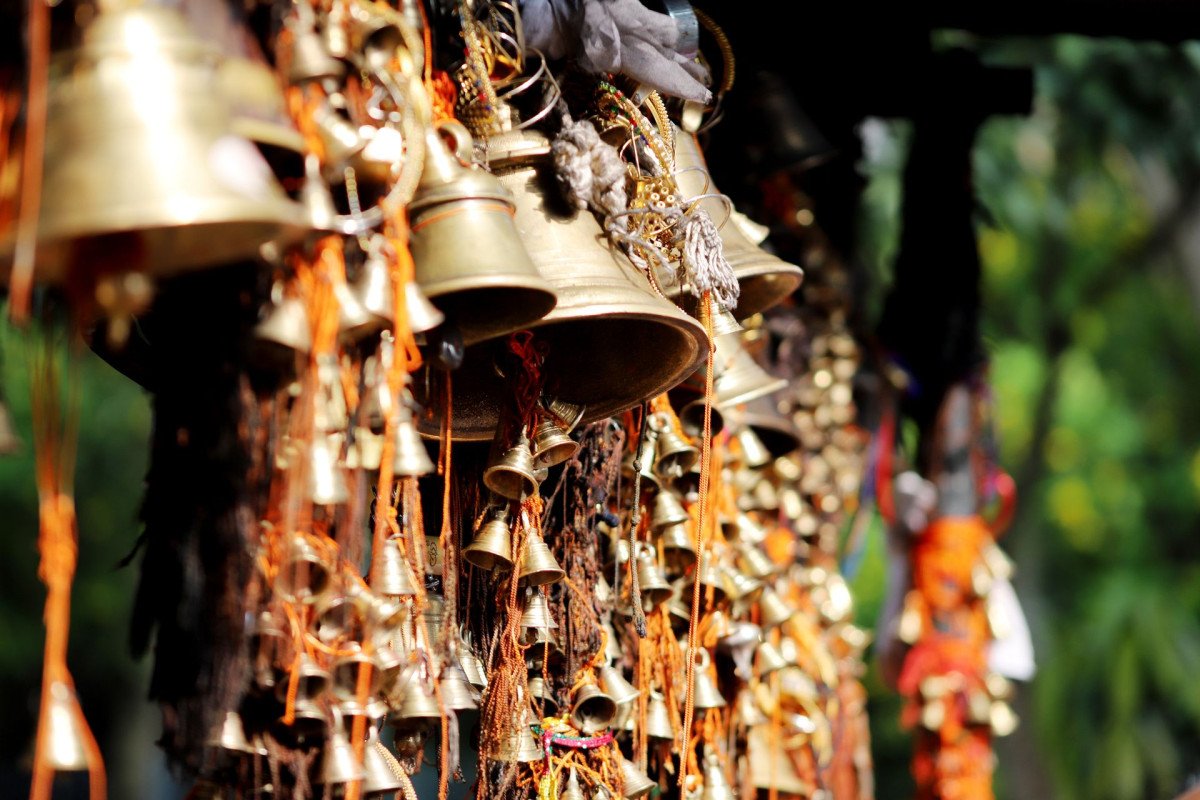
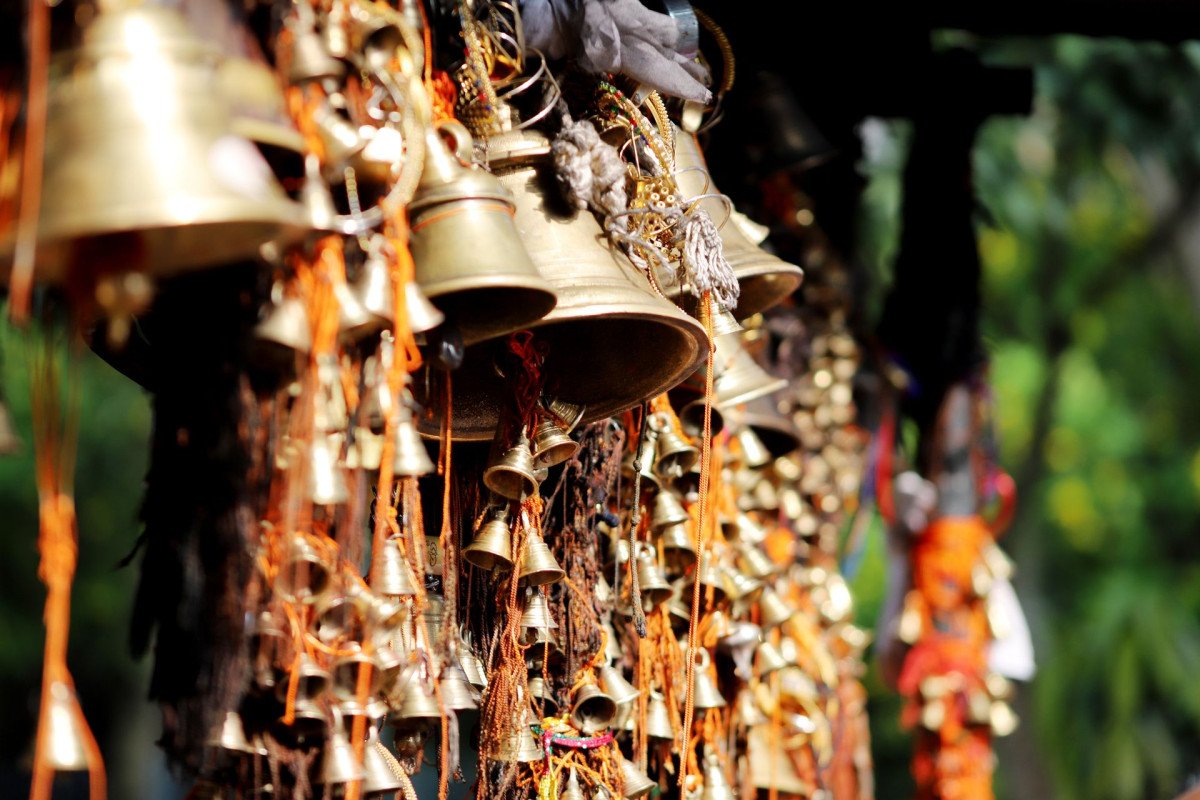
Triyuginarayan Temple
General information
-
Ideal Duration:
03 to 05 HoursPlace Type:
Religious / MythologicalEntry Fees:
Zero Fees: No payment is required for entry; however, pilgrims usually spend Rs 20 to Rs 100 on ceremonial wood for the eternal fire.
Photography Charge: While general photography is free, using professional tripods or filming for commerci...Zero Fees: No payment is required for entry; however, pilgrims usually spend Rs 20 to Rs 100 on ceremonial wood for the eternal fire.
Photography Charge: While general photography is free, using professional tripods or filming for commercial use may require a small permit fee from the temple samiti.Timing:
Regular Timings: The temple doors open at 05:00 AM and close after the evening Aarti at 08:00 PM, remaining open for devotees all day.
Ideal Visit Time: The evening Aarti at 07:00 PM is particularly moving, as the sound of bells echoes thro...Regular Timings: The temple doors open at 05:00 AM and close after the evening Aarti at 08:00 PM, remaining open for devotees all day.
Ideal Visit Time: The evening Aarti at 07:00 PM is particularly moving, as the sound of bells echoes through the silent mountain air.Special Events:
Kartik Purnima: Celebrated in November, the temple is illuminated with thousands of oil lamps, creating a mesmerizing sight under the full moon sky.
Janmashtami: Being a Vishnu temple, the birth of Lord Krishna is celebrated with night-long...Kartik Purnima: Celebrated in November, the temple is illuminated with thousands of oil lamps, creating a mesmerizing sight under the full moon sky.
Janmashtami: Being a Vishnu temple, the birth of Lord Krishna is celebrated with night-long bhajans and a special decoration of the main sanctum.Best Photo Spots:
The Agni Kund: The contrast of the orange flames against the grey ancient stones makes for a dramatic and spiritually evocative photograph.
Village Stone Houses: The traditional architecture of the surrounding village, with its carved woode...The Agni Kund: The contrast of the orange flames against the grey ancient stones makes for a dramatic and spiritually evocative photograph.
Village Stone Houses: The traditional architecture of the surrounding village, with its carved wooden windows, offers a great glimpse into Himalayan heritage. Sunset at 1980m: As the sun sets, the peaks of the Garhwal Himalayas turn pink and gold, providing a breathtaking backdrop for any photographer.Photo Gallery
Things To Do
-
Offer Samidha: Purchase small pieces of wood from local vendors and offer them to the Akhand Dhuni to keep the eternal flame alive and receive holy ash.
Vedic Pathshala: Visit the nearby traditional school where young priests are taught ancient scriptures and the art of performing complex Vedic rituals.
Apple Orchard Walk: Take a leisurely stroll through the village’s apple orchards during August or September to see the trees laden with fresh Himalayan fruit.
Mountain Trekking: Use the temple as a base for a trek to Kedarnath via the old mountain route, which is more scenic and less crowded than the main highway.
Village Homestay: Spend a night in a local home to taste Kafuli and Mandua ki Roti, traditional dishes that are sta...Offer Samidha: Purchase small pieces of wood from local vendors and offer them to the Akhand Dhuni to keep the eternal flame alive and receive holy ash.
Vedic Pathshala: Visit the nearby traditional school where young priests are taught ancient scriptures and the art of performing complex Vedic rituals.
Apple Orchard Walk: Take a leisurely stroll through the village’s apple orchards during August or September to see the trees laden with fresh Himalayan fruit.
Mountain Trekking: Use the temple as a base for a trek to Kedarnath via the old mountain route, which is more scenic and less crowded than the main highway.
Village Homestay: Spend a night in a local home to taste Kafuli and Mandua ki Roti, traditional dishes that are staples of the Garhwali mountain diet.
Meditation by the Kunds: Sit by the Saraswati Kund and practice mindfulness, listening to the natural sounds of the high-altitude environment and bird calls.
Souvenir Shopping: Buy small packets of the sacred ash (Bhasma) and local stone-carved idols of Lord Vishnu from the small stalls lining the temple entrance.
Information
-
Why Famous:
Lord Vishnu as Witness: It is unique because it celebrates Lord Vishnu’s role as the presiding deity of a wedding between Shiva and Parvati.
The Holy Ash: The ash from the Akhand Dhuni is considered extremely sacred and is believed to bri...Lord Vishnu as Witness: It is unique because it celebrates Lord Vishnu’s role as the presiding deity of a wedding between Shiva and Parvati.
The Holy Ash: The ash from the Akhand Dhuni is considered extremely sacred and is believed to bring domestic harmony and prosperity to any household.
Satya Yuga Legacy: It is one of the few places on Earth that claims to have preserved a physical element (the fire) from the first age of the Hindu timeline. -
Architecture:
Nagara Style Influence: The stone slabs used in construction are joined without mortar, a technique common in ancient Himalayan shrines to allow for seismic flexibility.
Dimensions: The temple platform is approximately 60 feet wide, while t...Nagara Style Influence: The stone slabs used in construction are joined without mortar, a technique common in ancient Himalayan shrines to allow for seismic flexibility.
Dimensions: The temple platform is approximately 60 feet wide, while the main idol of Lord Vishnu is a finely polished 2-foot stone statue.
Agni Kund: A four-cornered fireplace located in the front courtyard where the eternal flame is maintained by the local priests and devotees' offerings.
Shikhara: The pyramidal spire is crowned with an Amalaka and a golden Kalash, reflecting the sun’s rays across the valley during the early dawn. -
How To Reach:
By Air: Fly into Jolly Grant Airport; from there, it’s a long but beautiful road journey through Srinagar and Rudraprayag to reach the temple.
By Train: Arrive at Rishikesh Railway Station, then take a bus to Sonprayag; the final 12 km ...By Air: Fly into Jolly Grant Airport; from there, it’s a long but beautiful road journey through Srinagar and Rudraprayag to reach the temple.
By Train: Arrive at Rishikesh Railway Station, then take a bus to Sonprayag; the final 12 km stretch to the temple can be covered by taxi or trekking.
By Road: The temple is accessible via a well-maintained link road from Sonprayag; buses from Delhi or Dehradun go up to Guptkashi or Sonprayag.
By Local Transport: Small 4x4 vehicles like Mahindra Boleros are the best way to navigate the steep and narrow road leading directly to the temple entrance. -
Weather and Best Time to Visit:
Summer (May to June): The weather is bright and sunny, perfect for families and elderly pilgrims to visit without facing harsh mountain cold.
Monsoon (July to August): The hills are alive with greenery and waterfalls, but travelers must be ...Summer (May to June): The weather is bright and sunny, perfect for families and elderly pilgrims to visit without facing harsh mountain cold.
Monsoon (July to August): The hills are alive with greenery and waterfalls, but travelers must be cautious of potential landslides on the narrow mountain roads.
Autumn (October to November): This is the best time for clear mountain views and experiencing the local harvest festivals in the surrounding villages. -
Near Tourist Places:
1. Sonprayag (12km) 2. Gaurikund (17km) 3. Kedarnath (25km) 4. Guptkashi (35km) 5. Ukhimath (45km) 6. Kalimath (48km) 7. Chopta (70km) 8. Rudraprayag (72km) 9. Augustmuni (55km) 10. Deoria Tal (55km)
Tourism Tips
-
Health & Safety: Always carry a first-aid kit and be mindful of your breathing at high altitudes; avoid drinking unfiltered water from open streams.
Packing: Pack layers of clothing (thermals, fleece, and a windcheater) to adapt to the rap...Health & Safety: Always carry a first-aid kit and be mindful of your breathing at high altitudes; avoid drinking unfiltered water from open streams.
Packing: Pack layers of clothing (thermals, fleece, and a windcheater) to adapt to the rapidly changing temperatures of the high Himalayan altitudes.
Cash & Connectivity: Carry sufficient cash as the nearest reliable ATM is in Guptkashi; Airtel and Jio work best, but data speeds can be slow in the village.
Accommodation: Stay at the Triyuginarayan guesthouses for a peaceful experience, or choose Guptkashi for more modern hotel amenities and better food options.
Reviews
FAQs
Rudraprayag Itineray And Cost:-
Triyuginarayan Temple Tourism:-
Other Places In Rudraprayag :-
Other States In India :-
Information about New and Updated Locations() of Uttarakhand Has Been Added :-
Card subtitle
Note:-
Information provided here in good Faith and for reference only.
Near Places
Agastyamuni Temple
Some quick example text to build on the card title and make up the bulk of the card's content.
Go somewhere
Augustmuni Town
Some quick example text to build on the card title and make up the bulk of the card's content.
Go somewhere
Basukedar Temple
Some quick example text to build on the card title and make up the bulk of the card's content.
Go somewhere
Deoria Tal Lake
Some quick example text to build on the card title and make up the bulk of the card's content.
Go somewhere
Dhari Devi Temple
Some quick example text to build on the card title and make up the bulk of the card's content.
Go somewhere
Gaurikund
Some quick example text to build on the card title and make up the bulk of the card's content.
Go somewhere
Indrasani Mansa Devi Temple
Some quick example text to build on the card title and make up the bulk of the card's content.
Go somewhere
Jakholi Village
Some quick example text to build on the card title and make up the bulk of the card's content.
Go somewhere
Kalimath Temple
Some quick example text to build on the card title and make up the bulk of the card's content.
Go somewhere
Kartik Swami Temple
Some quick example text to build on the card title and make up the bulk of the card's content.
Go somewhere
Koteshwar Mahadev Temple
Some quick example text to build on the card title and make up the bulk of the card's content.
Go somewhere
Okhimath
Some quick example text to build on the card title and make up the bulk of the card's content.
Go somewhere
Phata
Some quick example text to build on the card title and make up the bulk of the card's content.
Go somewhere
Rudranath Temple
Some quick example text to build on the card title and make up the bulk of the card's content.
Go somewhere
Rudraprayag
Some quick example text to build on the card title and make up the bulk of the card's content.
Go somewhere
Rudraprayag Sangam
Some quick example text to build on the card title and make up the bulk of the card's content.
Go somewherein Other Cities