Kushinagar Museum
Historical and Educational Significance: Established in 1992-93 by the Department of Culture, Uttar Pradesh, the museum is dedicated to preserving and displaying the rich archaeological heritage recovered from the excavations at Kushinagar and the surrounding areas. The collection provides critical evidence of the town's historical importance from the Mauryan and Gupta periods up to the 12th century CE, when the site flourished as a major Buddhist center. Key exhibits include statues, sculptures, terracotta figurines, ancient coins, seals, and other antiquities, with a focus on Buddhist, Jain, and early Hindu artifacts that showcase the syncretic culture of the region. It is essential for understanding the context of the nearby ruins and the historical timeline of Buddha's last journey and the subsequent rise and fall of the pilgrimage site. The museum plays a crucial educational role for both pilgrims and history enthusiasts. The museum houses a notable stucco idol of Lord Buddha in the Gandhara Style, a key attraction.:
General information
-
Ideal Duration:
1 to 1.
5 hours for a thorough viewing:Place Type:
Museum, Historical, EducatioEntry Fees:
Entry Fees for Indian Nationals: The standard entry fee for Indian citizens is nominal, typically around Rs.10 to Rs.25 per person, designed to be affordable for the general public and pilgrims.
Entry Fees for Foreign Nationals: The fee for fore...Entry Fees for Indian Nationals: The standard entry fee for Indian citizens is nominal, typically around Rs.10 to Rs.25 per person, designed to be affordable for the general public and pilgrims.
Entry Fees for Foreign Nationals: The fee for foreign nationals is generally higher, usually ranging from Rs.100 to Rs.300 per person, a standard pricing policy across Archaeological Survey of India (ASI) museums in India.
Camera/Video Fees: There is often a separate, nominal fee for carrying a still camera (around Rs.20 to Rs.50) and a higher fee for a video camera or professional equipment (around Rs.100 to Rs.300 or more, requiring a permit). Check the current rates at the ticket counter.
Fees for Guided Tours: The cost of hiring an official museum guide is separate from the entry fee, and this price should be negotiated directly with the guide beforehand. This fee is often variable depending on the group size and the desired duration of the tour. :Timing:
Regular Timings: The museum is typically open from 10:30 AM to 4:30 PM daily. Crucially, it is usually closed on Fridays and on all major national holidays, so visitors must plan accordingly to avoid disappointment.
Ideal Visit Time: The be...Regular Timings: The museum is typically open from 10:30 AM to 4:30 PM daily. Crucially, it is usually closed on Fridays and on all major national holidays, so visitors must plan accordingly to avoid disappointment.
Ideal Visit Time: The best time is the mid-morning (10:30 AM to 12:30 PM), immediately after the site opens, to get a fresh, uncrowded view of the artifacts before the afternoon rush. It is also a good place to escape the intense midday heat.
Lunch Break Consideration: Some smaller museums might close for a short lunch break (1:00 PM to 2:00 PM); it is advisable to check the exact timing at the counter to avoid waiting unnecessarily outside the facility during this period. :Special Events:
Special Heritage Week Exhibitions: The museum often organizes special talks, guided tours, and focused exhibitions during national or state-level Heritage Weeks (November to December) to promote awareness of the local archaeological wealth.
Budd...Special Heritage Week Exhibitions: The museum often organizes special talks, guided tours, and focused exhibitions during national or state-level Heritage Weeks (November to December) to promote awareness of the local archaeological wealth.
Buddha Purnima Educational Programs: On Buddha Purnima (April/May), the museum might host scholars and historians for public lectures or seminars on the life of Buddha and the archaeological history of Kushinagar, linking the celebration to historical fact.
Archaeological Field School/Workshop: Occasionally, the Archaeological Survey of India (ASI) or local universities conduct workshops or field schools in the region, using the museum as a base for academic study and discussion, bringing together scholars from various countries. :Best Photo Spots:
The Stucco Buddha Close-up: Capture a clear, well-lit photograph of the stucco Lord Buddha idol (if permitted) from an angle that highlights the Gandhara style's unique facial features and drapery details. Use the museum's lighting to your advantage.
Read MoreThe Stucco Buddha Close-up: Capture a clear, well-lit photograph of the stucco Lord Buddha idol (if permitted) from an angle that highlights the Gandhara style's unique facial features and drapery details. Use the museum's lighting to your advantage.
Gallery Perspective Shot: A wide shot of one of the main galleries, capturing the clean, modern display arrangement and the range of artifacts in context, is a good way to convey the scale and organization of the collection. Shoot from the entrance of the gallery for good depth.
Terracotta Details: A close-up shot of a small, intricately carved terracotta piece, focusing on the detail of the craftsmanship of the common people from the ancient city. These small finds often make for highly artistic photographs.
The Exterior Signage and Context: A photo of the museum's entrance and clear signage, often framed by the surrounding greenery, providing a necessary contextual shot of the modern building that houses the ancient treasures. Best captured on a clear, sunny morning. :Photo Gallery
Things To Do
-
Engage in a Detailed Study of the Artifacts: Systematically move through the galleries, taking time to read all the descriptive labels and captions. Focus on the progression of artistic styles from the Gupta to the medieval period, observing how the depiction of the Buddha and other deities evolved.
Focus on the Stucco Gandhara Buddha: Spend time observing the key artifacts, particularly the stucco idol of Lord Buddha, noting the distinct Greco-Buddhist artistic influences of the Gandhara style—a fusion of Indian and Hellenistic art forms. Utilize a Museum Guide or Audio Tour (If Available): Hire a museum-accredited guide to gain deeper insights into the specific historical context and significance of the key exhibits, such as the dating of the coins or the meaning of the various seals and inscriptions found.Engage in a Detailed Study of the Artifacts: Systematically move through the galleries, taking time to read all the descriptive labels and captions. Focus on the progression of artistic styles from the Gupta to the medieval period, observing how the depiction of the Buddha and other deities evolved.
Focus on the Stucco Gandhara Buddha: Spend time observing the key artifacts, particularly the stucco idol of Lord Buddha, noting the distinct Greco-Buddhist artistic influences of the Gandhara style—a fusion of Indian and Hellenistic art forms. Utilize a Museum Guide or Audio Tour (If Available): Hire a museum-accredited guide to gain deeper insights into the specific historical context and significance of the key exhibits, such as the dating of the coins or the meaning of the various seals and inscriptions found.
Documentation and Sketching: Bring a notebook to sketch specific artifacts or details, particularly if photography is restricted. Documenting the style, mudras (hand gestures), and clothing details of the sculptures is a great learning exercise.
Visit the Souvenir Shop for Educational Material: Look for specialized publications, books, and post-cards about Kushinagar's history and archaeology, often available at the museum's counter, which can serve as valuable educational material and high-quality souvenirs.
Reflect on Historical Syncretism: Visit the galleries dedicated to the non-Buddhist influences (Jain and Hindu) to understand how different religions coexisted and interacted in the region over centuries, which is a powerful lesson in historical harmony.
Check for Temporary Exhibits: Always check the entrance or notice board for any special or temporary exhibitions that might be on display, as these often highlight new archaeological discoveries or specific themes. :
Information
-
Why Famous:
Curator of Kushinagar's Excavated History: The museum's fame lies in its role as the repository for the artifacts unearthed during the key archaeological excavations that confirmed Kushinagar as the site of Buddha's Mahaparinirvana. It visually connects the texts and legend...Curator of Kushinagar's Excavated History: The museum's fame lies in its role as the repository for the artifacts unearthed during the key archaeological excavations that confirmed Kushinagar as the site of Buddha's Mahaparinirvana. It visually connects the texts and legends of Buddhism to tangible, physical evidence from the past, making the ancient history accessible.
Home to Rare and Syncretic Sculptures: It houses several rare and significant sculptures, including a stucco idol of Lord Buddha in the distinct Gandhara style and other artifacts that show the blending of Buddhist, Jain, and Hindu motifs. This syncretism is a vital historical aspect of the region and a major attraction for art historians and cultural tourists.
An Educational Complement to the Ruins: It is famous as the perfect complement to a visit to the ruins. Seeing the statues and objects in their preserved form helps visitors visualize how the temples and monasteries once looked, transforming the abstract ruins into a concrete historical reality. It completes the educational experience of the Kushinagar pilgrimage. : -
Architecture:
Functional, Gallery-Style Museum Architecture: The building is a modern, purpose-built structure designed for the conservation and display of artifacts, not replicating ancient temple architecture. It typically consists of multiple galleries (often four, showcasing Buddhist...Functional, Gallery-Style Museum Architecture: The building is a modern, purpose-built structure designed for the conservation and display of artifacts, not replicating ancient temple architecture. It typically consists of multiple galleries (often four, showcasing Buddhist, Jain, Hindu, and Islamic influences) and a central hall. Dimensionally, the structure is utilitarian, focusing on optimal lighting and temperature control for the exhibits. The walls are usually plain, providing a neutral backdrop for the historical items. The design includes facilities like a reception area, a small library, and a souvenir shop. The architecture's main goal is functionality and accessibility, with clear labeling and directional flow for visitors to follow the chronological and thematic display of the recovered artifacts, including a library and photo gallery. The overall layout is simple and designed for an educational visit. : -
How To Reach:
By Air: Fly to Kushinagar International Airport (KBK) and take a local taxi for the 10-12 KM drive. Or, fly to Gorakhpur Airport (GOP) and hire a taxi for the 50 KM journey. The drive from Gorakhpur takes about 1. 5 hours along NH 27.
By Train...By Air: Fly to Kushinagar International Airport (KBK) and take a local taxi for the 10-12 KM drive. Or, fly to Gorakhpur Airport (GOP) and hire a taxi for the 50 KM journey. The drive from Gorakhpur takes about 1. 5 hours along NH 27.
By Train: The best railhead is Gorakhpur Junction (GKP). From the station, the most direct route is a hired taxi or cab to Kushinagar. The museum is located in the central temple complex, and the area is easily recognizable.
By Road: The museum is located adjacent to the Mahaparinirvana Temple on Buddha Marg and is well-served by local roads. Public and private buses regularly ply the route from Gorakhpur to the Kushinagar Bus Station.
By Local Transport: A short auto-rickshaw or cycle-rickshaw ride from the Kushinagar Bus Station or local hotels will take you directly to the museum gate. The proximity to the main temple makes it a simple destination for local transport. : -
Weather and Best Time to Visit:
Different Types of Seasons: Winter (October to March) is the most comfortable period, with the indoor, controlled environment making the museum a pleasant place to visit, regardless of the daytime cold. Summer is best visited during the midday hours when the outdoor sites a...Different Types of Seasons: Winter (October to March) is the most comfortable period, with the indoor, controlled environment making the museum a pleasant place to visit, regardless of the daytime cold. Summer is best visited during the midday hours when the outdoor sites are too hot, as the museum offers an air-conditioned or at least shaded respite.
Different Parts of the Day: Mid-morning is the ideal time. Since the outdoor ruins and temples are best visited in the early morning, the museum provides a perfect intellectual and physical transition to the midday heat before a lunch break. Avoid the afternoon closing time for a relaxed viewing. : -
Near Tourist Places:
Mahaparinirvana Temple and Stupa (Adjacent, 0 KMs): Matha Kuar Shrine (Approx. 0. 5 KM) Buddha Relic Distribution Site (Approx. 0.
5 KM) Bodhi Vriksh (Adjacent, 0 KMs): Japanese Temple (Atago Isshin) (Approx. 0. 5 KM) Lin Sun Chinese Temple (Approx. 1 KM) Wat Thai Kushinara Chalermaraj Temple (Approx. 0. 5 KM) Ramabhar Stupa (Approx.
2 KMs): Meditation Park (Approx. 0. 5 KM) Padrauna (District Headquarters, Approx.
15 KMs):
Tourism Tips
-
Health & Safety: The museum is generally safe, but be careful of slick floors, especially near the entrance on a rainy day. Always adhere to the museum's rules regarding touching the artifacts, flash photography, and talking loudly to preserve the exhibits and the quiet atm...Health & Safety: The museum is generally safe, but be careful of slick floors, especially near the entrance on a rainy day. Always adhere to the museum's rules regarding touching the artifacts, flash photography, and talking loudly to preserve the exhibits and the quiet atmosphere.
Packing: Bring reading glasses if you need them for small-print labels, as the lighting in some galleries may be deliberately subdued for conservation. Carry a small notebook and pen for taking notes, as photography may be restricted for certain exhibits.
Accommodation: Staying near the main temple complex on Buddha Marg allows for easy access to the museum right after a morning visit to the temples and stupas, maximizing time efficiency during the day.
Other Different Topics Heading:
Check the Closed Day: Always confirm that the museum is not closed on Friday or any national holiday before planning the visit. Use the Washrooms before starting the visit, as the nearest public facilities outside might be a short walk away. Respect the artifacts and the academic nature of the site. :
Reviews
FAQs
Kushinagar Itineray And Cost:-
Kushinagar Museum Tourism:-
Other Places In Kushinagar :-
Other States In India :-
Information about New and Updated Locations() of Uttar Pradesh Has Been Added :-
Card subtitle
Note:-
Information provided here in good Faith and for reference only.
Near Places
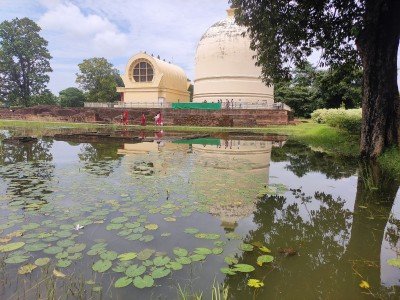
Meditation Park
Some quick example text to build on the card title and make up the bulk of the card's content.
Go somewhere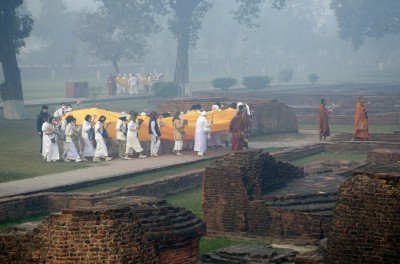
Nauka Vihar
Some quick example text to build on the card title and make up the bulk of the card's content.
Go somewhere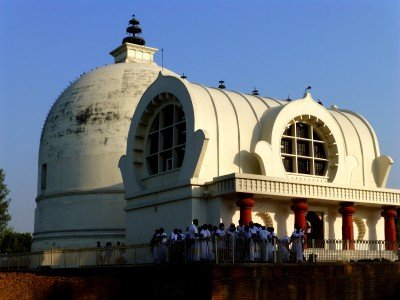
Parinirvana Stupa
Some quick example text to build on the card title and make up the bulk of the card's content.
Go somewhere
Raaj Darbaar
Some quick example text to build on the card title and make up the bulk of the card's content.
Go somewhere
Ramabhar Stupa
Some quick example text to build on the card title and make up the bulk of the card's content.
Go somewhere
Ruins of Ancient Kushinagar
Some quick example text to build on the card title and make up the bulk of the card's content.
Go somewhere
Wat Thai Temple
Some quick example text to build on the card title and make up the bulk of the card's content.
Go somewherein Other Cities