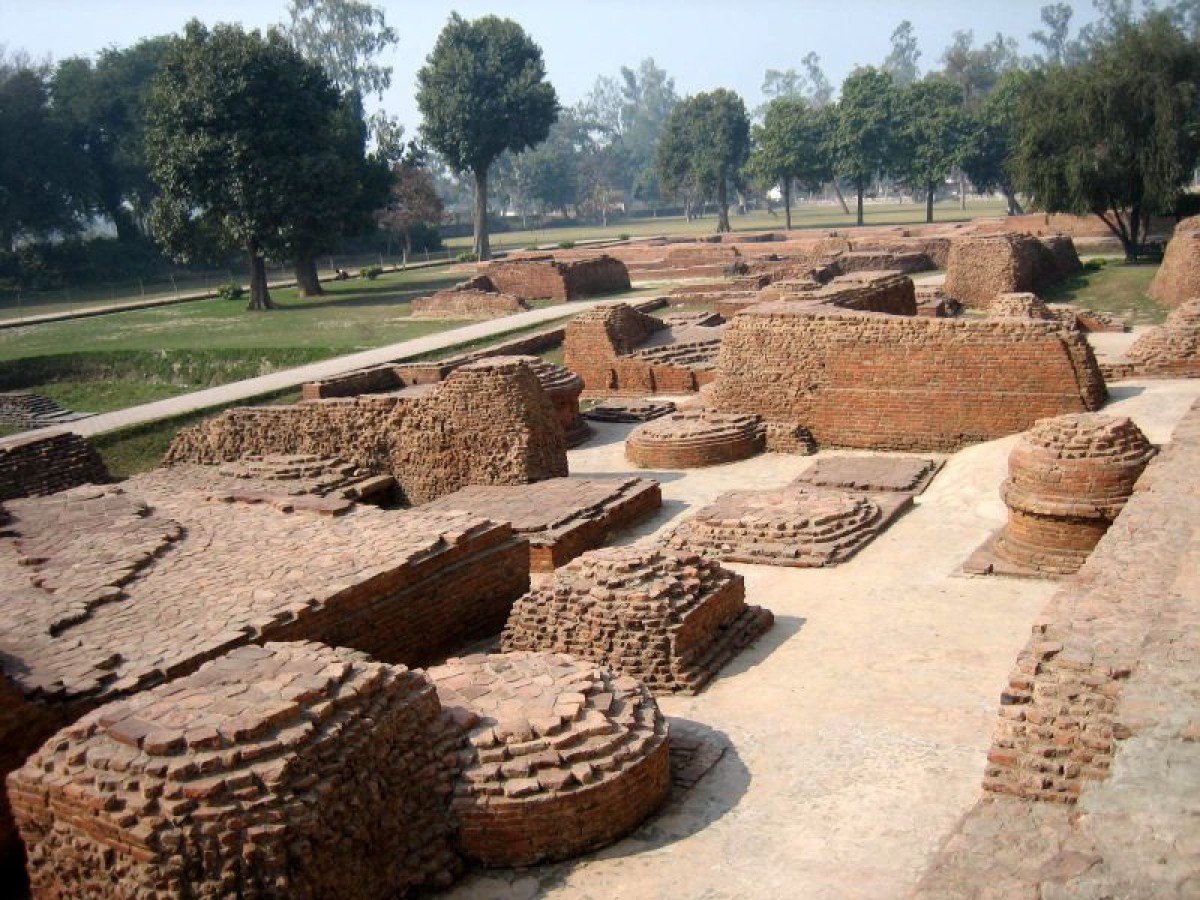
Meditation Park
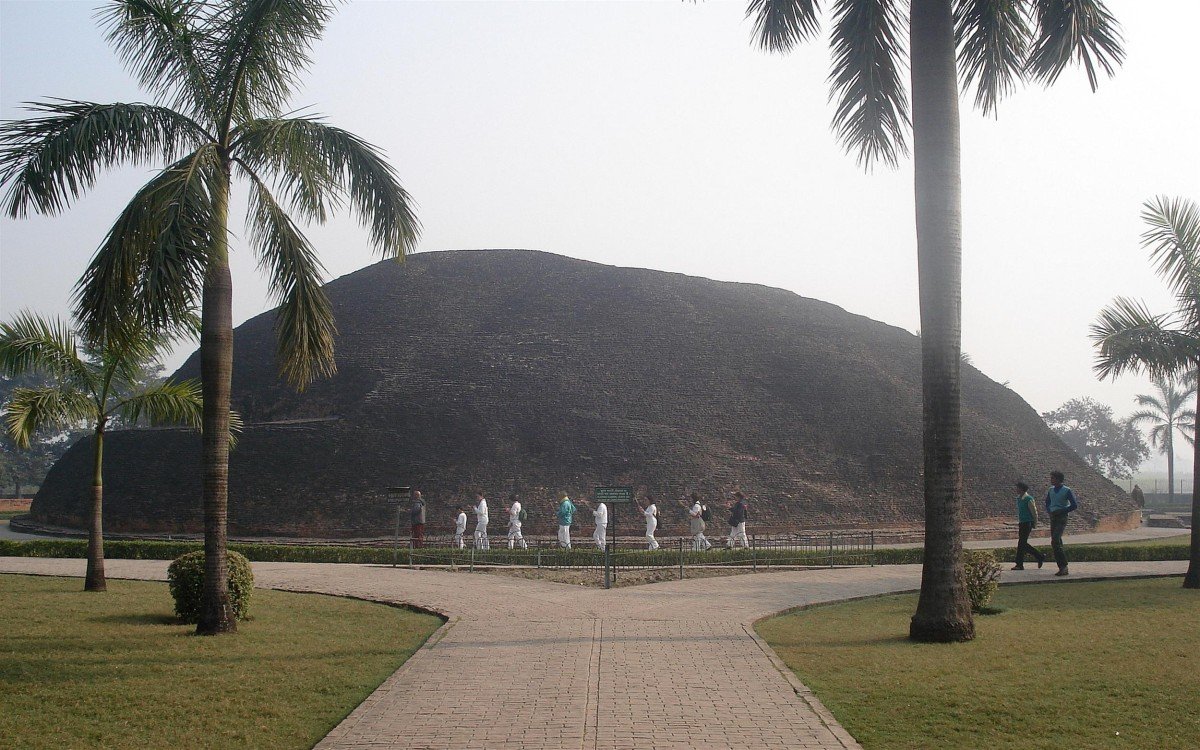
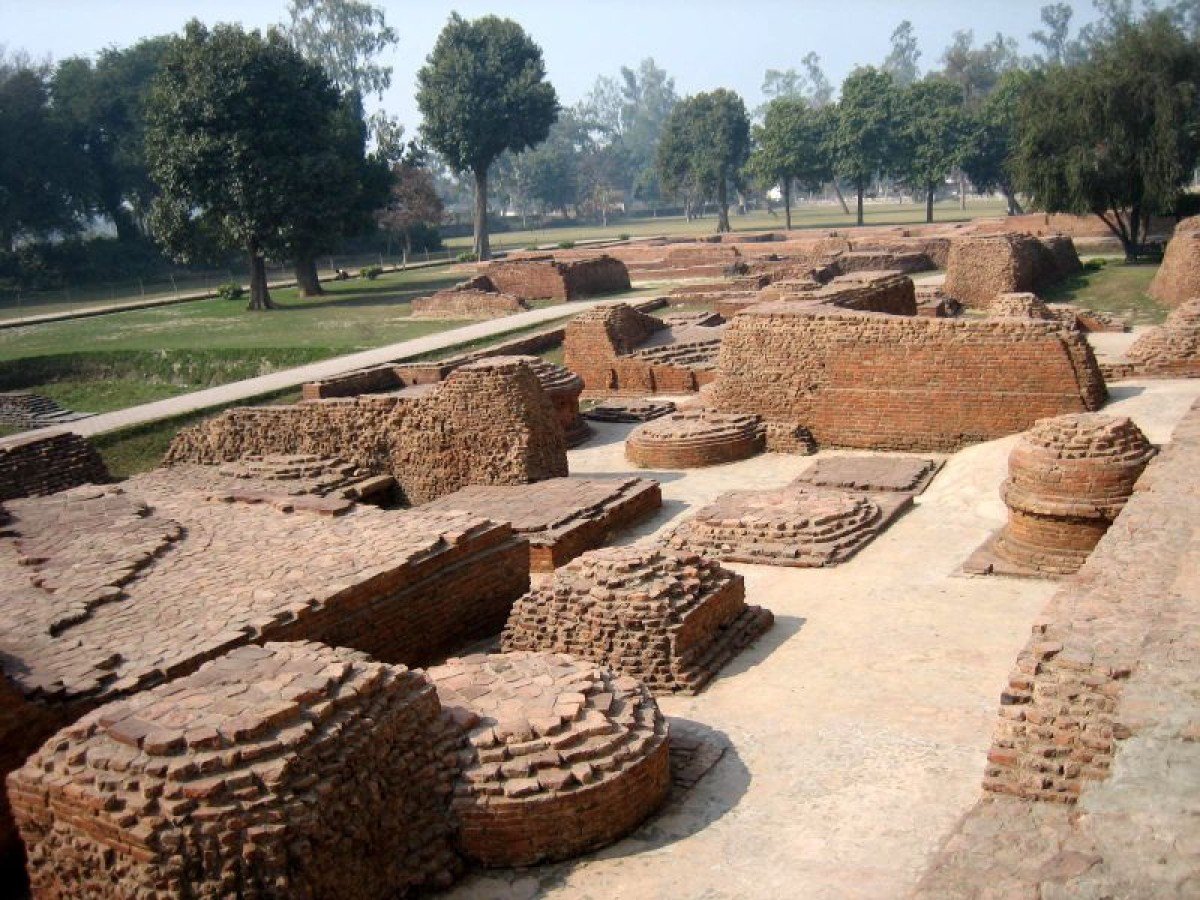
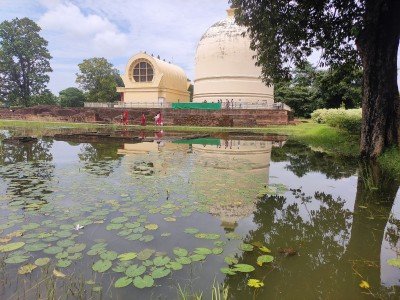
Purpose and Ambiance: The Meditation Park provides a serene and lush environment, often referred to as the Japanese Garden, located adjacent to the main pilgrimage sites. It was developed to offer a quiet space for visitors, especially Buddhist monks and pilgrims, to perform walking or seated medita tion (Vipassana). The design incorporates elements of a traditional Japanese-style garden with well-maintained lawns, walkways, and seating platforms. The overall atmosphere is intentionally designed to be peaceful and conducive to spiritual practice, serving as a modern extension of the ancient sites. The park is surrounded by tall Sal trees, reminiscent of the grove where the Buddha attained Mahaparinirvana. It is a modern yet spiritually significant addition to the holy circuit, highly valued for its tranquil escape from the busier temple areas.:
General information
-
Ideal Duration:
1-2 Hours:Place Type:
Garden, Meditation Center, Pilgrimage Site:Entry Fees:
Generally Free Entry: The park is a public facility and typically does not charge an entrance fee, though small donations are welcome.
Photography Charges: Professional photography or commercial shoots may require permission and a fee.
<...Generally Free Entry: The park is a public facility and typically does not charge an entrance fee, though small donations are welcome.
Photography Charges: Professional photography or commercial shoots may require permission and a fee.
Local Guide Fees: Fees for engaging a local guide for a detailed explanation of the Japanese design and Buddhist philosophy. :Timing:
Regular Timings: 8:00 AM to 6:00 PM (Some sources cite slightly different hours, always best to check locally).
Ideal Visit Time: Early morning (8:00 AM to 10:00 AM) or late afternoon (4:00 PM to 6:00 PM) for optimal light and cooler tempera...Regular Timings: 8:00 AM to 6:00 PM (Some sources cite slightly different hours, always best to check locally).
Ideal Visit Time: Early morning (8:00 AM to 10:00 AM) or late afternoon (4:00 PM to 6:00 PM) for optimal light and cooler temperatures for meditation.
Closed Days: Generally open daily.
Seasonal Variations: Hours may extend slightly during major festivals like Buddha Purnima. :Special Events:
Buddha Purnima Celebrations: Major celebration in April/May when the park sees an influx of pilgrims and special prayers.
International Vipassana Retreats: Occasionally hosts structured meditation retreats led by international monastic order...Buddha Purnima Celebrations: Major celebration in April/May when the park sees an influx of pilgrims and special prayers.
International Vipassana Retreats: Occasionally hosts structured meditation retreats led by international monastic orders. :Best Photo Spots:
Sal Tree Tunnel: The long pathways lined with towering Sal trees create a striking perspective shot.
Meditation Platforms: Capture the serene, empty platforms, often with the background of the lush garden.
The W...Sal Tree Tunnel: The long pathways lined with towering Sal trees create a striking perspective shot.
Meditation Platforms: Capture the serene, empty platforms, often with the background of the lush garden.
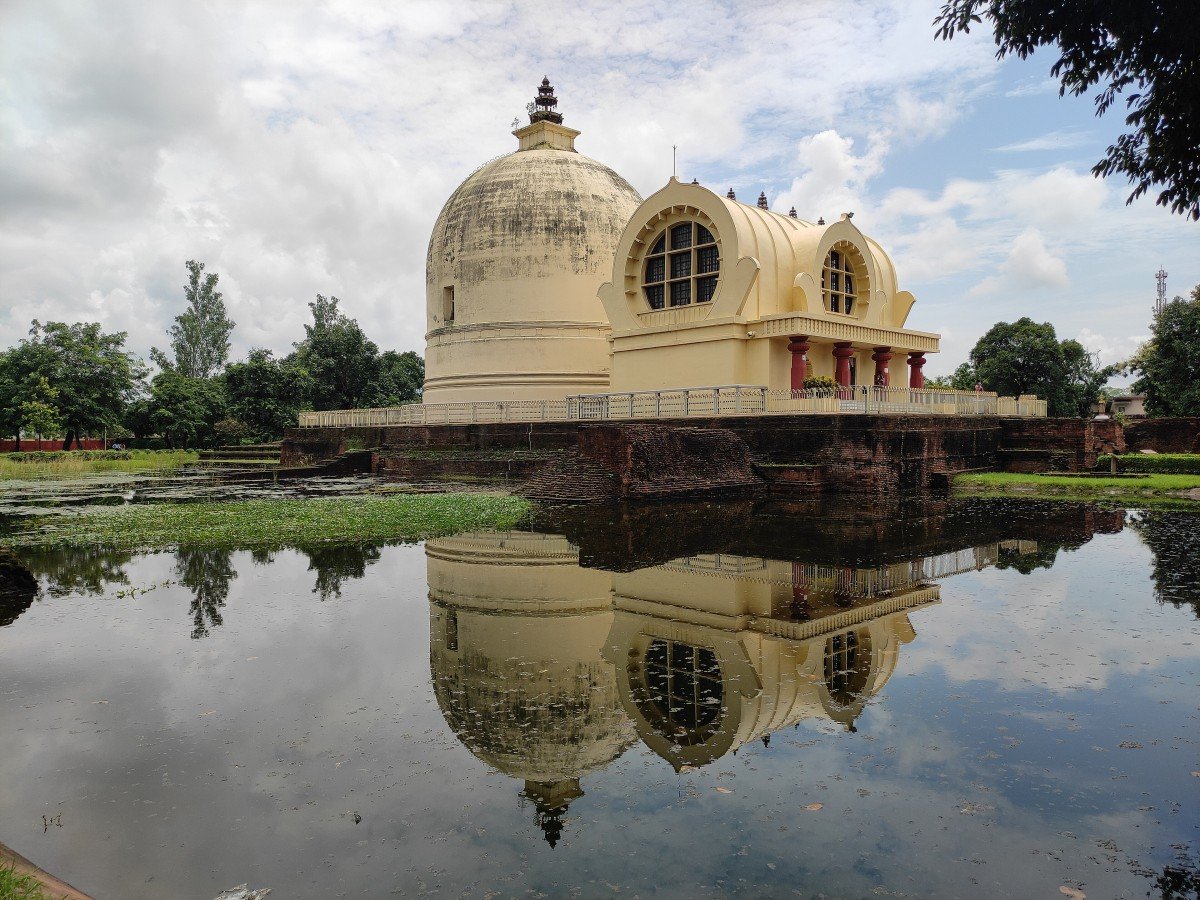
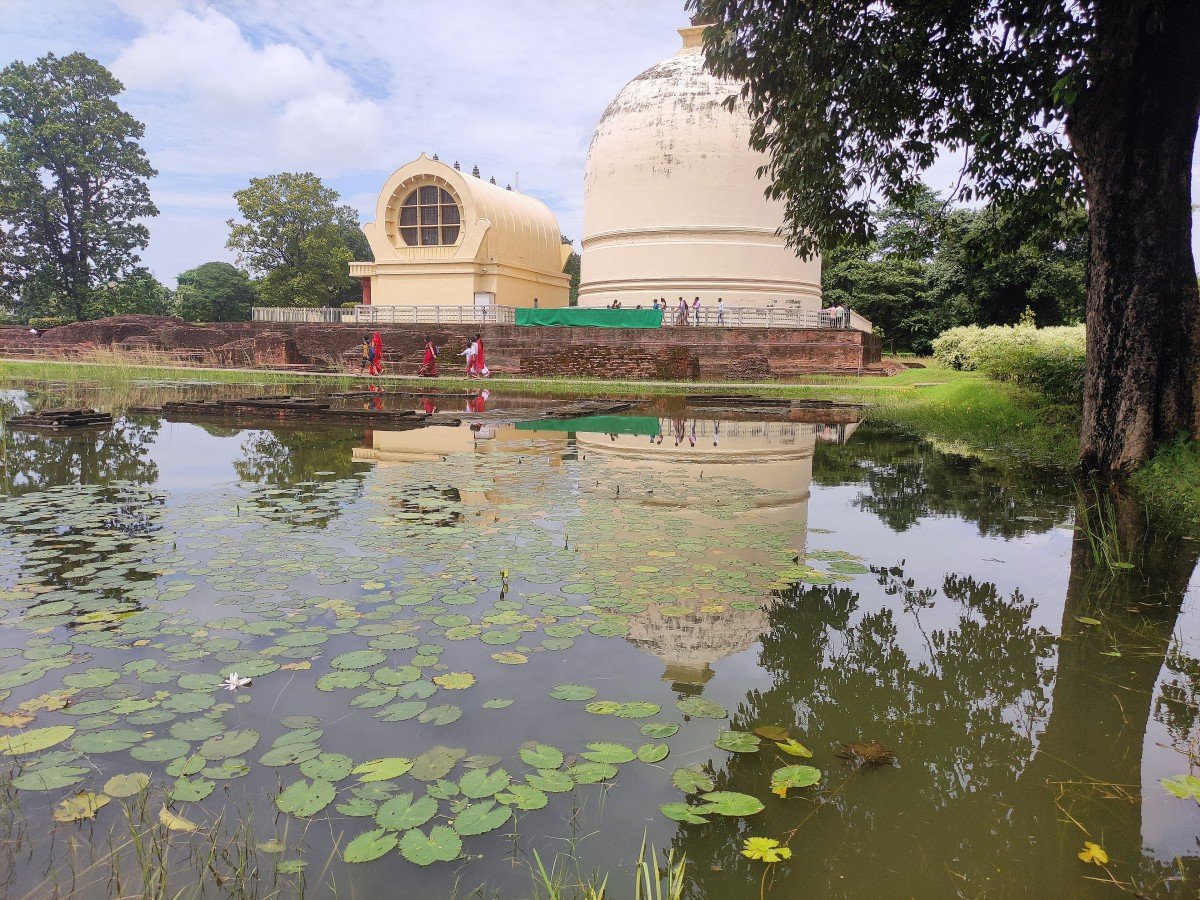
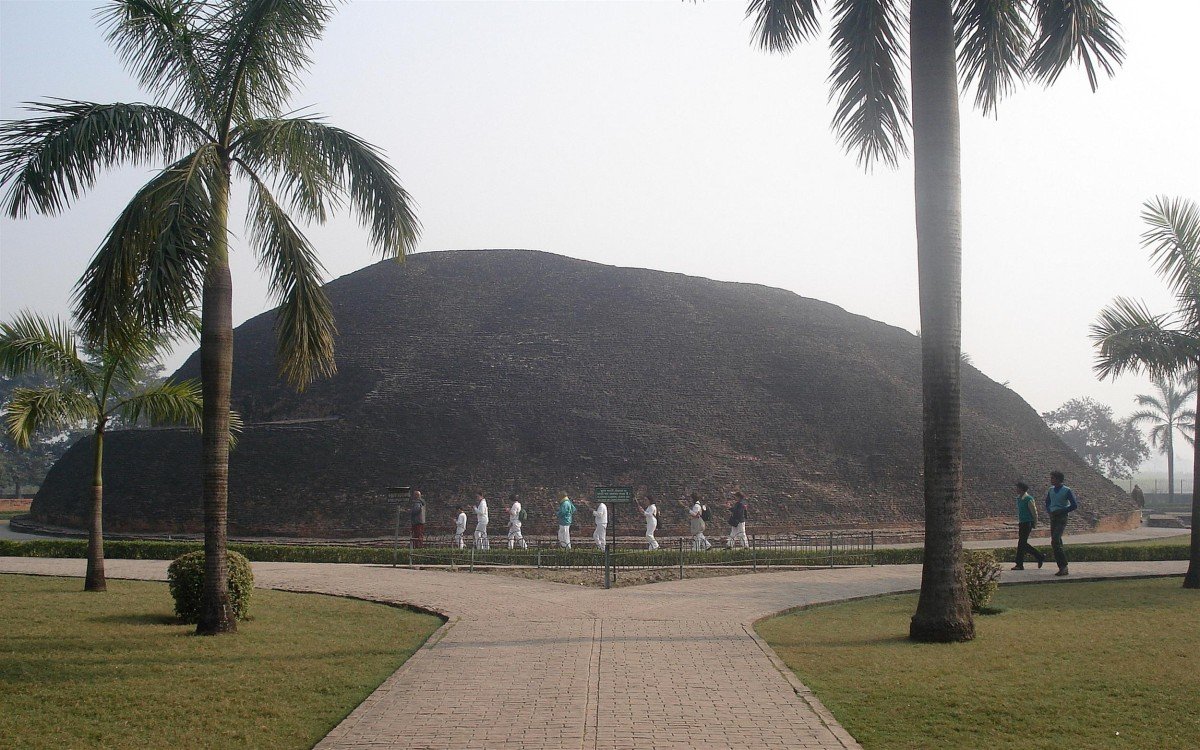
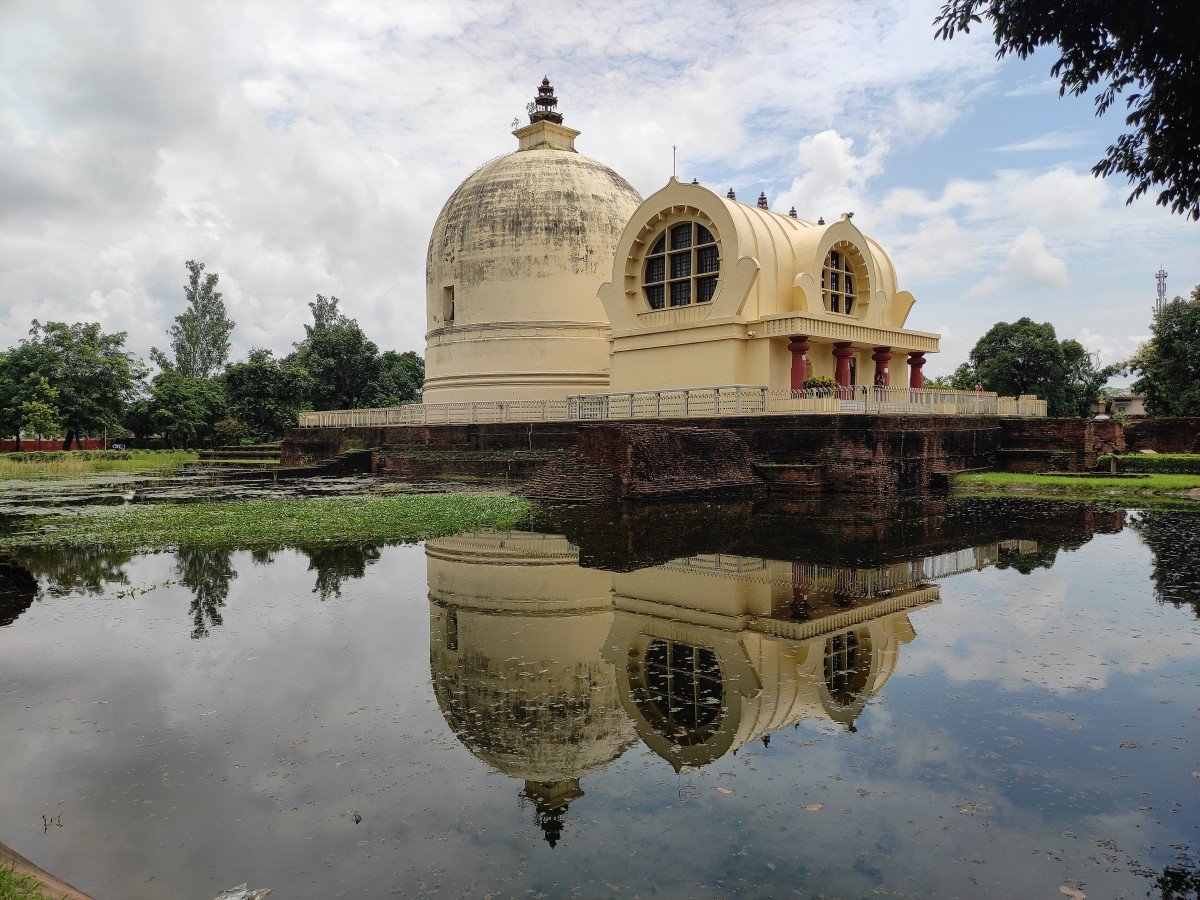
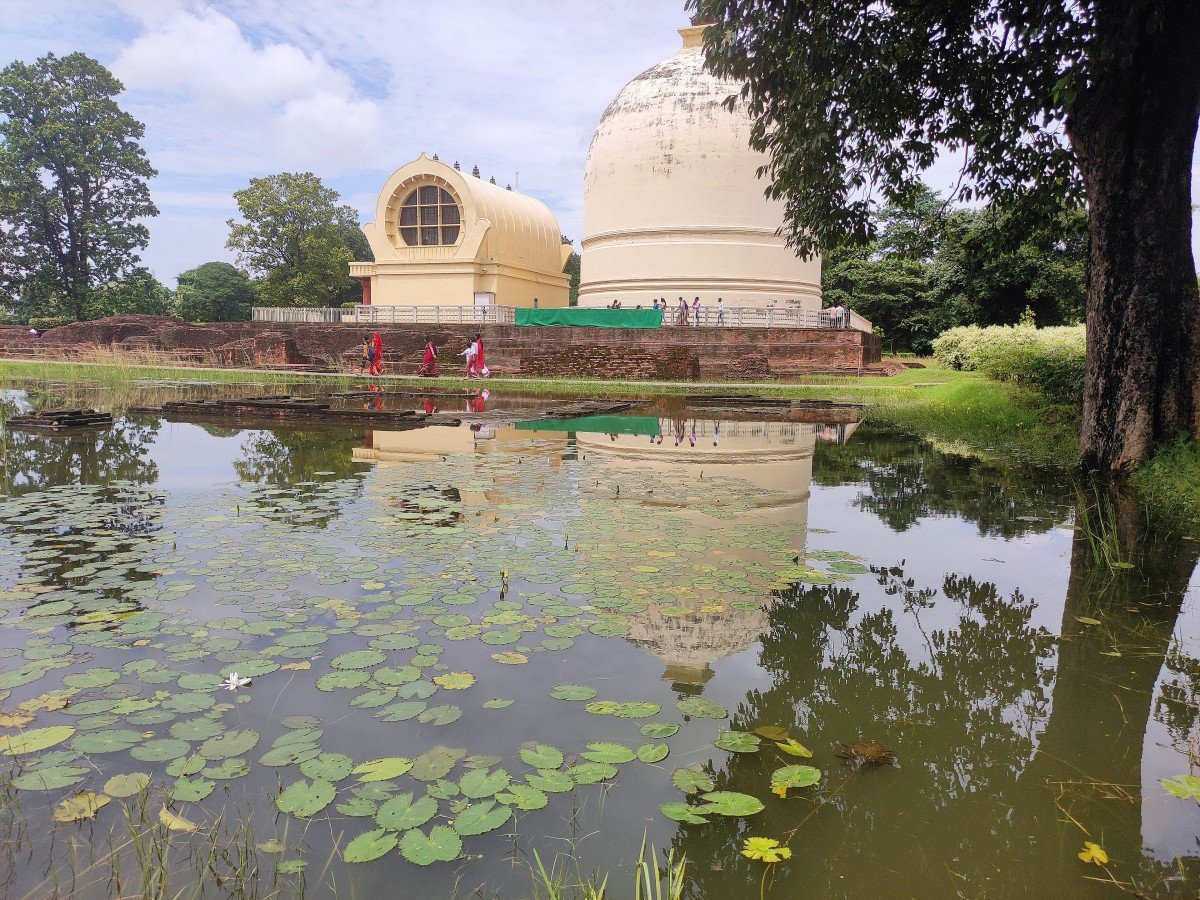
The Water Features: If operational, the small artificial water bodies offer tranquil reflection opportunities. :Photo Gallery
Things To Do
-
Mindful Walking Practice: Engage in Cankamana (walking meditation) on the designated pathways, focusing on each step with intention.
Seated Meditation: Find a secluded green platform or bench to practice Vipassana or Samatha meditation.
Photography of Nature: Capture the beautiful landscaping, especially the interplay of light and shadow under the tall Sal trees.
Contemplation and Reflection: Spend time simply sitting in silence to contemplate the teachings of the Buddha and the significance of Kushinagar.
Observe Pilgrims: Quietly observe the peaceful rituals and meditative practices of international monks and devotees. :...Mindful Walking Practice: Engage in Cankamana (walking meditation) on the designated pathways, focusing on each step with intention.
Seated Meditation: Find a secluded green platform or bench to practice Vipassana or Samatha meditation.
Photography of Nature: Capture the beautiful landscaping, especially the interplay of light and shadow under the tall Sal trees.
Contemplation and Reflection: Spend time simply sitting in silence to contemplate the teachings of the Buddha and the significance of Kushinagar.
Observe Pilgrims: Quietly observe the peaceful rituals and meditative practices of international monks and devotees. :
Information
-
Why Famous:
Spiritual Calm: Famous for being a dedicated, quiet space for meditation and inner peace, setting it apart from the more historically focused stupas.
Japanese Connection: It highlights the strong diplomatic and religious ties between India a...Spiritual Calm: Famous for being a dedicated, quiet space for meditation and inner peace, setting it apart from the more historically focused stupas.
Japanese Connection: It highlights the strong diplomatic and religious ties between India and Japan, serving as a place of rest and reflection for international pilgrims.
Natural Beauty: The lush greenery and well-maintained landscape provide a beautiful, modern contrast to the ancient ruins. : -
Architecture:
Design Philosophy: The architecture follows a minimalist, nature-integrated Buddhist style, blending Indian and Japanese garden philosophies.
Key Features: It consists of multiple lush-green platforms and designated areas for seated and walk...Design Philosophy: The architecture follows a minimalist, nature-integrated Buddhist style, blending Indian and Japanese garden philosophies.
Key Features: It consists of multiple lush-green platforms and designated areas for seated and walking meditation, interconnected by paved paths. The landscaping emphasizes tranquility and open space, avoiding elaborate structures.
Dimension: Sprawls over several acres (some sources suggest up to 15 Acres), providing ample room for movement and congregation. The layout uses natural elevation changes and tree placement to create a secluded feeling for different meditation zones.
Materials: Primarily uses natural materials like stone, well-manicured grass, and a variety of regional and exotic plants to maintain a forest-like feel. : -
How To Reach:
By Air: Nearest airport is Gorakhpur (GOP), about 50-55 KMS away. Take a pre-booked taxi or bus from the airport to Kushinagar.
By Train: Nearest major railhead is Gorakhpur Junction (GKP), approx. 55-60 KMS away. Hire a private cab or us...By Air: Nearest airport is Gorakhpur (GOP), about 50-55 KMS away. Take a pre-booked taxi or bus from the airport to Kushinagar.
By Train: Nearest major railhead is Gorakhpur Junction (GKP), approx. 55-60 KMS away. Hire a private cab or use the frequent bus service.
By Road: Kushinagar is well-connected by NH-27 and local state highways. Regular bus services (UPSRTC) run from Gorakhpur, Deoria, and other major cities.
Local Transport: The park is near the main temple complex, easily accessible by walking, cycle-rickshaw, or auto-rickshaw within Kushinagar. : -
Weather and Best Time to Visit:
Different Seasons: Winter (October to March) is the Best Time due to pleasant, cool weather for outdoor meditation. Avoid the intense heat of Summer (April to June). Monsoon (July to September) makes the park lush but can be humid.
Different P...Different Seasons: Winter (October to March) is the Best Time due to pleasant, cool weather for outdoor meditation. Avoid the intense heat of Summer (April to June). Monsoon (July to September) makes the park lush but can be humid.
Different Parts of the Day: Sunrise and Sunset hours are the most spiritual and photogenic, with soft light and the greatest sense of calm. : -
Near Tourist Places:
Parinirvana Stupa (0. 5 KMS), Mahaparinirvana Temple (0. 5 KMS), Wat Thai Temple (1 KMS), Japanese Temple (0. 7 KMS), Ramabhar Stupa (2. 5 KMS), Matha Kuar Shrine (1 KMS), Kushinagar Museum (0. 8 KMS), Chinese Temple (1. 2 KMS), Vietnamese Temple (1.
5 KMS), Burmese Temple (1 KMS):
Tourism Tips
-
Health & Safety: Wear comfortable walking shoes. Carry a water bottle, especially during warmer months. Stay on designated paths.
Packing: Bring light, modest clothing suitable for a temple town. A light shawl or jacket is recommended for...Health & Safety: Wear comfortable walking shoes. Carry a water bottle, especially during warmer months. Stay on designated paths.
Packing: Bring light, modest clothing suitable for a temple town. A light shawl or jacket is recommended for cool winter mornings/evenings.
Accommodation: Numerous hotels and guesthouses are available, ranging from budget to luxury, often run by different international Buddhist societies.
Other Tips: Maintain silence and respect the meditative atmosphere. Ask permission before taking close-up photos of monks or devotees. :
Reviews
FAQs
Kushinagar Itineray And Cost:-
Other Places In Kushinagar :-
Other States In India :-
Information about New and Updated Locations() of Uttar Pradesh Has Been Added :-
Card subtitle
Note:-
Information provided here in good Faith and for reference only.
Near Places
Meditation Park
Some quick example text to build on the card title and make up the bulk of the card's content.
Go somewhere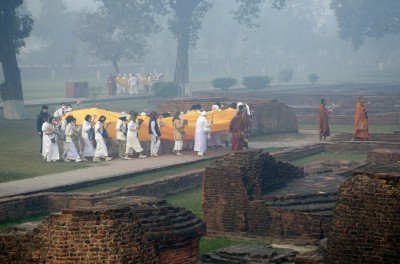
Nauka Vihar
Some quick example text to build on the card title and make up the bulk of the card's content.
Go somewhere
Parinirvana Stupa
Some quick example text to build on the card title and make up the bulk of the card's content.
Go somewhere
Raaj Darbaar
Some quick example text to build on the card title and make up the bulk of the card's content.
Go somewhere
Ramabhar Stupa
Some quick example text to build on the card title and make up the bulk of the card's content.
Go somewhere
Ruins of Ancient Kushinagar
Some quick example text to build on the card title and make up the bulk of the card's content.
Go somewhere
Wat Thai Temple
Some quick example text to build on the card title and make up the bulk of the card's content.
Go somewherein Other Cities