

Taj Mahal
General information
-
Ideal Duration:
2–3 hoursPlace Type:
Monument/MausoleumEntry Fees:
Indian and Foreigner Fee Structure:: The entry fee structure is tiered, distinguishing between domestic and international tourists, with an additional charge for accessing the main mausoleum chamber. For Domestic/Indian tourists, the general entry fee is typically around Rs.5...Indian and Foreigner Fee Structure:: The entry fee structure is tiered, distinguishing between domestic and international tourists, with an additional charge for accessing the main mausoleum chamber. For Domestic/Indian tourists, the general entry fee is typically around Rs.50, with an optional but recommended additional fee of Rs.200 to enter the main mausoleum chamber containing the cenotaphs, making the total cost Rs.250. For Foreign Tourists, the general entry fee is substantially higher, usually around Rs.1100 to Rs.1300, which includes the required ADA (Agra Development Authority) toll and a bottle of water. They must also pay the optional Rs.200 for the main mausoleum chamber access, bringing the total to Rs.1300–Rs.1500.
SAARC/BIMSTEC and Children Policy:: Citizens from SAARC (South Asian Association for Regional Cooperation) and BIMSTEC (Bay of Bengal Initiative for Multi-Sectoral Technical and Economic Cooperation) nations receive a discounted rate, which generally falls between the domestic and foreign tourist price, around Rs.540–Rs.740, plus the Rs.200 mausoleum fee. A significant relief for families is that entry is Free for all children under the age of 15, regardless of their nationality.
Mausoleum Ticket Necessity and Night Viewing:: Visitors should be aware that the Rs.200 extra ticket is necessary to pass the inner rope barricade and view the cenotaphs up close inside the dome, which many find to be the most rewarding part of the experience. It is highly advised to purchase this combined ticket at the entrance to save time, as the Rs.200 mausoleum ticket cannot be purchased alone later. For the highly exclusive Night Viewing during the full moon cycle, a separate, special ticket is required, which costs approximately Rs.510 for Indians and Rs.750 for foreigners, and must be booked 24 hours in advance from the ASI office, as standard tickets are invalid for night entry.Timing:
Regular Timings:
Sunrise to Sunset:: The Taj Mahal is generally open for visitors from approximately 30 minutes before sunrise until about 30 minutes before sunset every day of the week, except on Fridays. The precise time changes seasonally...Regular Timings:
Sunrise to Sunset:: The Taj Mahal is generally open for visitors from approximately 30 minutes before sunrise until about 30 minutes before sunset every day of the week, except on Fridays. The precise time changes seasonally due to the changing times of dawn and dusk, but visitors can expect the gates to open around 6:00 AM and close around 6:30 PM. It is critically important to remember the closure on Fridays, when the complex is only open for prayers at the mosque by local Muslims. Tickets are sold at the Eastern and Western Gates during operating hours, while the Southern Gate is now primarily used for exit only, though its availability can change.
Ideal Visit Time:
Sunrise and Early Morning:: The absolute best time for an ideal visit is during Sunrise (opening time). Arriving at the gate 30 minutes prior to opening allows you to be among the first inside.
This timing offers a triple advantage: the lightest crowds, the coolest temperature (especially crucial from March to October), and the most magnificent lighting, as the white marble takes on a delicate pink-orange hue under the soft dawn light, offering unparalleled photography conditions. The light remains excellent for photography until about 9:00 AM.
The Enchantment of Sunset and Night View:: Alternatively, visiting late in the afternoon (around 4:00 PM) allows you to witness the beautiful Sunset glow, where the marble turns a warm golden color. Crowds are often lighter than the mid-day rush, though heavier than the sunrise opening. For a truly unique experience, the Night Viewing, offered only five nights a month (the night of the full moon and two nights before/after), provides an ethereal, limited-time viewing window from 8:30 PM to 12:30 AM, where the marble shimmers silver-white under the moonlight, making it a highly coveted but restrictive viewing opportunity.Special Events:
Full Moon Night Viewing Experience:: The most special recurring event at the Taj Mahal is the Full Moon Night Viewing. On the night of the full moon, as well as two nights before and two nights after (totaling five nights per lunar month), the monument is opened for limited...Full Moon Night Viewing Experience:: The most special recurring event at the Taj Mahal is the Full Moon Night Viewing. On the night of the full moon, as well as two nights before and two nights after (totaling five nights per lunar month), the monument is opened for limited viewing under the natural glow of the moon. This is a truly unique, ethereal experience, as the white marble takes on a translucent, pearl-like shimmer, completely transforming its daytime appearance. Tickets for the night view are highly exclusive, must be purchased in advance (24 hours prior) from the Archaeological Survey of India (ASI) office on Agra Mall Road, and are sold in limited batches of 50 people for only 30 minutes of viewing time between 8:30 PM and 12:30 AM. It is important to note that access is restricted to the main platform, and visitors are not allowed into the inner mausoleum chamber during the night view.
Closed on Fridays and Special Days:: The Taj Mahal is generally closed to the public on Fridays as the mosque within the complex opens only for local Muslim attendees to offer their congregational Jumma prayers. Visitors should be aware of this closure. Furthermore, the Taj Mahal may have adjusted or completely restricted viewing hours during major national holidays, such as Republic Day (January 26) and Independence Day (August 15), or during official state visits, so it is essential to check the official schedule ahead of time to avoid disappointment. The changing color of the marble at dawn and dusk is considered a daily 'special event' by photographers and is the primary reason for the early opening and late closing times.Best Photo Spots:
The Iconic Reflection Pool Shot:: The most famous vantage point is from the long, linear reflecting pool in the center of the Charbagh garden, directly aligned with the main entrance gate. The marble podium leading up to the pool is the ideal spot to capture the Taj Mahal's...The Iconic Reflection Pool Shot:: The most famous vantage point is from the long, linear reflecting pool in the center of the Charbagh garden, directly aligned with the main entrance gate. The marble podium leading up to the pool is the ideal spot to capture the Taj Mahal's perfect reflection in the water, especially on a still morning or evening. The famous "Diana Bench" (the marble bench halfway down the channel) is the perfect spot for the classic symmetrical portrait shot, though this area usually has the longest queue.
Framing the Taj from the Mosque Archway:: For a unique and atmospheric shot, head to the archways of the Mosque (on the west side of the main plinth). The massive red sandstone arch provides a natural, ornate frame for the pristine white dome of the Taj Mahal in the background. This angle is particularly striking during the early morning sunrise, when the warm light catches the marble, and the shadows add depth to the frame. A similar, but less popular, shot can be taken from the archways of the symmetrical Jawab on the eastern side.
The Mehtab Bagh Sunset View:: For the most spectacular panoramic view of the Taj Mahal from outside the complex, visit Mehtab Bagh (Moonlight Garden) across the Yamuna River. This perfectly aligned garden offers an unobstructed sightline, which is best exploited at sunset. As the sun drops, the Taj Mahal glows with a golden-orange hue against the evening sky, providing a majestic and serene perspective, which also includes the full Yamuna River bank.
Detail Shots of Pietra Dura and Calligraphy:: Don't neglect the close-up photography opportunities. Focus your lens on the intricate Pietra Dura floral patterns and the elegant Arabic calligraphy carved into the white marble. These detailed shots highlight the phenomenal craftsmanship that is often missed when focusing only on the grand scale of the monument. The light of the morning is best for illuminating these fine details without harsh shadows.Photo Gallery
Things To Do
-
Stroll Through the Charbagh Garden:: Dedicate time to wander through the Charbagh (four-part Mughal garden) which symbolizes paradise. The geometric pathways, divided by raised marble water channels and fountains, provide the iconic linear perspective leading to the mausoleum. Observe the precise planning and the symbolism of the four rivers of paradise represented by the water flow. Take a moment to relax on the marble bench (known as the "Diana Bench"), strategically placed halfway down the reflecting pool, which is the most popular spot for the classic tourist photograph, though be prepared for a queue to use it during peak hours.
Admire the Pietra Dura Up Close:: Spend time marveling at the phenomenal Pietra Dura (marble inlay work). Walk around the main mausoleum platform and examine the exterior walls. The intricate fl...Stroll Through the Charbagh Garden:: Dedicate time to wander through the Charbagh (four-part Mughal garden) which symbolizes paradise. The geometric pathways, divided by raised marble water channels and fountains, provide the iconic linear perspective leading to the mausoleum. Observe the precise planning and the symbolism of the four rivers of paradise represented by the water flow. Take a moment to relax on the marble bench (known as the "Diana Bench"), strategically placed halfway down the reflecting pool, which is the most popular spot for the classic tourist photograph, though be prepared for a queue to use it during peak hours.
Admire the Pietra Dura Up Close:: Spend time marveling at the phenomenal Pietra Dura (marble inlay work). Walk around the main mausoleum platform and examine the exterior walls. The intricate floral and geometric patterns are not painted but are formed by thousands of tiny, perfectly cut, and polished pieces of precious and semi-precious stones inlaid into the white marble. This high level of craftsmanship, particularly on the flowers and vines, is best appreciated from a close distance. Don't miss the chance to observe the Jali (intricate marble screen) surrounding the cenotaphs in the main chamber, a delicate lattice-work masterpiece that filters light into the tomb chamber.
Visit the Mosque and the Jawab:: Explore the two red sandstone buildings flanking the mausoleum—the Mosque on the west and the Jawab (Guest House) on the east. The Mosque is still an active place of worship, particularly on Fridays, and offers a stunning, framed view of the Taj Mahal from its main archway, which is a favorite photo spot, especially during the soft light of sunrise. The Jawab, though less-used, offers an identical, symmetrical viewpoint. Remember to remove your shoes before entering the mosque premises as a sign of respect.
Capture the Taj at Different Gates:: Enter through the East Gate at sunrise for the best light and to beat the crowds, or consider the West Gate for the most local feel, though it is often the busiest. The South Gate is primarily used for exit. Upon entry through the Great Gate, pause to admire the grand scale and the perfect framing of the Taj Mahal through the towering archway. The intricate Pietra Dura and calligraphy on this gate are just as magnificent as the mausoleum's.
Explore the Taj Museum:: Before or after visiting the main tomb, dedicate a few minutes to the small Taj Museum (located in the western enclosure). It provides historical context with a collection of Mughal-era artifacts, original calligraphy panels, royal documents, and portraits of Shah Jahan and Mumtaz Mahal, offering a quiet, informative break from the main crowds.
Take a View from Mehtab Bagh:: While inside the complex provides the best close-up experience, seeing the Taj Mahal from across the Yamuna River at Mehtab Bagh is a must-do activity. This garden, perfectly aligned with the Taj Mahal, offers a majestic, unobstructed view, especially at sunset when the marble glows golden-orange, providing a stunning perspective of the entire complex from a distance, which is crucial for a complete experience of the site's massive scale and perfect symmetry.
Information
-
Why Famous:
Symbol of Eternal Love:: The monument's primary fame rests on its origin as the ultimate expression of love from Emperor Shah Jahan to his deceased wife, Mumtaz Mahal. Its sheer scale and the pristine white marble symbolize the purity and immortality of their bond, transfor...Symbol of Eternal Love:: The monument's primary fame rests on its origin as the ultimate expression of love from Emperor Shah Jahan to his deceased wife, Mumtaz Mahal. Its sheer scale and the pristine white marble symbolize the purity and immortality of their bond, transforming a funerary monument into an architectural poem. This romantic narrative has captured global imagination for centuries.
UNESCO World Heritage Site:: Recognized globally for its "masterpiece of human creative genius," the Taj Mahal was designated a UNESCO World Heritage Site in 1983. This global acknowledgment highlights its universal value, unparalleled beauty, and its significance as the jewel of Mughal art in India, attracting international scholars and tourists alike.
Perfect Symmetry and Changing Hues:: The monument is celebrated for its flawless architectural geometry and symmetry, an achievement in design that remains astonishing. Furthermore, the translucent white Makrana marble used in its construction possesses a unique ability to reflect light. This causes the Taj Mahal to subtly change its color throughout the day—from a soft pinkish hue at sunrise, to a dazzling white during the day, and a golden glow at sunset—a breathtaking spectacle that is a major draw for photographers and tourists.
Pietra Dura Inlay and Calligraphy:: Its worldwide reputation is also built upon the unparalleled level of detail in its decoration. The exquisite Pietra Dura (inlay work) showcases thousands of precious and semi-precious stones forming intricate floral and geometric designs, which, along with the monumental and elegant Arabic calligraphy of Quranic verses, represents the zenith of craftsmanship during the Mughal period, setting it apart from all other structures. -
Architecture:
Dimensions and Layout:: The magnificent central dome stands approximately 35 meters (115 feet) tall above its 7-meter (23-foot) high drum, and the overall height of the mausoleum from the base of the plinth to the finial is about 73 meters (240 feet). The main mausoleum sit...Dimensions and Layout:: The magnificent central dome stands approximately 35 meters (115 feet) tall above its 7-meter (23-foot) high drum, and the overall height of the mausoleum from the base of the plinth to the finial is about 73 meters (240 feet). The main mausoleum sits on a square marble plinth with sides measuring 95. 5 meters (313 feet). Flanking the main dome are four smaller domes (chhatris) that help illuminate the interior. The structure's most famous characteristic is its perfect bilateral symmetry (Qarina), with identical façades on all four sides, each featuring a colossal archway called an Iwan framed by a vaulted archway called a Pishtaq.
Mughal Design Elements:: The architectural style is the pinnacle of Mughal design, utilizing the traditional Persian-inspired Charbagh garden layout, where four water channels symbolize the rivers of paradise, and the monumental gateway. Crucially, the four tall, slender minarets (about 40 meters each) at the corners of the plinth are built with a slight outward tilt. This was a deliberate structural innovation to ensure that in the event of an earthquake, they would fall away from the main tomb chamber, prioritizing the safety of the central mausoleum. The entire marble surface is a canvas for intricate Pietra Dura inlay work, where over 28 different types of precious and semi-precious stones (such as jade, crystal, lapis lazuli, amethyst, and turquoise) were meticulously inlaid in complex floral and calligraphic patterns, with verses from the Quran beautifully adorning the arches. -
How To Reach:
By Air (Connectivity):: The nearest major international airport is Indira Gandhi International Airport (DEL) in New Delhi, which is approximately 230 km away. Most international tourists fly into DEL and then travel to Agra by road or train. There is a closer domestic airp...By Air (Connectivity):: The nearest major international airport is Indira Gandhi International Airport (DEL) in New Delhi, which is approximately 230 km away. Most international tourists fly into DEL and then travel to Agra by road or train. There is a closer domestic airport, Agra Airport (AGR) (also known as Kheria Airport), which is about 13 km from the Taj Mahal. AGR has limited connectivity, mostly serving domestic routes to cities like Jaipur, Lucknow, and Mumbai. For the average tourist, flying to Delhi and then using the excellent rail or road network to reach Agra is the more common and practical route.
By Train (The Rail Lifeline):: Agra is extremely well-connected by Indian Railways, making train travel the most popular and efficient method. The main station is Agra Cantt (AGC), located about 6 km from the Taj Mahal. Other key stations are Agra Fort (AF), about 4 km away, and Raja Ki Mandi (RKM). High-speed trains like the Gatimaan Express and Shatabdi Express run daily from New Delhi to Agra Cantt, covering the distance in about 2 hours, making a popular and comfortable option for a day trip. From the station, you can easily hire pre-paid taxis, auto-rickshaws, or local e-rickshaws to the gates of the Taj Mahal.
By Road (Expressway Excellence):: The road network to Agra is excellent, especially from New Delhi, thanks to the Yamuna Expressway. This 6-lane access-controlled highway covers a distance of approximately 165 km from Greater Noida to Agra, allowing a smooth car journey of about 3 to 4 hours. Tourists can hire private taxis, use ride-sharing services, or take state-run or private buses from the ISBT (Inter-State Bus Terminal) in Delhi. The main bus terminal in Agra is the Idgah Bus Stand, which is well-connected to all major cities in Uttar Pradesh and nearby states.
By Local Transport (Eco-Friendly Last Mile):: Since motorized vehicles are prohibited within a 500-meter radius of the Taj Mahal (a measure to protect the marble from pollution), the final stretch to the monument's gates must be covered by eco-friendly local transport. Visitors can hire a battery-operated bus, a golf cart, or a cycle rickshaw from the parking lots or the ticket offices to the Eastern and Western Gates. Auto-rickshaws are the most common and convenient way to travel within the city of Agra. Foreign tourists whose tickets include the toll often have the battery bus/golf cart service included in their fare. -
Weather and Best Time to Visit:
Seasonal Preferences:
Winter is Best (October to March):: The best time to visit the Taj Mahal is during the Winter season, which runs from October to March. The weather during these six months is most pleasant for sightseeing, with cool and...Seasonal Preferences:
Winter is Best (October to March):: The best time to visit the Taj Mahal is during the Winter season, which runs from October to March. The weather during these six months is most pleasant for sightseeing, with cool and comfortable temperatures typically ranging between 5°C and 25°C. The skies are generally clear, which is ideal for photography, and the lack of extreme heat or humidity makes long walks through the complex enjoyable. However, be aware that dense fog can occur in late December and early January, which may temporarily obscure the view of the Taj Mahal in the early morning.
Summer and Monsoon Considerations:: The Summer months (April to June) should generally be avoided for daytime visits due to extreme heat, with temperatures soaring above 40°C. If visiting in summer, strictly limit your visit to the coolest parts of the day. The Monsoon season (July to September) brings relief from the heat and makes the surrounding gardens lush and green, but the humidity is high, and cloudy skies can diminish the famous color-changing effect of the white marble. The rain can also make the marble pathways slippery.
Ideal Parts of the Day:
Sunrise and Sunset:: For the most rewarding experience, the ideal time of day to visit is Sunrise (when the gates open) or Sunset (in the late afternoon). Sunrise offers the unparalleled beauty of the marble glowing pink, combined with the advantage of the absolute minimum crowd density, which is crucial for photography and a peaceful visit. Sunset provides a warm, golden glow on the monument and is a very popular time, though often more crowded than the morning. Visiting midday (10:00 AM to 3:00 PM) should be avoided in all seasons, as the crowds are at their peak and the harsh overhead sun makes for poor photos and extreme heat in summer. -
Near Tourist Places:
Agra Fort (2. 5 km) Mehtab Bagh (1 km across Yamuna River) Tomb of Itimad-ud-Daulah (Baby Taj) (5 km) Jama Masjid (Agra) (3 km) Ram Bagh (First Mughal Garden) (5 km) Akbar's Tomb (Sikandra) (12 km) Sur Sarovar Bird Sanctuary (Keetham Lake) (20 km) Fatehpur Sikri (Old Mughal Capital) (40 km) Mathura (Birthplace of Lord Krishna) (57 km) Vrindavan (Land of Radha-Krishna) (70 km)
Tourism Tips
-
Health & Safety Precautions:: Always carry a small first-aid kit, especially in summer, including oral rehydration salts (ORS) to combat dehydration due to the heat. Drink only bottled water from sealed bottles. Be extremely vigilant against pickpocketing, especially in cr...Health & Safety Precautions:: Always carry a small first-aid kit, especially in summer, including oral rehydration salts (ORS) to combat dehydration due to the heat. Drink only bottled water from sealed bottles. Be extremely vigilant against pickpocketing, especially in crowded queues at the gates. Be wary of unauthorized guides or touts offering exclusive entry or photo services; hire only officially licensed guides from the approved counters. Follow all safety instructions, as the pathways (especially the main marble plinth) can be slippery, particularly in the monsoon or early morning dew. The Indian government is highly sensitive about security, so cooperate fully with the mandatory and strict security checks at the gates, which will include separate lines for men and women.
Packing Essentials for Your Visit:: Pack light for your actual visit to the monument, as only small bags and a limited number of items (like a camera, phone, water bottle) are allowed inside. Prohibited items include food, tobacco products, lighters, batteries, drones, tripods, large camera bags, and charging cables. Wear comfortable, durable footwear, but be prepared to wear disposable shoe covers (provided with the ticket) or remove your shoes to enter the main mausoleum. If visiting during summer, wear a wide-brimmed hat, sunglasses, and high-factor sunscreen. For winter, light layering is sufficient, but be prepared for a chilly early morning wait.
Accommodation and Booking Tips:: It is highly recommended to stay in a hotel near the Eastern or Western Gates of the Taj Mahal if you plan a sunrise visit, as this minimizes the early morning travel time. Book your entry tickets online through the official Archaeological Survey of India (ASI) website. Online booking significantly reduces the time spent waiting in the ticket line at the physical counter, and the online queue for security is often shorter than the queue for physical ticket holders. Booking a few days in advance is wise, especially for peak season weekends.
Respecting the Monument and Local Culture:: Remember the Taj Mahal is a mausoleum and a sacred site; maintain a respectful demeanor, avoid loud talking, and keep your phone silent inside the main chamber. Follow the rule against flash photography inside the mausoleum. Be prepared to bargain politely for local transport like auto-rickshaws, but use pre-paid taxi booths for longer or more complex routes. Avoid littering and help maintain the pristine environment.
Reviews
FAQs
Agra Itineray And Cost:-
Other Places In Agra :-
Other States In India :-
Information about New and Updated Locations() of Uttar Pradesh Has Been Added :-
Card subtitle
Note:-
Information provided here in good Faith and for reference only.
Near Places
Agra Fort
Some quick example text to build on the card title and make up the bulk of the card's content.
Go somewhere
Akbar's Tomb
Some quick example text to build on the card title and make up the bulk of the card's content.
Go somewhere
Chini Ka Rauza
Some quick example text to build on the card title and make up the bulk of the card's content.
Go somewhere
Gurudwara Guru Ka Taal
Some quick example text to build on the card title and make up the bulk of the card's content.
Go somewhere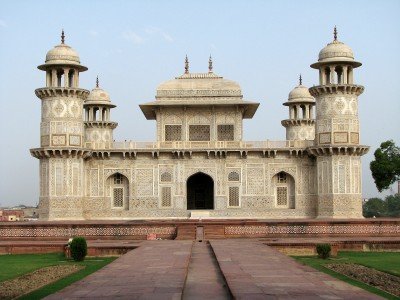
Itmad-ud-Daulah's Tomb
Some quick example text to build on the card title and make up the bulk of the card's content.
Go somewhere
Jahangiri Mahal
Some quick example text to build on the card title and make up the bulk of the card's content.
Go somewhere
Jama Masjid
Some quick example text to build on the card title and make up the bulk of the card's content.
Go somewhere
Khas Mahal
Some quick example text to build on the card title and make up the bulk of the card's content.
Go somewhere
Kinari Bazaar
Some quick example text to build on the card title and make up the bulk of the card's content.
Go somewhere
Mankameshwar Temple
Some quick example text to build on the card title and make up the bulk of the card's content.
Go somewhere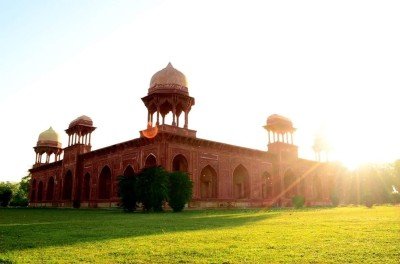
Mariam's Tomb
Some quick example text to build on the card title and make up the bulk of the card's content.
Go somewhere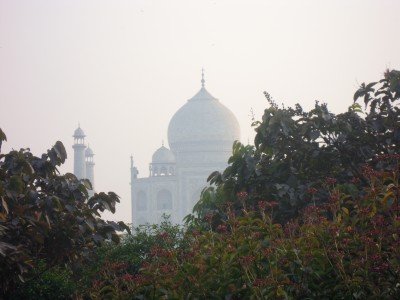
Mehtab Bagh
Some quick example text to build on the card title and make up the bulk of the card's content.
Go somewhere
Moti Masjid
Some quick example text to build on the card title and make up the bulk of the card's content.
Go somewhere
Ram Bagh
Some quick example text to build on the card title and make up the bulk of the card's content.
Go somewhere
Soor Sarovar Bird Sanctuary
Some quick example text to build on the card title and make up the bulk of the card's content.
Go somewhere
Taj Mahal
Some quick example text to build on the card title and make up the bulk of the card's content.
Go somewherein Other Cities