Ram Bagh
General information
-
Ideal Duration:
1. 5 - 2 HoursPlace Type:
Historical Garden, Mughal Heritage Site, Oldest MuEntry Fees:
For Indian Nationals: The entry fee for Indian citizens (including SAARC/BIMSTEC countries) is a low, nominal amount, typically around Rs.20 to Rs.25 per person. This affordability makes it an accessible, historical leisure spot for local visitors.
...For Indian Nationals: The entry fee for Indian citizens (including SAARC/BIMSTEC countries) is a low, nominal amount, typically around Rs.20 to Rs.25 per person. This affordability makes it an accessible, historical leisure spot for local visitors.
For Foreign Nationals: The entry fee for foreign tourists is moderately priced, generally ranging from Rs.200 to Rs.250 per person. This fee is standard for historical monuments managed by the ASI in the area.
No Photography Fees: There are generally no separate fees for still cameras or mobile phones, encouraging visitors to capture the garden's scenic beauty and historical architecture without extra cost.
Ticket Purchase: Tickets are purchased at a small counter near the main entrance of the garden. It is advisable to carry exact change, although digital payment options are becoming more common at these sites. The fee contributes directly to the maintenance and ongoing restoration of this historically significant site.Timing:
Regular Timings: Ram Bagh is open daily, seven days a week, from Sunrise to Sunset, which generally means from 6:00 AM to 6:00 PM. Unlike some other monuments, its opening is fixed throughout the year.
Ideal Visit Time: The best time to vis...Regular Timings: Ram Bagh is open daily, seven days a week, from Sunrise to Sunset, which generally means from 6:00 AM to 6:00 PM. Unlike some other monuments, its opening is fixed throughout the year.
Ideal Visit Time: The best time to visit is during the Early Morning hours (6:00 AM to 9:00 AM). The garden is at its most peaceful at this time, the air is fresh and cool, and the soft morning light is perfect for appreciating the water features and the historical architecture. The garden is a perfect first stop before the crowds build up at other nearby monuments.
Midday Experience: The midday hours, especially in summer, can be very hot and should be avoided. The cooling effect of the water features is less noticeable when the sun is directly overhead.
Late Afternoon Option: Visiting in the Late Afternoon (4:00 PM onwards) is also enjoyable, offering pleasant temperatures and a calm atmosphere as the day cools down.Special Events:
Mughal Heritage Festivals: Local heritage and tourism boards sometimes organize 'Mughal Heritage Walks' that specifically highlight Ram Bagh as the starting point of Mughal architectural history in Agra. These special events, often held in the Winter months, include guided ...Mughal Heritage Festivals: Local heritage and tourism boards sometimes organize 'Mughal Heritage Walks' that specifically highlight Ram Bagh as the starting point of Mughal architectural history in Agra. These special events, often held in the Winter months, include guided tours, historical storytelling, and sometimes traditional music performances that evoke the garden's royal past.
Babur Anniversary Observances: On the anniversary of Emperor Babur's death (and his brief interment here), small, quiet ceremonies or commemorative events are occasionally held by historians or cultural groups, focusing on his foundational role in the Mughal Empire and the symbolic importance of the garden.
Horticultural Exhibitions: Given its identity as the first Mughal pleasure garden, the park occasionally hosts small-scale local horticultural shows or plant sales, which draw attention to the garden's historical role as a center for Mughal floriculture and botany.Best Photo Spots:
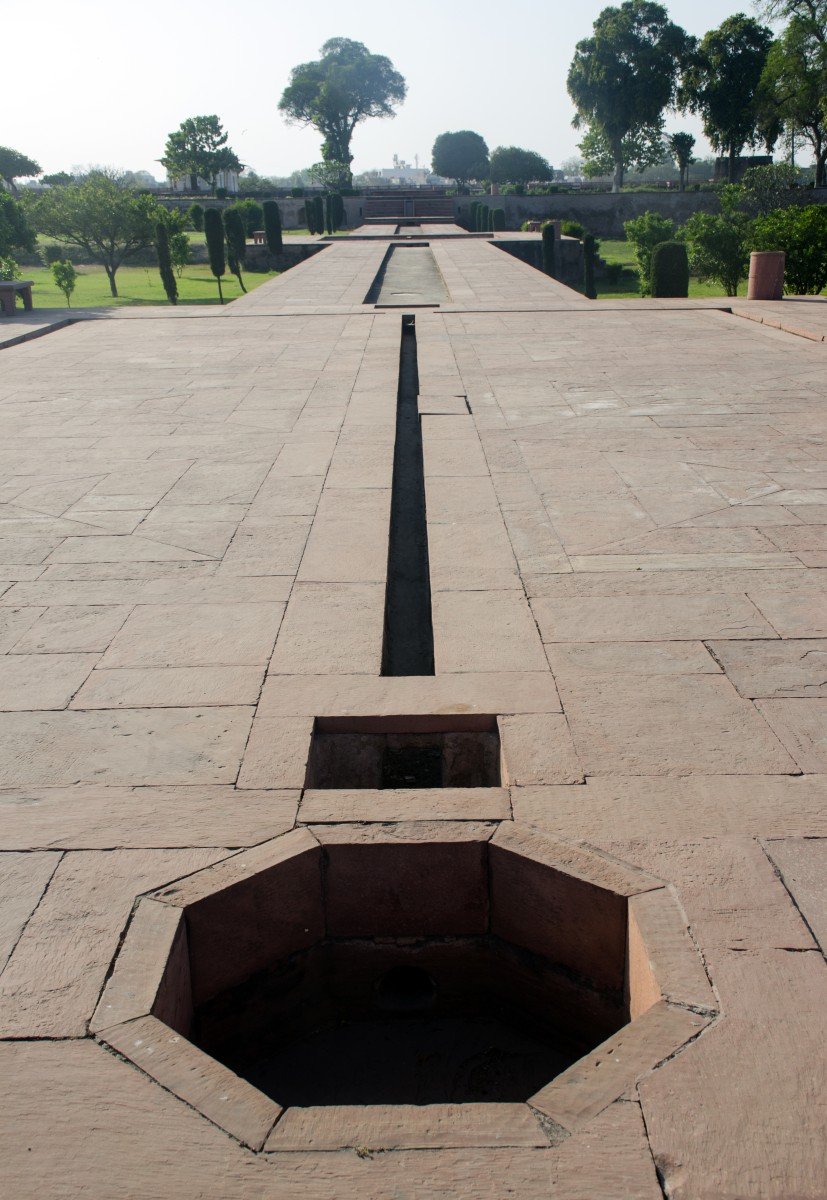
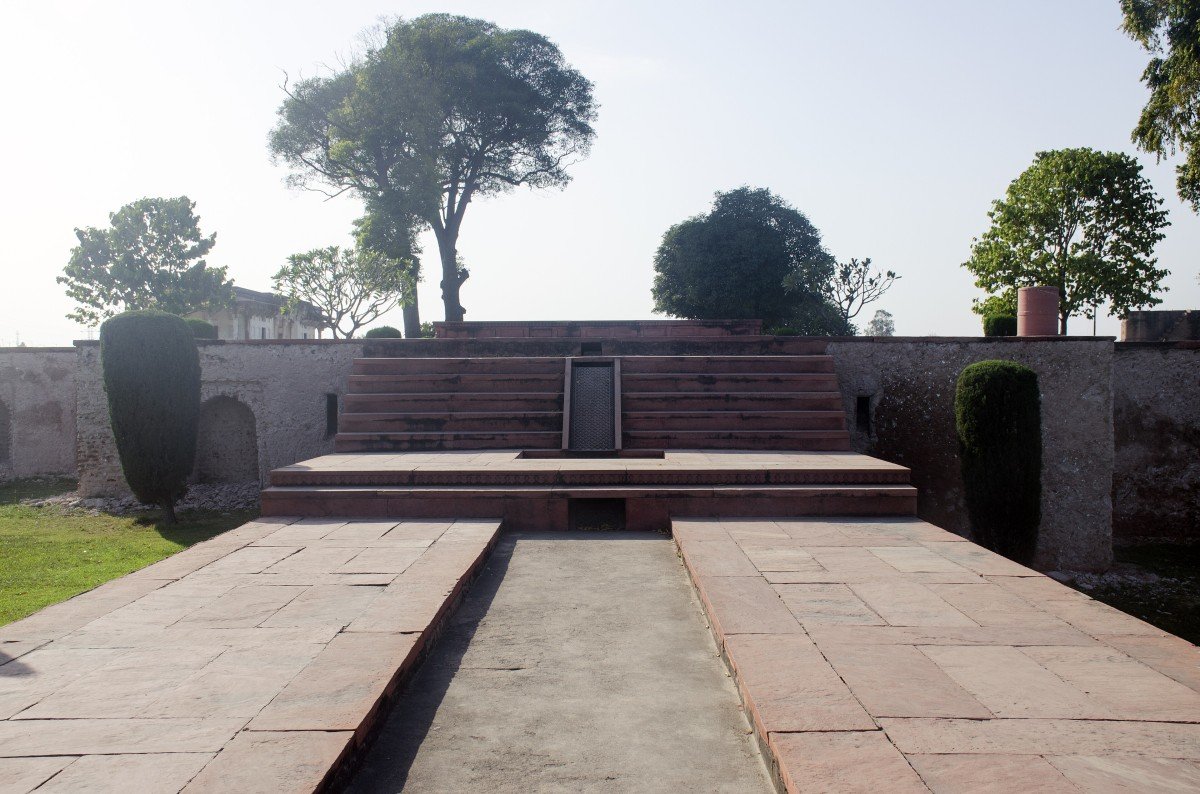
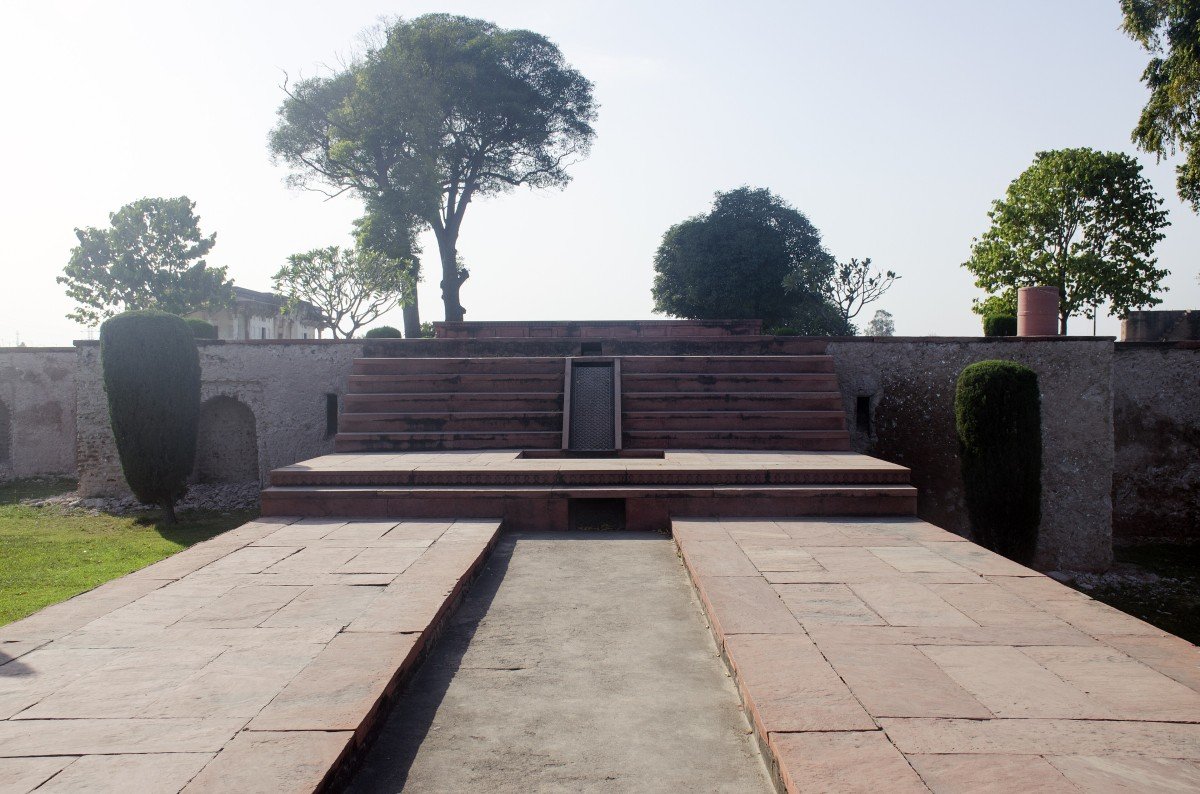
The Terraced Water Channel: The best photo spot is from the highest terrace, looking down the central water channel and the cascading steps. This composition highlights the Charbagh's symmetry and the three-tiered design, providing a unique perspective not found in other Ag...The Terraced Water Channel: The best photo spot is from the highest terrace, looking down the central water channel and the cascading steps. This composition highlights the Charbagh's symmetry and the three-tiered design, providing a unique perspective not found in other Agra monuments.
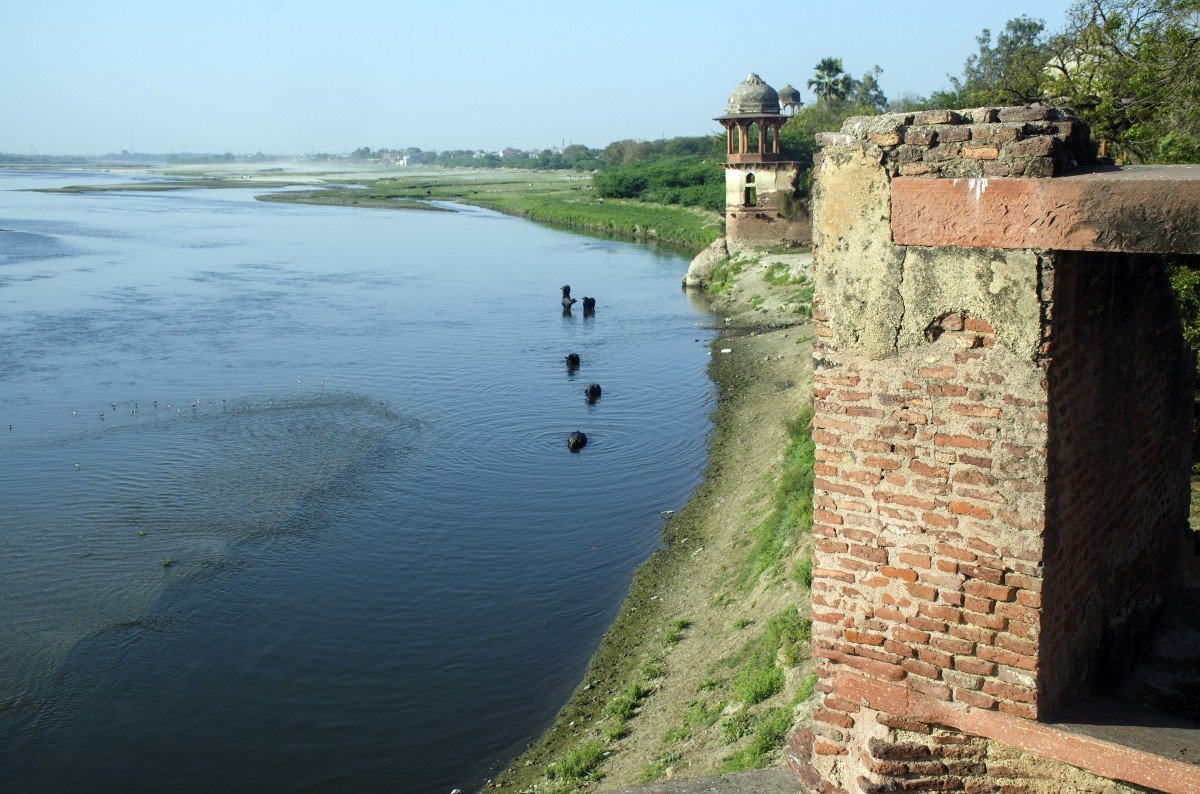
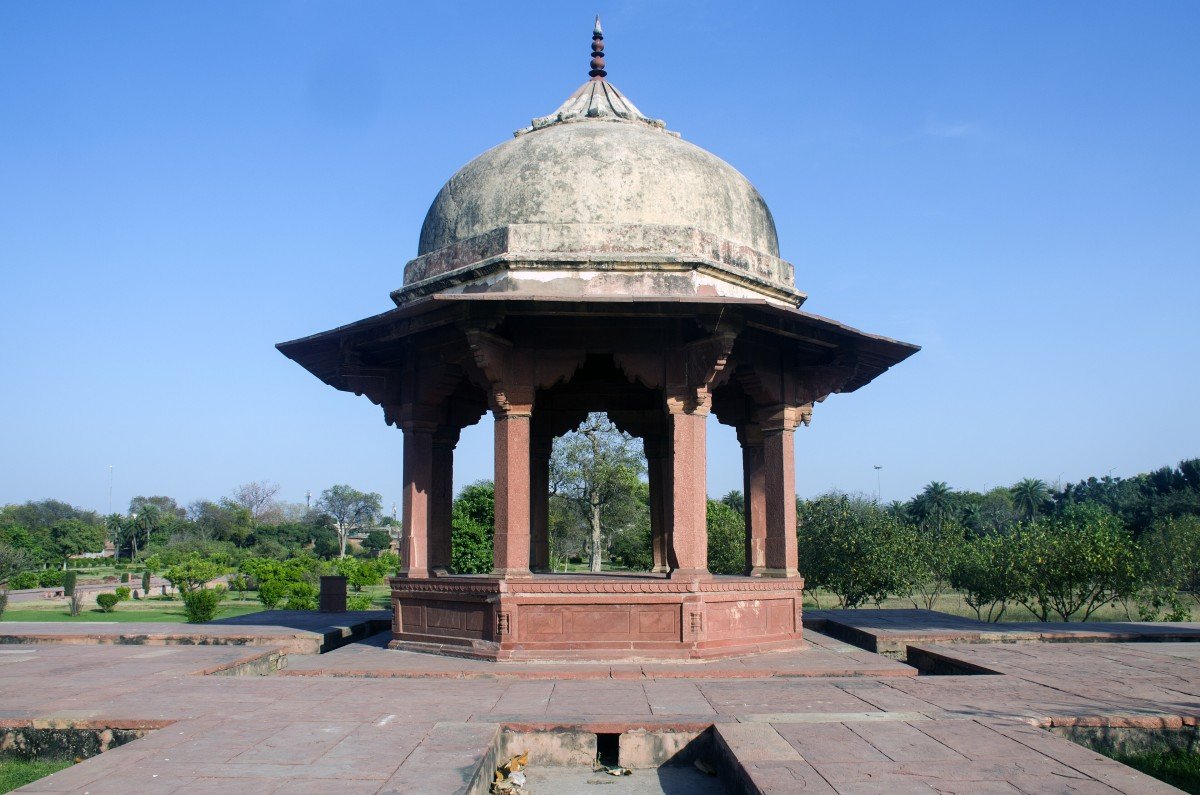
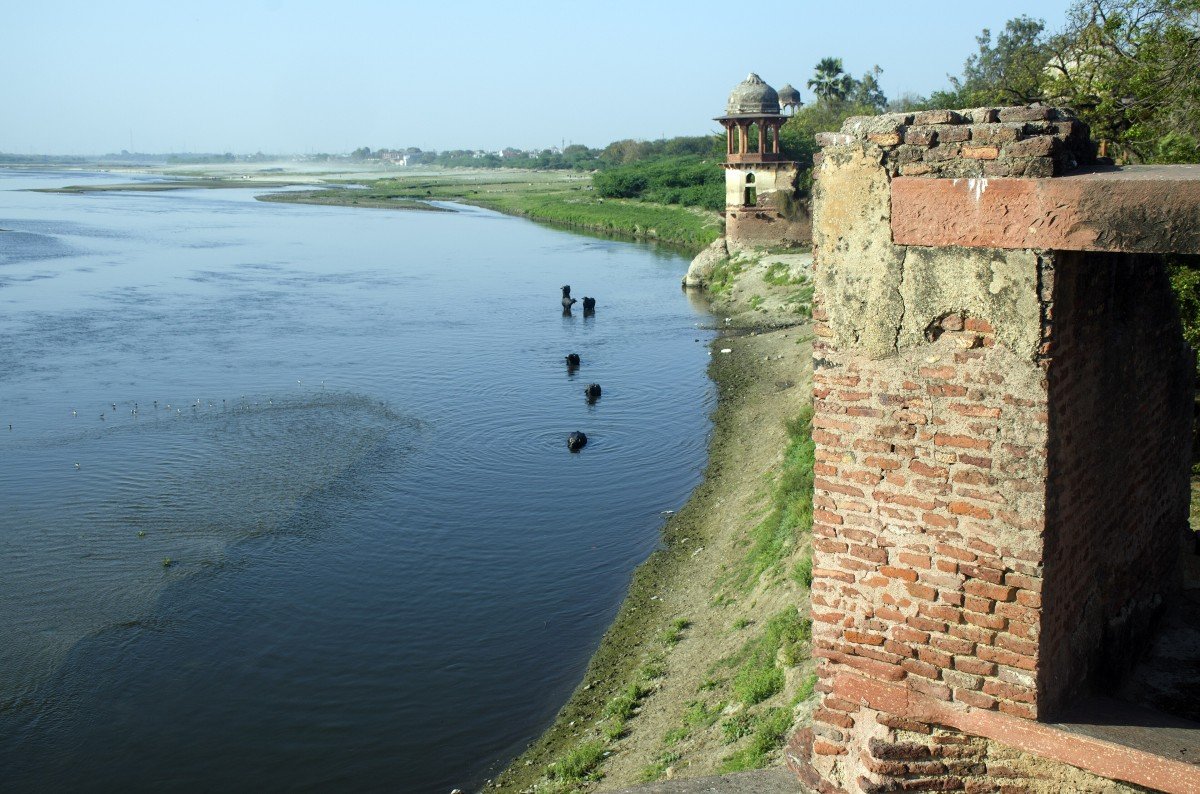
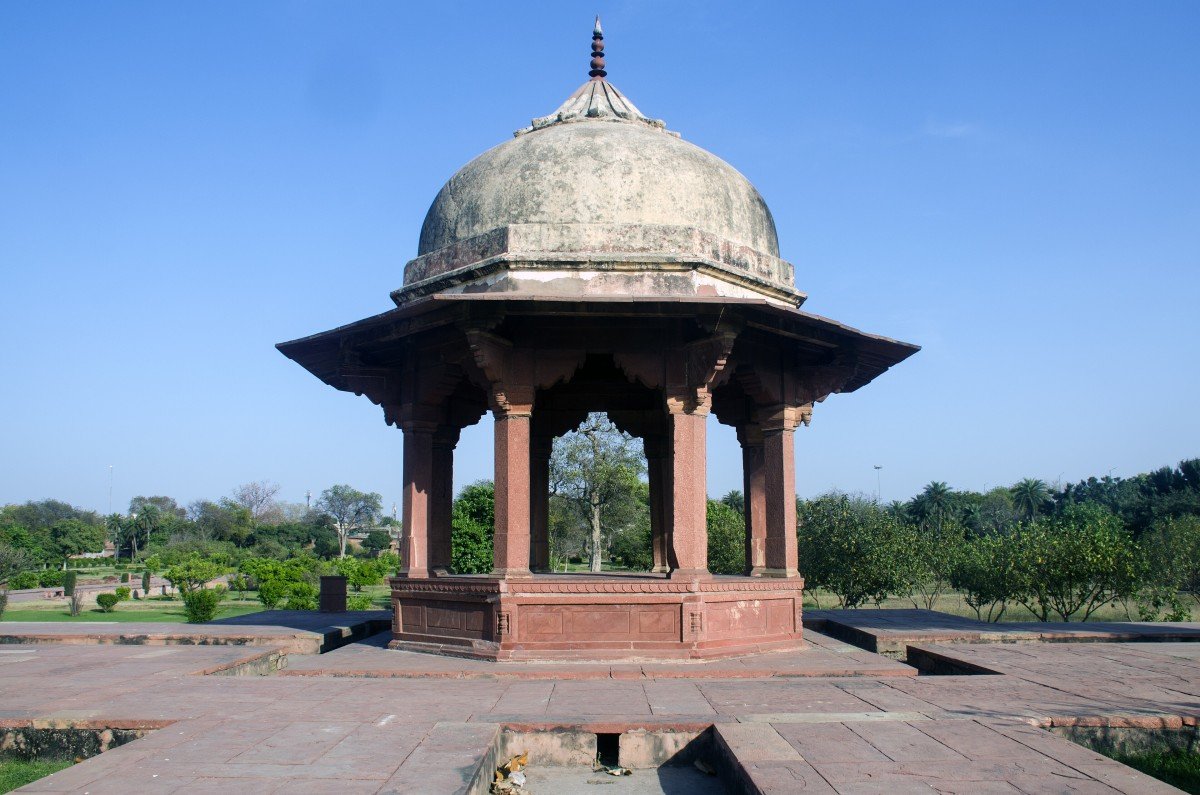
The Riverbank Pavilions: Use the small, arched marble pavilions on the Yamuna River side to frame the river itself or the foliage of the garden. These structures offer a classic Mughal backdrop and a sense of historical scale, placing the subject within the ancient architecture.
Avenue of Trees: Photos taken along the long avenues of trees that line the main walkways can create a beautiful, natural tunnel effect, emphasizing the tranquility and depth of the garden's landscape. The use of natural shadows and light filtering through the canopy is highly effective here.
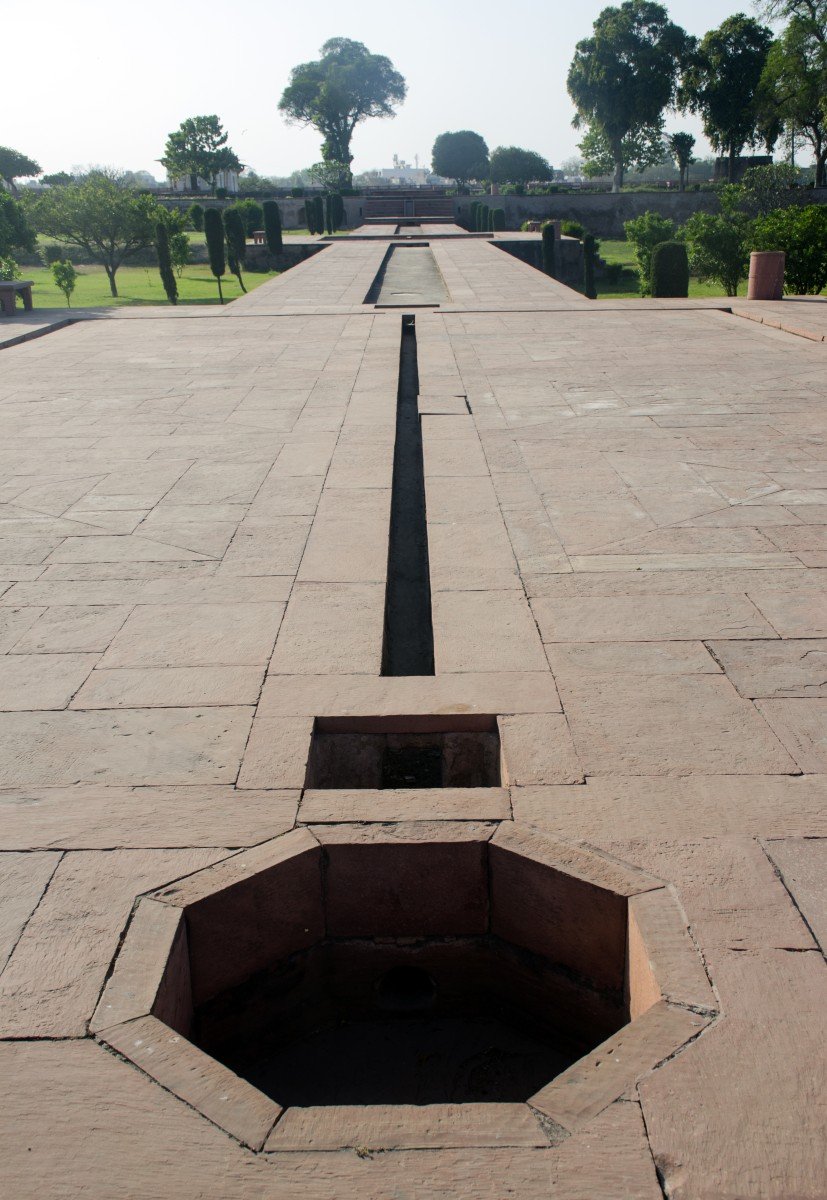
Close-up of the Stone Work: The intricate geometric patterns on the stone platforms and the remnants of the stone water chutes (chadar) are excellent for close-up, detail-oriented photography, showcasing the fine craftsmanship of the early Mughal builders.Photo Gallery
Things To Do
-
Wandering the Charbagh: Spend time wandering and reflecting in the four symmetrical quadrants of the garden, following the original pathways and soaking in the tranquil atmosphere intended by Emperor Babur. This activity allows you to experience the spatial and cooling effects of the Charbagh design firsthand.
Studying the Water System: Carefully trace the intricate network of water channels and cascades. Observing how the Mughals managed to elevate water from the Yamuna River and distribute it throughout the tiered garden via the ancient hydraulic system is a fascinating exercise in historical engineering appreciation.
Exploring the Riverbank Pavilions: Spend a few moments resting in the shade of the small, surviving pavilions on the riverbank, which offer cool breezes and a historical perspec...Wandering the Charbagh: Spend time wandering and reflecting in the four symmetrical quadrants of the garden, following the original pathways and soaking in the tranquil atmosphere intended by Emperor Babur. This activity allows you to experience the spatial and cooling effects of the Charbagh design firsthand.
Studying the Water System: Carefully trace the intricate network of water channels and cascades. Observing how the Mughals managed to elevate water from the Yamuna River and distribute it throughout the tiered garden via the ancient hydraulic system is a fascinating exercise in historical engineering appreciation.
Exploring the Riverbank Pavilions: Spend a few moments resting in the shade of the small, surviving pavilions on the riverbank, which offer cool breezes and a historical perspective on the Yamuna River, imagining the royal court relaxing in the same spot nearly five centuries ago.
Identifying the Flora: Look for the variety of plant life and fruit trees that were part of the original Mughal horticultural plan, which included citrus, mango, and other shade-giving trees. The garden's plants are a modern attempt to replicate the original 'paradise' planting scheme.
Visiting Nearby Monuments: Combine the visit with a trip to the nearby Itimad-ud-Daulah's Tomb (Baby Taj) and Chini Ka Rauza, as these three monuments are all located on the same side of the river and are easily accessible in a single half-day itinerary.
Photography of the Terraced Cascades: Focus on capturing the beautiful symmetry and the stone cascades that connect the three terraces. These tiered water features, even when dry, offer excellent architectural photography opportunities, emphasizing depth and perspective.
Quiet Picnic Spot: The lush lawns of Ram Bagh make it a perfect, quiet location for a small picnic, unlike the more restricted historical sites. This allows for a more extended period of enjoyment and relaxation in the beautiful historical setting.
Information
-
Why Famous:
The Cradle of Mughal Garden Architecture: Ram Bagh's primary fame rests on its status as the oldest Mughal garden in India, a pioneering experiment by Emperor Babur to recreate the Persian paradise garden concept in the Indian subcontinent. It is the very first Charbagh gar...The Cradle of Mughal Garden Architecture: Ram Bagh's primary fame rests on its status as the oldest Mughal garden in India, a pioneering experiment by Emperor Babur to recreate the Persian paradise garden concept in the Indian subcontinent. It is the very first Charbagh garden in India, making it the conceptual blueprint for all later, more famous Mughal gardens, including the magnificent gardens of the Taj Mahal and those in Kashmir. Its fame is historical, marking the arrival and establishment of a distinct Mughal architectural style.
Babur’s Temporary Resting Place: The garden's profound historical significance is amplified by the fact that it was the temporary resting place for the body of Emperor Babur after his death in 1530. This association with the founder of the Mughal Empire elevates it from a mere pleasure garden to a sacred and historically pivotal site. The decision to temporarily inter him here, overlooking the Yamuna River, underscores the Emperor's deep affection for this particular garden and his vision for Agra. The garden is considered a foundational piece of Agra's rich Mughal heritage, often highlighted in tours focusing on the history preceding the Taj Mahal. -
Architecture:
Tiered Charbagh Design: Ram Bagh is one of the earliest and purest examples of the Charbagh pattern in India, based on the Persian Timurid style. The design is symmetrically divided into four parts by walkways and two central, perpendicular water channels (representing the ...Tiered Charbagh Design: Ram Bagh is one of the earliest and purest examples of the Charbagh pattern in India, based on the Persian Timurid style. The design is symmetrically divided into four parts by walkways and two central, perpendicular water channels (representing the rivers of paradise). The garden is uniquely built on three distinct, terraced levels or platforms, which is its most recognizable architectural feature, a deliberate choice to enhance the cascade effect of the water features. The overall design is rectangular.
Water Cascades and Features: A sophisticated hydraulic system draws water from the Yamuna River via a channel and then lifts it to the highest level, allowing it to cascade down the three terraces via stone waterfalls (chadar) into small tanks and reservoirs on the lower levels. This flowing water was crucial for cooling the air and creating the peaceful 'Garden of Rest' atmosphere. Two small marble pavilions, located on the river side, flank the main water channels, providing shaded resting spots.
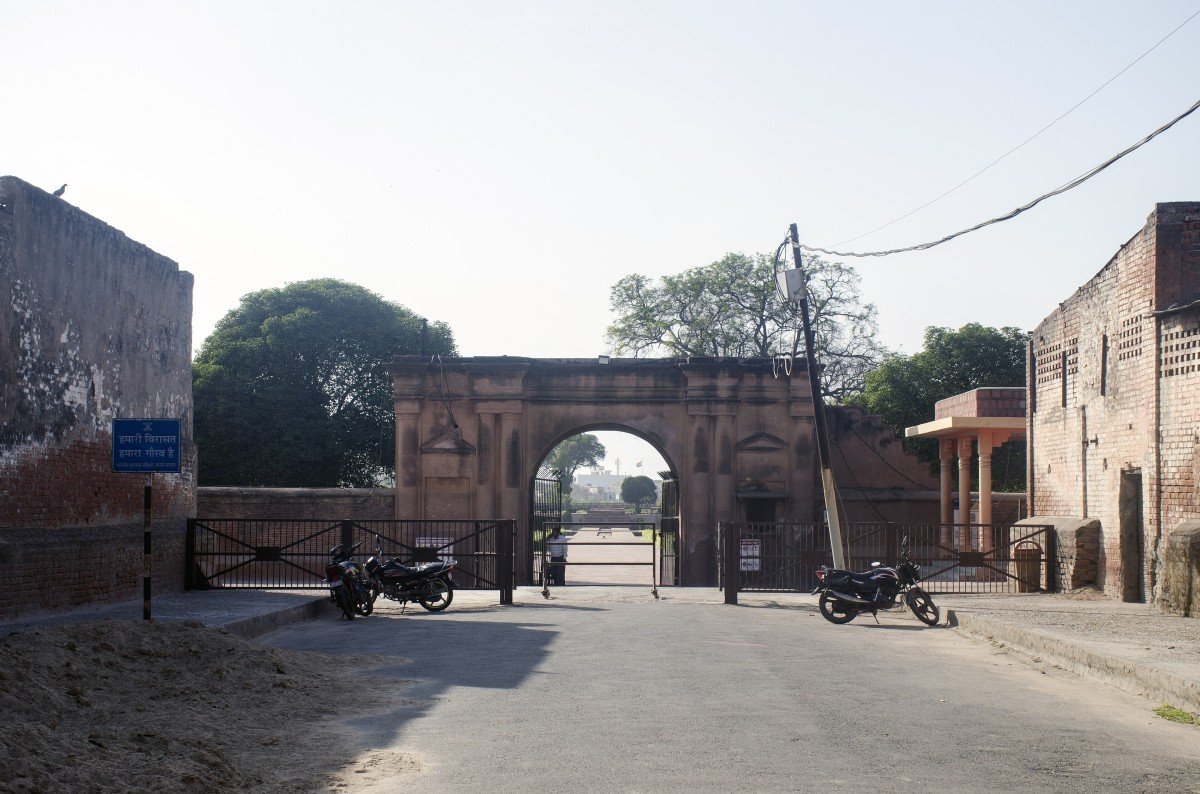
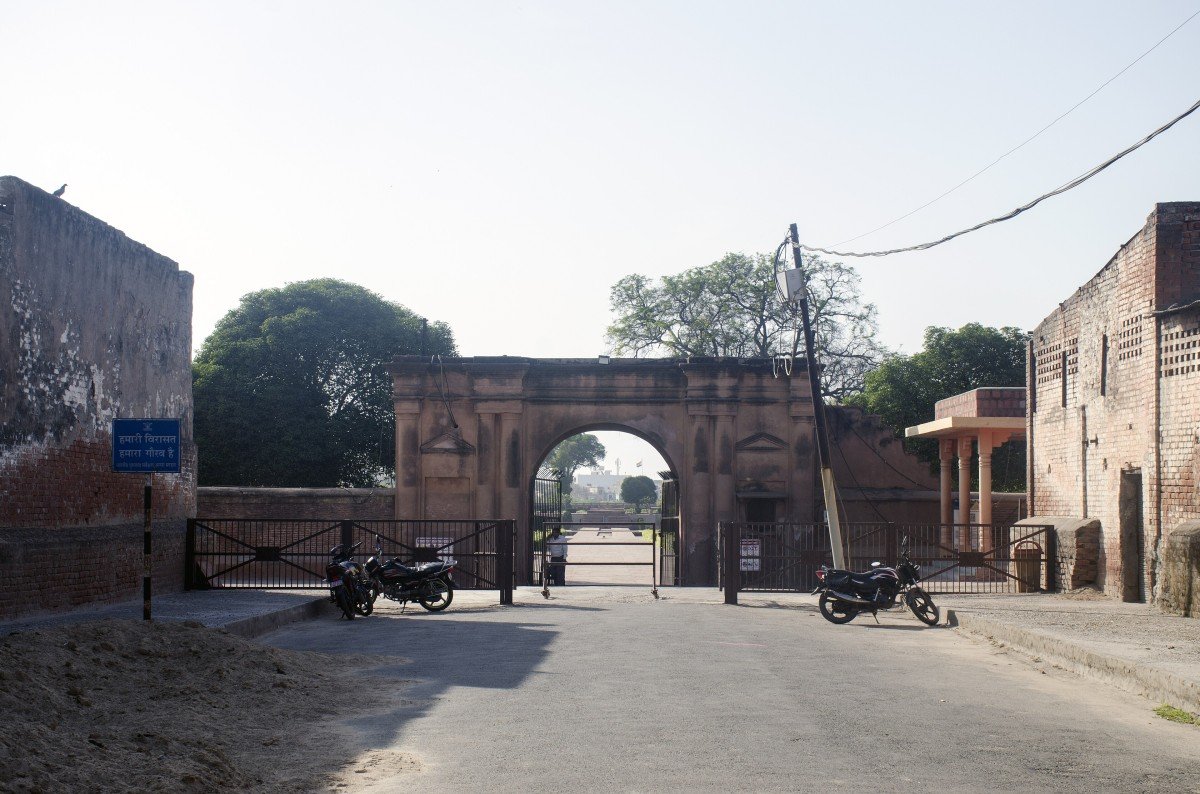
Walls and Gateways: The garden is surrounded by a substantial enclosing wall, featuring high towers (chhatris) at the corners, which are topped with decorative pavilions. The main gates are constructed of red sandstone, consistent with early Mughal architecture. Inside, remnants of a Hammam (royal bathhouse) are also found near the northeast side, another typical feature of a royal Mughal retreat, demonstrating the garden's function as a complete recreational complex. -
How To Reach:
By Air: The nearest domestic airport is Kheria Airport (AGR), approximately 15 KM away. From the airport, a taxi or cab can be hired for a direct ride, taking about 30-40 minutes. The nearest international gateway is Indira Gandhi International Airport (DEL) in New Delhi (...By Air: The nearest domestic airport is Kheria Airport (AGR), approximately 15 KM away. From the airport, a taxi or cab can be hired for a direct ride, taking about 30-40 minutes. The nearest international gateway is Indira Gandhi International Airport (DEL) in New Delhi (230 KM). From DEL, travelers can take the Yamuna Expressway via a private car for a direct journey to Agra.
By Train: The two major railway stations are Agra Cantt (AGC), about 9 KM away, and the closer Agra Fort Railway Station (AF), about 5 KM away. From both stations, auto-rickshaws and pre-paid taxis are readily available. Since the garden is slightly further out on the Mathura Road, negotiating a fare with an auto-rickshaw is recommended.
By Road: Ram Bagh is located directly on National Highway 44 (NH 44), also known as Mathura Road. This makes it very accessible by car or taxi from the city center. It is well-connected to major intercity bus routes from Delhi, Mathura, and Vrindavan. Self-driving is straightforward, and there is usually parking available near the entrance.
By Local Transport: From the inner city areas of Agra, the most common and convenient local transport to Ram Bagh is an auto-rickshaw or an e-rickshaw. It is best to negotiate a round-trip fare or hire a cab for the entire duration of your visit to the monuments on the eastern bank of the Yamuna River (Ram Bagh, Itimad-ud-Daulah's Tomb, Chini Ka Rauza). -
Weather and Best Time to Visit:
Winter Season (October to March): This is the ideal time for a visit, as the cool and dry weather makes strolling through the large garden very comfortable. The pleasant temperature allows visitors to spend a longer, relaxed duration exploring the multiple terraces and stru...Winter Season (October to March): This is the ideal time for a visit, as the cool and dry weather makes strolling through the large garden very comfortable. The pleasant temperature allows visitors to spend a longer, relaxed duration exploring the multiple terraces and structures.
Monsoon Season (July to September): The monsoon revitalizes the garden's foliage, making it a beautiful, lush green escape. The atmosphere is humid but often romantic, with the water channels filling up and the cascades running beautifully. Photography is excellent due to the soft, overcast light.
Summer Season (April to June): The intense heat of the summer makes a midday visit uncomfortable. If visiting in the summer, stick strictly to the Early Morning hours (6:00 AM to 8:00 AM) to avoid the peak heat and bright sun.
Different Parts of the Day: Early Morning is the best part of the day for low crowds, cool air, and ideal light for photographing the symmetrical layout. The late afternoon is also pleasant for a relaxed visit and a quiet moment. -
Near Tourist Places:
Itimad-ud-Daulah's Tomb (2 KM) Chini Ka Rauza (1 KM) Mehtab Bagh (4 KM) Taj Mahal (8 KM) Agra Fort (5 KM) Tomb of Akbar the Great (Sikandra) (10 KM) Jama Masjid (5 KM) Guru Ka Tal Gurudwara (7 KM) Soor Sarovar Bird Sanctuary (12 KM) Sadar Bazaar (7 KM)
Tourism Tips
-
Health & Safety: The garden is large; wear comfortable walking shoes suitable for grass and stone pathways. Carry a small water bottle, especially if visiting outside of the peak Winter season. The area is generally very safe, but be aware of the occasional aggressive mon...Health & Safety: The garden is large; wear comfortable walking shoes suitable for grass and stone pathways. Carry a small water bottle, especially if visiting outside of the peak Winter season. The area is generally very safe, but be aware of the occasional aggressive monkey, which is common in open Agra monuments; do not feed them.
Packing: Bring a Camera for landscape photography and a good Guidebook to fully appreciate the historical significance of the oldest Mughal garden. A hat and sunscreen are essential for sun protection.
Accommodation: Staying in a hotel near the Taj East Gate area or on Mathura Road will provide the easiest access to Ram Bagh and the cluster of other monuments on this side of the river.
Other Tourism Tips: Combine your visit with nearby sites like Itimad-ud-Daulah's Tomb (2 KM) to maximize your day. Since the garden is relatively less crowded than the Taj Mahal, take the opportunity to hire a guide who can provide specialized historical context about Babur's era and the Charbagh style, which is often a richer experience here.
Reviews
FAQs
Agra Itineray And Cost:-
Other Places In Agra :-
Other States In India :-
Information about New and Updated Locations() of Uttar Pradesh Has Been Added :-
Card subtitle
Note:-
Information provided here in good Faith and for reference only.
Near Places
Agra Fort
Some quick example text to build on the card title and make up the bulk of the card's content.
Go somewhere
Akbar's Tomb
Some quick example text to build on the card title and make up the bulk of the card's content.
Go somewhere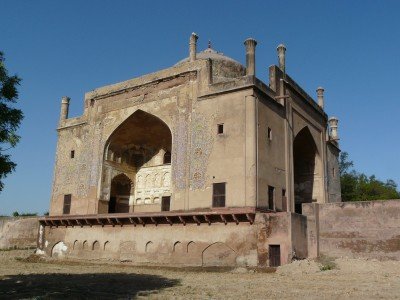
Chini Ka Rauza
Some quick example text to build on the card title and make up the bulk of the card's content.
Go somewhere
Gurudwara Guru Ka Taal
Some quick example text to build on the card title and make up the bulk of the card's content.
Go somewhere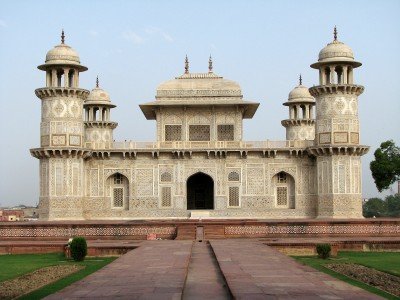
Itmad-ud-Daulah's Tomb
Some quick example text to build on the card title and make up the bulk of the card's content.
Go somewhere
Jahangiri Mahal
Some quick example text to build on the card title and make up the bulk of the card's content.
Go somewhere
Jama Masjid
Some quick example text to build on the card title and make up the bulk of the card's content.
Go somewhere
Khas Mahal
Some quick example text to build on the card title and make up the bulk of the card's content.
Go somewhere
Kinari Bazaar
Some quick example text to build on the card title and make up the bulk of the card's content.
Go somewhere
Mankameshwar Temple
Some quick example text to build on the card title and make up the bulk of the card's content.
Go somewhere
Mariam's Tomb
Some quick example text to build on the card title and make up the bulk of the card's content.
Go somewhere
Mehtab Bagh
Some quick example text to build on the card title and make up the bulk of the card's content.
Go somewhere
Moti Masjid
Some quick example text to build on the card title and make up the bulk of the card's content.
Go somewhere
Ram Bagh
Some quick example text to build on the card title and make up the bulk of the card's content.
Go somewhere
Soor Sarovar Bird Sanctuary
Some quick example text to build on the card title and make up the bulk of the card's content.
Go somewhere
Taj Mahal
Some quick example text to build on the card title and make up the bulk of the card's content.
Go somewherein Other Cities