Mehtab Bagh
General information
-
Ideal Duration:
1-2 HoursPlace Type:
Historical Garden, Sightseeing, Photography SpotEntry Fees:
For Indian Nationals: The standard entry fee for Indian citizens, including citizens of SAARC and BIMSTEC countries, is typically around Rs.25 to Rs.30 per person. This is a very nominal charge, making the historical site highly accessible to local tourists and budget travelers...For Indian Nationals: The standard entry fee for Indian citizens, including citizens of SAARC and BIMSTEC countries, is typically around Rs.25 to Rs.30 per person. This is a very nominal charge, making the historical site highly accessible to local tourists and budget travelers, encouraging repeat visits and a greater appreciation of the Mughal heritage.
For Foreign Nationals: The entry fee for foreign tourists is significantly higher, generally ranging from Rs.250 to Rs.350 per person. This differential pricing is a common practice at major historical sites managed by the Archaeological Survey of India (ASI) and contributes to the conservation and maintenance of the monument complex.
Video and Camera Fees: While still cameras and mobile phone photography are usually included in the standard entry fee, there may be a separate, additional fee (often minor, around Rs.25) for carrying a professional video camera inside the premises. It is always advisable to check the current rates at the ticket window.
No Separate Fees for Full Moon Nights: For the special full moon night viewings (when available), there is usually a distinct and much higher ticket price than the standard daytime fee, which must be purchased separately and often in advance from the ASI counter. These tickets are limited and sought after due to the unique experience.Timing:
Regular Timings: Mehtab Bagh is open seven days a week, typically from Sunrise to Sunset, which generally means from 6:00 AM to 6:00 PM. It is one of the few surrounding historical sites that remains open on Fridays (when the Taj Mahal complex is closed), making it the perf...Regular Timings: Mehtab Bagh is open seven days a week, typically from Sunrise to Sunset, which generally means from 6:00 AM to 6:00 PM. It is one of the few surrounding historical sites that remains open on Fridays (when the Taj Mahal complex is closed), making it the perfect spot for tourists who arrive in Agra on that specific day.
Ideal Visit Time: The absolute ideal time to visit is in the Late Afternoon, specifically 60 to 90 minutes before sunset. This timing allows visitors to secure a good spot, enjoy the tranquil environment, and witness the magical transformation of the Taj Mahal's white marble as the sun dips below the horizon, bathing the monument in golden light.
Best Time for Photography: For serious photographers, both Sunrise (opening time) and Sunset (closing time) offer the best lighting conditions, with soft, diffused light, though sunset is generally more dramatic and popular. The quiet morning hours, however, offer fewer crowds and a more serene experience.
Full Moon Night Viewings: The garden is a must-visit during the five nights of the full moon (the night of the full moon, two nights before, and two nights after), when special viewing tickets are sometimes sold. This is an unparalleled experience, but the specific timings are governed by the ASI and require advance booking.Special Events:
Taj Mahotsav Festivities: While the primary special event is the subtle, natural event of the Full Moon Viewings of the Taj Mahal (when the garden often stays open late), Mehtab Bagh benefits greatly from the annual Taj Mahotsav held in February or March. This 10-day cultur...Taj Mahotsav Festivities: While the primary special event is the subtle, natural event of the Full Moon Viewings of the Taj Mahal (when the garden often stays open late), Mehtab Bagh benefits greatly from the annual Taj Mahotsav held in February or March. This 10-day cultural festival celebrates the arts, crafts, cuisine, and culture of the region, and while the main events are held elsewhere in Agra, the influx of tourists and the general festive atmosphere enhance the experience of visiting Mehtab Bagh. Many tour operators use this time to highlight the serene garden as a peaceful counterpoint to the city's celebration.
Mughal Heritage Walks: Periodically, special guided 'Mughal Heritage Walks' are organized by local history enthusiasts and tourism groups, which often include Mehtab Bagh as a key destination. These walks focus on the gardens along the Yamuna River, detailing their historical purpose, architectural evolution, and their connection to the main monuments like the Taj Mahal. These walks offer specialized insight into the garden's role in the larger Mughal landscape, which is distinct from a regular tourist visit.Best Photo Spots:
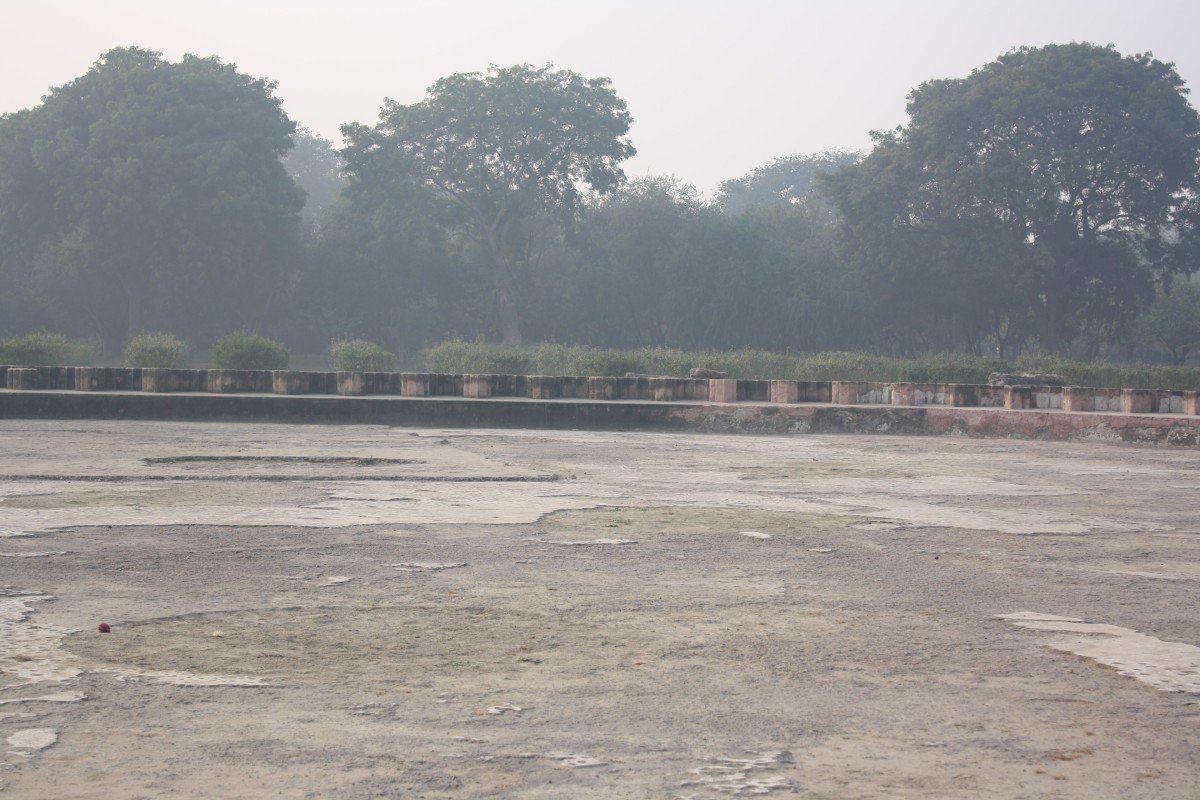
The Sunset Bench: The most sought-after photo spot is the designated, raised platform or bench area near the octagonal tank on the river side of the garden. From this point, you can capture the Taj Mahal perfectly framed between the garden's foliage, with the Yamuna River i...The Sunset Bench: The most sought-after photo spot is the designated, raised platform or bench area near the octagonal tank on the river side of the garden. From this point, you can capture the Taj Mahal perfectly framed between the garden's foliage, with the Yamuna River in the middle ground, especially as the sun sets behind the mausoleum. This angle is famous for its clear, postcard-perfect view.
The Central Axis: The long, central pathway that runs from the garden's entrance gate to the river bank offers a magnificent, symmetrical composition. Photos taken from the entrance, looking down the path, use the lines of the Charbagh to lead the eye directly to the Taj Mahal in the distance, providing a powerful sense of depth and scale.
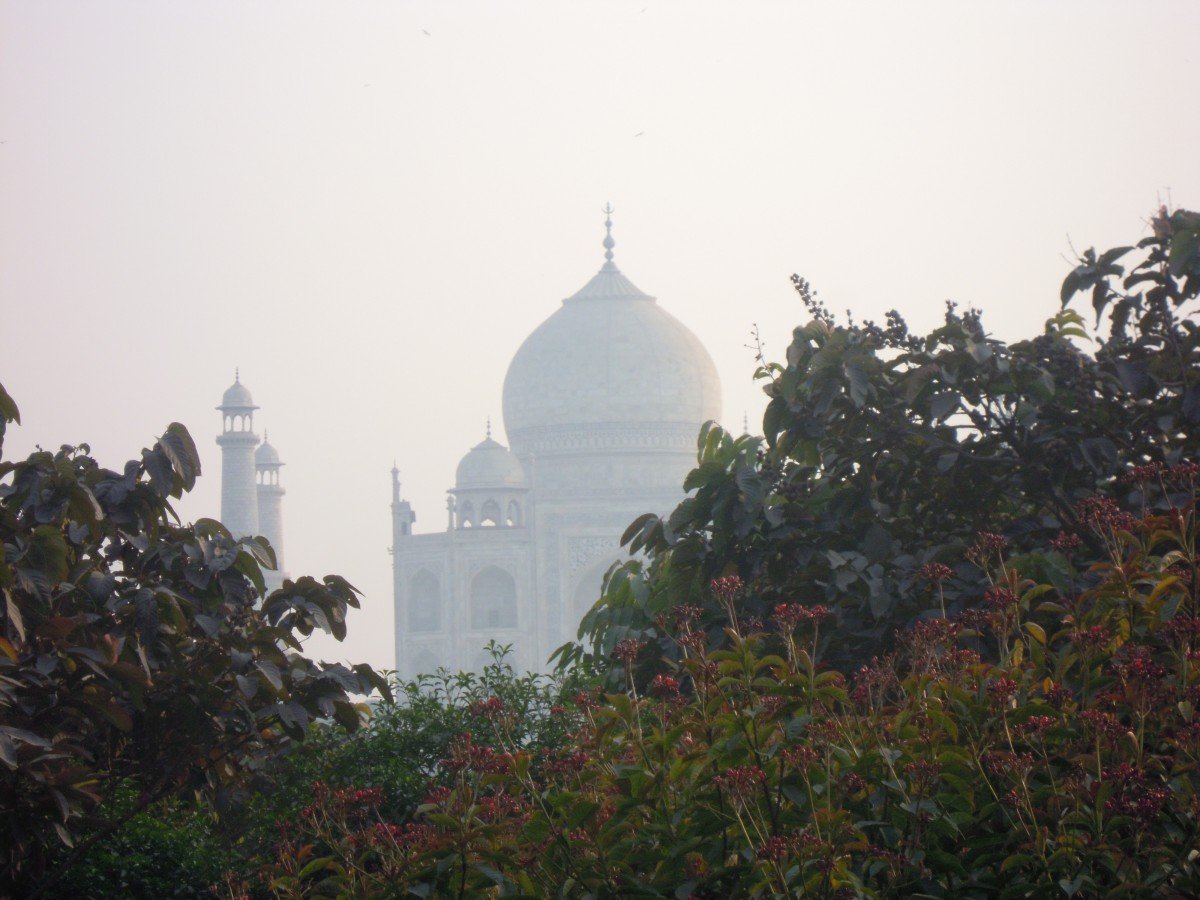
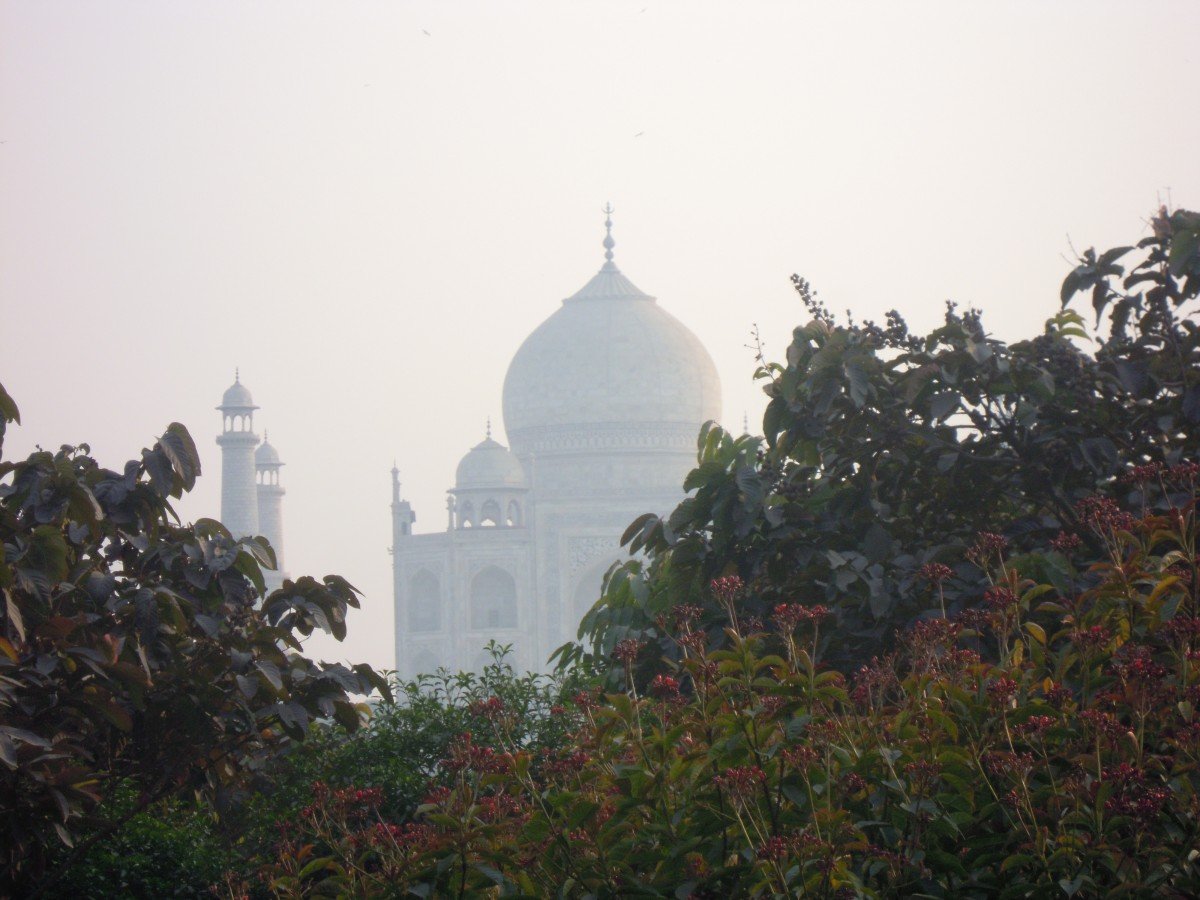
Framing with Foliage: Shots taken from within the garden's quadrants, using the lush green trees, especially the large, established ones, to frame a portion of the Taj Mahal's dome or minarets. This technique creates a natural vignette and adds context and color to the classic white marble structure, resulting in a more artistic and less conventional photograph.
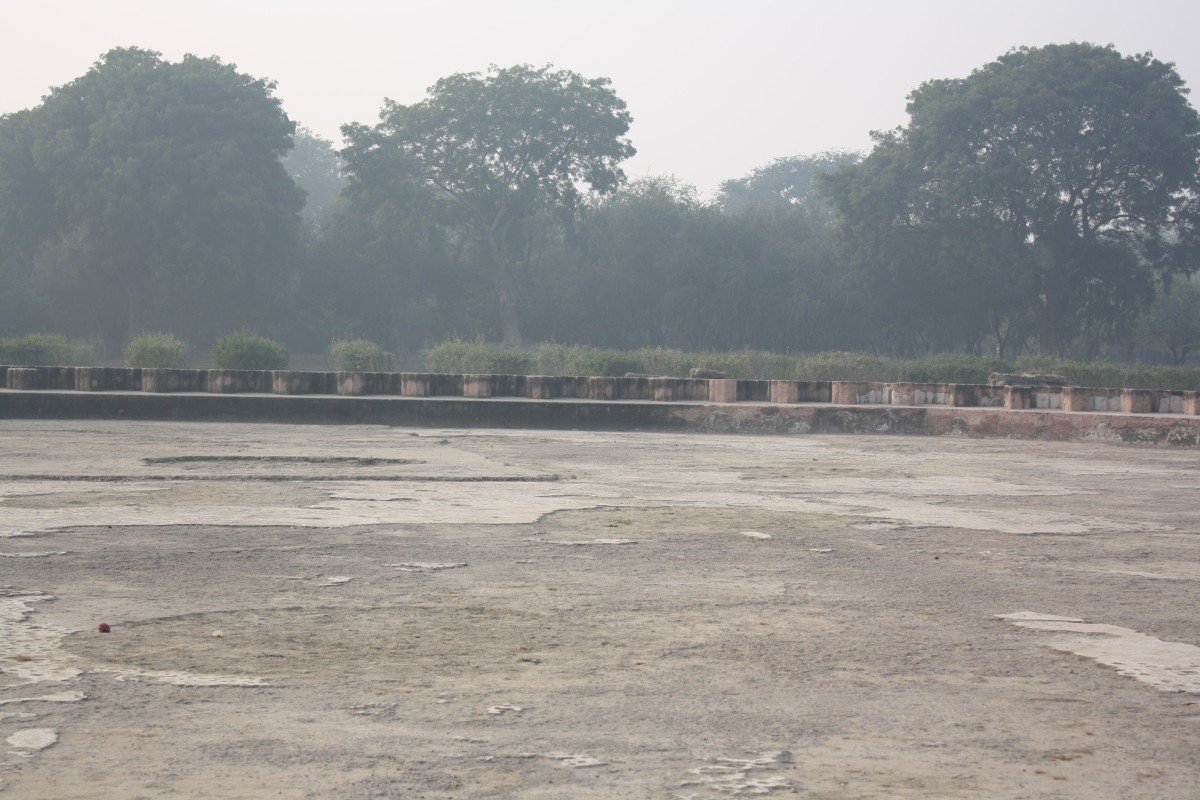
Octagonal Tank Reflection: The edge of the octagonal water tank is ideal for capturing the Taj Mahal's reflection, particularly on a clear, calm day or during the full moon viewing. A wide-angle shot can capture the entire monument mirrored in the water, fulfilling the original 'Moonlight Garden' design concept.Photo Gallery
Things To Do
-
Photography and Sunset Gazing: The most popular thing to do is to find a perfect vantage point to photograph the Taj Mahal, especially during the golden hour of sunset. Tourists spend a considerable amount of time waiting for the light to change, capturing the shifting colors on the marble facade. The unique perspective from the banks of the Yamuna River provides a foreground of lush greenery and the river itself, adding depth to the photographs.
Strolling the Charbagh Pathways: Take a slow, leisurely stroll along the symmetrical pathways of the Charbagh garden. The restored walkways are lined with trees and flowering plants, offering a peaceful and reflective experience. This activity allows visitors to appreciate the Mughal concept of a perfectly ordered, earthly paradise.
Exploring the Ruins a...Photography and Sunset Gazing: The most popular thing to do is to find a perfect vantage point to photograph the Taj Mahal, especially during the golden hour of sunset. Tourists spend a considerable amount of time waiting for the light to change, capturing the shifting colors on the marble facade. The unique perspective from the banks of the Yamuna River provides a foreground of lush greenery and the river itself, adding depth to the photographs.
Strolling the Charbagh Pathways: Take a slow, leisurely stroll along the symmetrical pathways of the Charbagh garden. The restored walkways are lined with trees and flowering plants, offering a peaceful and reflective experience. This activity allows visitors to appreciate the Mughal concept of a perfectly ordered, earthly paradise.
Exploring the Ruins and Archaeology: Spend time looking at the remnants of the original structures, such as the foundations of the octagonal corner pavilions and the ancient water channels and fountains. These ruins provide tangible evidence of the extensive restoration work done by the ASI and offer a deeper historical context beyond the Taj Mahal view.
Bird Watching by the Yamuna: The garden, situated on the bank of the Yamuna River, attracts several species of local and migratory birds, making it a pleasant spot for a bit of casual bird watching. The natural riparian environment adds to the biodiversity of the location.
Relaxation and Meditation: Due to its quiet location away from the main tourist crowds, the garden is an ideal place for relaxation, quiet contemplation, or meditation. The lush, well-maintained lawns and the serene view of the Taj Mahal contribute to a calming atmosphere.
Visiting During Full Moon Nights: On certain full moon nights (and two nights before/after), the garden is open for late evening viewing, allowing visitors to experience the true 'Moonlight Garden' effect. Observing the Taj Mahal under the soft silver glow of the moon, with its reflection in the octagonal pool, is a profoundly unique and magical experience that should be pre-booked and planned carefully.
Studying Mughal Landscape Design: For students of architecture and history, tracing the Charbagh's symmetry and understanding its relationship to the main mausoleum is a valuable exercise. It illustrates how the Mughals viewed their structures and landscapes as interconnected, harmonious designs, which is a rare, preserved example of landscape architecture.
Information
-
Why Famous:
The Perfect Taj Mahal Sunset View: Mehtab Bagh is overwhelmingly famous for offering the most spectacular and unobstructed view of the Taj Mahal at sunset. The garden is perfectly positioned on the opposite bank of the Yamuna River, directly across from the world-famous mon...The Perfect Taj Mahal Sunset View: Mehtab Bagh is overwhelmingly famous for offering the most spectacular and unobstructed view of the Taj Mahal at sunset. The garden is perfectly positioned on the opposite bank of the Yamuna River, directly across from the world-famous monument. As the sun descends, the white marble of the Taj Mahal catches the golden, orange, and pink hues of the setting sun, resulting in a breathtaking light show and photographic opportunity that is considered superior to the view from within the Taj Mahal complex itself.
Mughal Symmetry and Reflection: Its fame also rests on its historical design as the final, integral component of the Taj Mahal's architectural scheme. The garden was designed with the sole purpose of complementing the mausoleum, maintaining the strict Mughal love for symmetry and axial alignment. The octagonal pool at the riverbank was engineered to capture a perfect reflection of the Taj Mahal, especially on a full moon night, earning it the title of the 'Moonlight Garden'. This intentional symmetry and its role in completing the visual narrative of the Taj Mahal make it a unique and historically important site. The peaceful atmosphere and absence of the huge crowds found at the Taj Mahal main gate contribute to its appeal. -
Architecture:
Mughal Charbagh Design: The architecture of Mehtab Bagh strictly adheres to the classic Persian-influenced Mughal Charbagh (four-part) style, which symbolizes the Islamic concept of paradise. The garden is laid out in a perfect square, measuring approximately 300m x 300m (o...Mughal Charbagh Design: The architecture of Mehtab Bagh strictly adheres to the classic Persian-influenced Mughal Charbagh (four-part) style, which symbolizes the Islamic concept of paradise. The garden is laid out in a perfect square, measuring approximately 300m x 300m (or nearly 25 acres), which is precisely the same width as the Taj Mahal complex on the opposite bank. This symmetrical layout is divided into four main quadrants by central walkways and water channels, maintaining a strict sense of order and balance. The central water channel, which mirrors the axis of the Taj Mahal, is a key feature, emphasizing the monument's reflection in its water, particularly during the moonlight.
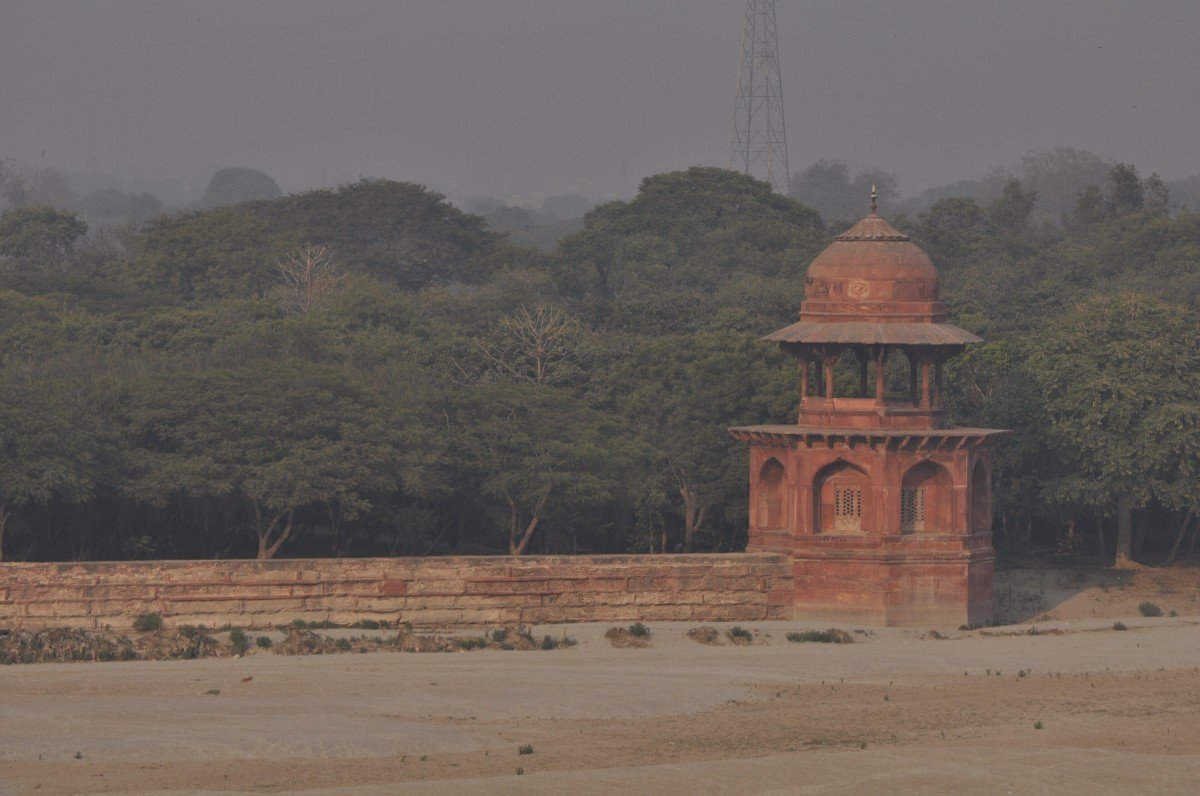
Material and Structural Elements: The garden's perimeter is enclosed by a high, sturdy wall, primarily constructed from red sandstone and brick, utilizing lime plaster as the binding material. At the corners, there were originally four domed octagonal pavilions, or towers (chhatris), also made of red sandstone, though only remnants of these structures are visible today. Towards the riverside, a large, octagonal tank or pond is situated, which was crucial for reflecting the Taj Mahal. The garden incorporates a complex system of hydraulic engineering, including water channels and a cistern, to draw water from the Yamuna River for irrigation and to supply the fountains and pools, though the original fountains are now largely in ruins. The use of red sandstone provides a beautiful contrast to the white marble of the Taj Mahal across the river, creating a visually rich and complementary landscape. The width of the garden is exactly aligned with the outer walls of the Taj Mahal, indicating a deliberate and highly planned integration between the two structures. -
How To Reach:
By Air: The nearest domestic airport is Agra's Kheria Airport (AGR), located approximately 12 KM from Mehtab Bagh. From the airport, one can easily hire a pre-paid taxi or a cab from ride-sharing services like Uber or Ola directly to the garden in about 30 minutes, dependin...By Air: The nearest domestic airport is Agra's Kheria Airport (AGR), located approximately 12 KM from Mehtab Bagh. From the airport, one can easily hire a pre-paid taxi or a cab from ride-sharing services like Uber or Ola directly to the garden in about 30 minutes, depending on traffic conditions. The closest international gateway is Indira Gandhi International Airport (DEL) in New Delhi, about 230 KM away. From DEL, travelers can take a domestic flight to AGR, or hire a direct taxi for a 3-4 hour drive via the Yamuna Expressway.
By Train: The primary railway station is Agra Cantt (AGC), which is well-connected to all major Indian cities. Mehtab Bagh is about 10 KM from Agra Cantt. From the station, you have ample choice for local transport: pre-paid taxis, auto-rickshaws, cycle-rickshaws, or battery-operated e-rickshaws. The station area is usually crowded, so pre-booking a cab might be the most comfortable option. Agra Fort Railway Station is also a nearby option.
By Road: Agra is excellently connected by major highways. The Yamuna Expressway connects Agra to Delhi (210 KM) and is a smooth 3-hour drive. The NH-44 and NH-19 also provide excellent connectivity. From within Agra, simply follow the signs toward the Taj Mahal East Gate and then take the road across the Yamuna River. Self-drive, rental cars, or intercity bus services (from Delhi, Jaipur, etc. ) are all viable options.
By Local Transport: Once in Agra, the most convenient local transport for a comfortable ride to Mehtab Bagh is an auto-rickshaw or a pre-booked taxi/cab. Cycle-rickshaws are available but slower. E-rickshaws are an eco-friendly choice, especially near the no-vehicle zones around the Taj Mahal. Since the garden is on the opposite bank of the river, a motorized vehicle is recommended over a cycle-rickshaw due to the distance. -
Weather and Best Time to Visit:
Winter Season (October to March): This is unanimously considered the best time to visit Mehtab Bagh. The weather is pleasantly cool and dry, making it comfortable to spend time outdoors, especially in the late afternoon. The clear skies during this season ensure the best p...Winter Season (October to March): This is unanimously considered the best time to visit Mehtab Bagh. The weather is pleasantly cool and dry, making it comfortable to spend time outdoors, especially in the late afternoon. The clear skies during this season ensure the best possible visibility and vibrant colors for sunset photography of the Taj Mahal.
Monsoon Season (July to September): The monsoon brings occasional heavy rainfall but also turns the garden into a lush, vibrant green oasis. The sight of the Taj Mahal across the swollen Yamuna River can be very dramatic and beautiful, often surrounded by cloud cover, which offers a soft, diffused light for photography. Humidity is high, though.
Summer Season (April to June): This season should generally be avoided due to the extreme heat, with temperatures often soaring above 40°C. If you must visit, restrict your timing to the very early morning (6:00 AM) to avoid the midday sun, but the quality of the sunset view is often compromised by haze.
Different Parts of the Day: Late Afternoon/Sunset is the most highly recommended part of the day, as described previously, due to the spectacular lighting on the Taj Mahal. Early Morning is also excellent for a peaceful, uncrowded experience with soft light. -
Near Tourist Places:
Taj Mahal (2 KM, across the river) Agra Fort (6 KM) Itimad-ud-Daulah's Tomb (4 KM) Chini Ka Rauza (4 KM) Jama Masjid (6 KM) Tomb of Akbar the Great (Sikandra) (16 KM) Moti Masjid (Inside Agra Fort, 6 KM) Ram Bagh (4 KM) Fatehpur Sikri (40 KM) Kachhpura Village (0. 5 KM)
Tourism Tips
-
Health & Safety: Be cautious of mosquitoes, especially near the riverbank in the late afternoon; carry insect repellent. The paths are well-maintained but wear comfortable walking shoes as you will be strolling on grass and uneven stone. The garden is safe, but be aware o...Health & Safety: Be cautious of mosquitoes, especially near the riverbank in the late afternoon; carry insect repellent. The paths are well-maintained but wear comfortable walking shoes as you will be strolling on grass and uneven stone. The garden is safe, but be aware of petty theft in crowded areas. Stay hydrated, particularly outside of the Winter season.
Packing: Essential items include a Camera or a high-quality phone for the famous sunset shots, a wide-angle lens for capturing the entire perspective, and possibly binoculars for a closer look at the Taj Mahal. Carry a hat and sunglasses regardless of the season, and bring a small bottle of water.
Accommodation: Since Mehtab Bagh is close to the Taj Mahal East Gate area, there are numerous hotels and guesthouses nearby, catering to all budgets, from luxury resorts to budget hostels. Staying near the Taj East Gate area provides convenient access to both the Taj Mahal and Mehtab Bagh.
Other Tourism Tips: Always check the sunset time before your visit and plan to arrive at least one hour before. Avoid visiting during the midday hours in the Summer. Pre-book your tickets online through the official ASI website to save time, as tickets are often checked at the gate. Be respectful of the historical site and the Yamuna River's fragile ecosystem; do not litter.
Reviews
FAQs
Agra Itineray And Cost:-
Other Places In Agra :-
Other States In India :-
Information about New and Updated Locations() of Uttar Pradesh Has Been Added :-
Card subtitle
Note:-
Information provided here in good Faith and for reference only.
Near Places
Agra Fort
Some quick example text to build on the card title and make up the bulk of the card's content.
Go somewhere
Akbar's Tomb
Some quick example text to build on the card title and make up the bulk of the card's content.
Go somewhere
Chini Ka Rauza
Some quick example text to build on the card title and make up the bulk of the card's content.
Go somewhere
Gurudwara Guru Ka Taal
Some quick example text to build on the card title and make up the bulk of the card's content.
Go somewhere
Itmad-ud-Daulah's Tomb
Some quick example text to build on the card title and make up the bulk of the card's content.
Go somewhere
Jahangiri Mahal
Some quick example text to build on the card title and make up the bulk of the card's content.
Go somewhere
Jama Masjid
Some quick example text to build on the card title and make up the bulk of the card's content.
Go somewhere
Khas Mahal
Some quick example text to build on the card title and make up the bulk of the card's content.
Go somewhere
Kinari Bazaar
Some quick example text to build on the card title and make up the bulk of the card's content.
Go somewhere
Mankameshwar Temple
Some quick example text to build on the card title and make up the bulk of the card's content.
Go somewhere
Mariam's Tomb
Some quick example text to build on the card title and make up the bulk of the card's content.
Go somewhere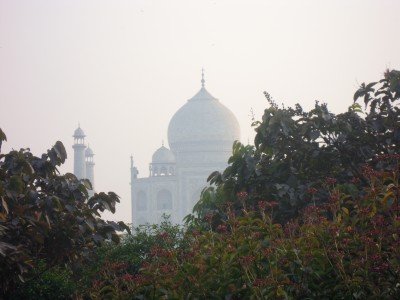
Mehtab Bagh
Some quick example text to build on the card title and make up the bulk of the card's content.
Go somewhere
Moti Masjid
Some quick example text to build on the card title and make up the bulk of the card's content.
Go somewhere
Ram Bagh
Some quick example text to build on the card title and make up the bulk of the card's content.
Go somewhere
Soor Sarovar Bird Sanctuary
Some quick example text to build on the card title and make up the bulk of the card's content.
Go somewhere
Taj Mahal
Some quick example text to build on the card title and make up the bulk of the card's content.
Go somewherein Other Cities