Mindrolling Monastery
General information
-
Ideal Duration:
2-3 HoursPlace Type:
Religious, Monastery, Architecture, Cultural CenteEntry Fees:
No Entry Fee: There is No Entry Fee to visit the Mindrolling Monastery complex, the main courtyards, or the Great Stupa, as it is a religious and educational center.
Stupa Donation: Voluntary donations are highly encouraged at the entrance a...No Entry Fee: There is No Entry Fee to visit the Mindrolling Monastery complex, the main courtyards, or the Great Stupa, as it is a religious and educational center.
Stupa Donation: Voluntary donations are highly encouraged at the entrance and within the Stupa for its maintenance and the upkeep of the college.
Photography Fee: There is generally No fee for personal photography, but there are strict rules against flash photography inside the main temple and Stupa to protect the ancient murals.
Monastery Shop Purchases: All purchases of books, handicrafts, and souvenirs are optional and contribute to the monastery's upkeep.Timing:
Regular Timings: 10:00 AM to 12:00 PM and 2:30 PM to 6:00 PM. The monastery is often closed for a long break during the midday (12:00 PM to 2:30 PM). Closed on Mondays for the public.
Ideal Visit Time: Visit during the morning session, rig...Regular Timings: 10:00 AM to 12:00 PM and 2:30 PM to 6:00 PM. The monastery is often closed for a long break during the midday (12:00 PM to 2:30 PM). Closed on Mondays for the public.
Ideal Visit Time: Visit during the morning session, right at 10:00 AM, for the most peaceful atmosphere and to potentially observe the morning rituals of the monks before the midday break.
Midday Break: Be aware of the 2. 5-hour midday closure and plan your visit either before or after this period.
Evening Chanting: The late afternoon (4:00 PM to 6:00 PM) is a great time to hear the evening chanting and witness the complex in the warm light.Special Events:
Monlam Chenmo (Great Prayer Festival): This major annual festival, typically held after the Tibetan New Year (Losar, usually in February or March), involves elaborate rituals, chanting, and prayers for world peace and is the biggest event.
Buddh...Monlam Chenmo (Great Prayer Festival): This major annual festival, typically held after the Tibetan New Year (Losar, usually in February or March), involves elaborate rituals, chanting, and prayers for world peace and is the biggest event.
Buddha Purnima (Buddha's Birthday): Celebrated in April or May, this day sees special ceremonies, community feasts, and large gatherings of monks and devotees.
Losar (Tibetan New Year): The complex celebrates the Tibetan New Year with traditional dances, food, and rituals, which is a colorful and culturally rich time to visit.
Educational Seminars: The Ngagyur Nyingma College regularly hosts academic seminars and teachings by highly revered Buddhist masters, some of which are open to the public.Best Photo Spots:
The Great Stupa from the Entrance: Capture the towering, majestic Stupa from the main approach road or the garden entrance to emphasize its enormous scale and the vibrant colors against the sky.
The Central Temple Facade: The main central te...The Great Stupa from the Entrance: Capture the towering, majestic Stupa from the main approach road or the garden entrance to emphasize its enormous scale and the vibrant colors against the sky.
The Central Temple Facade: The main central temple building's facade, with its intricate wood carvings and bright paintwork, offers excellent cultural and architectural detail shots.
The Row of Prayer Wheels: Capture a perspective shot of the long row of brass prayer wheels, often with a monk or devotee spinning them, adding a sense of motion and devotion.
The Panoramic View: The 360-degree view of the Dehradun valley from the highest accessible level of the Stupa is a mandatory, unique photo opportunity.
Colorful Flags: Focus on the vibrant prayer flags strung across the complex and in the gardens, especially when they are fluttering in the wind.Photo Gallery
Things To Do
-
Climb the Great Stupa: Ascend the internal stairs of the Stupa to admire the detailed murals on each floor and enjoy the panoramic view from the top.
Meditation and Reflection: Spend time in the quiet prayer hall or the extensive gardens for peaceful meditation and reflection.
Observe the Murals and Art: Study the intricate hand-painted murals and thangkas inside the main temple, which depict important scenes from Buddhist history and mythology.
Spin the Prayer Wheels: Take a meditative walk around the compound, spinning the large, cylindrical prayer wheels (Mani wheels) set into the walls.
Monastic Life Observation: Watch the young monks (Rinpoches) during their chanting and study periods from a respectful distance in the main c...Climb the Great Stupa: Ascend the internal stairs of the Stupa to admire the detailed murals on each floor and enjoy the panoramic view from the top.
Meditation and Reflection: Spend time in the quiet prayer hall or the extensive gardens for peaceful meditation and reflection.
Observe the Murals and Art: Study the intricate hand-painted murals and thangkas inside the main temple, which depict important scenes from Buddhist history and mythology.
Spin the Prayer Wheels: Take a meditative walk around the compound, spinning the large, cylindrical prayer wheels (Mani wheels) set into the walls.
Monastic Life Observation: Watch the young monks (Rinpoches) during their chanting and study periods from a respectful distance in the main courtyard.
Shop for Souvenirs: Visit the local shops within the complex for authentic Tibetan handicrafts, jewelry, prayer flags, and religious artifacts.
Photography: Capture the vibrant colors of the architecture and the peaceful atmosphere (ask for photography rules inside the temple).
Information
-
Why Famous:
Asia's Tallest Stupa: It is globally famous for being the site of the colossal Great Stupa of Enlightenment, which is recognized as one of the tallest Stupas in Asia.
Preservation of Nyingma School: It is one of the six major monasteries of ...Asia's Tallest Stupa: It is globally famous for being the site of the colossal Great Stupa of Enlightenment, which is recognized as one of the tallest Stupas in Asia.
Preservation of Nyingma School: It is one of the six major monasteries of the ancient Nyingma School of Tibetan Buddhism, serving as a vital center for the preservation of this tradition.
Spiritual Atmosphere: The sheer scale of the architecture combined with the peaceful, orderly environment and the sounds of chanting create an intensely spiritual and tranquil atmosphere.
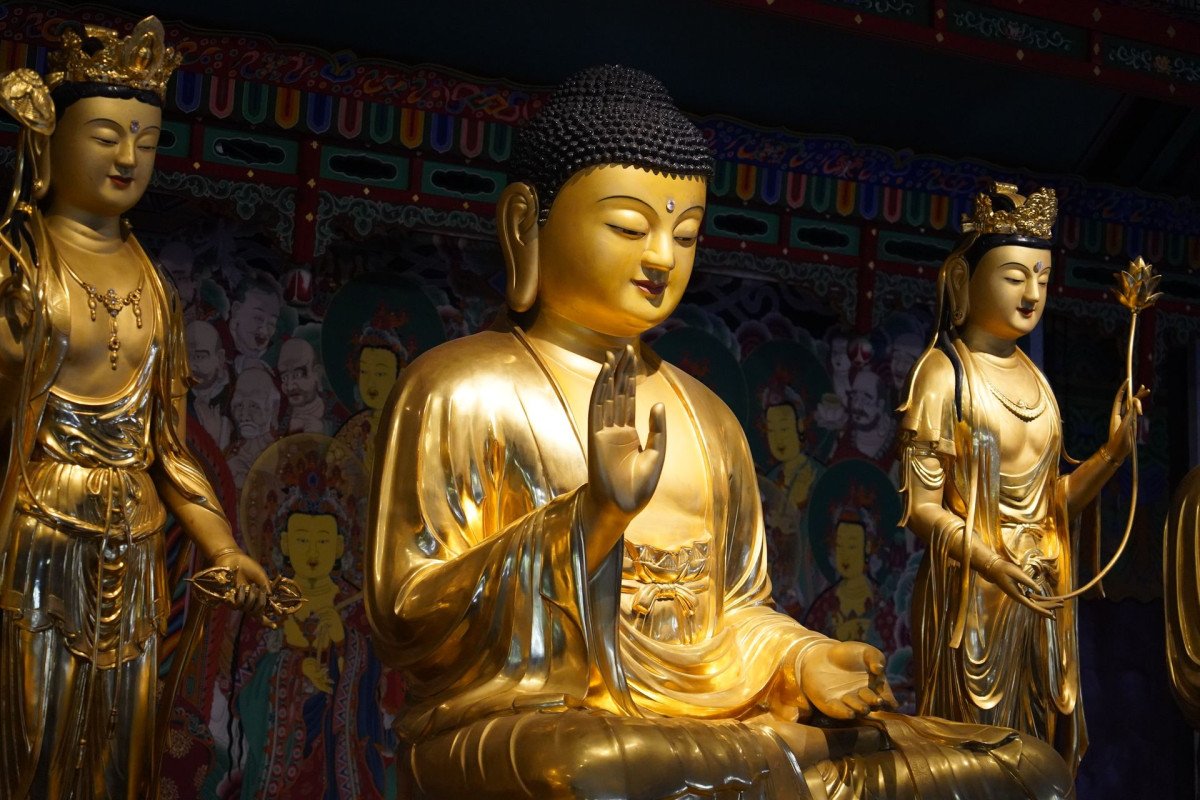
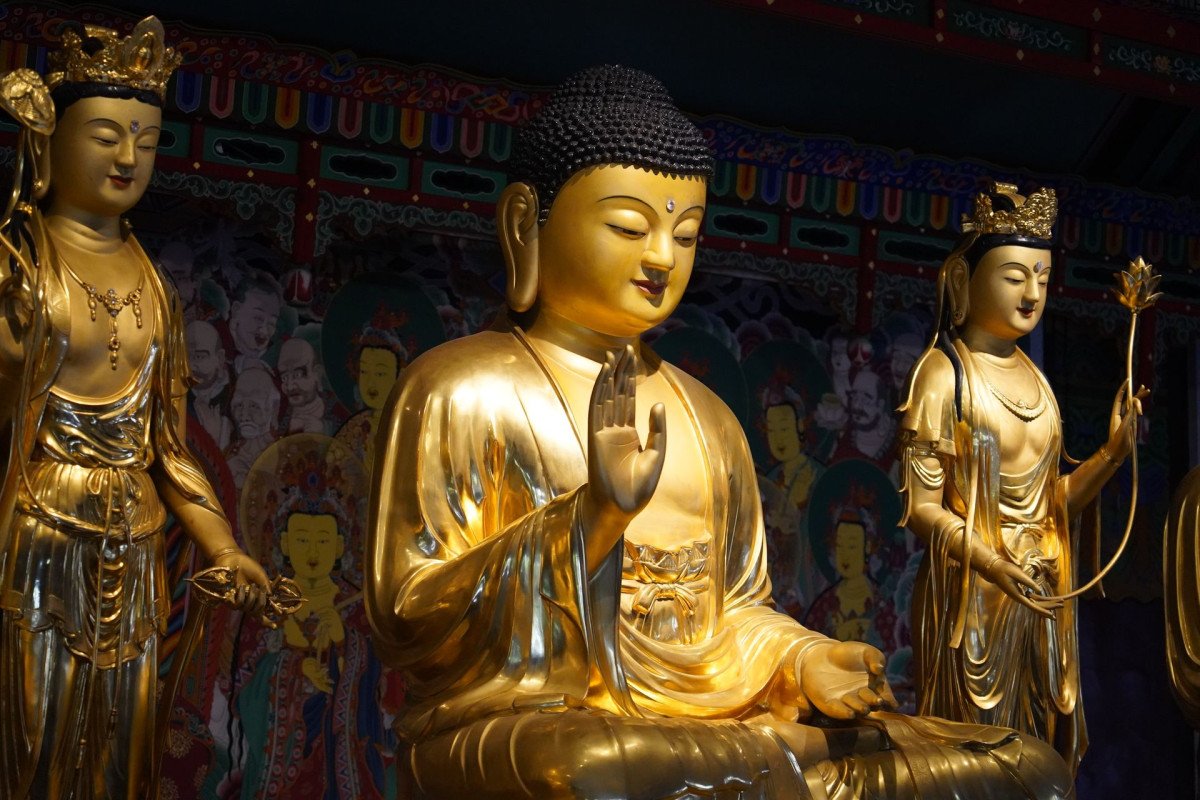
The Large Buddha Statue: The monastery houses a large, majestic statue of Lord Buddha on one of its upper floors, attracting both devotees and tourists alike. -
Architecture:
Himalayan Buddhist and Japanese Fusion: The architecture is a magnificent fusion of traditional Himalayan Buddhist style and elements of Japanese design, giving it a distinct and vibrant appearance. The entire complex is a vibrant showcase of Tibetan art and architecture. <...Himalayan Buddhist and Japanese Fusion: The architecture is a magnificent fusion of traditional Himalayan Buddhist style and elements of Japanese design, giving it a distinct and vibrant appearance. The entire complex is a vibrant showcase of Tibetan art and architecture.
The Great Stupa Dimension: The Stupa is the architectural highlight, standing at approximately 67 meters (220 feet) tall with a square base of 30 meters (100 feet). It contains numerous shrine rooms, a large statue of Lord Buddha, and rich artwork. Its design is based on the traditional Chorten structure.
The Central Temple: The central temple building is multi-storied (often five floors) and houses the main shrine dedicated to Lord Buddha and Guru Padmasambhava. The structure is adorned with intricate wood carvings, vibrant thangkas, and hand-painted murals that cover the walls and ceilings.
The Murals and Imagery: The interior decoration features murals that are considered masterpieces of contemporary Tibetan sacred art, vividly illustrating Buddhist mythology and history. The colors are striking, utilizing traditional mineral pigments. -
How To Reach:
By Air: The nearest airport is Jolly Grant Airport (DED), approximately 31 KMS away. Hire a private taxi to the Clement Town area.
By Train: The nearest railway station is Dehradun Railway Station, about 9 KMS away. Take a local auto-ricks...By Air: The nearest airport is Jolly Grant Airport (DED), approximately 31 KMS away. Hire a private taxi to the Clement Town area.
By Train: The nearest railway station is Dehradun Railway Station, about 9 KMS away. Take a local auto-rickshaw (Vikram) or a taxi directly to Buddha Temple, Clement Town. It is a major landmark, and all drivers know the location.
By Road (Local Transport): Take a local Vikram (shared auto) on the route that passes through Clement Town. The monastery is located close to the ISBT (Inter-State Bus Terminal), which is only about 4 KMS away.
By Road (Self-Drive): Drive to the Clement Town area. Parking is generally available but can be challenging during major festivals. The road is straight and well-maintained. -
Weather and Best Time to Visit:
Different Types of Seasons: Winter (October to March) is the best time for a visit, with cool, clear weather, which is perfect for climbing the Stupa and enjoying the gardens. Monsoon enhances the greenery but can make the Stupa climb difficult. Avoid the peak summer midda...Different Types of Seasons: Winter (October to March) is the best time for a visit, with cool, clear weather, which is perfect for climbing the Stupa and enjoying the gardens. Monsoon enhances the greenery but can make the Stupa climb difficult. Avoid the peak summer midday heat.
Different Parts of the Day: Morning (10:00 AM to 12:00 PM) is the most ideal for architectural viewing and serene contemplation. The Afternoon Session (2:30 PM onwards) is better for observing the cultural and educational activities. -
Near Tourist Places:
ISBT (Inter-State Bus Terminal):
4 KMS Tapkeshwar Temple:
16 KMS Forest Research Institute (FRI):
15 KMS Robber's Cave:
18 KMS Lachhiwala Nature Park:
18 KMS Dehradun Zoo (Malsi Deer Park):
13 KMS Clock Tower (City Center):
10 KMS Paltan Bazaar:
10 KMS Sahastradhara:
25 KMS Rajaji National Park (Motichur Gate): 20 KMS
Tourism Tips
-
Health & Safety: Wear modest clothing (cover shoulders and knees) as a sign of respect, especially when entering the temple or Stupa. Remove your shoes before entering the main buildings.
Packing: Carry a camera. The walk up the Stupa requ...Health & Safety: Wear modest clothing (cover shoulders and knees) as a sign of respect, especially when entering the temple or Stupa. Remove your shoes before entering the main buildings.
Packing: Carry a camera. The walk up the Stupa requires a comfortable ascent, so be prepared for a few flights of stairs.
Accommodation: Numerous guesthouses and budget hotels are available in the immediate Clement Town and ISBT area. The main city is a short drive away for more upscale options.
Other Tips: Check the specific opening and closing hours before planning. Be respectful of the monks and their privacy; do not interrupt their rituals or enter restricted areas.
Reviews
FAQs
Dehradun Itineray And Cost:-
Mindrolling Monastery Tourism:-
Other Places In Dehradun :-
Other States In India :-
Information about New and Updated Locations() of Uttarakhand Has Been Added :-
Card subtitle
Note:-
Information provided here in good Faith and for reference only.
Near Places

Asan Barrage Wetland
Some quick example text to build on the card title and make up the bulk of the card's content.
Go somewhere
Bhadraj Temple Trek
Some quick example text to build on the card title and make up the bulk of the card's content.
Go somewhere
Central Braille Press
Some quick example text to build on the card title and make up the bulk of the card's content.
Go somewhere
Chetwoode Hall
Some quick example text to build on the card title and make up the bulk of the card's content.
Go somewhere
Clock Tower
Some quick example text to build on the card title and make up the bulk of the card's content.
Go somewhere
Daat Kali Temple
Some quick example text to build on the card title and make up the bulk of the card's content.
Go somewhere
Dehradun
Some quick example text to build on the card title and make up the bulk of the card's content.
Go somewhere
Dehradun Zoo
Some quick example text to build on the card title and make up the bulk of the card's content.
Go somewhere
Forest Research Institute
Some quick example text to build on the card title and make up the bulk of the card's content.
Go somewhere
Fun Valley Amusement Park
Some quick example text to build on the card title and make up the bulk of the card's content.
Go somewhere
Gola Gokaran Nath Temple
Some quick example text to build on the card title and make up the bulk of the card's content.
Go somewhere
Khalanga War Memorial
Some quick example text to build on the card title and make up the bulk of the card's content.
Go somewhere
Lachhiwala Nature Park
Some quick example text to build on the card title and make up the bulk of the card's content.
Go somewhere
Maldevta
Some quick example text to build on the card title and make up the bulk of the card's content.
Go somewhere
MDDA Park
Some quick example text to build on the card title and make up the bulk of the card's content.
Go somewhere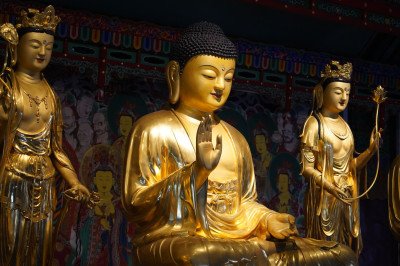
Mindrolling Monastery
Some quick example text to build on the card title and make up the bulk of the card's content.
Go somewherein Other Cities