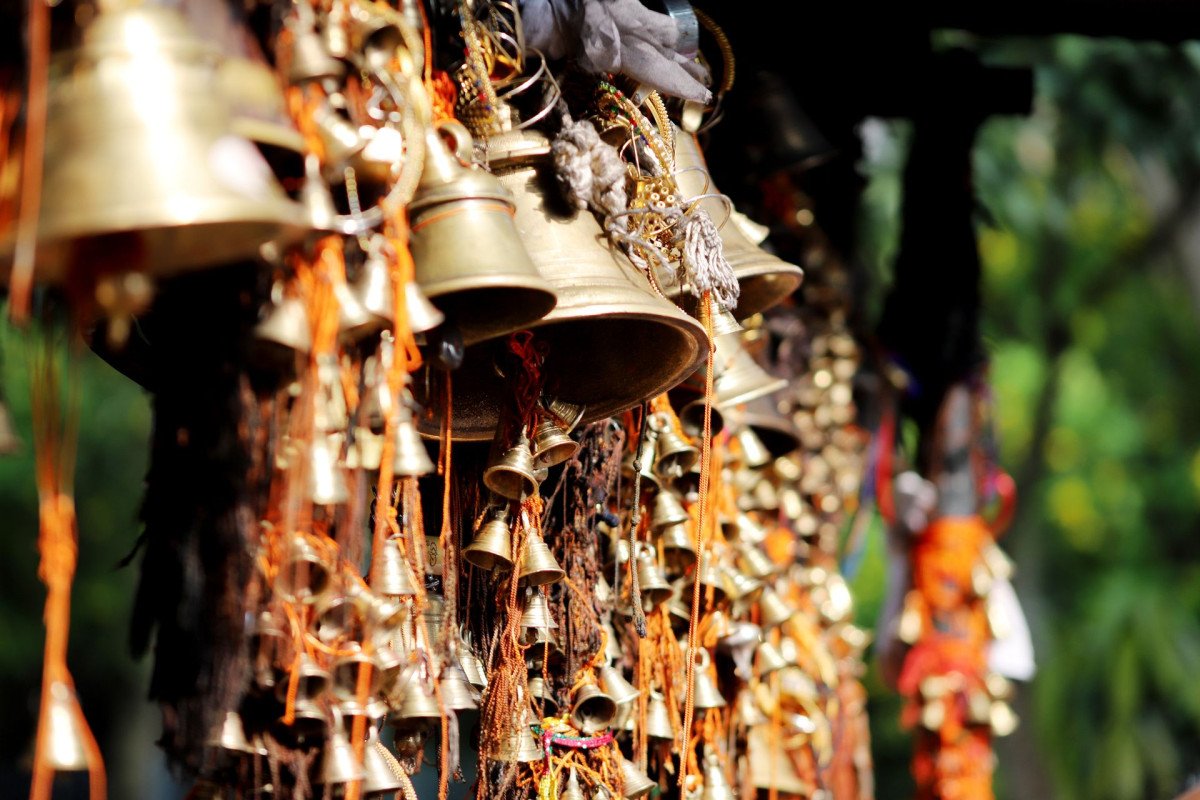
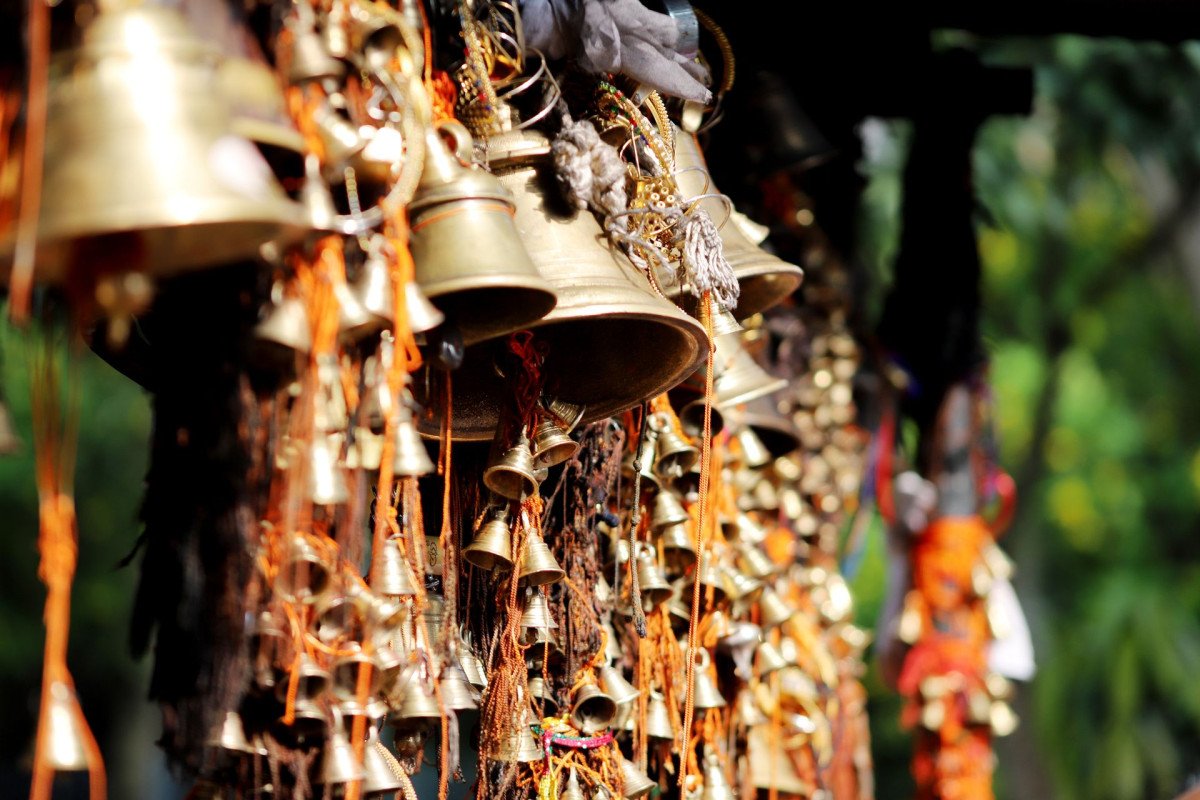
Nambu Nayagiamman Temple
General information
-
Ideal Duration:
1-2 HoursPlace Type:
Temple, Village Deity, Healing ShrineEntry Fees:
Free Entry and Voluntary Donations: Entry to the Nambu Nayagiamman Temple complex is Free of charge for all visitors. The temple's upkeep relies heavily on the voluntary donations (Kanikkai) from devotees.
Fees for Specific Services: Small ...Free Entry and Voluntary Donations: Entry to the Nambu Nayagiamman Temple complex is Free of charge for all visitors. The temple's upkeep relies heavily on the voluntary donations (Kanikkai) from devotees.
Fees for Specific Services: Small fees are charged for personalized rituals, such as Archana, Abhishekam, or special prayers for health and family. These fees are usually paid at the counter or to the priest and are nominal (in the range of INR 10 to INR 50 or more).
Cost of Offerings: Visitors must purchase their own offerings (coconuts, flowers, camphor, etc. ) from the vendors outside. The purchase of the turmeric paste for the special Abhishekam may also involve a small charge. There are no known fees for photography.
():Timing:
Regular Temple Timings:
The temple generally operates in two slots: 6:00 AM to 11:00 AM and 4:30 PM to 8:30 PM. The temple closes during the intense midday heat. Note that on auspicious days like Tuesdays and Fridays, the opening and closin...Regular Temple Timings:
The temple generally operates in two slots: 6:00 AM to 11:00 AM and 4:30 PM to 8:30 PM. The temple closes during the intense midday heat. Note that on auspicious days like Tuesdays and Fridays, the opening and closing hours might be slightly extended due to the heavy rush of devotees.
Ideal Visit Time: The ideal time is the Early Morning, specifically between 6:30 AM and 9:00 AM, especially on a Friday. This period is significantly less crowded, cooler, and allows for peaceful worship and participation in the morning Pooja. The late Afternoon (after 5:00 PM) is also recommended for a serene visit.
():Special Events:
Navaratri Festival: The nine-night Navaratri festival (September/October) dedicated to the Goddess is the most significant annual event. The temple is elaborately decorated, featuring special Alangaram (decoration) of the Goddess each day, traditional dance and music perfor...Navaratri Festival: The nine-night Navaratri festival (September/October) dedicated to the Goddess is the most significant annual event. The temple is elaborately decorated, featuring special Alangaram (decoration) of the Goddess each day, traditional dance and music performances, and daily special Pooja ceremonies (Homam). The Durga Pooja and Vijayadashami on the last day are celebrated with exceptional fervor.
Local Village Festivals (Kodai Vizha): Being a village temple, it hosts numerous local community-based festivals (Kodai Vizha) throughout the Tamil calendar year. These events are focused on traditional rituals, Theemithi (fire walking, sometimes), and community feasting (Annadanam), providing a deep immersion into the unique, local folk traditions of Pamban Island's coastal communities.
():Best Photo Spots:
The Banyan Tree Foreground: The most compelling photo spot is capturing the main temple gopuram framed by the massive, ancient Banyan tree, particularly the one covering the Muneeswarar shrine. The huge root structure and vast canopy provide a dramatic, natural foreground, ...The Banyan Tree Foreground: The most compelling photo spot is capturing the main temple gopuram framed by the massive, ancient Banyan tree, particularly the one covering the Muneeswarar shrine. The huge root structure and vast canopy provide a dramatic, natural foreground, symbolizing the link between nature and divinity.
The Sand Dune Setting: Capturing the temple surrounded by the unique, sparse vegetation and white sand dunes, especially in the golden light of the early morning or late Afternoon. This showcases the temple's unusual, remote coastal environment.
The Colorful Pooja Offerings: Focusing on the close-up, vibrant details of the Pooja materials—the turmeric paste offerings, the colorful Vastras, and the flower garlands—which represent the intense local devotion and colorful Tamil temple tradition.
():Photo Gallery
Things To Do
-
Spiritual Rituals and Prayer:
Perform Abhishekam: Participate in the ritual bathing of the Goddess with oil, milk, and turmeric paste, especially on Tuesdays or Fridays, to seek healing and protection.
Offer Vastras: Present colorful new clothes (Vastras) to the Goddess as a part of the vow (Narthal) tradition after a wish has been fulfilled.
Seek Blessings for Health: Spend time in the main Mandapam and the shrine of Sri Muneeswarar under the Banyan tree to pray specifically for health, marriage, and family prosperity.
Cultural Immersion and Local Experience:
Observe Local Rituals: Watch the local style of worship, which is distinct from the main temples, often featuring more raw, intense devotion...Spiritual Rituals and Prayer:
Perform Abhishekam: Participate in the ritual bathing of the Goddess with oil, milk, and turmeric paste, especially on Tuesdays or Fridays, to seek healing and protection.
Offer Vastras: Present colorful new clothes (Vastras) to the Goddess as a part of the vow (Narthal) tradition after a wish has been fulfilled.
Seek Blessings for Health: Spend time in the main Mandapam and the shrine of Sri Muneeswarar under the Banyan tree to pray specifically for health, marriage, and family prosperity.
Cultural Immersion and Local Experience:
Observe Local Rituals: Watch the local style of worship, which is distinct from the main temples, often featuring more raw, intense devotion and traditional music.
Explore the Sacred Grove: Take a quiet walk around the temple's periphery to appreciate the sacred grove, the unique flora like the Screw Pine, and the serene natural surroundings on the sand dune.
Try Local Vendors: Purchase traditional local offerings and small devotional items from the simple stalls near the temple entrance, supporting the local economy and culture.
Meditation: Use the temple's secluded and peaceful atmosphere for quiet, focused meditation and reflection, absorbing the powerful, localized spiritual energy of the guardian deity.
Photography: Capture the unique architecture of the open-air shrines and the massive Banyan trees, which create a dramatic, atmospheric frame.
Attending Special Pooja: Try to attend the special evening Pooja ceremonies which are performed with fervor on auspicious days.
():
Information
-
Why Famous:
The Healing Goddess: The temple's primary fame stems from the belief in Goddess Nambunayaki Amman’s miraculous healing powers, particularly her ability to cure infectious diseases and bless childless couples. Devotees visit from far and wide, especially on Fridays, to see...The Healing Goddess: The temple's primary fame stems from the belief in Goddess Nambunayaki Amman’s miraculous healing powers, particularly her ability to cure infectious diseases and bless childless couples. Devotees visit from far and wide, especially on Fridays, to seek relief from ailments, making it one of the most spiritually vibrant centers in Rameswaram for personal health and well-being.
The Cyclone's Survivor: The temple gained historical fame as the sacred sanctuary that held the idol safe during the 1964 cyclone that destroyed Dhanushkodi. This event cemented the Goddess’s reputation as a powerful, protective deity (Kaval Deivam), particularly for those living in the southern parts of the island.
Cultural Heritage and Local Patronage: It is highly famous among the local Tamil community as a Grama Deivam (Village Deity) or Kaval Deivam (Guardian Deity). The temple receives immense local patronage, with its vibrant, traditional Tamil rituals offering a glimpse into the authentic religious life of Pamban Island, distinct from the pan-Indian pilgrimage focused on the main Ramanathaswamy Temple.
(): -
Architecture:
Traditional Dravidian Temple Design: The architecture of the Nambu Nayagiamman Temple follows the established Dravidian style, albeit on a much smaller, local scale compared to the main town temple. It features a modest gopuram (entrance tower) and a central shrine (sanctum...Traditional Dravidian Temple Design: The architecture of the Nambu Nayagiamman Temple follows the established Dravidian style, albeit on a much smaller, local scale compared to the main town temple. It features a modest gopuram (entrance tower) and a central shrine (sanctum sanctorum) dedicated to Nambunayaki Amman. The construction is predominantly of stone and granite, typical of coastal Tamil Nadu temples.
Open Air Structures and Natural Setting: A unique feature is the presence of auxiliary shrines dedicated to guardian deities like Sri Karuppar, Ayyanar, Irulayi, and Muneeswarar often located under massive, ancient Banyan trees outside the main shrine. These open-air structures are highly characteristic of village temples in South India, symbolizing the deity’s connection to nature and the land.
Simple Layout and Temple Dimensions: The layout is simple, comprising the main sanctum, a Mandapam (pillared hall) for devotees, and the surrounding courtyard. The architectural focus is on the sanctity of the Garbhagriha and the natural ambiance created by the surrounding sand dunes and trees. The large compound walls are a common safety feature in coastal temples. While the dimensions are moderate, the powerful spiritual presence is the defining feature, rather than the physical size.
(): -
How To Reach:
By Air (Approx.
175 KMS): The nearest major airport is Madurai (IXM). From Madurai, take a bus or hired taxi to Rameswaram. The temple is then reached by local transport from the city.
By Train: The nearest station is Rameswaram R...By Air (Approx.
175 KMS): The nearest major airport is Madurai (IXM). From Madurai, take a bus or hired taxi to Rameswaram. The temple is then reached by local transport from the city.
By Train: The nearest station is Rameswaram Railway Station (RMM). The temple is approximately 2-3 KMS from the railway station. Auto-rickshaws are the most convenient mode of transport for this short distance.
By Road (From Rameswaram City): The temple is located on the road that leads towards Dhanushkodi (NH-87), but before the highly remote areas. It is about 5 KMS from the main Ramanathaswamy Temple complex. Private taxis or auto-rickshaws can easily cover this distance.
By Local Transport: Auto-rickshaws are the primary and most reliable local transport option. Shared auto-rickshaws are also available on the Dhanushkodi route up to this point. It is not easily accessible by local city bus routes, making a hired vehicle or auto a necessity for the round trip. Ensure the driver is aware of the temple's name as a prominent stop.
(): -
Weather and Best Time to Visit:
Different Types of Seasons:
Winter (October to March): This is the Best Time to Visit as the cool and pleasant weather (ranging from 20°C to 30°C) is ideal for temple visits and spending time in the open-air shrines.
Read MoreDifferent Types of Seasons:
Winter (October to March): This is the Best Time to Visit as the cool and pleasant weather (ranging from 20°C to 30°C) is ideal for temple visits and spending time in the open-air shrines.
Summer (April to June): The high heat and humidity are uncomfortable for outdoor visits, especially in the temple's open-air settings.
Monsoon (July to September): Moderate rainfall can make the sand dunes and surroundings damp, but the weather is otherwise bearable. The post-monsoon period in October is highly recommended.
Different Parts of the Day: Early Morning (6:30 AM - 9:00 AM) The ideal time for the most peaceful worship, participation in morning Pooja, and avoiding the heat. Late Afternoon/Evening (4:30 PM - 8:30 PM) The second-best time to visit, especially for the evening Aarti on Fridays, as the heat has subsided. Mid-Day (11:00 AM - 4:30 PM) Avoid this period entirely as the temple is closed and the open areas are subject to intense sunlight and heat.
():Near Tourist Places:
Panchamukhi Hanuman Temple (2 KMS), Gandhamadhana Parvatham (3 KMS), A. P. J. Abdul Kalam House (3 KMS), Rama Theertham (5 KMS), Lakshmana Theertham (5 KMS), Ramanathaswamy Temple (5 KMS), Villoondi Theertham (8 KMS), Kunthu Kal Beach (7 KMS), Pamban Bridge Viewing Point (10 KMS), Dhanushkodi Ghost Town (15 KMS).
(Total 10 Places):Tourism Tips
-
Health & Safety:
Foot Protection: The temple is situated on sand dunes. Carry water or wear thick socks as the ground can get extremely hot during the day.
Modest Dress: Dress modestly as is the custom in al...Health & Safety:
Foot Protection: The temple is situated on sand dunes. Carry water or wear thick socks as the ground can get extremely hot during the day.
Modest Dress: Dress modestly as is the custom in all Hindu temples, ensuring shoulders and knees are covered.
Hydration: Carry water, especially for long waits on busy days like Fridays.
Packing:
Offerings: Carry small amounts of cash and a bag for Prasadam. If you plan on a special Abhishekam, you may need to purchase oil or specific materials.
Camera: Bring a camera for the stunning exterior views of the shrine under the massive trees.
Accommodation: Stay in Rameswaram town, as there are no good lodging options near this temple. The town center provides a full range of hotels and amenities.
Other Topics (Crowd & Access):
Visit on Auspicious Days: Be prepared for heavy crowds on Tuesdays and Fridays, which are considered the most sacred days for the Goddess.
Check for Closure: Confirm the temple's mid-day closure time before your visit to ensure you arrive during the operating hours.
Local Auto: Negotiate a round-trip fare with the auto-rickshaw driver, including waiting time, for convenience.
():
Reviews
FAQs
Rameswaram Itineray And Cost:-
Nambu Nayagiamman Temple Tourism:-
Other Places In Rameswaram :-
Other States In India :-
Information about New and Updated Locations() of Tamil Nadu Has Been Added :-
Card subtitle
Note:-
Information provided here in good Faith and for reference only.
Near Places
Agnitheertham
Some quick example text to build on the card title and make up the bulk of the card's content.
Go somewhere
Ariyaman Beach
Some quick example text to build on the card title and make up the bulk of the card's content.
Go somewhere
Badrakaliamman Temple
Some quick example text to build on the card title and make up the bulk of the card's content.
Go somewhere
Devipattinam Navagraha Temple
Some quick example text to build on the card title and make up the bulk of the card's content.
Go somewhere
Dhanushkodi Beach & Ghost Town
Some quick example text to build on the card title and make up the bulk of the card's content.
Go somewhere
Dr. A.P.J. Abdul Kalam Memorial
Some quick example text to build on the card title and make up the bulk of the card's content.
Go somewhere
Dr. APJ Abdul Kalam's House
Some quick example text to build on the card title and make up the bulk of the card's content.
Go somewhere
Five Faced Hanuman Temple
Some quick example text to build on the card title and make up the bulk of the card's content.
Go somewhere
Gandhamathana Parvatham
Some quick example text to build on the card title and make up the bulk of the card's content.
Go somewhere
Jada Theertham
Some quick example text to build on the card title and make up the bulk of the card's content.
Go somewhere
Kothandaramaswamy Temple
Some quick example text to build on the card title and make up the bulk of the card's content.
Go somewhere
Kunthu Kal Beach
Some quick example text to build on the card title and make up the bulk of the card's content.
Go somewhere
Lakshmana Theertham
Some quick example text to build on the card title and make up the bulk of the card's content.
Go somewhere
Nambu Nayagiamman Temple
Some quick example text to build on the card title and make up the bulk of the card's content.
Go somewhere
Rama Setu
Some quick example text to build on the card title and make up the bulk of the card's content.
Go somewhere
Rama Theertham
Some quick example text to build on the card title and make up the bulk of the card's content.
Go somewherein Other Cities