Rama Theertham
General information
-
Ideal Duration:
1 Hour:Place Type:
Sacred Water Body, Temple:Entry Fees:
As an open-air sacred tank and a small temple, the Entry Fee for Rama Theertham is typically Free for general access:
Bathing Ritual Fee: There is no mandatory fee to bathe in the theertham, but many devotees offer a voluntary donation (Dakshina) to the temple or the...As an open-air sacred tank and a small temple, the Entry Fee for Rama Theertham is typically Free for general access:
Bathing Ritual Fee: There is no mandatory fee to bathe in the theertham, but many devotees offer a voluntary donation (Dakshina) to the temple or the local priests who facilitate the rituals:
Ritual Costs: If a pilgrim wishes to perform the specific Naga Dhosham rituals, they will need to pay the priest (Purohit) for the service, which includes the cost of the Puja materials and the stone Naga idol (costs can vary, typically starting from a few hundred INR):
Parking: If you drive a private vehicle or a hired taxi, there may be a nominal parking fee (around INR 10 to INR 30) near the site, as is common in major pilgrimage centers:
Tips for Priests: It is customary, though not mandatory, to give a small tip or donation to the priest who assists in the bathing process or guides you through the temple rituals: Always keep small change handy for offerings or voluntary contributions:Timing:
Regular Timings: The sacred tank (Theertham) is generally open for bathing from 6:00 AM to 6:
00 PM daily: The adjacent Rama Temple has typical South Indian temple timings, usually from around 6:00 AM to 12:00 PM and then reopening from 4:00 P...Regular Timings: The sacred tank (Theertham) is generally open for bathing from 6:00 AM to 6:
00 PM daily: The adjacent Rama Temple has typical South Indian temple timings, usually from around 6:00 AM to 12:00 PM and then reopening from 4:00 PM to 8:
00 PM:
Ideal Visit Time: The Ideal Visit Time is in the Early Morning (between 6:00 AM and 8:00 AM) when the temperature is pleasant and the water is fresh: This time also allows for a peaceful, uncrowded bathing experience, crucial for a spiritual dip:
Afternoon Timings: Visiting in the late afternoon (between 4:00 PM and 6:00 PM) is also comfortable, coinciding with the temple's evening opening, but the morning is highly preferred for the ritual bath:
Avoid the peak midday heat, especially in summer:
Auspicious Days: On Amavasya, Pournami, or festival days like Ram Navami, the temple and theertham will be open for longer hours, but expect significantly larger crowds and longer waiting times for rituals:Special Events:
The main special event specific to Rama Theertham is the observance of Ram Navami, the birth anniversary of Lord Rama (usually in March or April):
Ram Navami Festival: On Ram Navami, the small temple adjacent to the theertham is beautifully decorated, and special rit...The main special event specific to Rama Theertham is the observance of Ram Navami, the birth anniversary of Lord Rama (usually in March or April):
Ram Navami Festival: On Ram Navami, the small temple adjacent to the theertham is beautifully decorated, and special rituals, including elaborate Abhishekams (sacred bathing of the deities) and Pujas, are conducted: Devotees flock here in large numbers to offer prayers, and the atmosphere is charged with devotional fervor, often accompanied by local music and chanting:
Theertham Processions: During major temple festivals of the Ramanathaswamy Temple, or on special auspicious days like Pournami (Full Moon) and Amavasya (New Moon), a procession of the deities sometimes includes a stop at Rama Theertham or an equivalent ritual, highlighting its importance in the pilgrimage hierarchy:
Seasonal Naga Puja: While not a single 'event,' the season following the Hindu Aadi or Karthigai months often sees an increase in devotees performing the Naga Dhosham rituals, resulting in a continuous, visually striking ritual gathering around the shrine:Best Photo Spots:
The primary photo spot is the tank's perimeter and the adjacent temple façade:
The Temple and Tank View: Position yourself slightly back from the main steps to capture the full view of the stone-lined tank with the small, colorful Rama temple visible behind it, espe...The primary photo spot is the tank's perimeter and the adjacent temple façade:
The Temple and Tank View: Position yourself slightly back from the main steps to capture the full view of the stone-lined tank with the small, colorful Rama temple visible behind it, especially during the early morning when the water reflects the sky:
The Naga Statue Array: Focus on the intricate collection of stone Naga statues installed by devotees: A close-up or a wide-angle shot of this unique cultural accumulation provides a powerful visual story of local faith and ritual practice:
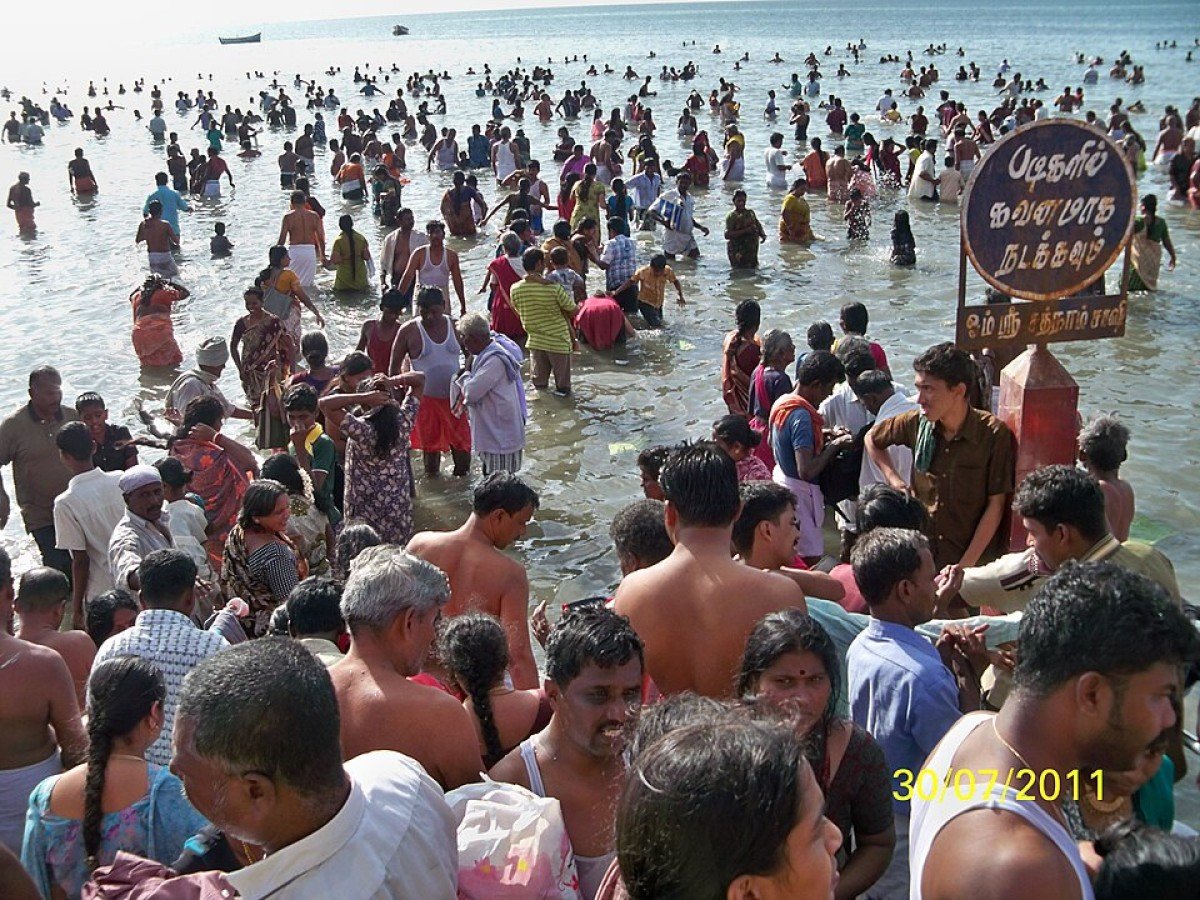
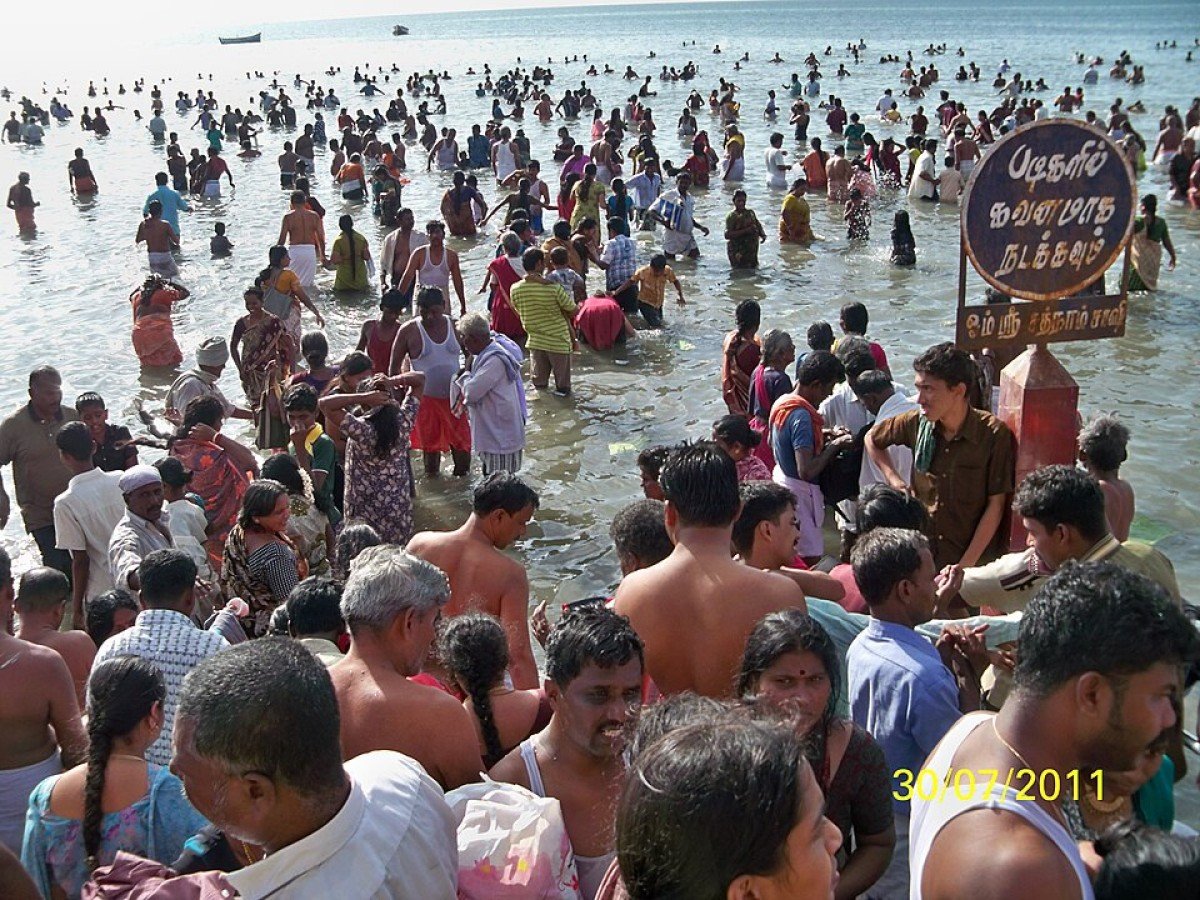
Ritualistic Dip: With permission, capture the pilgrims taking the ritualistic dip, focusing on the cultural and spiritual essence of the act (but always maintain respect and distance):
The Archway Entrance: The traditional archway or gateway leading to the theertham often features local artistry or inscriptions and makes for a good framing shot: Capture the Lakshman Theertham nearby as part of the overall spiritual complex, showcasing the proximity of the related mythological sites: The quiet, tree-lined approach to the temple also offers a peaceful contrast to the main city bustle:Photo Gallery
Things To Do
-
Visitors to Rama Theertham engage primarily in religious rites, quiet worship, and exploring the surrounding mythological sites:
Take the Holy Dip: The foremost activity is taking a ritualistic dip in the sacred waters of the Theertham: It is customary to enter the tank using the stone steps and immerse oneself fully, symbolizing the purification of mind and body: Carry a change of clothes if you plan to bathe here:
Perform Naga Dhosham Rituals: For pilgrims seeking relief from Naga Dhosham, the main activity is performing the prescribed rituals, often under the guidance of a local priest (Purohit): This typically involves specific prayers and the installation of a stone Naga idol near the temple:
Worship at the Rama Temple: Offer prayers and darshan (viewing of the deity) to Lord Rama, God...Visitors to Rama Theertham engage primarily in religious rites, quiet worship, and exploring the surrounding mythological sites:
Take the Holy Dip: The foremost activity is taking a ritualistic dip in the sacred waters of the Theertham: It is customary to enter the tank using the stone steps and immerse oneself fully, symbolizing the purification of mind and body: Carry a change of clothes if you plan to bathe here:
Perform Naga Dhosham Rituals: For pilgrims seeking relief from Naga Dhosham, the main activity is performing the prescribed rituals, often under the guidance of a local priest (Purohit): This typically involves specific prayers and the installation of a stone Naga idol near the temple:
Worship at the Rama Temple: Offer prayers and darshan (viewing of the deity) to Lord Rama, Goddess Sita, Lakshmana, and Hanuman in the adjacent small temple: Spend time in quiet devotion and meditation in the temple hall:
Explore Nearby Theerthams: Since Rama Theertham is part of a complex, dedicate time to visit and bathe in the nearby Lakshman Theertham and Sita Theertham to complete the spiritual circuit associated with the three main Ramayana figures:
Photography of the Temple and Tank: Capture the traditional structure of the stone-lined tank and the adjacent temple vimana and the unique Naga statue installations: The early morning light often provides the best contrast for the tank's water and the temple colors:
Connect with Local Priests: Engage respectfully with the local priests to understand the deeper mythology and the specific ritualistic importance of this theertham compared to others in Rameswaram:
Observe Local Culture: Sit quietly on the steps and observe the local culture, the flow of pilgrims, and the various traditional rituals being performed by devotees:
Information
-
Why Famous:
Rama Theertham is most famous for its direct association with Lord Rama and its spiritual power for purification:
A Sacred Part of the Rameswaram Pilgrimage: It is a mandatory stop for pilgrims visiting Rameswaram, as tradition dictates that one must bathe in the ext...Rama Theertham is most famous for its direct association with Lord Rama and its spiritual power for purification:
A Sacred Part of the Rameswaram Pilgrimage: It is a mandatory stop for pilgrims visiting Rameswaram, as tradition dictates that one must bathe in the external theerthams along with the 22 internal ones inside the main temple: Taking a dip here is believed to absolve sins and grant spiritual merit: Its status as one of the 64 Theerthams elevates its spiritual standing:
Lord Rama's Water Source: The legend that Lord Rama created this water source with his divine power to provide water for his army before the invasion of Lanka is the primary source of its fame: This narrative directly links the site to a pivotal moment in the Ramayana, making it a tangible connection to the epic:
Remedy for Naga Dhosham: The temple and tank are highly renowned for rituals performed to alleviate Naga Dhosham, a significant astrological issue in Hindu belief: The unique tradition of installing Naga statues here draws a specific demographic of devotees seeking relief from this affliction, adding to its specific fame: Its proximity to other key theerthams also contributes to its high visitor footfall as part of a set circuit: -
Architecture:
Traditional Theertham Structure: The Rama Theertham is primarily an outdoor sacred water tank (Pushkarini or Theertham), a common feature in South Indian temple towns, designed to hold holy water for ritual purification: It is a man-made structure, often lined with steps (gh...Traditional Theertham Structure: The Rama Theertham is primarily an outdoor sacred water tank (Pushkarini or Theertham), a common feature in South Indian temple towns, designed to hold holy water for ritual purification: It is a man-made structure, often lined with steps (ghats) on all sides, allowing easy access for pilgrims to descend and take a holy dip: The design is functional, emphasizing its purpose as a communal bathing spot: The steps are typically made of stone, ensuring durability against constant use:
Adjacent Rama Temple: A small, modest temple dedicated to Lord Rama stands adjacent to the theertham, built in the local Dravidian style: The architecture is simpler than the grand scale of the Ramanathaswamy Temple, focusing on a main sanctum and a small mandapam (hall) for devotees: The temple houses the idols of Rama, Sita, Lakshmana, and Hanuman: The temple structure often features a small tower (vimana) over the main shrine, though not as elaborate as a major Rajagopuram:
Naga Statue Installations: A distinctive architectural feature, though non-traditional, is the presence of numerous small Naga (serpent god) stone statues placed around the periphery of the temple area: These are installed by devotees performing rituals for Naga Dhosham, which adds a unique cultural and religious layer to the site's layout:
Dimension Summary: The Theertham (tank) is typically rectangular or square, varying in size (e. g. , approximately 50 meters x 50 meters, though specific dimensions are unavailable, it is large enough for communal bathing): The adjacent temple is small-scale, designed to accommodate a limited number of devotees: -
How To Reach:
By Air: The nearest airport is Madurai Airport (IXM), about 170 KMs away: Hire a taxi from the airport directly to your accommodation in Rameswaram City or take a train from Madurai to the Rameswaram Railway Station:
By Train: Rameswaram Rail...By Air: The nearest airport is Madurai Airport (IXM), about 170 KMs away: Hire a taxi from the airport directly to your accommodation in Rameswaram City or take a train from Madurai to the Rameswaram Railway Station:
By Train: Rameswaram Railway Station (RMM) is the nearest railhead, which is only about 3 KMs from the Rama Theertham: From the station, you can easily hire an auto-rickshaw or a local taxi for the short ride:
The journey should take less than 10 minutes:
By Road: Rama Theertham is easily reached by road within Rameswaram City: It is well-marked and close to the main bus stand and the Ramanathaswamy Temple: State and private buses connect Rameswaram to all major cities in Tamil Nadu:
By Local Transport: Being very centrally located, the most convenient way to reach Rama Theertham from the city center or your hotel is by a short auto-rickshaw ride, which can be easily hailed from any major street: The distance is often walkable (20-30 minutes) from the main temple complex if you prefer a stroll: Taxis and shared six-seater auto-rickshaws are also easily available and are usually the preferred modes of transport for pilgrims completing the theertham circuit: -
Weather and Best Time to Visit:
Different Types of Seasons: The Winter months, from October to March, are the Best Time to Visit: The cool and comfortable weather is ideal for performing the ritual bath and walking between the various temples and theerthams: Summer (April to June) should be avoided due to ...Different Types of Seasons: The Winter months, from October to March, are the Best Time to Visit: The cool and comfortable weather is ideal for performing the ritual bath and walking between the various temples and theerthams: Summer (April to June) should be avoided due to the extreme heat and humidity, which makes performing rituals in the open air difficult: The Monsoon season (July to September) brings relief from the heat but can be inconvenient for bathing and walking due to heavy rainfall and wet ground conditions:
Different Parts of the Day: The Morning hours, especially 6:00 AM to 8:00 AM, are universally the best time for the holy dip, considered the most auspicious and comfortable time of the day: Visiting during the late afternoon is also possible, but the spiritual atmosphere is generally less intense than in the morning:
The theertham is closed after the evening hours: -
Near Tourist Places:
Ramanathaswamy Temple (2 KMs): Lakshman Theertham (0.
5 KMs): Sita Theertham (0.
6 KMs):
Five-Faced Hanuman Temple (3 KMs):
Gandhamadhana Parvatham (4 KMs):
Agni Theertham (2 KMs):
Villoondi Theertham (8 KMs): Kalam National Memorial (1.
5 KMs): Rameswaram Bus Stand (1 KM) Rameswaram Railway Station (3 KMs):
Tourism Tips
-
Health & Safety: The steps leading into the tank can be slippery, especially when wet, so wear appropriate footwear and exercise caution while entering and exiting the water: As the water is a communal bathing spot, it is advisable to take a clean shower afterward: Always ca...Health & Safety: The steps leading into the tank can be slippery, especially when wet, so wear appropriate footwear and exercise caution while entering and exiting the water: As the water is a communal bathing spot, it is advisable to take a clean shower afterward: Always carry your valuables securely, especially when bathing, and consider leaving non-essential items locked up at your accommodation: The sun can be harsh, so apply sunscreen even in the morning:
Packing: Carry a fresh change of clothes if you intend to take the ritual dip:
A small, quick-drying towel is highly recommended: Since it is a religious site, dress modestly, covering shoulders and knees:
Carry a plastic bag to keep wet clothes separate:
Accommodation: As it is centrally located, all accommodations in Rameswaram City are suitable: It is best to stay near the main temple to easily access all theerthams and temples early in the morning:
Other Different Topics: Respect the traditional rituals and the piety of other devotees: Always ask for permission before photographing individuals performing rituals: Be mindful of your waste and help keep the area clean: If hiring a priest, negotiate the Puja fee clearly beforehand to avoid misunderstandings: This is a holy site, so maintain silence and reverence:
Reviews
FAQs
Rameswaram Itineray And Cost:-
Other Places In Rameswaram :-
Other States In India :-
Information about New and Updated Locations() of Tamil Nadu Has Been Added :-
Card subtitle
Note:-
Information provided here in good Faith and for reference only.
Near Places
Agnitheertham
Some quick example text to build on the card title and make up the bulk of the card's content.
Go somewhere
Ariyaman Beach
Some quick example text to build on the card title and make up the bulk of the card's content.
Go somewhere
Badrakaliamman Temple
Some quick example text to build on the card title and make up the bulk of the card's content.
Go somewhere
Devipattinam Navagraha Temple
Some quick example text to build on the card title and make up the bulk of the card's content.
Go somewhere
Dhanushkodi Beach & Ghost Town
Some quick example text to build on the card title and make up the bulk of the card's content.
Go somewhere
Dr. A.P.J. Abdul Kalam Memorial
Some quick example text to build on the card title and make up the bulk of the card's content.
Go somewhere
Dr. APJ Abdul Kalam's House
Some quick example text to build on the card title and make up the bulk of the card's content.
Go somewhere
Five Faced Hanuman Temple
Some quick example text to build on the card title and make up the bulk of the card's content.
Go somewhere
Gandhamathana Parvatham
Some quick example text to build on the card title and make up the bulk of the card's content.
Go somewhere
Jada Theertham
Some quick example text to build on the card title and make up the bulk of the card's content.
Go somewhere
Kothandaramaswamy Temple
Some quick example text to build on the card title and make up the bulk of the card's content.
Go somewhere
Kunthu Kal Beach
Some quick example text to build on the card title and make up the bulk of the card's content.
Go somewhere
Lakshmana Theertham
Some quick example text to build on the card title and make up the bulk of the card's content.
Go somewhere
Nambu Nayagiamman Temple
Some quick example text to build on the card title and make up the bulk of the card's content.
Go somewhere
Rama Setu
Some quick example text to build on the card title and make up the bulk of the card's content.
Go somewhere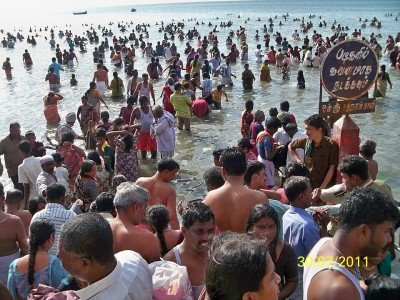
Rama Theertham
Some quick example text to build on the card title and make up the bulk of the card's content.
Go somewherein Other Cities