

Rama Setu
General information
-
Ideal Duration:
2-3 Hours:Place Type:
Natural Wonder, Mythological Site, Historical LandEntry Fees:
Rama Setu itself, as a natural formation viewed from the shore, typically does not have a formal Entry Fee:
Viewing Point Access: Access to the general viewpoint area at Dhanushkodi is generally Free: However, visitors must account for costs associated with transport...Rama Setu itself, as a natural formation viewed from the shore, typically does not have a formal Entry Fee:
Viewing Point Access: Access to the general viewpoint area at Dhanushkodi is generally Free: However, visitors must account for costs associated with transport to this remote location:
Mandatory Jeep/Local Transport Fee: To travel the final, difficult sandy stretch from the checkpoint near Dhanushkodi to the actual tip (where the view is best), visitors must hire specialized local 4x4 Jeeps or vans: This service is charged per person, often ranging from INR 150 to INR 250 per person for a return trip, which is a significant part of the cost:
Parking Fees: If you drive your own vehicle to the checkpoint near Dhanushkodi, a nominal parking fee, usually around INR 30 to INR 50, is typically charged:
Boat Ride Costs: If local boat operators offer an option to view the shoals from the sea (which is less common and highly weather-dependent), there would be a negotiated fee for the boat ride: Always confirm the cost and duration before embarking on such a ride:Timing:
Regular Timings: The viewing area at Dhanushkodi is technically accessible 24 hours, but local transport to the tip is only available roughly from 6:00 AM to 5:00 PM due to safety regulations and the remote nature of the region: The local administration restricts travel to t...Regular Timings: The viewing area at Dhanushkodi is technically accessible 24 hours, but local transport to the tip is only available roughly from 6:00 AM to 5:00 PM due to safety regulations and the remote nature of the region: The local administration restricts travel to the extreme tip after sunset:
Ideal Visit Time: The Ideal Visit Time is early morning, between 6:00 AM and 8:00 AM, to witness the stunning sunrise and avoid the intense midday heat, or in the late afternoon, between 4:00 PM and 5:00 PM, for the serene sunset and cooler temperatures: Visiting during the early morning also allows for better light for photography of the ruins:
Midday Travel Warning: Avoid traveling to the site between 10:00 AM and 3:00 PM from April to June due to extreme heat and sun exposure:
Local Transport Dependence: Remember that the final leg of the journey is strictly dependent on the availability and operation times of the local jeep association, which manages transport to the Dhanushkodi end point, usually closing services around 5:
00 PM:Special Events:
The main special event connected to Rama Setu is the annual pilgrimage to Dhanushkodi during the Mahalaya Amavasya period (usually in September or October):
Amavasya Rituals: Thousands of devotees congregate at the confluence of the two seas near the Dhanushkodi tip ...The main special event connected to Rama Setu is the annual pilgrimage to Dhanushkodi during the Mahalaya Amavasya period (usually in September or October):
Amavasya Rituals: Thousands of devotees congregate at the confluence of the two seas near the Dhanushkodi tip to perform sacred rituals (Tarpanam) for their ancestors: This is a powerful, visually striking, and deeply spiritual event, reflecting the belief that bathing here during this auspicious day grants salvation: The sheer number of pilgrims and the intensity of their faith transform the site into a massive temporary religious hub:
Ram Navami Celebrations: While the main celebrations are centered at the Ramanathaswamy Temple, the spirit of Ram Navami (the birth of Lord Rama) reverberates throughout the entire island, including the Setu viewpoint, as the bridge is the ultimate testament to his legend: Local processions and prayers often trace a symbolic path towards the bridge on this day:Best Photo Spots:
The best photo spots for Rama Setu are primarily located around the final accessible point of Dhanushkodi and the approach road:
The Ghost Town Silhouette: Photograph the skeletal remains of the old church and railway station in Dhanushkodi against the backdrop of th...The best photo spots for Rama Setu are primarily located around the final accessible point of Dhanushkodi and the approach road:
The Ghost Town Silhouette: Photograph the skeletal remains of the old church and railway station in Dhanushkodi against the backdrop of the swirling sands and the blue sea, especially during the golden hours of sunrise or sunset: This creates a dramatic, historical, and often melancholic image that captures the town's tragic past:
The Confluence Point: The literal meeting point of the Bay of Bengal (often rougher) and the Indian Ocean (often calmer) near the tip of Dhanushkodi offers a spectacular subject: The distinct color variations and the force of the waves colliding make for dynamic, compelling shots:
The Linear Shoals View: If you take a boat ride or are at the furthest accessible point, try to capture the shallow, pale green or turquoise line of the submerged shoals stretching out toward Sri Lanka: This is the literal representation of the Setu itself: Use a telephoto lens to compress the distance and emphasize the line:
Vibrant Jeep Safari Shots: Capture the colorful local jeeps traversing the sandy trails to the tip of Dhanushkodi: These images showcase the unique travel experience required to reach this remote point and add a sense of adventure to the narrative of the visit:Photo Gallery
Things To Do
-
Rama Setu offers a unique combination of spiritual reflection, historical exploration, and marine environment appreciation:
Take a Spiritual Jeep/Boat Safari: Since the actual bridge is submerged, the primary activity is taking a local Jeep or specialized boat ride (often organized near Dhanushkodi) to the furthest point where the shoals are visible or the water is extremely shallow: This is essential for a close-up view and is often seen as a symbolic journey tracing Lord Rama's path:
Photography and Sunset/Sunrise Viewing: The remote nature of the Dhanushkodi tip, the nearest accessible point, makes it an unparalleled spot for landscape photography: Capture the dramatic confluence of the Bay of Bengal and the Indian Ocean, and wait for the stunning hues of a coastal sunset or sunrise over the ocean's edge:Rama Setu offers a unique combination of spiritual reflection, historical exploration, and marine environment appreciation:
Take a Spiritual Jeep/Boat Safari: Since the actual bridge is submerged, the primary activity is taking a local Jeep or specialized boat ride (often organized near Dhanushkodi) to the furthest point where the shoals are visible or the water is extremely shallow: This is essential for a close-up view and is often seen as a symbolic journey tracing Lord Rama's path:
Photography and Sunset/Sunrise Viewing: The remote nature of the Dhanushkodi tip, the nearest accessible point, makes it an unparalleled spot for landscape photography: Capture the dramatic confluence of the Bay of Bengal and the Indian Ocean, and wait for the stunning hues of a coastal sunset or sunrise over the ocean's edge:
Explore the Ruins of Dhanushkodi: Dedicate time to wander through the 'Ghost Town' of Dhanushkodi before or after viewing the bridge: The ruins of the old railway station and church, destroyed in the 1964 cyclone, offer a poignant, powerful, and historically significant backdrop, a must-do for history buffs:
Beach Combing and Reflection: The pristine beaches along the route to Dhanushkodi, particularly near the confluence point, are ideal for peaceful walks, collecting unique seashells, and quiet contemplation on the historical and religious magnitude of the Setu:
Learn About Marine Life: While near the viewpoint, consider visiting the local marine exhibits or talking to guides who can explain the ecological importance of the Gulf of Mannar Biosphere Reserve and the role the shoals play in protecting the ecosystem:
Connect with the Ramayana: Bring a copy or listen to the story of the Ramayana and the construction of the bridge, immersing yourself in the epic at the very location where it is believed to have transpired, enhancing the spiritual experience:
Visit the Kothandaramaswamy Temple: Combine the trip with a visit to the nearby Kothandaramaswamy Temple, believed to be the place where Lord Rama crowned Vibhishana, another key location connected to the bridge's legend:
Information
-
Why Famous:
Rama Setu is famously known worldwide for its profound connection to the Hindu epic Ramayana:
The Sacred Bridge of Lord Rama: It is widely revered by Hindus as the actual bridge (Setu) constructed by Lord Rama and his Vanara army to cross the ocean to Lanka and rescu...Rama Setu is famously known worldwide for its profound connection to the Hindu epic Ramayana:
The Sacred Bridge of Lord Rama: It is widely revered by Hindus as the actual bridge (Setu) constructed by Lord Rama and his Vanara army to cross the ocean to Lanka and rescue Goddess Sita from Ravana: This mythological importance elevates it from a mere geological feature to a sacred pilgrimage site, symbolizing faith, devotion, and the triumph of good over evil: This religious significance draws millions of pilgrims to the area, especially to Rameswaram, one of the Char Dham pilgrimage spots:
Geological and Geographic Uniqueness: Geographically, it is a remarkable chain of shoals and reefs that historically formed a potential land bridge between India and Sri Lanka: This feature defines the boundary between the Palk Strait and the Gulf of Mannar, creating one of the most distinctive shallow marine environments globally: Its shallow depth has made it a continuous point of historical and political discussion regarding maritime trade routes: The view of this submerged, linear formation from a high vantage point, like the Dhanushkodi tip or from the air, is a spectacular natural and cultural sight: -
Architecture:
Geological Formation and Composition: The structure of Rama Setu is primarily composed of natural limestone shoals and coral reefs, resting on a subsurface bedrock: This formation is unique as it features a series of parallel ridges and sandbanks, which are hard at the surfa...Geological Formation and Composition: The structure of Rama Setu is primarily composed of natural limestone shoals and coral reefs, resting on a subsurface bedrock: This formation is unique as it features a series of parallel ridges and sandbanks, which are hard at the surface but become softer and coarser deeper down, eventually giving way to sandy banks: The entire stretch is approximately 48 kilometers long, separating the Gulf of Mannar (to the southwest) from the Palk Strait (to the northeast): The shallowest parts of the bridge rise barely 1 meter above the seabed, posing a considerable obstacle to maritime navigation:
Mythological Construction: According to the Ramayana, the bridge was built using floating stones inscribed with Lord Rama's name, a supernatural element attributed to the engineering genius of the Vanara chief Nala: The mythical construction period is famously described as being completed in just five days: The scale and length of the ancient construction, even in legend, represent a massive feat of engineering and devotion, symbolizing the alliance between the divine and the natural world: The ISRO has identified approximately 103 small patch reefs along the alignment:
Dimension Summary:
Length:
48 km (approximate):
Depth: 1-10 meters (shallowest sections near Dhanushkodi):
Geological Type: Natural limestone shoals, sandbanks, and patch reefs: -
How To Reach:
By Air: The nearest airport is Madurai Airport (IXM), which is approximately 170-175 KMs from Rameswaram City: From the airport, one can hire a pre-paid taxi or a private cab to reach Rameswaram, a drive that takes around 3.
5 to 4 hours: You...By Air: The nearest airport is Madurai Airport (IXM), which is approximately 170-175 KMs from Rameswaram City: From the airport, one can hire a pre-paid taxi or a private cab to reach Rameswaram, a drive that takes around 3.
5 to 4 hours: You can also take an airport bus to the Madurai railway station or bus stand and then continue the journey by train or state bus to Rameswaram:
By Train: Rameswaram Railway Station (RMM) is well-connected to major Indian cities like Chennai, Madurai, Coimbatore, and Tiruchirappalli through direct daily or weekly express trains: After reaching Rameswaram Railway Station, the Rama Setu viewpoint (near Dhanushkodi) is still about 36 KMs away:
By Road: Rameswaram is connected to the mainland by the iconic Pamban Bridge and is accessible via National Highways: State-run buses (SETC, TNSTC) and private buses run frequently from cities like Madurai, Chennai, and Ramanathapuram:
A self-drive or hired taxi offers flexibility:
By Local Transport: From Rameswaram City Center or the temple area, hire an auto-rickshaw or taxi to the Dhanushkodi checkpoint (around 18 KMs): From the checkpoint, you must switch to the specialized local 4x4 Jeeps/vans for the last 22 KMs stretch through the sand to the tip, as standard vehicles cannot navigate the terrain: Rama Setu can be viewed from the end of the road near Dhanushkodi: -
Weather and Best Time to Visit:
Different Types of Seasons: The Best Time to Visit is during the winter months, from October to March: The weather is pleasantly cool, with average temperatures ranging from 20°C to 30°C, making the long drive and exploration of Dhanushkodi comfortable: The post-monsoon pe...Different Types of Seasons: The Best Time to Visit is during the winter months, from October to March: The weather is pleasantly cool, with average temperatures ranging from 20°C to 30°C, making the long drive and exploration of Dhanushkodi comfortable: The post-monsoon period also offers clearer skies for photography: Avoid the peak summer months (April to June) when the heat and humidity are intense and can make outdoor activities unbearable: The monsoon season (July to September) brings heavy rains and strong winds, which can sometimes restrict access to Dhanushkodi due to rough seas and sandy trails becoming impassable:
Different Parts of the Day: As a remote coastal location, the best viewing times are the Early Morning (for a spectacular sunrise over the ocean and cooler temperatures) and the Late Afternoon (for a beautiful sunset and avoiding the intense midday sun): The light during these hours is also ideal for photographing the ruins and the sea confluence: Visiting between 10:00 AM and 3:00 PM is generally less comfortable due to the harsh sun: -
Near Tourist Places:
Dhanushkodi Beach (1.
5 KMs):
Kothandaramaswamy Temple (7 KMs):
Water Bird Sanctuary (12 KMs):
Villoondi Theertham (30 KMs):
Ariyaman Beach (50 KMs):
Pamban Bridge (50 KMs):
Ramanathaswamy Temple (40 KMs):
Gandhamadhana Parvatham (42 KMs): Dr. A. P. J.
Abdul Kalam National Memorial (38 KMs):
Five-Faced Hanuman Temple (43 KMs):
Tourism Tips
-
Health & Safety: The journey to the Rama Setu viewpoint involves a ride over rough, sandy terrain in a 4x4 jeep; if you have back or neck problems, take extra precautions and inform the driver: Carry plenty of drinking water, as facilities are minimal at the extreme end of ...Health & Safety: The journey to the Rama Setu viewpoint involves a ride over rough, sandy terrain in a 4x4 jeep; if you have back or neck problems, take extra precautions and inform the driver: Carry plenty of drinking water, as facilities are minimal at the extreme end of Dhanushkodi: The sun is intense, so use high-SPF sunscreen, wear a wide-brimmed hat or cap, and sunglasses: The sea currents at the confluence point can be strong, and swimming is generally not recommended;
observe the sea from a safe distance: Always travel in groups and do not venture alone into the remote areas, especially after sunset:
Packing: Pack light, breathable cotton clothing suitable for a tropical climate: Bring a good quality camera with a sturdy strap to capture the unique landscape: Carry a basic first-aid kit with pain relievers, band-aids, and any personal medication: A scarf or shawl can be useful to protect against the wind and sand:
Accommodation: Accommodation options are almost non-existent near the Dhanushkodi viewpoint; therefore, it is essential to base your stay in Rameswaram City (like near the Ramanathaswamy Temple) and plan a day trip to the Setu and Dhanushkodi: Rameswaram offers a range of hotels, from budget lodges to mid-range resorts:
Other Different Topics: Always respect the sanctity of the place due to its immense religious value: Do not litter, especially plastic, and help preserve the fragile coastal and marine environment: Bargain respectfully with the local jeep operators, as the fare is generally fixed but can be subject to seasonal demand: Check the weather forecast before traveling to Dhanushkodi, as access can be restricted in case of severe weather:
Reviews
FAQs
Rameswaram Itineray And Cost:-
Other Places In Rameswaram :-
Other States In India :-
Information about New and Updated Locations() of Tamil Nadu Has Been Added :-
Card subtitle
Note:-
Information provided here in good Faith and for reference only.
Near Places
Agnitheertham
Some quick example text to build on the card title and make up the bulk of the card's content.
Go somewhere
Ariyaman Beach
Some quick example text to build on the card title and make up the bulk of the card's content.
Go somewhere
Badrakaliamman Temple
Some quick example text to build on the card title and make up the bulk of the card's content.
Go somewhere
Devipattinam Navagraha Temple
Some quick example text to build on the card title and make up the bulk of the card's content.
Go somewhere
Dhanushkodi Beach & Ghost Town
Some quick example text to build on the card title and make up the bulk of the card's content.
Go somewhere
Dr. A.P.J. Abdul Kalam Memorial
Some quick example text to build on the card title and make up the bulk of the card's content.
Go somewhere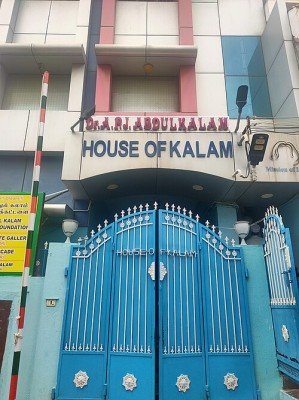
Dr. APJ Abdul Kalam's House
Some quick example text to build on the card title and make up the bulk of the card's content.
Go somewhere
Five Faced Hanuman Temple
Some quick example text to build on the card title and make up the bulk of the card's content.
Go somewhere
Gandhamathana Parvatham
Some quick example text to build on the card title and make up the bulk of the card's content.
Go somewhere
Jada Theertham
Some quick example text to build on the card title and make up the bulk of the card's content.
Go somewhere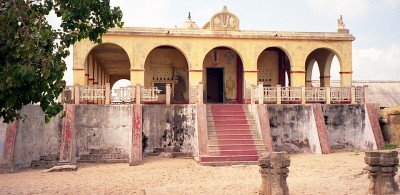
Kothandaramaswamy Temple
Some quick example text to build on the card title and make up the bulk of the card's content.
Go somewhere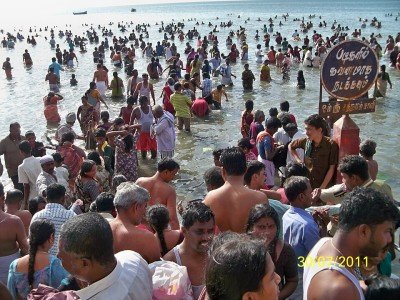
Kunthu Kal Beach
Some quick example text to build on the card title and make up the bulk of the card's content.
Go somewhere
Lakshmana Theertham
Some quick example text to build on the card title and make up the bulk of the card's content.
Go somewhere
Nambu Nayagiamman Temple
Some quick example text to build on the card title and make up the bulk of the card's content.
Go somewhere
Rama Setu
Some quick example text to build on the card title and make up the bulk of the card's content.
Go somewhere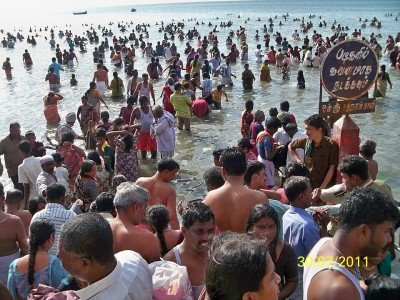
Rama Theertham
Some quick example text to build on the card title and make up the bulk of the card's content.
Go somewherein Other Cities