Ramanathaswamy Temple
General information
-
Ideal Duration:
2-3 Hours (for darshan and theerthams):Place Type:
Major Pilgrimage Site, Jyotirlinga Shrine, ArchiteEntry Fees:
General Entry to the Ramanathaswamy Temple complex is Free:
Special Darshan/Quick Queue Fee: For pilgrims wishing to bypass the regular, often very long, queue for Darshan of the Jyotirlinga, there is a Special Entry/Quick Darshan ticket available, typically costing ...General Entry to the Ramanathaswamy Temple complex is Free:
Special Darshan/Quick Queue Fee: For pilgrims wishing to bypass the regular, often very long, queue for Darshan of the Jyotirlinga, there is a Special Entry/Quick Darshan ticket available, typically costing around INR 50 to INR 100 per person:
Theertham Bath Fee: To perform the mandatory bath in the 22 Theerthams within the temple, a ticket must be purchased: The cost for the Theertham Bath ritual is generally nominal, often around INR 25 to INR 50 per person: This ticket usually includes the service of the temple assistants who pour the water from the wells:
Mobile/Camera Deposit: Photography is strictly prohibited inside the main temple premises and corridors: A fee (around INR 10 to INR 20) is charged per item to deposit mobile phones, cameras, and bags at the designated counters near the entrance:
Donations: Voluntary donations are often requested for various temple services or Annadhanam (food offering), but these are not mandatory entry fees:Timing:
Regular Timings: The temple is generally open to devotees from 5:00 AM to 1:00 PM and then reopens from 3:00 PM to 9:
00 PM daily: The Puja and Aarti timings are strictly adhered to:
Ideal Visit Time: The Ideal...Regular Timings: The temple is generally open to devotees from 5:00 AM to 1:00 PM and then reopens from 3:00 PM to 9:
00 PM daily: The Puja and Aarti timings are strictly adhered to:
Ideal Visit Time: The Ideal Visit Time is the Early Morning, between 5:00 AM and 7:
00 AM: This is the best time for a peaceful Darshan, and the 22 Theerthams bath, as the queues are shorter, and the atmosphere is most serene and spiritually charged:
Mid-day Closure: Be aware of the closure between 1:00 PM and 3:
00 PM: The temple reopens in the late afternoon, which is a good time for a general visit and walking the corridor, though the Darshan queue may be longer than in the early morning:
Festival Timings: During major festivals like Masi Sivarathri or Aadi Thirukalyanam, the timings are extended, and the temple may remain open through the night, but expect extremely heavy crowds:Special Events:
The most significant special events are the Masi Sivarathri and the
Aadi Thirukalyanam Festival:
Masi Sivarathri: Celebrated in the Hindu month of Masi (usually February or March), this festival honors Lord Shiva and is celebrated wit...The most significant special events are the Masi Sivarathri and the
Aadi Thirukalyanam Festival:
Masi Sivarathri: Celebrated in the Hindu month of Masi (usually February or March), this festival honors Lord Shiva and is celebrated with immense fervor: The temple is open all night, with continuous Pujas, Abhishekams, and devotional singing (bhajans): This is one of the busiest and most spiritually charged nights of the year:
Aadi Thirukalyanam Festival: This is the grandest annual festival, celebrated in the month of Aadi (usually July or August), commemorating the sacred marriage (Thirukalyanam) of Ramanathaswamy and Goddess Parvathavardhini Amman: The festival includes elaborate street processions of the deities on magnificent, decorated chariots, drawing huge crowds and showcasing the temple's rich ceremonial tradition:
Ramalingam Prathishtai: The anniversary of the installation of the Ramalingam (believed to be in the month of May) is celebrated with special Pujas and rituals, marking the temple's mythological foundation:Best Photo Spots:
The temple's sheer scale and intricate details provide several iconic photo opportunities, but remember that photography is banned inside the main corridors:
The East Gopuram from a Distance: The most iconic shot is the towering Eastern Rajagopuram, captured from a d...The temple's sheer scale and intricate details provide several iconic photo opportunities, but remember that photography is banned inside the main corridors:
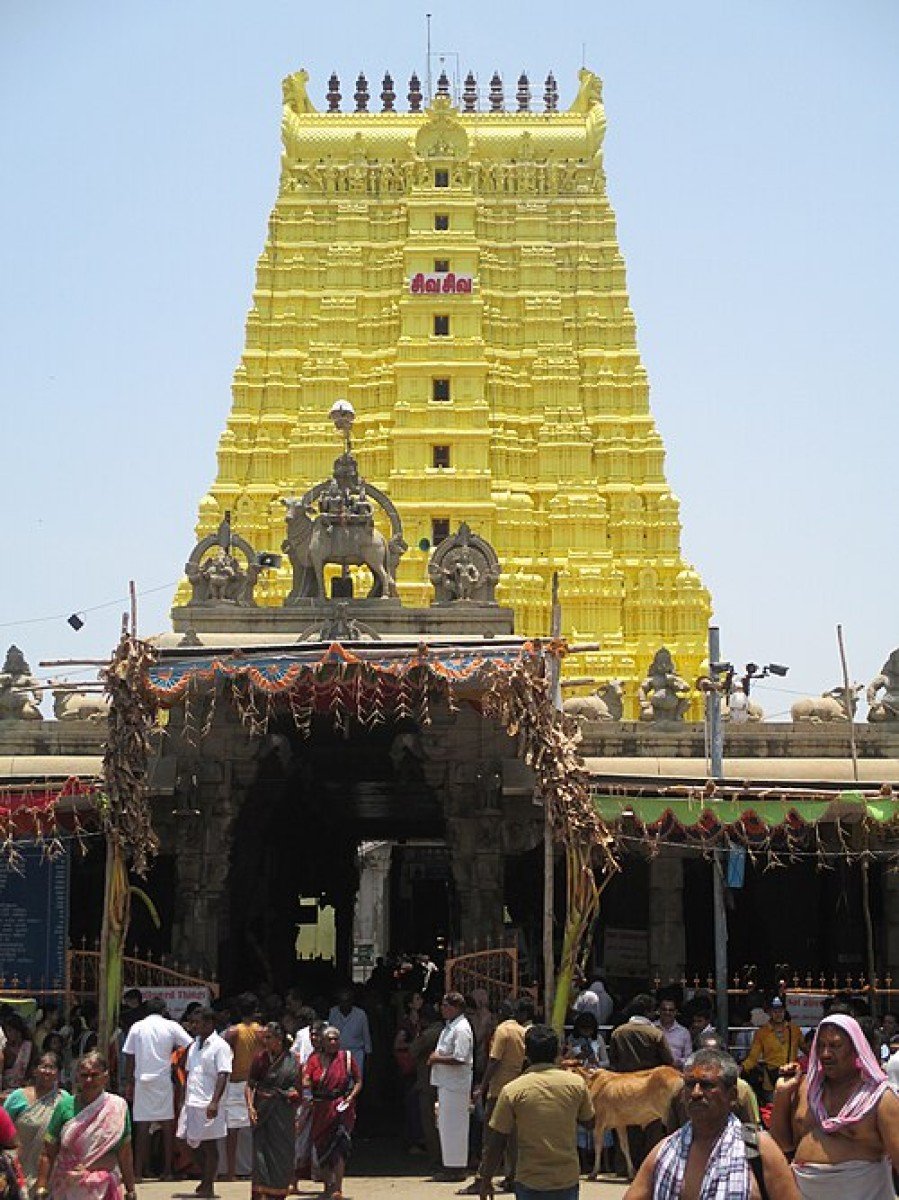
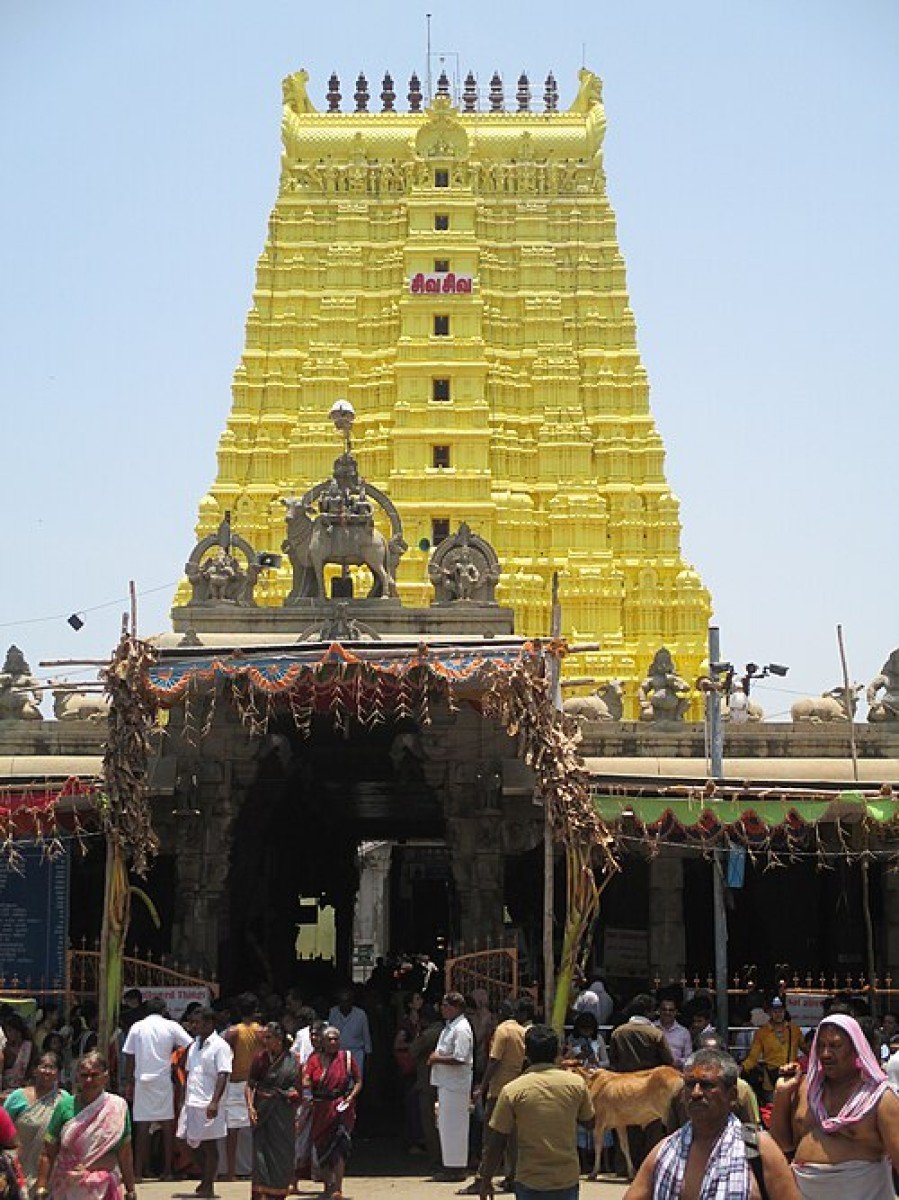
The East Gopuram from a Distance: The most iconic shot is the towering Eastern Rajagopuram, captured from a distance across the East Car Street or the main tank (Agni Theertham): This angle showcases the full height and architectural complexity of the nine-tiered tower:
The Pillar Carvings: While inside the corridors (if permitted to photograph the pillars without capturing the walkway), focus on the detailed, intricate carvings on the individual granite pillars: Use lighting creatively to highlight the depth of the sculpture:
The Nandi Mandapam: The massive stuccoed Nandi image (bull) and the elaborate mandapam it sits in offers a spectacular wide-angle photo opportunity, symbolizing the guardian of Lord Shiva:
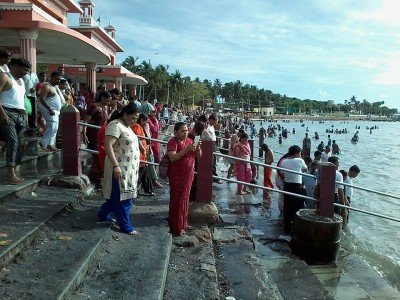
The Entrance Tanks: The main water tanks outside the temple, particularly Agni Theertham, with the early morning rituals and the temple tower in the background, create a spiritual and aesthetically pleasing photo frame:
The Corridors Perspective (Exterior Only): Photograph the entrance to the famous corridors, using the perspective lines to emphasize their immense length, but strictly avoid taking pictures inside where it is restricted:Photo Gallery
Things To Do
-
The temple offers a profound itinerary centered on pilgrimage, spiritual cleansing, and architectural appreciation:
Perform the 22 Theerthams Bath:
This is the essential activity: Hire a local guide or priest to systematically bathe in all 22 sacred wells within the temple complex: The ritual is conducted sequentially and is believed to absolve sins: Carry minimal belongings and wear modest, easy-to-change attire:
Take Darshan of the Jyotirlinga: Stand in the queue to have Darshan (sacred viewing) of the main deities:
The Ramalingam and the Vishvalingam: Be prepared for a potentially long wait, especially during peak season or festivals:
Walk the Third Corridor: Dedicate time to simply walk through the awe-inspiring Third Cor...The temple offers a profound itinerary centered on pilgrimage, spiritual cleansing, and architectural appreciation:
Perform the 22 Theerthams Bath:
This is the essential activity: Hire a local guide or priest to systematically bathe in all 22 sacred wells within the temple complex: The ritual is conducted sequentially and is believed to absolve sins: Carry minimal belongings and wear modest, easy-to-change attire:
Take Darshan of the Jyotirlinga: Stand in the queue to have Darshan (sacred viewing) of the main deities:
The Ramalingam and the Vishvalingam: Be prepared for a potentially long wait, especially during peak season or festivals:
Walk the Third Corridor: Dedicate time to simply walk through the awe-inspiring Third Corridor: Pause to admire the intricate carvings on the granite pillars, the sheer length of the hall, and the play of light and shadow: This is a meditative and visually stunning experience:
Attend the Aarti and Rituals: Try to attend the morning (Usha Kalam) or evening (Sayaratchai) Aarti (worship with light) for a vibrant, sensory immersion into the temple's daily devotional life:
Explore the Gopurams: Take time outside the main gates to appreciate the intricate sculptural detail of the towering Rajagopurams, especially the Eastern one:
Meditate in the Inner Praharams: After the main Darshan, find a quiet spot in the inner Praharams (courtyards) for quiet contemplation, away from the main rush of pilgrims:
Visit the Parvati Shrine: Pay respects at the shrine of Goddess Parvathavardhini Amman (the consort of Ramanathaswamy), located within the complex:
Information
-
Why Famous:
The Ramanathaswamy Temple is famous for a convergence of spiritual, mythological, and architectural reasons:
The Jyotirlinga and Char Dham Status: It is one of the 12 Jyotirlinga shrines of Lord Shiva and one of the four cardinal Char Dham pilgrimage sites (along wit...The Ramanathaswamy Temple is famous for a convergence of spiritual, mythological, and architectural reasons:
The Jyotirlinga and Char Dham Status: It is one of the 12 Jyotirlinga shrines of Lord Shiva and one of the four cardinal Char Dham pilgrimage sites (along with Badrinath, Dwarka, and Puri): This dual status makes it one of the most sacred destinations for Hindus globally: Completing the Char Dham pilgrimage is considered vital for attaining Moksha (salvation), cementing its importance:
The Longest Corridor: Architecturally, its fame rests on housing the longest temple corridor in the world, a truly mesmerizing structure of thousands of intricately carved pillars that showcases the zenith of Dravidian temple art and engineering: Walking through this seemingly endless hallway is a unique, world-class experience:
The Ramayana Connection: The temple is the mythological site where Lord Rama worshipped Lord Shiva before and after the war in Lanka, linking it directly to the most revered Hindu epic: The presence of the Ramalingam installed by Rama himself is a powerful draw for devotees:
The 22 Theerthams Ritual: The mandatory ritual of bathing in all 22 sacred wells within the temple complex, each with its own specific mythological significance and unique taste, is a famed, deeply cleansing, and transformative experience unique to this temple: -
Architecture:
The Longest Corridor in the World: The temple is globally famous for its Third Corridor (Prakaram), which is considered the longest temple corridor in the world, running 197 meters from east to west and 133 meters from north to south, with over 4000 pillars: This corridor is...The Longest Corridor in the World: The temple is globally famous for its Third Corridor (Prakaram), which is considered the longest temple corridor in the world, running 197 meters from east to west and 133 meters from north to south, with over 4000 pillars: This corridor is a masterpiece of Dravidian architecture, featuring intricately carved granite pillars mounted on a raised platform, with the granite itself having been brought from the mainland:
Gopurams and Vimanas: The temple features magnificent, towering pyramidal gateway towers (Gopurams): The Eastern Rajagopuram is the tallest, rising to a height of 126 feet with nine levels of sculptural work: The Western Gopuram, though impressive, is shorter: The main shrines also have smaller, ornate towers (Vimanas) over the sanctum sanctorums:
The 22 Theerthams: A unique architectural and ritualistic feature is the presence of 22 sacred wells (Theerthams) strategically placed within the temple complex: Each well is architecturally distinct, often featuring small enclosed structures or access steps, representing the 22 arrows in Lord Rama's quiver:
Nandi and Sanctums: The temple houses a colossal stuccoed image of the sacred bull Nandi, approximately 18 feet tall and 22 feet long, facing the main shrine of Lord Shiva: The main shrine contains two separate Lingams (Ramalingam and Vishvalingam), each in its own sanctum, reflecting the core mythological narrative:
Dimension Summary:
Temple Area:
Over 15 acres:
Third Corridor Length:
197 meters (East-West) x 133 meters (South-North):
Number of Pillars: Over 4000:
Eastern Gopuram Height:
126 feet (approximate): -
How To Reach:
By Air: The nearest airport is Madurai Airport (IXM), 170 KMs away: A taxi or bus connection to Rameswaram City is necessary:
By Train: Rameswaram Railway Station (RMM) is the nearest major railhead, located about 2 KMs from the temple: Auto-...By Air: The nearest airport is Madurai Airport (IXM), 170 KMs away: A taxi or bus connection to Rameswaram City is necessary:
By Train: Rameswaram Railway Station (RMM) is the nearest major railhead, located about 2 KMs from the temple: Auto-rickshaws, cycle rickshaws, and local taxis are readily available for the short, quick ride to the temple:
By Road: Rameswaram is well-connected by road, primarily via the Pamban Bridge: Both government-operated (TNSTC) and private buses run frequent services from major cities like Chennai, Madurai, and Tiruchirappalli directly to the Rameswaram Bus Stand (about 1 KM from the temple):
By Local Transport: Being the heart of the city, the temple is easily accessible on foot from most nearby hotels: Auto-rickshaws and cycle-rickshaws are the most common local transport options: Many pilgrims hire a cycle rickshaw or a shared auto for the theertham circuit around the city: For the short distance, walking is the simplest option: -
Weather and Best Time to Visit:
Different Types of Seasons: The Best Time to Visit is the Winter season, from October to March: The weather is cool and comfortable (average 20°C to 30°C), ideal for the Theertham bath ritual, waiting in the queue, and walking the long corridors: Summer (April to June) is ...Different Types of Seasons: The Best Time to Visit is the Winter season, from October to March: The weather is cool and comfortable (average 20°C to 30°C), ideal for the Theertham bath ritual, waiting in the queue, and walking the long corridors: Summer (April to June) is extremely hot and humid, making the ritual bath and queuing uncomfortable, and should be generally avoided: Monsoon (July to September) sees moderate to heavy rain, which, while reducing the heat, can disrupt travel and cause inconvenience for the outdoor portions of the Theertham bath:
Different Parts of the Day: The Early Morning (before 7:00 AM) is the universal preference for a peaceful and less crowded visit, especially for the Theertham bath: The late afternoon (4:00 PM to 6:00 PM) is also pleasant for general Darshan and appreciating the architecture in the soft evening light: Avoid the midday heat between 10:00 AM and 3:
00 PM: -
Near Tourist Places:
Agni Theertham (0.
2 KMs): Rameswaram Bus Stand (1 KM) Five-Faced Hanuman Temple (
2 KMs):
Rameswaram Railway Station (
2 KMs):
Gandhamadhana Parvatham (3 KMs): Lakshman Theertham (1.
5 KMs): Sita Theertham (1.
6 KMs): Dr. A. P. J.
Abdul Kalam National Memorial (
2 KMs):
Villoondi Theertham (7 KMs):
Pamban Bridge (1
2 KMs):
Tourism Tips
-
Health & Safety: The temple is very crowded; be mindful of pickpockets and keep your belongings secure: The floor can be slippery after the Theertham bath, so walk with caution:
Carry minimal valuables into the temple: The water in the 22 Th...Health & Safety: The temple is very crowded; be mindful of pickpockets and keep your belongings secure: The floor can be slippery after the Theertham bath, so walk with caution:
Carry minimal valuables into the temple: The water in the 22 Theerthams is highly communal, so it is crucial to take a proper shower with clean water after completing the ritual:
Packing: Wear modest clothing (traditional attire is preferred, especially for men who often remove their shirts for Darshan): Women should ensure they are conservatively dressed, covering shoulders and knees: Leave mobile phones and cameras at the deposit counter, as they are strictly prohibited inside:
Accommodation: Accommodation should be booked well in advance, especially during peak seasons and festivals: Many lodges and hotels are available right near the temple for convenience:
Other Different Topics: Photography is strictly prohibited inside the corridors and sanctums:
Follow the instructions of the temple staff: If you hire a guide or priest for the Theertham ritual, ensure you agree on the price beforehand:
Purchase Puja materials from authorized vendors: Be prepared for long waiting times for Darshan on holidays:
Reviews
FAQs
Rameswaram Itineray And Cost:-
Ramanathaswamy Temple Tourism:-
Other Places In Rameswaram :-
Other States In India :-
Information about New and Updated Locations() of Tamil Nadu Has Been Added :-
Card subtitle
Note:-
Information provided here in good Faith and for reference only.
Near Places
Agnitheertham
Some quick example text to build on the card title and make up the bulk of the card's content.
Go somewhere
Ariyaman Beach
Some quick example text to build on the card title and make up the bulk of the card's content.
Go somewhere
Badrakaliamman Temple
Some quick example text to build on the card title and make up the bulk of the card's content.
Go somewhere
Devipattinam Navagraha Temple
Some quick example text to build on the card title and make up the bulk of the card's content.
Go somewhere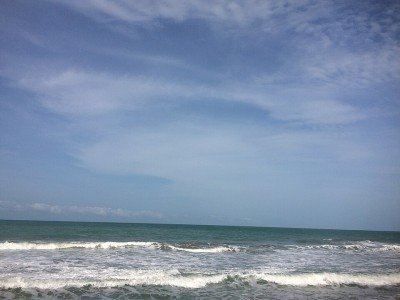
Dhanushkodi Beach & Ghost Town
Some quick example text to build on the card title and make up the bulk of the card's content.
Go somewhere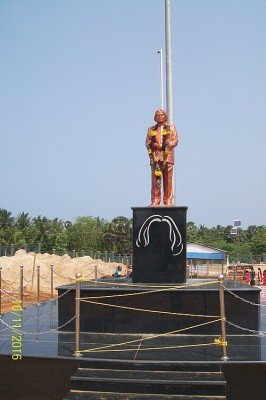
Dr. A.P.J. Abdul Kalam Memorial
Some quick example text to build on the card title and make up the bulk of the card's content.
Go somewhere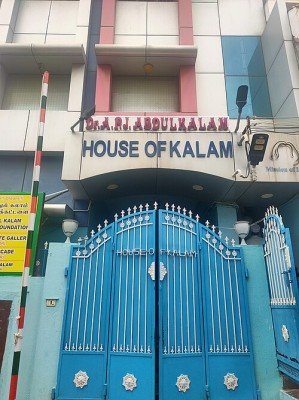
Dr. APJ Abdul Kalam's House
Some quick example text to build on the card title and make up the bulk of the card's content.
Go somewhere
Five Faced Hanuman Temple
Some quick example text to build on the card title and make up the bulk of the card's content.
Go somewhere
Gandhamathana Parvatham
Some quick example text to build on the card title and make up the bulk of the card's content.
Go somewhere
Jada Theertham
Some quick example text to build on the card title and make up the bulk of the card's content.
Go somewhere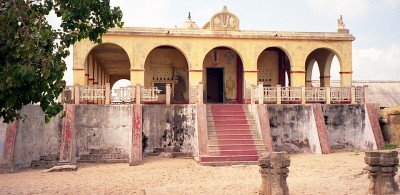
Kothandaramaswamy Temple
Some quick example text to build on the card title and make up the bulk of the card's content.
Go somewhere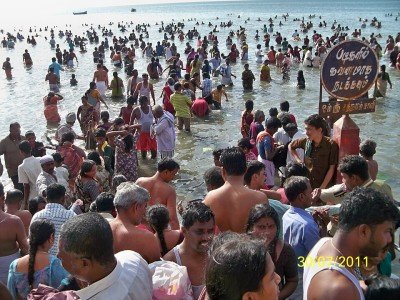
Kunthu Kal Beach
Some quick example text to build on the card title and make up the bulk of the card's content.
Go somewhere
Lakshmana Theertham
Some quick example text to build on the card title and make up the bulk of the card's content.
Go somewhere
Nambu Nayagiamman Temple
Some quick example text to build on the card title and make up the bulk of the card's content.
Go somewhere
Rama Setu
Some quick example text to build on the card title and make up the bulk of the card's content.
Go somewhere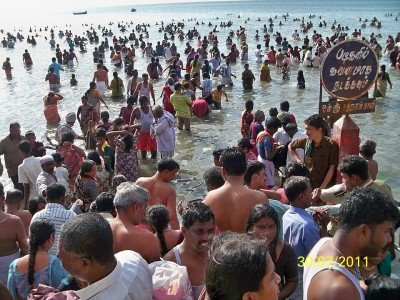
Rama Theertham
Some quick example text to build on the card title and make up the bulk of the card's content.
Go somewherein Other Cities