

Phool Bagh
General information
-
Ideal Duration:
1 Hour to 1. 5 HoursPlace Type:
Historical Garden, Architectural Marvel, Royal RetEntry Fees:
Inclusive Access: The entry to Phool Bagh is generally inclusive of the entry ticket for the larger Orchha Fort Complex. There is typically no separate fee.
Fort Complex Fee Structure: The general ticket for the fort complex (which includes...Inclusive Access: The entry to Phool Bagh is generally inclusive of the entry ticket for the larger Orchha Fort Complex. There is typically no separate fee.
Fort Complex Fee Structure: The general ticket for the fort complex (which includes Raja Mahal, Jehangir Mahal, and Phool Bagh) is approximately INR 50 for Indian Nationals and INR 750 for Foreign Nationals. This fee is subject to change by the Archaeological Survey of India (ASI).
Still Camera Fee: While general photography is allowed, a small fee (approx. INR 25 - 50) might be levied for using a still camera or video camera, so keep small notes handy.Timing:
Regular Timings: The Phool Bagh follows the timings of the Orchha Fort Complex, typically open from 8:00 AM to 6:00 PM daily, including on all public holidays.
Ideal Visit Time: The absolute Ideal Visit Time is the Late Afternoon (between 4:...Regular Timings: The Phool Bagh follows the timings of the Orchha Fort Complex, typically open from 8:00 AM to 6:00 PM daily, including on all public holidays.
Ideal Visit Time: The absolute Ideal Visit Time is the Late Afternoon (between 4:00 PM and 6:00 PM) when the sun is softer, and the air is naturally cooler, allowing the garden's retreat feeling to be best appreciated. Visiting immediately after a rainfall during the Monsoon is also ideal for the lush greenery.Special Events:
Basant Panchami Celebrations: Historically, the Phool Bagh would have been the main site for celebrating the Basant Panchami festival (in January or February), welcoming spring with music, poetry, and the blooming of mustard flowers, with the royal family presiding over the ...Basant Panchami Celebrations: Historically, the Phool Bagh would have been the main site for celebrating the Basant Panchami festival (in January or February), welcoming spring with music, poetry, and the blooming of mustard flowers, with the royal family presiding over the events in the garden pavilion.
Water Ceremony (Historical): Any major seasonal change or victory would likely have been celebrated with the ceremonial opening and flowing of the water channels and fountains, a spectacular sight symbolizing prosperity, though this is not a regular public event today.Best Photo Spots:
Sawan Bhado Pillars Framing: The Sawan Bhado Pillars themselves are an iconic shot, especially when framed against the backdrop of the Jahangir Mahal's dome-topped structure.
Geometric Patterns: Capture the beautiful geometric patterns creat...Sawan Bhado Pillars Framing: The Sawan Bhado Pillars themselves are an iconic shot, especially when framed against the backdrop of the Jahangir Mahal's dome-topped structure.
Geometric Patterns: Capture the beautiful geometric patterns created by the intersection of the walkways and the water channels, highlighting the Charbagh symmetry.
Perspective from the Top Terrace: Stand at the highest point of the garden (near the Jahangir Mahal entrance) for a wonderful panoramic perspective of the entire terraced garden layout.
Stone Fountain Bases: The intricate stonework and floral carvings on the surviving bases of the old fountains make for excellent detail and macro photography.Photo Gallery
Things To Do
-
Explore the Sawan Bhado Mechanism: Spend time observing the Sawan Bhado Pillars, trying to understand the engineering principles of this ancient cooling system and imagining the fine mist that once enveloped the garden.
Relax and Meditate: The garden is a perfect spot for relaxation. Find a quiet bench near the dried-up fountains or channels, close your eyes, and listen to the sounds of nature, taking a break from the hustle of the palaces.
Walk the Terraces and Paved Paths: Enjoy a leisurely walk along the paved pathways and up the gentle terraces, admiring the geometric perfection of the Charbagh layout and the surviving horticulture.
Photography of Garden Elements: Focus your camera on the detailed stonework of the channels, the surviving fountain bases, and ...Explore the Sawan Bhado Mechanism: Spend time observing the Sawan Bhado Pillars, trying to understand the engineering principles of this ancient cooling system and imagining the fine mist that once enveloped the garden.
Relax and Meditate: The garden is a perfect spot for relaxation. Find a quiet bench near the dried-up fountains or channels, close your eyes, and listen to the sounds of nature, taking a break from the hustle of the palaces.
Walk the Terraces and Paved Paths: Enjoy a leisurely walk along the paved pathways and up the gentle terraces, admiring the geometric perfection of the Charbagh layout and the surviving horticulture.
Photography of Garden Elements: Focus your camera on the detailed stonework of the channels, the surviving fountain bases, and the unique structure of the Sawan Bhado Pillars against the backdrop of the palace walls.
Find the Central Reservoir: Locate and observe the central or upper reservoir area that historically fed the entire network of fountains and cooling sprays.
Imagine Royal Gatherings: Sit beneath one of the ancient trees and imagine the Bundela royals and courtiers using this space for their leisure, poetry recitals, and private conversations centuries ago.
Study the Horticulture: While much of the original flora is gone, observe the local trees and flowering plants that thrive in the rich soil of the garden, appreciating the blend of nature and architecture.
Information
-
Why Famous:
Unique Natural Air Conditioning: Its primary fame comes from the ingenious system of the Sawan Bhado Pillars and the underground water channels (known as the 'Chaman') that were designed to cool the entire area, making it an architectural marvel of climate control centuries ...Unique Natural Air Conditioning: Its primary fame comes from the ingenious system of the Sawan Bhado Pillars and the underground water channels (known as the 'Chaman') that were designed to cool the entire area, making it an architectural marvel of climate control centuries before modern air conditioning.
Royal Leisure and Garden Architecture: It is famous as a beautiful example of a royal pleasure garden, seamlessly blending the structured formality of Mughal garden art with the local Bundela architectural style. The tranquil environment offers a significant contrast to the heavy fortifications of the nearby palace. The terraced design and integration with the landscape highlight its innovative planning. -
Architecture:
Charbagh Design and Terracing: The garden follows the classic four-part Charbagh layout, though adapted to the local topography with terraces. The layout features paved walkways and water channels that divide the space into smaller sections, symbolizing the garden of paradi...Charbagh Design and Terracing: The garden follows the classic four-part Charbagh layout, though adapted to the local topography with terraces. The layout features paved walkways and water channels that divide the space into smaller sections, symbolizing the garden of paradise.
Dimension: The overall garden complex is estimated to be around 100 meters by 150 meters.
The Sawan Bhado Pillars and Cooling: The most distinctive feature is the mechanism connected to the Sawan Bhado Pillars. These pillars channel water from the nearby Betwa River or a reservoir and, along with a sophisticated underground conduit system, spray fine mist and circulate cool air through the complex. This unique architectural innovation created a natural air-conditioned environment. The use of plaster, Bundeli stone, and minimal ornamentation emphasizes natural beauty. -
How To Reach:
By Air: The closest airport is Gwalior Airport (approx. 120 KMS). From Gwalior, a private taxi or cab can be hired for the 3-hour drive to Orchha. Flying to Khajuraho is an alternative, but the road journey is significantly longer (approx. 4 hours).
Read MoreBy Air: The closest airport is Gwalior Airport (approx. 120 KMS). From Gwalior, a private taxi or cab can be hired for the 3-hour drive to Orchha. Flying to Khajuraho is an alternative, but the road journey is significantly longer (approx. 4 hours).
By Train: The nearest and most convenient major railhead is Jhansi Railway Station (JHS), only about 15 KMS away. From Jhansi, take a local taxi or a shared auto-rickshaw directly to the Orchha Fort Complex. The journey is short and affordable.
By Road: Orchha is easily accessible via the National Highway network. State transport buses and private tourist buses connect it to cities like Gwalior, Bhopal, and Lucknow. The roads are generally in good condition, making for a smooth drive.
By Local Transport: The Phool Bagh is inside the fort complex. Once in Orchha, a local tuk-tuk or cycle-rickshaw can take you to the main fort gate, or it's a pleasant 10-15 minute walk from the main town bazaar.Weather and Best Time to Visit:
Different Types of Seasons: October to March (Winter Season) is the Best Time to Visit due to the very comfortable and pleasant daytime temperatures, making the extended outdoor exploration of the garden and fort complex enjoyable. Avoid the intense heat of Summer (April to...Different Types of Seasons: October to March (Winter Season) is the Best Time to Visit due to the very comfortable and pleasant daytime temperatures, making the extended outdoor exploration of the garden and fort complex enjoyable. Avoid the intense heat of Summer (April to June).
Different Parts of the Day: The Late Afternoon is the most enjoyable time to visit the garden, as the natural cooling effect and the softer light enhance the tranquility and beauty of the architecture. Midday should be avoided due to the heat.Near Tourist Places:
Jahangir Mahal (Adjacent), Sheesh Mahal (Adjacent), Raja Mahal (0. 2 KMS), Ram Raja Temple (2 KMS), Chaturbhuj Temple (2. 5 KMS), Uth Khana (Camel Shelter) (0. 1 KMS), Chhatris (1. 5 KMS), Sunder Mahal (2. 2 KMS), Laxmi Narayan Temple (3 KMS), Pravin Rai Mahal (0. 5 KMS).Tourism Tips
-
Health & safety: The paved paths can be uneven; watch your step. Carry your ticket, photo ID, and plenty of water. The garden area offers more shade than the palaces, but sun protection is still necessary.
Packing: Bring a detailed guideb...Health & safety: The paved paths can be uneven; watch your step. Carry your ticket, photo ID, and plenty of water. The garden area offers more shade than the palaces, but sun protection is still necessary.
Packing: Bring a detailed guidebook or map of the fort complex to fully appreciate the features. Wear light, breathable clothing, and sturdy shoes. A good wide-angle lens is useful for the expansive garden shots.
Accommodation: The Sheesh Mahal Hotel is right next door, offering a luxury heritage stay. Numerous clean, affordable hotels and guesthouses are available in Orchha town.
Other Different Topics heading: Consider hiring a Fort Complex Guide at the entrance to get the full story of the Sawan Bhado cooling system, which is essential to understanding the place.
Reviews
FAQs
Orchha Itineray And Cost:-
Other Places In Orchha :-
Other States In India :-
Information about New and Updated Locations() of Madhya Pradesh Has Been Added :-
Card subtitle
Note:-
Information provided here in good Faith and for reference only.
Near Places
Baradari
Some quick example text to build on the card title and make up the bulk of the card's content.
Go somewhere
Betwa Ghat
Some quick example text to build on the card title and make up the bulk of the card's content.
Go somewhere
Betwa Retreat
Some quick example text to build on the card title and make up the bulk of the card's content.
Go somewhere
Betwa River
Some quick example text to build on the card title and make up the bulk of the card's content.
Go somewhere
Betwa River Rafting/Boating
Some quick example text to build on the card title and make up the bulk of the card's content.
Go somewhere
Cenotaph of Bir Singh Deo
Some quick example text to build on the card title and make up the bulk of the card's content.
Go somewhere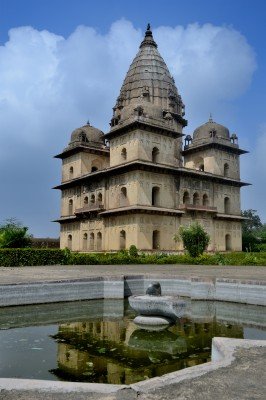
Cenotaph of Indrajit Singh
Some quick example text to build on the card title and make up the bulk of the card's content.
Go somewhere
Cenotaph of Madhukar Shah
Some quick example text to build on the card title and make up the bulk of the card's content.
Go somewhere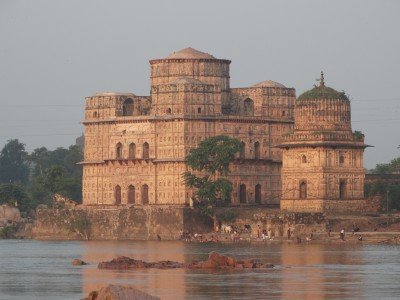
Cenotaphs
Some quick example text to build on the card title and make up the bulk of the card's content.
Go somewhere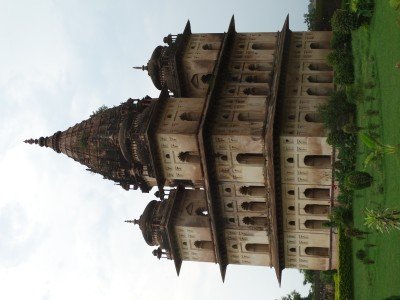
Chattris
Some quick example text to build on the card title and make up the bulk of the card's content.
Go somewhere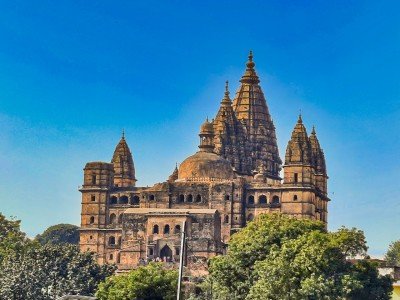
Chaturbhuj Temple
Some quick example text to build on the card title and make up the bulk of the card's content.
Go somewhere
Chhatris
Some quick example text to build on the card title and make up the bulk of the card's content.
Go somewhere
Datia Palace
Some quick example text to build on the card title and make up the bulk of the card's content.
Go somewhere
Dauji Ki Haveli
Some quick example text to build on the card title and make up the bulk of the card's content.
Go somewhere
Dinman Hardaul Palace
Some quick example text to build on the card title and make up the bulk of the card's content.
Go somewhere
Dinman Hardaul's Palace
Some quick example text to build on the card title and make up the bulk of the card's content.
Go somewherein Other Cities