

Sunder Mahal
General information
-
Ideal Duration:
45 Minutes - 1 HourPlace Type:
Historical, Shrine, Ruins, Architectural, CulturalEntry Fees:
Indian Nationals: Free Entry. As an open-air historical ruin and an active shrine, there is no mandatory entry fee.
Foreign Nationals: Free Entry. International visitors are also welcome without charge.
Donati...Indian Nationals: Free Entry. As an open-air historical ruin and an active shrine, there is no mandatory entry fee.
Foreign Nationals: Free Entry. International visitors are also welcome without charge.
Donation: Voluntary donations are accepted at the shrine for its upkeep, but no fixed fee is required.
Photography: Free. There are no camera charges. However, always be respectful when taking photos of people or inside the shrine.
Timing:
Regular Timings: Accessible from Sunrise to Sunset (approximately 6:00 AM to 6:30 PM). It is best to visit during daylight hours. As an active shrine, devotees may visit outside these hours, but tourists should limit their visit to the daytime.Regular Timings: Accessible from Sunrise to Sunset (approximately 6:00 AM to 6:30 PM). It is best to visit during daylight hours. As an active shrine, devotees may visit outside these hours, but tourists should limit their visit to the daytime.
Ideal Visit Time: Late Afternoon (4:30 PM onwards) is the best time. The light is soft and golden, perfect for photography of the ruins, and the peaceful atmosphere is enhanced at this time.
Avoiding Crowds: The site is generally less crowded than the main fort, but avoid late afternoons on Thursdays and Fridays, which can sometimes see a slight increase in devotees due to general religious practices.
Special Events:
Annual Urs Festival: The biggest special event is the annual Urs (death anniversary) of Prince Dhurbhajan, the revered saint, which is celebrated with Sufi music (Qawwali), langar (community meal), and special prayers, attracting a large number of devotees from the Muslim co...Annual Urs Festival: The biggest special event is the annual Urs (death anniversary) of Prince Dhurbhajan, the revered saint, which is celebrated with Sufi music (Qawwali), langar (community meal), and special prayers, attracting a large number of devotees from the Muslim community and others who follow the syncretic tradition.
Basant Panchami Celebration: While primarily a Muslim shrine, the local community often celebrates Basant Panchami (February) in the Sufi tradition, with music and poetry, symbolizing the advent of spring.
Best Photo Spots:
Archways Framing the Shrine: Use the surviving stone archways and broken walls to frame the central shrine or the surrounding greenery, creating a sense of depth and historical context.
Close-up of the Bundeli/Mughal Carvings: Focus on the d...Archways Framing the Shrine: Use the surviving stone archways and broken walls to frame the central shrine or the surrounding greenery, creating a sense of depth and historical context.
Close-up of the Bundeli/Mughal Carvings: Focus on the details of the plasterwork and stone carvings where the two architectural styles meet, capturing the syncretic nature of the Mahal.
Melancholy of the Ruins: Capture the wide-angle view of the palace's facade, emphasizing the overgrown greenery and the sense of romantic decay against the backdrop of the modern town.
Photo Gallery
Things To Do
-
Reflect on the Tale of Love: Take a moment to read and contemplate the famous story of Prince Dhurbhajan's sacrifice and devotion. This historical narrative is key to appreciating the site.
Visit the Shrine (Dargah): Spend time respectfully observing the devotional practices at the shrine. You can offer flowers or a prayer as a mark of respect to the revered saint, Prince Dhurbhajan. This is a core part of the visit.
Photography of the Ruins: The decaying structure offers excellent, melancholic photography opportunities. Use the broken archways, moss-covered walls, and the surviving balconies to frame the distant landscape or the sky, emphasizing the romance and ruin.
Study the Fusion Architecture:
Specifically look for the archit...Reflect on the Tale of Love: Take a moment to read and contemplate the famous story of Prince Dhurbhajan's sacrifice and devotion. This historical narrative is key to appreciating the site.
Visit the Shrine (Dargah): Spend time respectfully observing the devotional practices at the shrine. You can offer flowers or a prayer as a mark of respect to the revered saint, Prince Dhurbhajan. This is a core part of the visit.
Photography of the Ruins: The decaying structure offers excellent, melancholic photography opportunities. Use the broken archways, moss-covered walls, and the surviving balconies to frame the distant landscape or the sky, emphasizing the romance and ruin.
Study the Fusion Architecture:
Specifically look for the architectural blend: note the solid Rajput base and the lighter, ornamental Mughal-style upper elements. This provides a direct comparison with the more purely Bundeli Raja Mahal.
Combine with Phool Bagh: The Sunder Mahal is located close to the Phool Bagh (Flower Garden). A combined visit allows you to appreciate the Prince's choice of a quiet, beautiful setting for his life of devotion.
Meet Local Devotees: Engage in polite conversation with the local devotees who manage the shrine. They often share a deeper, personal perspective on the legend and the spiritual significance of the place that is not available in guidebooks.
Capture the Betwa Vista: Climb to the highest accessible point of the ruins (with caution) to capture a view of the surrounding town and the distant Betwa River, which was part of the original beautiful setting.
Information
-
Why Famous:
The Palace of Inter-Faith Love: It is most famously known as the "Palace of Love," the physical dedication built for a forbidden union between a Hindu Prince and a Muslim girl, making it a universal symbol of romantic devotion and overcoming social barriers.The Palace of Inter-Faith Love: It is most famously known as the "Palace of Love," the physical dedication built for a forbidden union between a Hindu Prince and a Muslim girl, making it a universal symbol of romantic devotion and overcoming social barriers.
Syncretic Shrine: It is unique in Orchha for being a rare example of a Hindu palace that has been converted into an active Muslim pilgrimage site or dargah, attracting devotees from both communities and celebrating the shared spiritual heritage of the region.
Architectural Fusion: The palace is celebrated by historians for its clear blending of Bundeli-Rajput and Mughal-Islamic architectural elements, offering a tangible lesson in the cultural assimilation that took place during the 17th century in the Bundelkhand region.
-
Architecture:
Syncretic Architecture of Love: The Sunder Mahal is an important example of a highly syncretic architectural style, combining the Hindu Bundeli tradition with the delicate ornamentation and structural elements of Mughal (Islamic) architecture, reflecting the Prince's own lif...Syncretic Architecture of Love: The Sunder Mahal is an important example of a highly syncretic architectural style, combining the Hindu Bundeli tradition with the delicate ornamentation and structural elements of Mughal (Islamic) architecture, reflecting the Prince's own life journey.
Structural Elements and Dimensions: The structure is a modest-sized palace, two stories high, built around a small central courtyard, a standard feature in both Rajput and Mughal residential palaces. It features traditional Bundeli elements like projecting balconies and chhatris on the roofline. However, its Mughal influence is seen in the use of cusped arches, delicate plasterwork, and perhaps elements of a charbagh (four-part garden) design in the former grounds. The palace is built from local sandstone and plastered with lime mortar. Despite its ruined state, the surviving decorative niches and windows are testaments to its former beauty.
The Courtyard and Shrine: The courtyard is an important element, containing the shrine or mazar where Prince Dhurbhajan is revered, making the architectural focus religious as much as residential.
-
How To Reach:
By Air: Fly into Gwalior (120 KM) or Khajuraho (170 KM). Take a taxi to Orchha town.
By Train: Arrive at Jhansi Junction (18 KM). From Jhansi, take an auto-rickshaw to Orchha. The Mahal is located down a small lane near the main town area...By Air: Fly into Gwalior (120 KM) or Khajuraho (170 KM). Take a taxi to Orchha town.
By Train: Arrive at Jhansi Junction (18 KM). From Jhansi, take an auto-rickshaw to Orchha. The Mahal is located down a small lane near the main town area.
By Road: The palace is reachable via the internal roads of Orchha. Follow the signs for the Phool Bagh area, as the Mahal is close by.
By Local Transport: From the Ram Raja Temple square, it is a pleasant 10-15 minute walk, down one of the small, winding town lanes. Cycle-rickshaws can take you close to the entrance for a small fee.
-
Weather and Best Time to Visit:
Different Types of Seasons: Winter (October to March) is ideal for comfortable exploration of the ruins. Monsoon transforms the ruins with lush greenery, adding to the romantic and melancholic atmosphere. Summer should be avoided due to the exposed location.Different Types of Seasons: Winter (October to March) is ideal for comfortable exploration of the ruins. Monsoon transforms the ruins with lush greenery, adding to the romantic and melancholic atmosphere. Summer should be avoided due to the exposed location.
Different Parts of the Day: The Golden Hour (early morning or late afternoon) is essential for photography and experiencing the tranquil, reflective atmosphere that defines the Sunder Mahal.
-
Near Tourist Places:
Phool Bagh (0. 2 KM), Ram Raja Temple (0. 8 KM), Dauji ki Haveli (0. 1 KM), Jehangir Mahal (1. 2 KM), Raja Mahal (1. 0 KM), Chaturbhuj Temple (1. 5 KM), Chhatris (Cenotaphs) (1. 8 KM), Shahid Smarak (3. 5 KM), Lakshminarayan Temple (2. 5 KM), Orchha Sanctuary (Entry Point, 3. 0 KM).
Tourism Tips
-
Health & Safety: Since it is a ruin, watch your step on the uneven ground and crumbling stairs. Be careful of snakes and insects, especially during the monsoon season.
Packing: Wear comfortable walking shoes. Carry a scarf or head covering...Health & Safety: Since it is a ruin, watch your step on the uneven ground and crumbling stairs. Be careful of snakes and insects, especially during the monsoon season.
Packing: Wear comfortable walking shoes. Carry a scarf or head covering out of respect when visiting the shrine section. Bring a telephoto lens for detailed shots of the surviving carvings.
Accommodation: Stay anywhere in the main town. The location is easily accessible by a short walk from the central hotels.
Other Different Topics:
Respectful Attire: Dress modestly when visiting the active shrine.
Seek Directions: The Mahal is slightly hidden down an alleyway; ask a local for the precise location to save time.
Historical Context: Read up on Prince Dhurbhajan's life story before visiting to fully appreciate the significance of the structure.
Reviews
FAQs
Orchha Itineray And Cost:-
Other Places In Orchha :-
Other States In India :-
Information about New and Updated Locations() of Madhya Pradesh Has Been Added :-
Card subtitle
Note:-
Information provided here in good Faith and for reference only.
Near Places
Baradari
Some quick example text to build on the card title and make up the bulk of the card's content.
Go somewhere
Betwa Ghat
Some quick example text to build on the card title and make up the bulk of the card's content.
Go somewhere
Betwa Retreat
Some quick example text to build on the card title and make up the bulk of the card's content.
Go somewhere
Betwa River
Some quick example text to build on the card title and make up the bulk of the card's content.
Go somewhere
Betwa River Rafting/Boating
Some quick example text to build on the card title and make up the bulk of the card's content.
Go somewhere
Cenotaph of Bir Singh Deo
Some quick example text to build on the card title and make up the bulk of the card's content.
Go somewhere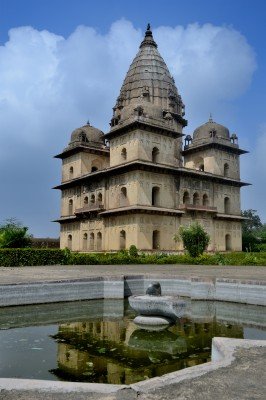
Cenotaph of Indrajit Singh
Some quick example text to build on the card title and make up the bulk of the card's content.
Go somewhere
Cenotaph of Madhukar Shah
Some quick example text to build on the card title and make up the bulk of the card's content.
Go somewhere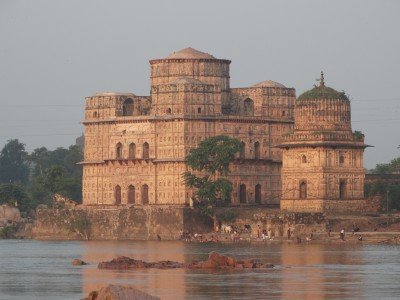
Cenotaphs
Some quick example text to build on the card title and make up the bulk of the card's content.
Go somewhere
Chattris
Some quick example text to build on the card title and make up the bulk of the card's content.
Go somewhere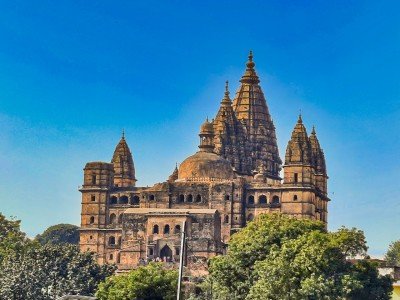
Chaturbhuj Temple
Some quick example text to build on the card title and make up the bulk of the card's content.
Go somewhere
Chhatris
Some quick example text to build on the card title and make up the bulk of the card's content.
Go somewhere
Datia Palace
Some quick example text to build on the card title and make up the bulk of the card's content.
Go somewhere
Dauji Ki Haveli
Some quick example text to build on the card title and make up the bulk of the card's content.
Go somewhere
Dinman Hardaul Palace
Some quick example text to build on the card title and make up the bulk of the card's content.
Go somewhere
Dinman Hardaul's Palace
Some quick example text to build on the card title and make up the bulk of the card's content.
Go somewherein Other Cities