

.jpg target=)

Siddhavat Ghat
General information
-
Ideal Duration:
1 - 1. 5 HoursPlace Type:
Religious Site, Nature/Tree Worship, Cremation GroEntry Fees:
No Entry Fee for the Ghat or Banyan Tree: Similar to all the Shipra River ghats, access to Siddhavat Ghat is completely free for all. There is no charge to enter the complex or worship the Akshayavat Banyan Tree.
Pooja and Ritual Fees: Char...No Entry Fee for the Ghat or Banyan Tree: Similar to all the Shipra River ghats, access to Siddhavat Ghat is completely free for all. There is no charge to enter the complex or worship the Akshayavat Banyan Tree.
Pooja and Ritual Fees: Charges for performing specific ancestral rites (pind daan, shraddha, or tarpan) are paid to the local priests (Pandas) who facilitate the ceremony. These charges are negotiable and depend on the complexity of the ritual and the materials required.
Donation for Temple Maintenance: Small, voluntary donations can be made towards the maintenance of the minor shrines located within the ghat complex and for the upkeep of the Banyan Tree's surrounding platform. There is no official mandatory fee.
Offerings: The materials for the puja, such as coconuts, flowers, and the black thread for tying around the tree, can be purchased from the numerous vendors near the entrance for a small, reasonable cost.Timing:
Regular Timings: The ghat is open from Sunrise to Sunset (approximately 6:00 AM to 7:00 PM) for public rituals and darshan. However, due to its nature as a cremation ground and ritual site, the area is continuously in use, but the most advised time for general visitors is d...Regular Timings: The ghat is open from Sunrise to Sunset (approximately 6:00 AM to 7:00 PM) for public rituals and darshan. However, due to its nature as a cremation ground and ritual site, the area is continuously in use, but the most advised time for general visitors is during the day.
Ideal Visit Time: The best time to visit for a tranquil and spiritual experience is the early morning (around 7:00 AM to 9:00 AM) on a weekday, when the crowds are minimal and the lighting for the banyan tree is soft. Avoid visiting late in the evening.
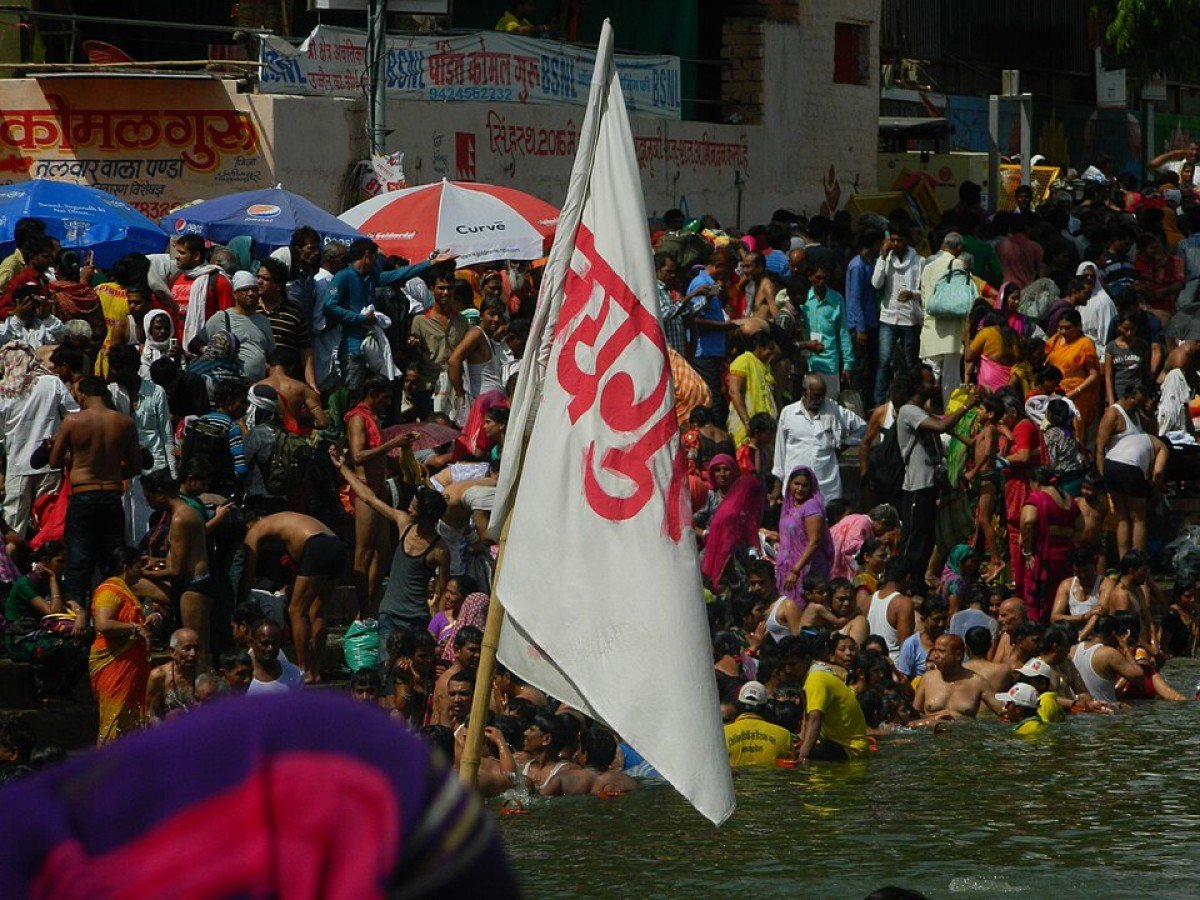
Festival Timings: On special occasions like Amavasya and Shravan month, the ghat is extremely crowded and active from very early morning (often 4:00 AM) till late in the evening, with a continuous flow of devotees for ancestral rites.Special Events:
Bhairav Ashtami: Although the Kaal Bhairav Temple is the main site, a stream of devotees visits Siddhavat on this day, as both are deeply tied to the Shaivite tradition and ancestral rituals. Special pujas for protection and the removal of obstacles are performed here.
...Bhairav Ashtami: Although the Kaal Bhairav Temple is the main site, a stream of devotees visits Siddhavat on this day, as both are deeply tied to the Shaivite tradition and ancestral rituals. Special pujas for protection and the removal of obstacles are performed here.
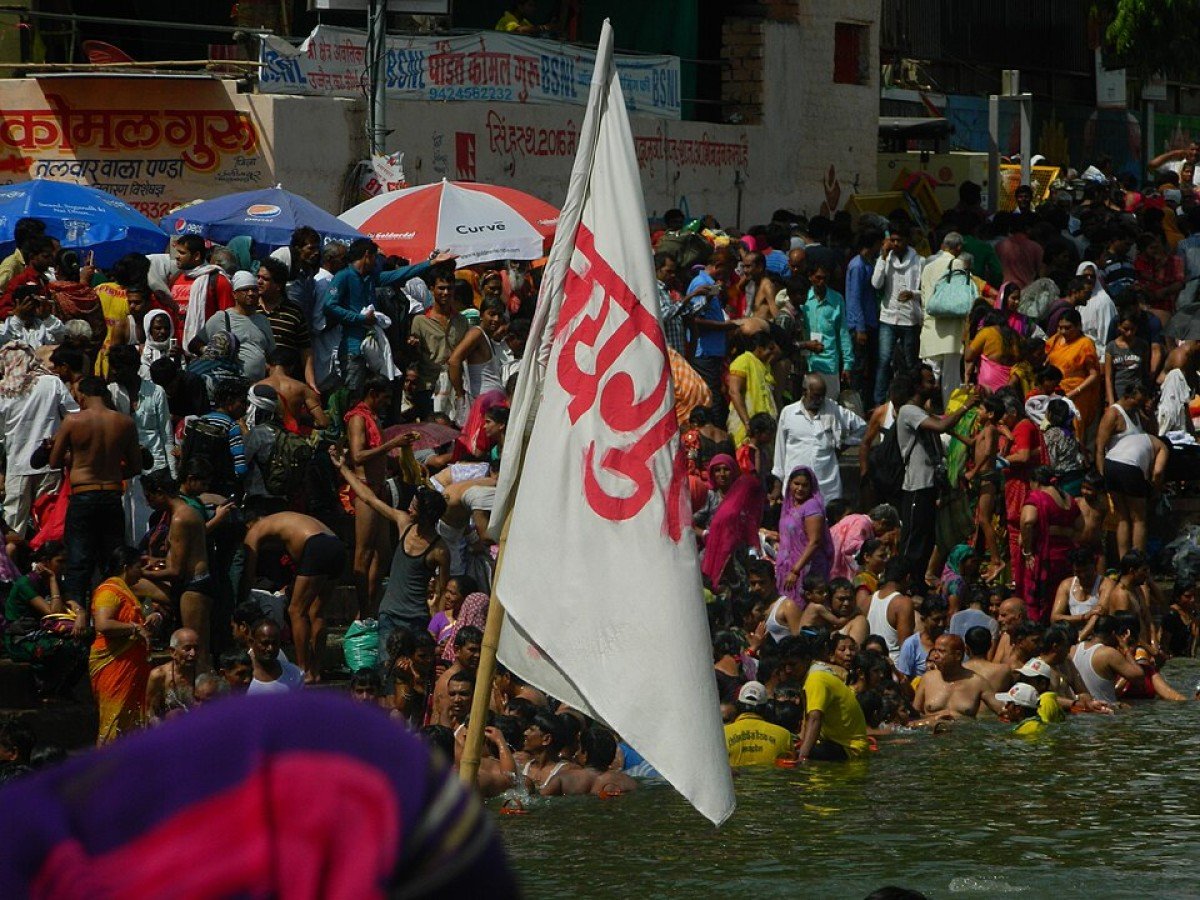
Amavasya (New Moon Day): New Moon days, particularly the Somvati Amavasya (falling on a Monday), are highly important for performing ancestral rites (pind daan and shraddha). The ghat experiences a huge influx of pilgrims on these days for ritualistic bathing and puja.
Mahalaxmi Vrat: During the Mahalaxmi Vrat (a period of fasting for the Goddess Laxmi), many women come to the Akshayavat to tie the holy thread and pray for the prosperity and longevity of their families and husbands, a significant local cultural event.Best Photo Spots:
The Akshayavat Canopy at Sunrise: The most striking photo opportunity is capturing the massive, intricate root system and the vast canopy of the banyan tree just as the golden light of the sun filters through the leaves, symbolizing eternal life.The Akshayavat Canopy at Sunrise: The most striking photo opportunity is capturing the massive, intricate root system and the vast canopy of the banyan tree just as the golden light of the sun filters through the leaves, symbolizing eternal life.
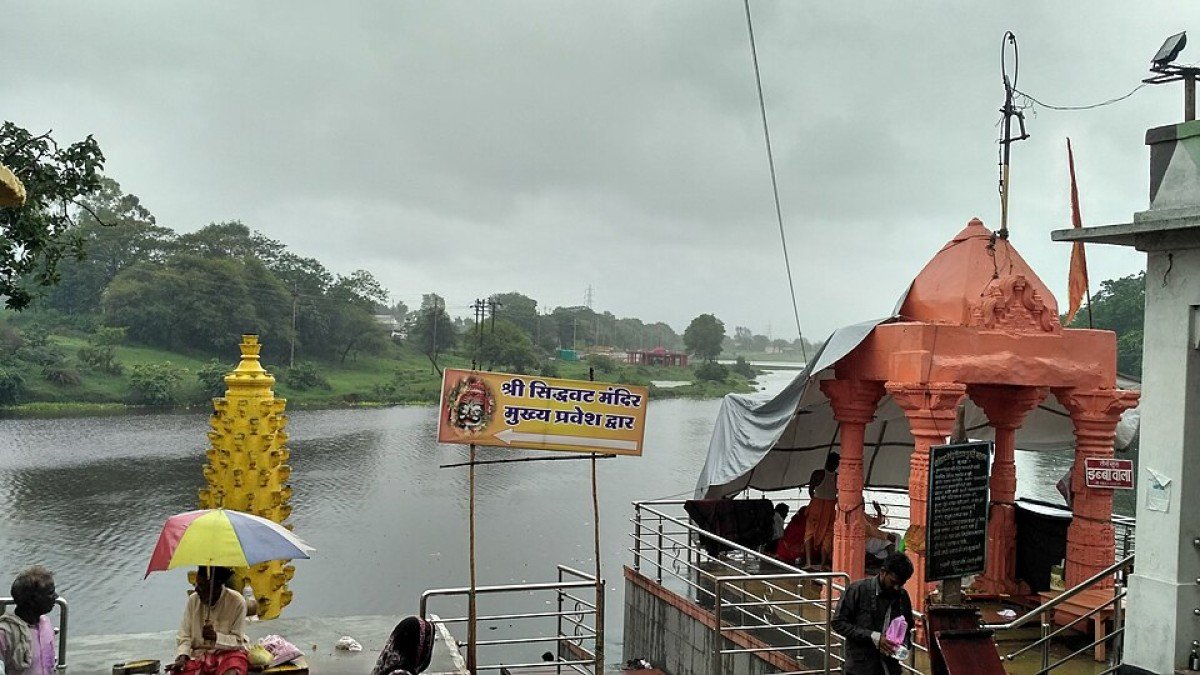
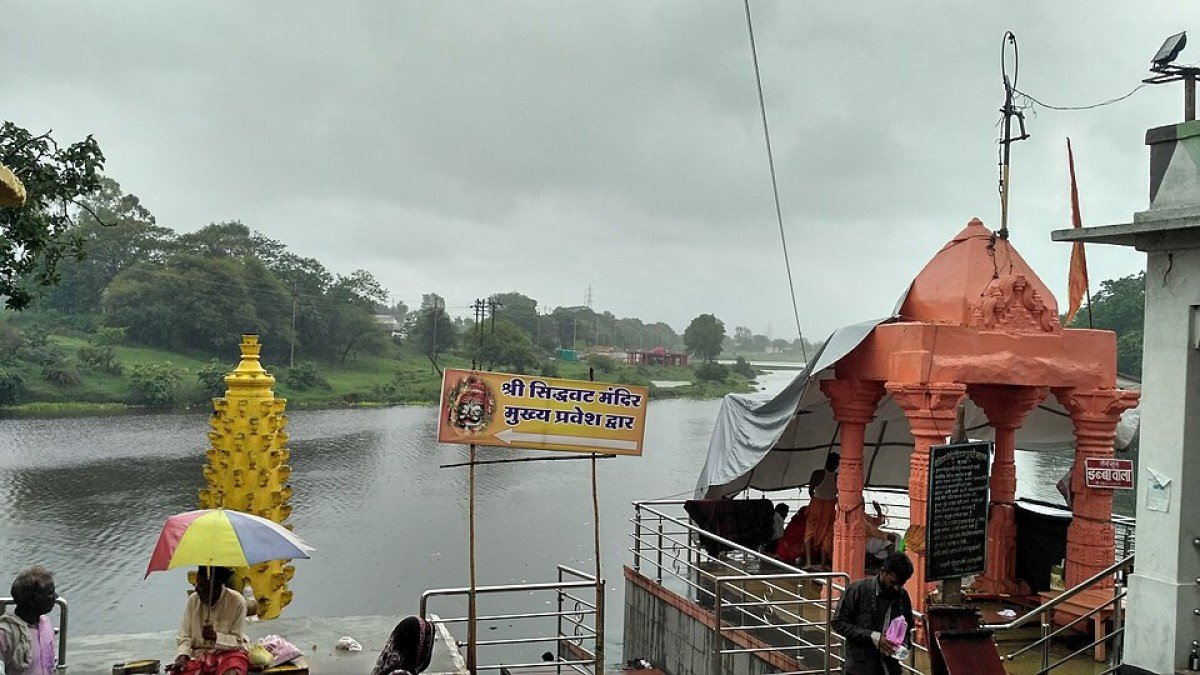
The River's Bend: The ghat is located at a prominent bend in the Shipra River. A shot from the top of the steps looking down the river captures the quiet flow, the simple architecture of the ghat, and the natural landscape away from the city.
Rituals in Progress: With utmost respect, capture the wide-angle scene of pilgrims performing pind daan or the black thread ritual. The combination of human devotion and the majestic nature of the ancient tree creates a powerful, narrative image of faith and cultural continuity.Photo Gallery
Things To Do
-
Circumambulating the Akshayavat (Tree Worship): Perform the Parikrama (circumambulation) around the massive Banyan Tree. While performing the circuit, tie the symbolic black thread around the tree trunk for wish fulfillment, a deeply sacred ritual unique to this location.
Performing Pitru Tarpan or Pind Daan: If you are on a pilgrimage, perform the ancestral rites with the help of a local priest. This is the main religious activity of the site and is considered highly auspicious for the peace of departed souls.
Taking a Holy Dip in the Shipra: Take a quick, purifying dip in the Shipra River at the steps of the ghat. The water here is believed to be potent with the energy of the sacred banyan.
Observing the Cremation Rites: With respect and distance, observe th...Circumambulating the Akshayavat (Tree Worship): Perform the Parikrama (circumambulation) around the massive Banyan Tree. While performing the circuit, tie the symbolic black thread around the tree trunk for wish fulfillment, a deeply sacred ritual unique to this location.
Performing Pitru Tarpan or Pind Daan: If you are on a pilgrimage, perform the ancestral rites with the help of a local priest. This is the main religious activity of the site and is considered highly auspicious for the peace of departed souls.
Taking a Holy Dip in the Shipra: Take a quick, purifying dip in the Shipra River at the steps of the ghat. The water here is believed to be potent with the energy of the sacred banyan.
Observing the Cremation Rites: With respect and distance, observe the cremation ceremonies. While somber, it is a profound cultural experience and a reminder of the cycle of life and death, which the ghat symbolizes.
Nature Photography: Due to its relatively untouched natural setting, the ghat offers great opportunities to photograph the beautiful foliage, the huge aerial roots of the banyan, and the serene flow of the river, especially during the early morning.
Meditation and Quiet Reflection: Find a quiet spot on the steps away from the ritual areas and spend time in meditation. The atmosphere under the massive banyan canopy is naturally conducive to peace and contemplation.
Visiting the Nearby Small Shrines: Explore the minor, unheralded shrines around the ghat complex dedicated to local deities and Bhagavata figures, which often contain ancient and beautifully weather-worn idols, providing a sense of historical continuity.
Information
-
Why Famous:
The Akshayavat Status: It is famous for being one of the four most sacred banyan trees in India—the Akshayavat—believed to be indestructible and a symbol of eternal life. Worshipping this tree is considered equivalent to worshipping the divine trinity (Brahma, Vishnu, a...The Akshayavat Status: It is famous for being one of the four most sacred banyan trees in India—the Akshayavat—believed to be indestructible and a symbol of eternal life. Worshipping this tree is considered equivalent to worshipping the divine trinity (Brahma, Vishnu, and Shiva).
The Site for Pind Daan: Siddhavat is nationally famous as a prime location for Pind Daan (offering to ancestors) and Shraddha (funeral rites). It is believed that performing these rituals here ensures the salvation (moksha) of the departed soul, making it a major pilgrimage spot for families seeking peace for their ancestors.
Ritual of the Black Thread: The ritual of tying a black thread around the banyan tree and making a wish is highly famous. Devotees believe that the wish is granted by the divine power of the Akshayavat, and they return to untie the thread once the wish is fulfilled. -
Architecture:
The Veneration of the Akshayavat: The Siddhavat Banyan Tree is the central architectural and spiritual feature, not a man-made structure. The focus is on the tree's immense size, its labyrinthine aerial roots that create a natural, protective canopy, and the platform built ...The Veneration of the Akshayavat: The Siddhavat Banyan Tree is the central architectural and spiritual feature, not a man-made structure. The focus is on the tree's immense size, its labyrinthine aerial roots that create a natural, protective canopy, and the platform built around its base for worship. The tree itself acts as a natural, living temple.
Ghat Construction and Ritual Platforms: The ghat itself features simple, utilitarian stone steps leading down to the Shipra River, similar to the other Ujjain ghats but smaller in scale, designed to facilitate funeral pyres and ritualistic bathing. There are various small, unadorned temples and Chhatris (cenotaphs) built in the regional Maratha style scattered around the site, primarily serving as platforms for priests and performing ancestral pujas. The overall architecture prioritizes the natural setting and the sacred tree.
Dimension: The Banyan Tree's canopy is vast, covering a significant area. The entire ghat complex, including the cremation ground, stretches along the riverbank for a few hundred meters, providing ample space for both spiritual rites and quiet reflection by the river. -
How To Reach:
By Air: The nearest airport is Devi Ahilyabai Holkar Airport (IDR) in Indore, located approximately 55 KMS away. From the airport, hire a pre-paid taxi or private cab to take you directly to the ghat. The journey from the airport to the ghat takes about 2 hours, as the gha...By Air: The nearest airport is Devi Ahilyabai Holkar Airport (IDR) in Indore, located approximately 55 KMS away. From the airport, hire a pre-paid taxi or private cab to take you directly to the ghat. The journey from the airport to the ghat takes about 2 hours, as the ghat is on the outskirts of Ujjain proper.
By Train: Ujjain Junction Railway Station (UJN) is the closest major station (approx. 6. 5 KMS). From the station, you will need to hire an auto-rickshaw or a local taxi. Ensure you negotiate the price beforehand, as the ghat is a bit further out from the main city's temple circuit.
By Road: The ghat is well-connected by local roads. If driving, follow the signage towards Fatehabad Road and look for signs for Siddhavat. Local buses and shared auto-rickshaws, though less frequent than in the city center, run along the main road near the ghat.
By Local Transport: An auto-rickshaw is the most convenient and recommended way to reach Siddhavat Ghat from the city center, Mahakal Temple, or the railway station. It's too far for a cycle-rickshaw. It is best to arrange for a return ride or have the driver wait, as finding transport back from the isolated ghat can sometimes be challenging, especially during non-peak hours. -
Weather and Best Time to Visit:
Different Types of Seasons:
Winter (October to March): This is the best time to visit. The mild and pleasant weather allows for comfortable participation in rituals and quiet contemplation under the banyan tree.
...Different Types of Seasons:
Winter (October to March): This is the best time to visit. The mild and pleasant weather allows for comfortable participation in rituals and quiet contemplation under the banyan tree.
Summer (April to June): The intense heat makes daytime visits very difficult. The early morning is the only tolerable time.
Monsoon (July to September): The increased water in the Shipra makes the surroundings lush, but the steps can be slippery, and the cremation ground area can be messy. The highly sacred month of Shravan falls during this time, attracting devotees despite the rain.
Different Parts of the Day:
Early Morning (Sunrise): The Ideal Time for ancestral rituals and quiet contemplation. The natural light on the banyan tree is also best for photography. Daytime (10 AM to 5 PM) Busy with continuous pind daan and shraddha rituals. Can be hot and crowded, particularly around the main tree.
Evening (Sunset): While quiet, it is not the most advisable time to visit due to the nature of the location being a cremation ground. -
Near Tourist Places:
Mangalnath Temple (1 KM), Chintaman Ganesh Temple (2 KMS), Kaal Bhairav Temple (4 KMS), Gomti Kund (4. 5 KMS), Ram Ghat (5 KMS), Harsiddhi Temple (6 KMS), Shree Mahakaleshwar Temple (7 KMS), Ved Shala (Jantar Mantar) (6 KMS), Triveni Museum (8 KMS), Vikram Kirti Mandir Museum (7. 5 KMS).
Tourism Tips
-
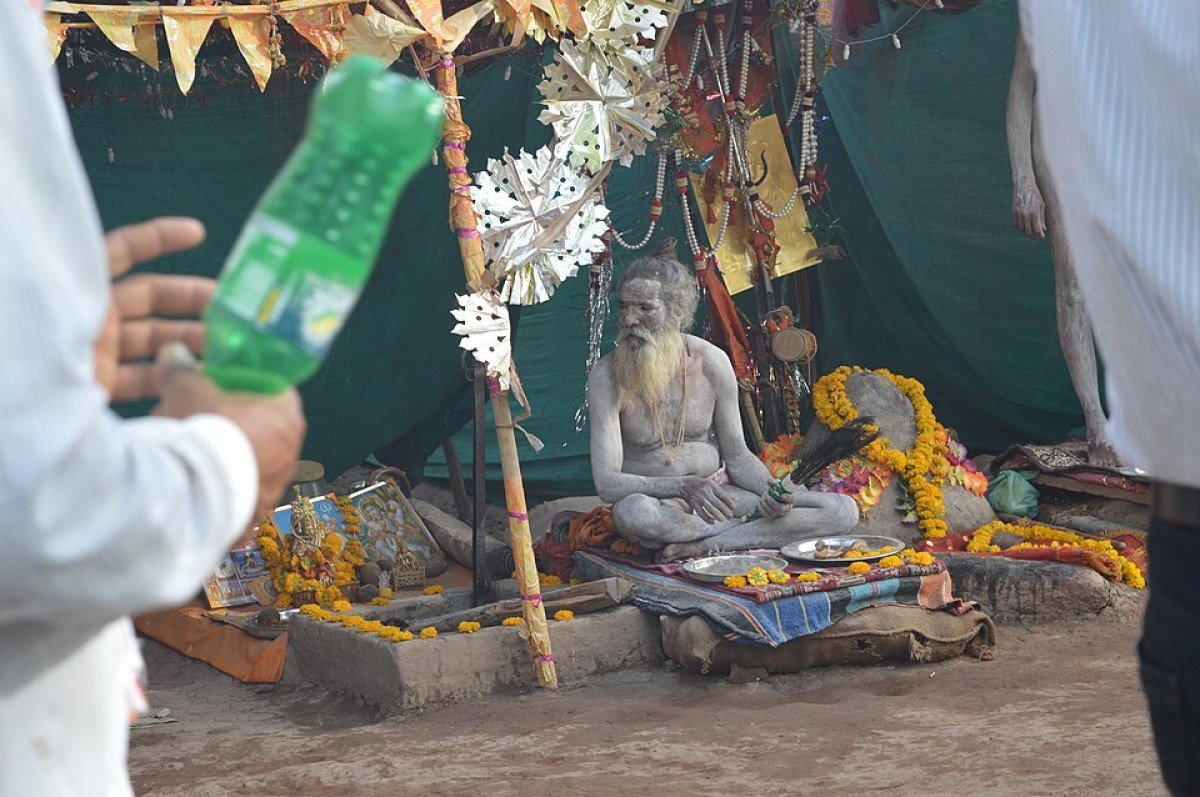
Health & Safety: The ghat is often used as a cremation ground. Maintain silence, be respectful of the ceremonies, and never point or stare at the funeral rites. The steps can be very slippery due to moss or mud, especially near the water's edge, so wear appropriate footwea...Health & Safety: The ghat is often used as a cremation ground. Maintain silence, be respectful of the ceremonies, and never point or stare at the funeral rites. The steps can be very slippery due to moss or mud, especially near the water's edge, so wear appropriate footwear. Be aware of the presence of sadhus and religious mendicants, and avoid engaging in unsolicited conversations with unknown priests.
Packing: Carry a small bottle of water and a hat. Due to the spiritual nature of the rituals, dress modestly, covering most of your body. Carry a small amount of cash for purchasing offerings or if you decide to participate in a ritual. Leave all valuables secured in your hotel.
Accommodation: There are no hotels right at the ghat. It is best to stay in the city center near the Mahakal Temple (4-5 KMS away) and travel to Siddhavat by taxi or auto-rickshaw.
Other Different Topics Heading:
Respect the Rituals: If you witness a ritual, stay at a distance and do not walk between the priest and the family.
Local Priests: If you wish to perform a puja, hire a priest from the accredited list near the ghat entrance.
Photography: Be extremely discreet and respectful if photographing the rituals; direct, close-up photography of people grieving is inappropriate.
Reviews
FAQs
Ujjain Itineray And Cost:-
Other Places In Ujjain :-
Other States In India :-
Information about New and Updated Locations() of Madhya Pradesh Has Been Added :-
Card subtitle
Note:-
Information provided here in good Faith and for reference only.
Near Places

Harsiddhi Temple
Some quick example text to build on the card title and make up the bulk of the card's content.
Go somewhere
Kark Rajeshwar Temple
Some quick example text to build on the card title and make up the bulk of the card's content.
Go somewhere
Mahakal Lok Corridor
Some quick example text to build on the card title and make up the bulk of the card's content.
Go somewhere
Mahakaleshwar Jyotirlinga Temple
Some quick example text to build on the card title and make up the bulk of the card's content.
Go somewhere
Mahakaleshwar Jyotirlinga
Some quick example text to build on the card title and make up the bulk of the card's content.
Go somewhere
Mahalaxmi Temple
Some quick example text to build on the card title and make up the bulk of the card's content.
Go somewhere
Mangalnath Temple
Some quick example text to build on the card title and make up the bulk of the card's content.
Go somewhere
Rudra Sagar Lake
Some quick example text to build on the card title and make up the bulk of the card's content.
Go somewhere
Sahasra Shiva Lingas
Some quick example text to build on the card title and make up the bulk of the card's content.
Go somewhere
Sudama Setu
Some quick example text to build on the card title and make up the bulk of the card's content.
Go somewhere
Triveni Museum
Some quick example text to build on the card title and make up the bulk of the card's content.
Go somewhere
Ved Shala
Some quick example text to build on the card title and make up the bulk of the card's content.
Go somewhere
Vikram Kirti Mandir Museum
Some quick example text to build on the card title and make up the bulk of the card's content.
Go somewherein Other Cities