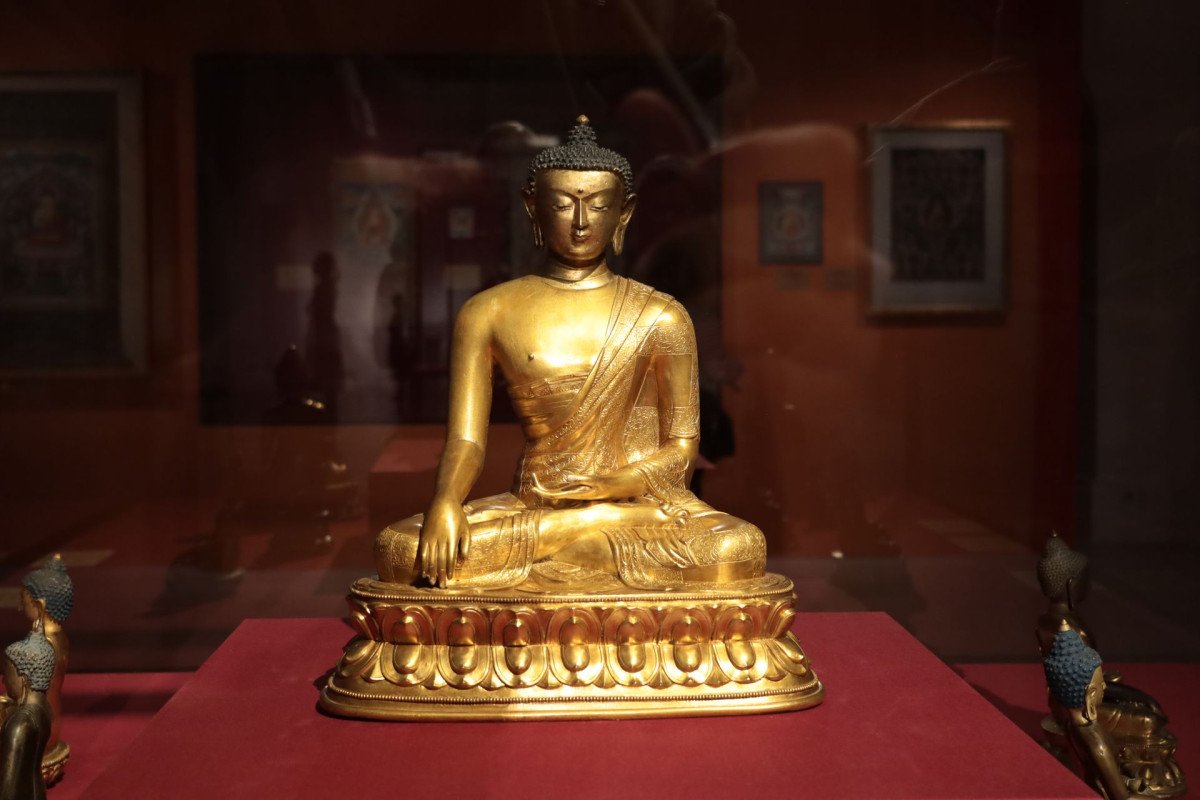
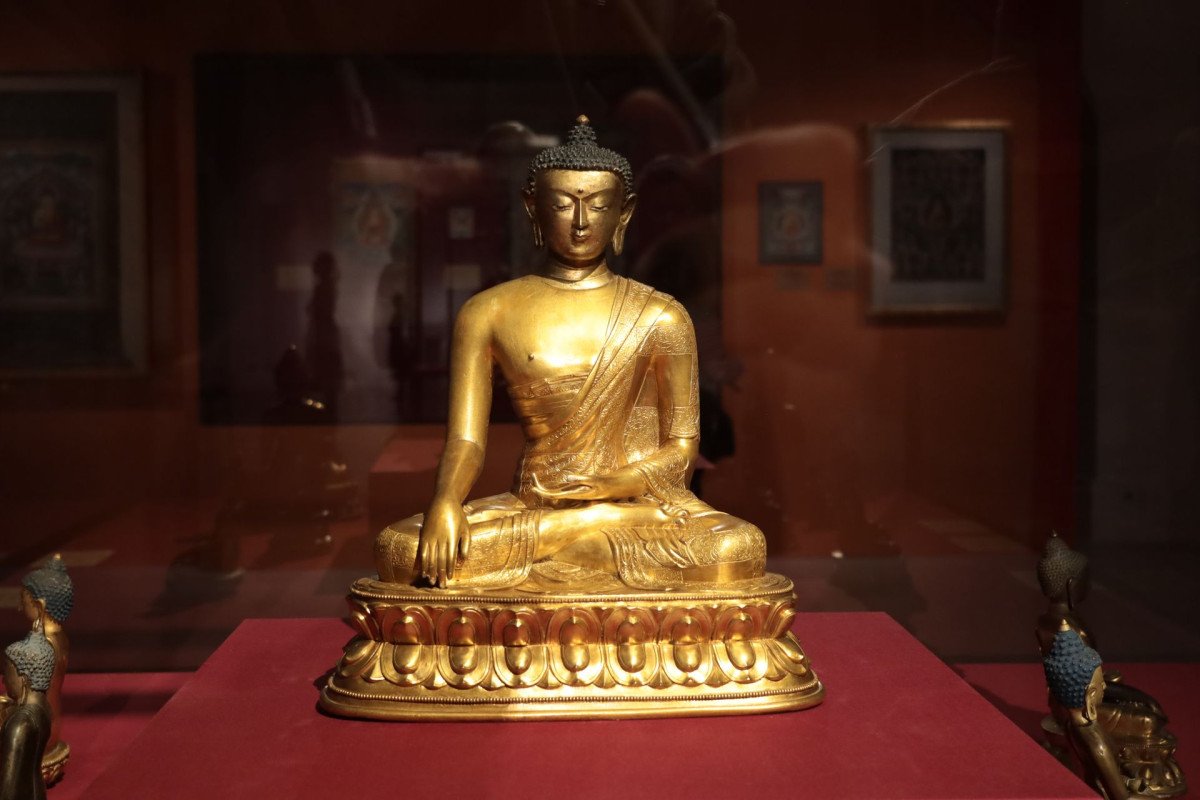
Triveni Museum
General information
-
Ideal Duration:
1 - 2 HoursPlace Type:
Museum, Cultural Center, Art and HistoryEntry Fees:
Minimal Entry Fee: The Triveni Museum charges a very small, nominal entry fee for Indian citizens, typically around Rs.10 to Rs.20 per person. The fee for foreign nationals is generally slightly higher, around Rs.100 to Rs.150.
No Separate Fees for Gal...Minimal Entry Fee: The Triveni Museum charges a very small, nominal entry fee for Indian citizens, typically around Rs.10 to Rs.20 per person. The fee for foreign nationals is generally slightly higher, around Rs.100 to Rs.150.
No Separate Fees for Galleries: The entry fee includes access to all the permanent galleries and exhibits within the museum complex, including the Shaivism gallery, the archaeological wing, and the art sections.
Camera/Photography Fee: Some museums in India charge a small, separate fee for carrying a camera (still or video). While it is minimal (often around Rs.25 to Rs.50), it is advisable to confirm at the ticket counter. Photography without flash is usually permitted for personal use.
Guide Services: Official, guided tours or specialized lectures (if available) may involve an additional fee, which is significantly higher than the general entry charge.Timing:
Regular Timings: The museum is typically open from 10:30 AM to 5:00 PM on all days of the week. It is important to note that it is usually closed on Mondays and all major National Holidays for maintenance.
Ideal Visit Time: The best time is...Regular Timings: The museum is typically open from 10:30 AM to 5:00 PM on all days of the week. It is important to note that it is usually closed on Mondays and all major National Holidays for maintenance.
Ideal Visit Time: The best time is immediately after it opens in the morning (around 10:30 AM), when the museum is quietest, allowing for a peaceful and unhurried viewing of the delicate artifacts. The afternoon hours are usually busier with school groups and local tourists.
Seasonal Variation: Since the museum is an indoor, climate-controlled facility, it can be comfortably visited during the hot summer months as a pleasant escape from the heat, making it an excellent mid-day activity.Special Events:
Mahakal Samaroh: Although not primarily a museum event, the city's annual cultural festivals, such as the Mahakal Samaroh, often involve special exhibitions, lectures, and academic seminars being hosted or co-hosted at the Triveni Museum's auditorium, especially those relate...Mahakal Samaroh: Although not primarily a museum event, the city's annual cultural festivals, such as the Mahakal Samaroh, often involve special exhibitions, lectures, and academic seminars being hosted or co-hosted at the Triveni Museum's auditorium, especially those related to history and Shaivite art.
International Museum Day Celebrations: The museum usually holds special educational programs, guided tours, and temporary thematic exhibitions every year in May to celebrate International Museum Day, attracting a specific crowd of art and history enthusiasts.
Local Art Workshops: Occasionally, the museum or the associated cultural bodies host workshops on traditional Malwa or miniature painting art forms, offering a unique opportunity to interact with local artists and learn about regional craft traditions.Best Photo Spots:
The Best-Lit Sculptures: Capture the grand, well-conserved stone sculptures of Lord Shiva's various forms, utilizing the professional lighting to highlight the texture and details of the centuries-old carvings.
The Museum Courtyard: The entr...The Best-Lit Sculptures: Capture the grand, well-conserved stone sculptures of Lord Shiva's various forms, utilizing the professional lighting to highlight the texture and details of the centuries-old carvings.
The Museum Courtyard: The entrance courtyard and the building's exterior, with its traditional yet modern design, offer a clean, architectural backdrop for portraits and group photos, showcasing the institution's solemnity.
The View of Navagraha Shani Mandir: From the museum complex, you can get a good, framed shot of the prominent Navagraha Shani Mandir located at the adjacent Triveni Ghat, capturing the spiritual and cultural landscape in one frame.Photo Gallery
Things To Do
-
Viewing the Shaivite Sculpture Gallery: Spend time analyzing the exquisite stone sculptures of Lord Shiva. Look closely at the details of the Nataraja idol and the other complex mythological narratives carved into the stone, which represent the philosophical depth of the Shaivite tradition.
Exploring the Triveni Ghat: After the museum visit, walk down to the Triveni Ghat on the banks of the Shipra River. This is a serene spot where you can see the Navagraha Shani Mandir (Temple of the Nine Planets) and enjoy the view of the river.
Studying the Archaeological Finds: Focus on the exhibits of excavated materials, including pottery, inscriptions, and tools. These offer a direct connection to the ancient city of Avanti (old Ujjain) and the timeline of human settlement in the region.Viewing the Shaivite Sculpture Gallery: Spend time analyzing the exquisite stone sculptures of Lord Shiva. Look closely at the details of the Nataraja idol and the other complex mythological narratives carved into the stone, which represent the philosophical depth of the Shaivite tradition.
Exploring the Triveni Ghat: After the museum visit, walk down to the Triveni Ghat on the banks of the Shipra River. This is a serene spot where you can see the Navagraha Shani Mandir (Temple of the Nine Planets) and enjoy the view of the river.
Studying the Archaeological Finds: Focus on the exhibits of excavated materials, including pottery, inscriptions, and tools. These offer a direct connection to the ancient city of Avanti (old Ujjain) and the timeline of human settlement in the region.
Photography of the Artifacts (Where Permitted): Capture the intricate details of the stone carvings. The lighting and presentation in the museum are designed to highlight the artistic qualities of the artifacts, making it a great place for cultural photography (always follow the museum's flash rules).
Reading the Informative Panels: The museum is designed with detailed English and Hindi information panels next to the exhibits. Take time to read these to understand the mythological and historical context of the displayed forms, enriching your cultural knowledge of Ujjain.
Visiting the Bookstore and Library: If interested in research, check the museum's small library or bookstore for academic publications, scholarly journals, and books on Malwa history, archaeology, and Shaivite philosophy.
Contemplation near the Confluence: Sit near the Triveni Ghat to reflect on the concept of the confluence (Triveni Sangam) and the mythical river Saraswati, a spiritual act that complements the historical learning from the museum.
Information
-
Why Famous:
Specialization in Shaivism: The museum is one of the very few in India to be primarily dedicated to Shaivism and the iconography of Lord Shiva. Its in-depth collection of sculptures and artifacts depicting the various forms of Shiva (including Kaal Bhairav, Nataraja, etc. )...Specialization in Shaivism: The museum is one of the very few in India to be primarily dedicated to Shaivism and the iconography of Lord Shiva. Its in-depth collection of sculptures and artifacts depicting the various forms of Shiva (including Kaal Bhairav, Nataraja, etc. ) makes it a crucial resource for scholars and pilgrims alike.
Location at Triveni Ghat: The museum's location at the confluence of the three holy rivers (Shipra, Saraswati, Kshira) adds a layer of spiritual significance, making the visit a blend of cultural exploration and pilgrimage.
Richness of Malwa Art: The museum boasts a significant collection of artifacts from the Malwa region, which was a center of artistic and political power from the ancient to medieval periods, offering a holistic view of the region's cultural evolution. -
Architecture:
Modern Malwa Regional Style: The museum building is a modern structure, but its design incorporates elements of the traditional Malwa regional architectural style, featuring an open courtyard, sheltered corridors, and the use of local stone and brick. The focus is on functi...Modern Malwa Regional Style: The museum building is a modern structure, but its design incorporates elements of the traditional Malwa regional architectural style, featuring an open courtyard, sheltered corridors, and the use of local stone and brick. The focus is on functionality, lighting, and creating a conducive environment for displaying sensitive artifacts.
Gallery Layout and Dimensions: The museum is laid out across several interconnected halls and galleries, allowing for a thematic flow of the exhibits. The building footprint is a manageable size, designed for a relaxed walk-through. The display halls feature high ceilings and professionally designed lighting to highlight the intricate details of the centuries-old stone and terracotta sculptures. The most prominent exhibit is the Shaivite gallery, which features large, meticulously conserved stone idols that form the core of the collection. The complex also includes a small library and research facility.
Material Focus: The primary medium on display is stone sculpture, showcasing the refined craftsmanship of the Gupta and Paramara eras, known for their expressive forms and detailed iconographic representations, which were carefully curated from various archaeological sites across Malwa. -
How To Reach:
By Air: The nearest airport is Devi Ahilyabai Holkar Airport (IDR) in Indore, located approximately 55 KMS away. From the airport, a taxi or private cab will take about 1. 5 hours to reach the museum, which is situated right on the Indore-Ujjain Highway (Indore Road).
<...By Air: The nearest airport is Devi Ahilyabai Holkar Airport (IDR) in Indore, located approximately 55 KMS away. From the airport, a taxi or private cab will take about 1. 5 hours to reach the museum, which is situated right on the Indore-Ujjain Highway (Indore Road).
By Train: Ujjain Junction Railway Station (UJN) is located about 3. 5 KMS from the museum. From the station, the museum is easily reachable by auto-rickshaw or taxi in about 15 minutes. It is a straight drive out of the main city center area towards Indore.
By Road: The museum is strategically located right on the main Indore Road (National Highway). Local and inter-city buses that ply between Ujjain and Indore often stop or pass near the museum. From the city bus stand (about 4 KMS), an auto-rickshaw is the most viable option.
By Local Transport: An auto-rickshaw or a local taxi is the most convenient way to reach Triveni Museum from any part of Ujjain. Due to its location on a main highway, traffic can be heavy, but transport is plentiful. It can also be combined with a trip to the nearby Ved Shala (Jantar Mantar) and Mangalnath Temple. -
Weather and Best Time to Visit:
Different Types of Seasons:
Winter (October to March): This is the best time to visit Ujjain overall. However, since the museum is indoors, the mild weather doesn't significantly impact the experience, but the surrounding Triveni Ghat is ple...Different Types of Seasons:
Winter (October to March): This is the best time to visit Ujjain overall. However, since the museum is indoors, the mild weather doesn't significantly impact the experience, but the surrounding Triveni Ghat is pleasant to visit.
Summer (April to June): The museum is an excellent place to visit during the scorching daytime to escape the heat and still engage in sightseeing.
Monsoon (July to September): Rain will not affect the museum visit, but it will affect travel to the nearby outdoor sites like the ghat.
Different Parts of the Day: Morning (10:30 AM - 1:00 PM) The Ideal Time for a peaceful visit with the least crowd, allowing for detailed study of the exhibits. Afternoon (2:00 PM - 5:00 PM) Often sees a rush of local school groups and tour buses.
Evening: The museum closes at 5:00 PM and is not open in the evening. -
Near Tourist Places:
Navagraha Shani Mandir (Triveni Ghat) (0. 5 KMS), Ved Shala (Jantar Mantar) (1. 5 KMS), Mangalnath Temple (3. 5 KMS), Vikram Kirti Mandir Museum (2 KMS), Shree Mahakaleshwar Temple (3 KMS), Ram Ghat (4 KMS), Kaal Bhairav Temple (12 KMS), Harsiddhi Temple (4 KMS), Gopal Mandir (5 KMS), Bade Ganeshji Ka Mandir (3. 5 KMS).
Tourism Tips
-
Health & Safety: The museum is a safe environment, but be mindful of the heat while waiting for transport outside in the summer. Handle the artifacts only with your eyes; never touch the sculptures or paintings. Use the water coolers available or carry your own bottle.Health & Safety: The museum is a safe environment, but be mindful of the heat while waiting for transport outside in the summer. Handle the artifacts only with your eyes; never touch the sculptures or paintings. Use the water coolers available or carry your own bottle.
Packing: Comfortable walking shoes are essential. Since it's an indoor facility, light clothing is fine. Carry a notebook and pen if you plan to take notes. Leave large bags and backpacks in the free-of-charge cloakroom near the entrance, as they are usually not allowed inside the display areas.
Accommodation: Many good hotels are located along the Indore Road (NH52), which is near the museum. Staying in this area offers easy access to the highway for onward travel to Indore or Bhopal.
Other Different Topics Heading:
Research: If you are a student or researcher, ask about access to the Scindia Oriental Research Institute at the nearby Vikram Kirti Mandir, as the two institutions are culturally linked.
Combined Trip: Plan your visit to include the Ved Shala (Jantar Mantar) and the Navagraha Shani Mandir at Triveni Ghat, as they are all within a short distance of each other.
Reviews
FAQs
Ujjain Itineray And Cost:-
Other Places In Ujjain :-
Other States In India :-
Information about New and Updated Locations() of Madhya Pradesh Has Been Added :-
Card subtitle
Note:-
Information provided here in good Faith and for reference only.
Near Places

Harsiddhi Temple
Some quick example text to build on the card title and make up the bulk of the card's content.
Go somewhere
Kark Rajeshwar Temple
Some quick example text to build on the card title and make up the bulk of the card's content.
Go somewhere
Mahakal Lok Corridor
Some quick example text to build on the card title and make up the bulk of the card's content.
Go somewhere
Mahakaleshwar Jyotirlinga Temple
Some quick example text to build on the card title and make up the bulk of the card's content.
Go somewhere
Mahakaleshwar Jyotirlinga
Some quick example text to build on the card title and make up the bulk of the card's content.
Go somewhere
Mahalaxmi Temple
Some quick example text to build on the card title and make up the bulk of the card's content.
Go somewhere
Mangalnath Temple
Some quick example text to build on the card title and make up the bulk of the card's content.
Go somewhere
Rudra Sagar Lake
Some quick example text to build on the card title and make up the bulk of the card's content.
Go somewhere
Sahasra Shiva Lingas
Some quick example text to build on the card title and make up the bulk of the card's content.
Go somewhere
Sudama Setu
Some quick example text to build on the card title and make up the bulk of the card's content.
Go somewhere
Triveni Museum
Some quick example text to build on the card title and make up the bulk of the card's content.
Go somewhere
Ved Shala
Some quick example text to build on the card title and make up the bulk of the card's content.
Go somewhere
Vikram Kirti Mandir Museum
Some quick example text to build on the card title and make up the bulk of the card's content.
Go somewherein Other Cities