Solah Khamba Mosque
General information
-
Ideal Duration:
1. 5 - 2 hours (For exploring the structure and surroundings):Place Type:
Religious Site/Historical MonumentEntry Fees:
No Entry Fee: There is no separate entry fee to the Solah Khamba Mosque. It is an active place of worship and a protected monument under the Archaeological Survey of India (ASI).
General Fort Entry: Since it is inside the Bidar Fort, you may...No Entry Fee: There is no separate entry fee to the Solah Khamba Mosque. It is an active place of worship and a protected monument under the Archaeological Survey of India (ASI).
General Fort Entry: Since it is inside the Bidar Fort, you may be subject to a nominal entry fee to the overall fort complex, although historically the fort itself has been free. Check local signage for the latest ASI charges, which are typically minimal for Indian citizens.
:Timing:
Regular Timings: Generally open from 9:00 AM to 5:00 PM for visitors, but as an active mosque, it is open for daily prayers (Namaz) at specific times (e. g. , Fajr, Dhuhr, Asr, Maghrib, Isha).
Ideal Visit Time: The best time to visit is in th...Regular Timings: Generally open from 9:00 AM to 5:00 PM for visitors, but as an active mosque, it is open for daily prayers (Namaz) at specific times (e. g. , Fajr, Dhuhr, Asr, Maghrib, Isha).
Ideal Visit Time: The best time to visit is in the morning (9:00 AM to 11:00 AM) or late afternoon (4:00 PM to 5:00 PM) to avoid the midday heat and the main prayer times, allowing for respectful exploration.
:Special Events:
Friday Congregational Prayer (Jumma): The most significant weekly event, drawing a large number of worshippers, which offers a powerful glimpse into the living tradition of the site.
Religious Festivals (Eid-ul-Fitr and Eid-ul-Adha): The mosq...Friday Congregational Prayer (Jumma): The most significant weekly event, drawing a large number of worshippers, which offers a powerful glimpse into the living tradition of the site.
Religious Festivals (Eid-ul-Fitr and Eid-ul-Adha): The mosque hosts major Eid prayers, during which the courtyard is filled with devotees. These are times of immense spiritual and communal activity.
:Best Photo Spots:
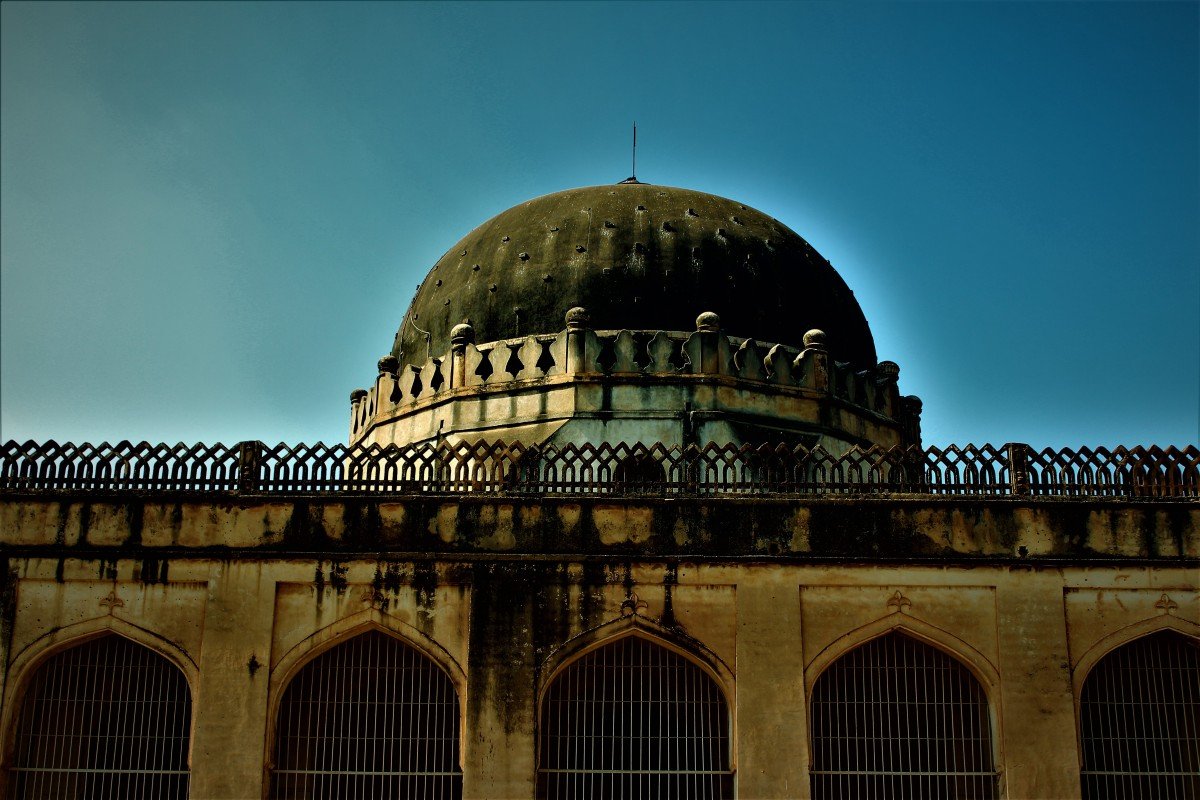
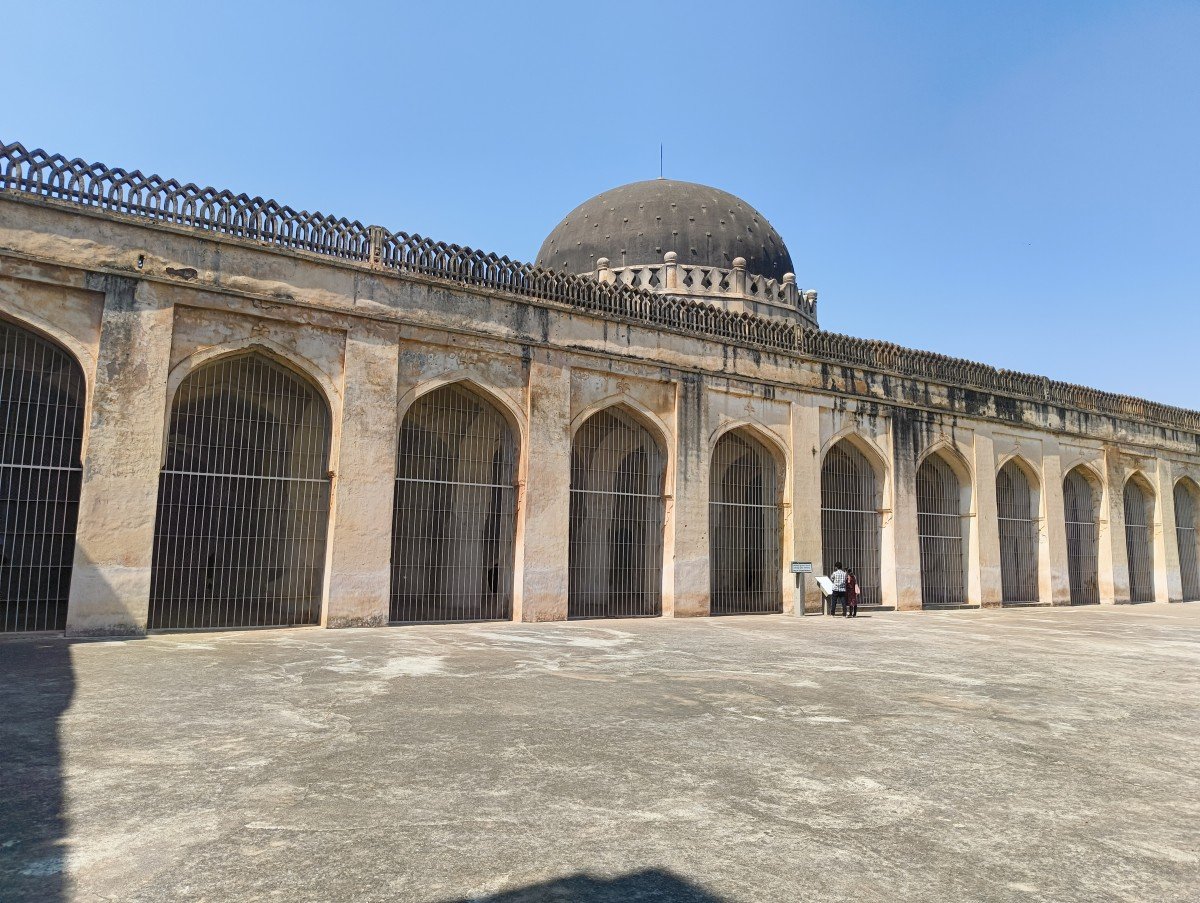
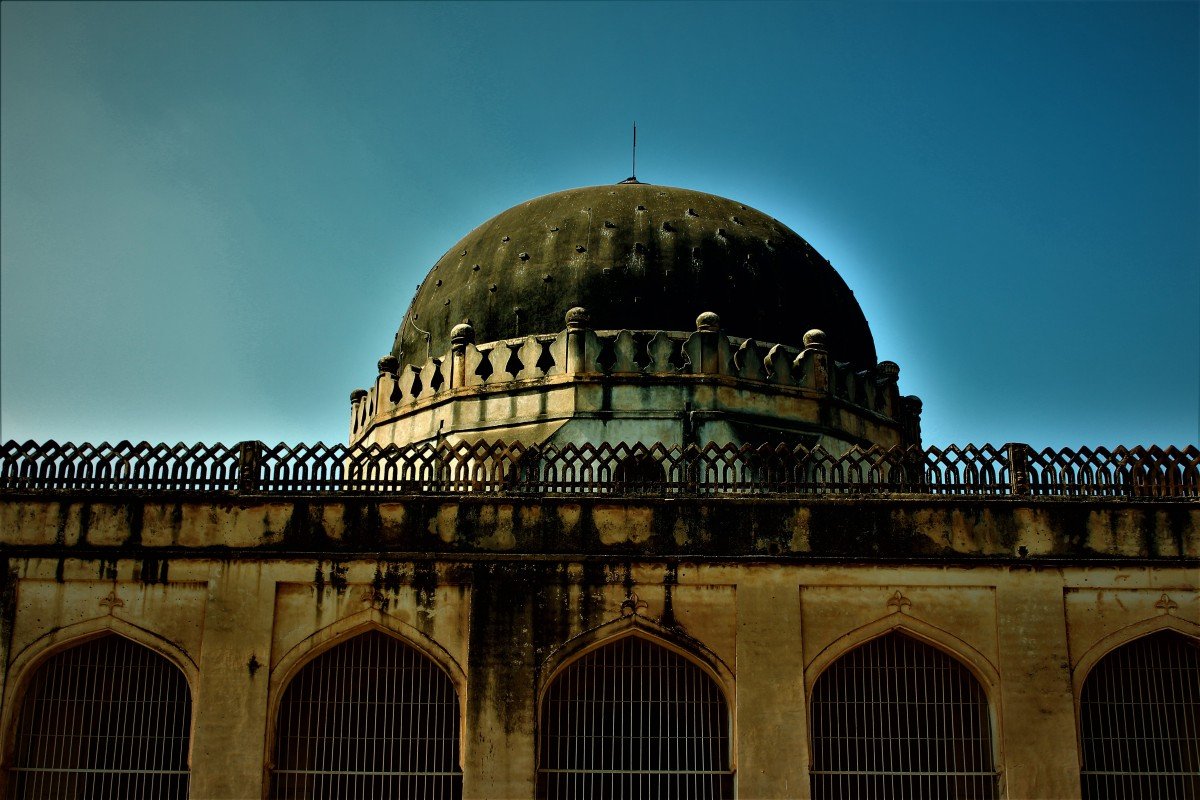
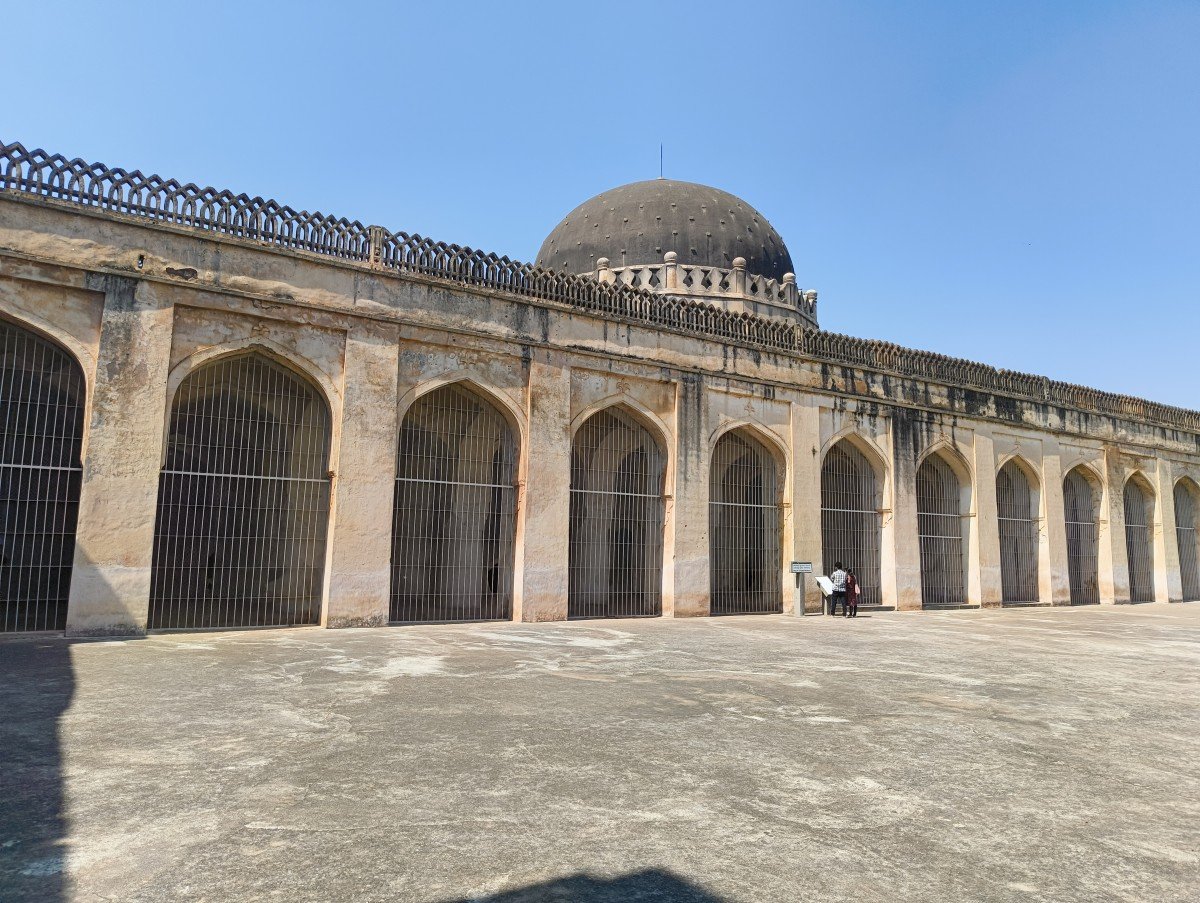
The Central Dome from the Courtyard: A classic shot capturing the majestic dome rising above the prayer hall.
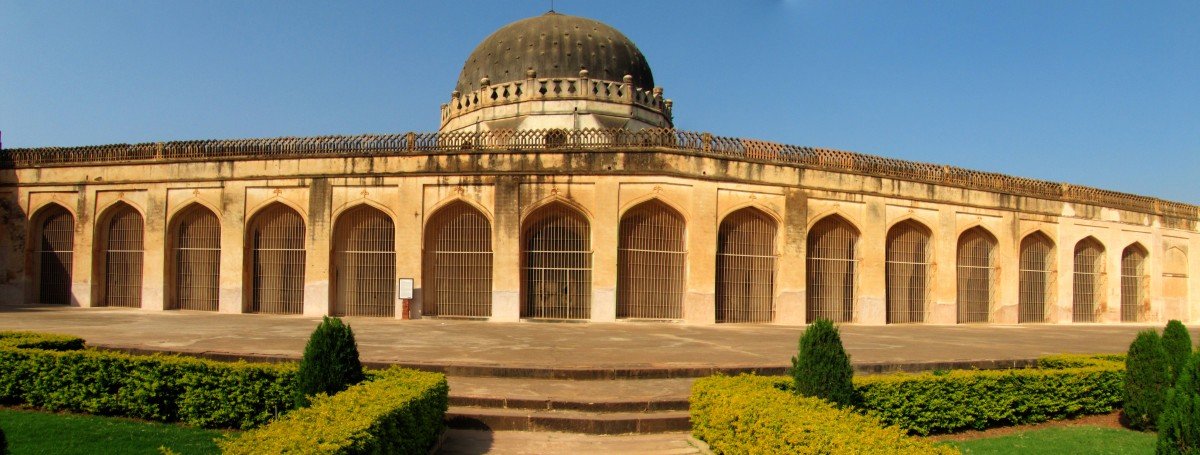
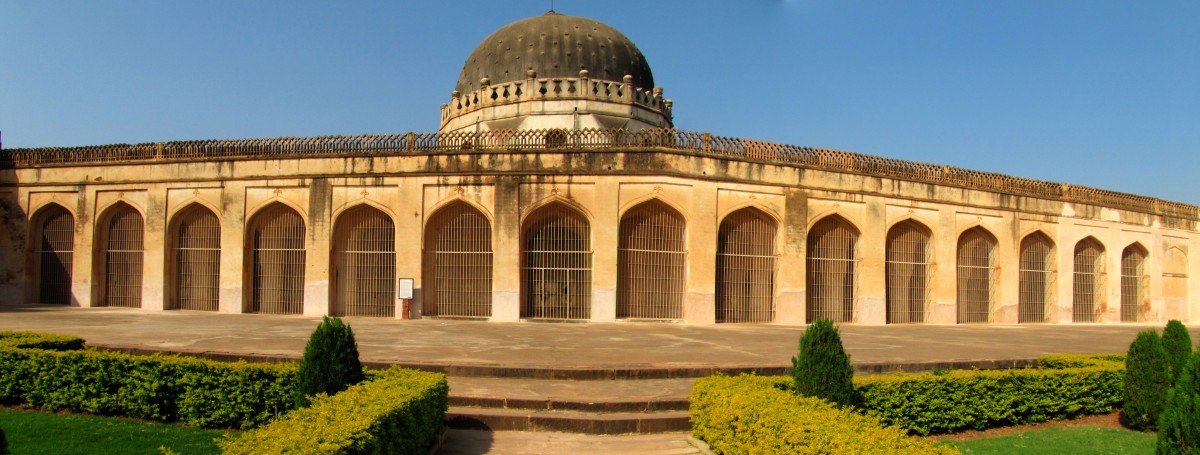
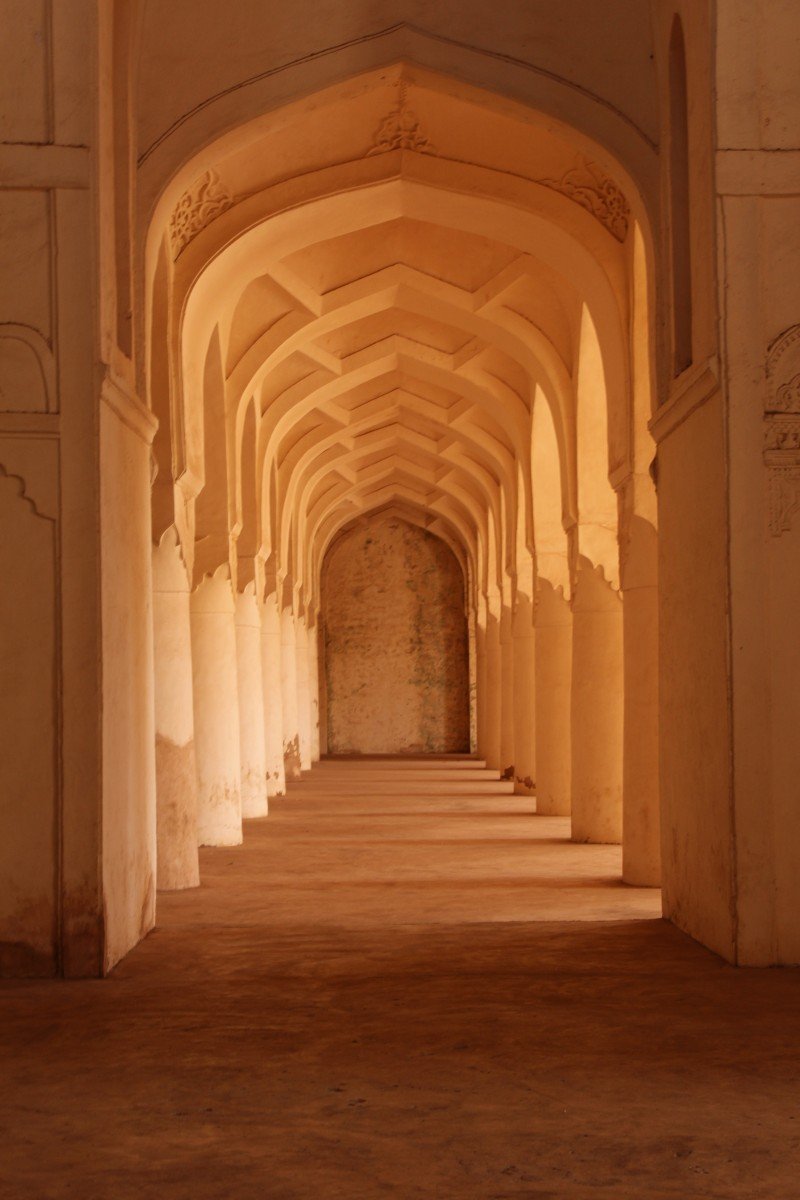
The Symmetrical Arches: A wide-angle view of the long, repeating arcade of arches along the main facade.
Read MoreThe Central Dome from the Courtyard: A classic shot capturing the majestic dome rising above the prayer hall.
The Symmetrical Arches: A wide-angle view of the long, repeating arcade of arches along the main facade.
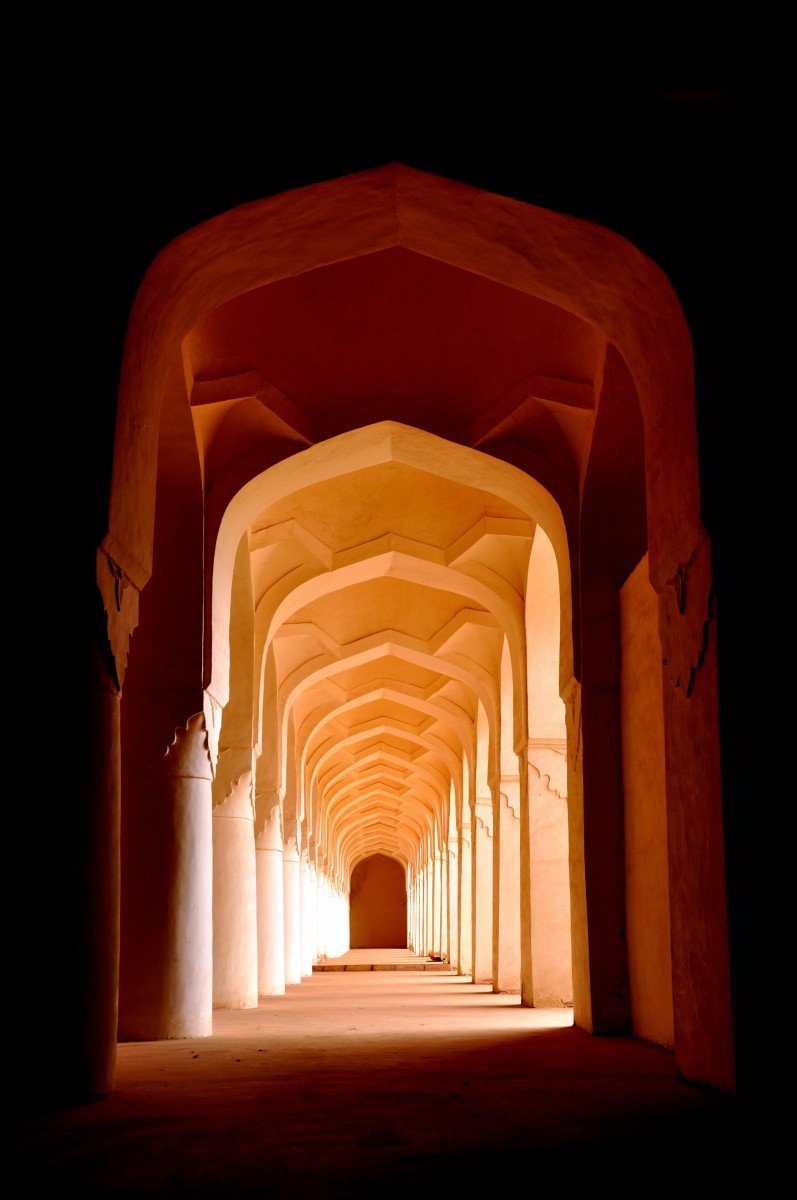
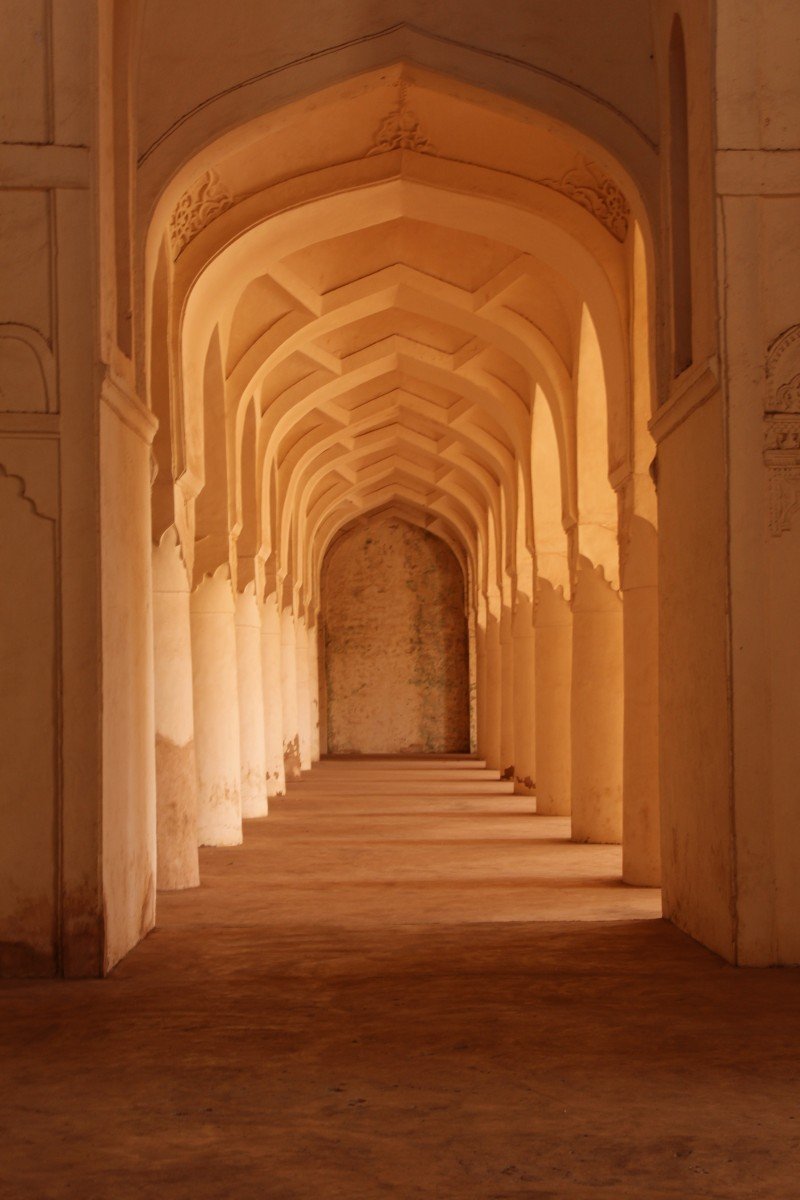
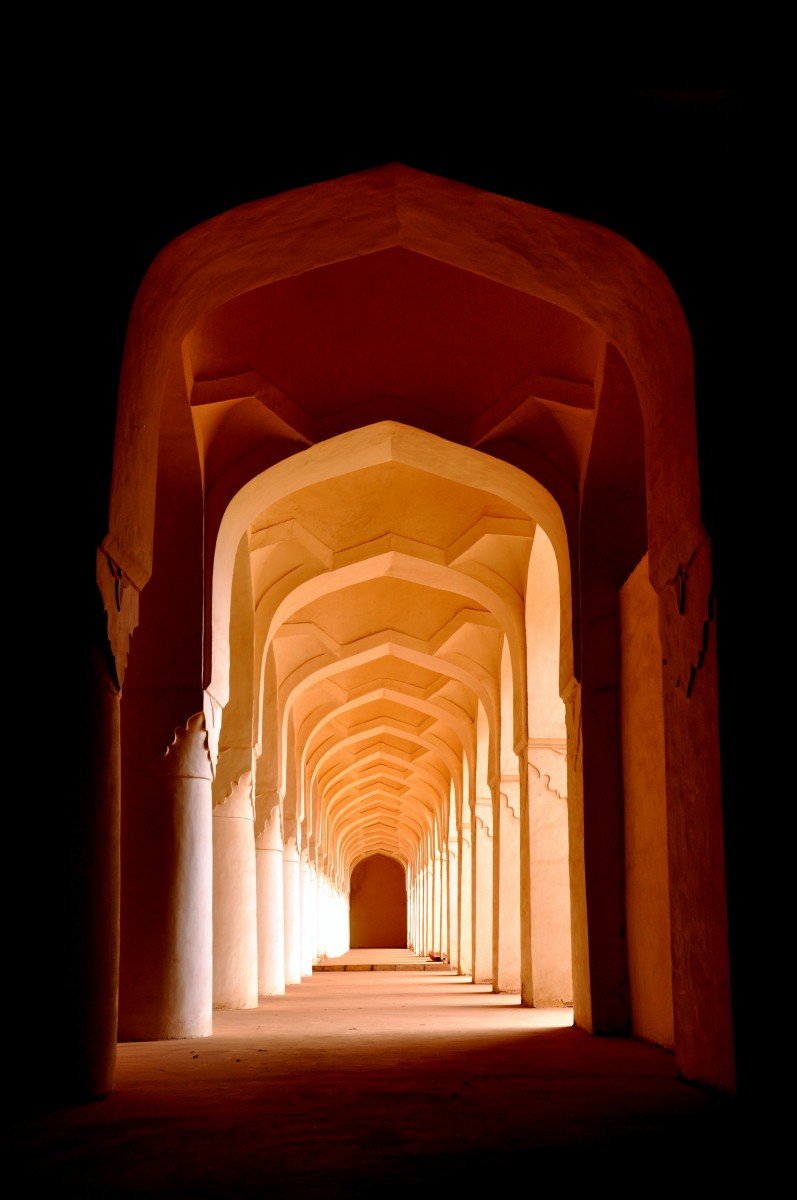
Interior Pillars and Light: Capturing the play of light and shadow on the massive central sixteen columns within the prayer hall, ideally in the morning.
The Perforated Screen-work (Jali): Close-up shots of the intricate geometrical patterns on the windows of the clerestory. (Approx.
):Photo Gallery
Things To Do
-
Photography of the Arches and Dome (): Capture the symmetry of the arcade and the majestic central dome, experimenting with angles to highlight the scale and the intricate perforated screen-work windows.
Quiet Contemplation and Reflection (): As a religious place, spend time in quiet reflection, observing the peaceful atmosphere within the vast prayer hall and courtyard.
Study Islamic Calligraphy and Stucco (): Examine the detailed stucco plasterwork and the traces of Quranic verses and floral motifs that once richly decorated the interior walls and niches.
Explore the Bidar Fort Complex (): The mosque is situated within the Bidar Fort. Combine your visit with nearby monuments like the Tarkash Mahal, Takht Mahal, and Rangeen Mahal, which are all within walking dist...Photography of the Arches and Dome (): Capture the symmetry of the arcade and the majestic central dome, experimenting with angles to highlight the scale and the intricate perforated screen-work windows.
Quiet Contemplation and Reflection (): As a religious place, spend time in quiet reflection, observing the peaceful atmosphere within the vast prayer hall and courtyard.
Study Islamic Calligraphy and Stucco (): Examine the detailed stucco plasterwork and the traces of Quranic verses and floral motifs that once richly decorated the interior walls and niches.
Explore the Bidar Fort Complex (): The mosque is situated within the Bidar Fort. Combine your visit with nearby monuments like the Tarkash Mahal, Takht Mahal, and Rangeen Mahal, which are all within walking distance.
Observe Local Worship (): If visiting outside of prayer times, observe the local faithful; however, be extremely respectful, silent, and non-intrusive, especially during prayer times (Namaz).
Learning about Deccani Architecture (): Spend time analyzing the blend of local and Persian influences in the mosque's construction, noting the heavy masonry and the distinct dome shape.
:
Information
-
Why Famous:
Largest and Oldest Mosque: It is famous for being one of the largest and oldest mosques in the Deccan region and served as the royal mosque (Jami Masjid) of the Bahmani Sultanate.
Architectural Masterpiece: The mosque is renowned for its impr...Largest and Oldest Mosque: It is famous for being one of the largest and oldest mosques in the Deccan region and served as the royal mosque (Jami Masjid) of the Bahmani Sultanate.
Architectural Masterpiece: The mosque is renowned for its impressive architectural style, particularly its grand central dome and the unique arrangement of the 'sixteen pillars' that give it its popular name, making it a key example of the second phase of Deccani architecture.
Aurangzeb's Connection: Its historical significance is cemented by the fact that Aurangzeb performed prayers here after conquering Bidar in the 17th century.
: -
Architecture:
Architectural Style and Design: The mosque showcases the Deccani style, characterized by its austere yet grand scale, massive columns, and a majestic central dome. It consists of a large prayer hall, divided into aisles by a multitude of massive circular columns.Architectural Style and Design: The mosque showcases the Deccani style, characterized by its austere yet grand scale, massive columns, and a majestic central dome. It consists of a large prayer hall, divided into aisles by a multitude of massive circular columns.
Dimension and Features: The prayer hall is a vast, open space. The roof is crowned by a magnificent dome, which is raised on a high clerestory featuring windows with intricate perforated screen-work in various geometrical patterns. The facade features a long arcade with imposing arches and a parapet with pleasing designs. The mosque's design emphasizes space and light. The columns are made of granite stone covered with a lime plaster. The vast courtyard adds to the overall spaciousness of the structure, reflecting its function as the primary mosque.
: -
How To Reach:
By Air: The closest major airport is Rajiv Gandhi International Airport (HYD) in Hyderabad (approx. 150 KMS). From there, hire a taxi or take a bus to Bidar.
By Train: Bidar Railway Station (BIDR) is the nearest railhead. The mosque is loc...By Air: The closest major airport is Rajiv Gandhi International Airport (HYD) in Hyderabad (approx. 150 KMS). From there, hire a taxi or take a bus to Bidar.
By Train: Bidar Railway Station (BIDR) is the nearest railhead. The mosque is located inside the Bidar Fort, accessible via a short auto-rickshaw ride (approx. 2-3 KMS) to the fort entrance.
By Road: Take a bus or drive from major cities like Hyderabad (approx. 4 hours), Latur, or Kalaburagi. The fort is a prominent landmark, and the mosque is well-signposted inside.
By Local Transport: From the main bus stand or railway station, an auto-rickshaw or local taxi can drop you at the fort's main entrance, from where the mosque is a short walk inside the complex.
: -
Weather and Best Time to Visit:
Different Types of Seasons: Winter (November to February) offers the most pleasant temperatures for walking around the fort complex. Monsoon season brings greenery to the fort grounds but can make walking slippery. Summer is harsh due to the open nature of the ruins.
<...Different Types of Seasons: Winter (November to February) offers the most pleasant temperatures for walking around the fort complex. Monsoon season brings greenery to the fort grounds but can make walking slippery. Summer is harsh due to the open nature of the ruins.
Different Parts of the Day: Morning is best for cooler weather and clearer light for photography. Avoid midday as the stone structures radiate heat.
: -
Near Tourist Places:
Takht Mahal (0. 5 KMS), Rangeen Mahal (0. 5 KMS), Hazar Kothri (0. 5 KMS), Tarkash Mahal (0. 5 KMS), Gagan Mahal (0. 5 KMS), Diwan-i-Aam (0. 5 KMS), Bidar Fort Museum (1 KMS), Chaubara Tower (2 KMS), Mahmud Gawan Madrasa (3 KMS), Barid Shahi Tombs (6 KMS).
Tourism Tips
-
Health & Safety: Wear appropriate and modest clothing as it is a religious site (covering shoulders and knees). Remove footwear before entering the prayer hall.
Packing: Carry water, especially for the walk inside the fort. A map of the for...Health & Safety: Wear appropriate and modest clothing as it is a religious site (covering shoulders and knees). Remove footwear before entering the prayer hall.
Packing: Carry water, especially for the walk inside the fort. A map of the fort complex will be very helpful.
Accommodation: Plenty of hotels are available in the main Bidar city area, suitable for a comfortable overnight stay.
Other Different Topics: Maintain silence and respect inside the mosque. Do not take photos during prayer times. Hire a local guide at the fort entrance to get detailed historical context for the entire complex.
:
Reviews
FAQs
Bidar Itineray And Cost:-
Solah Khamba Mosque Tourism:-
Other Places In Bidar :-
Other States In India :-
Information about New and Updated Locations() of Karnataka Has Been Added :-
Card subtitle
Note:-
Information provided here in good Faith and for reference only.
Near Places
Ahmad Shah Wali Bahman Tomb
Some quick example text to build on the card title and make up the bulk of the card's content.
Go somewhere
Anubhava Mantapa
Some quick example text to build on the card title and make up the bulk of the card's content.
Go somewhere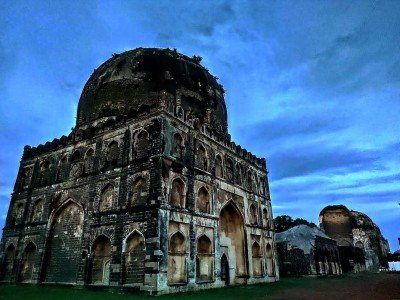
Bahmani Tombs
Some quick example text to build on the card title and make up the bulk of the card's content.
Go somewhere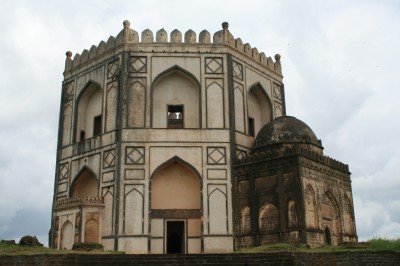
Barid Shahi Tombs
Some quick example text to build on the card title and make up the bulk of the card's content.
Go somewhere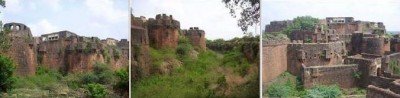
Basavakalyan Fort
Some quick example text to build on the card title and make up the bulk of the card's content.
Go somewhere
Basaveshwara Circle
Some quick example text to build on the card title and make up the bulk of the card's content.
Go somewhere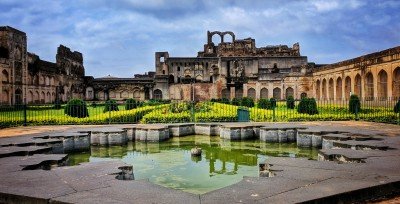
Bidar Fort
Some quick example text to build on the card title and make up the bulk of the card's content.
Go somewhere
Chaubara Tower
Some quick example text to build on the card title and make up the bulk of the card's content.
Go somewhere
Chaukhandi of Hazrat Khalil Ullah
Some quick example text to build on the card title and make up the bulk of the card's content.
Go somewhere
Dev Dev Vana
Some quick example text to build on the card title and make up the bulk of the card's content.
Go somewhere
Dulhan Darwaza
Some quick example text to build on the card title and make up the bulk of the card's content.
Go somewhere
Fateh Darwaza
Some quick example text to build on the card title and make up the bulk of the card's content.
Go somewhere
Gumbaz Darwaza
Some quick example text to build on the card title and make up the bulk of the card's content.
Go somewhere
Guru Nanak Jhira Sahib
Some quick example text to build on the card title and make up the bulk of the card's content.
Go somewhere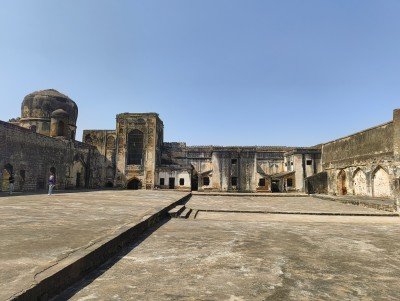
Hazar Kothari
Some quick example text to build on the card title and make up the bulk of the card's content.
Go somewhere
Karanja Dam
Some quick example text to build on the card title and make up the bulk of the card's content.
Go somewherein Other Cities