Valley of Flowers National Park
General information
-
Ideal Duration:
4-6 Hours (Inside the Valley) + 2 Days (Trek to Ghangaria)Place Type:
National Park, Ecology, Trekking, and Nature TouriEntry Fees:
Entry Fee and Permit: A mandatory entry permit must be obtained from the Forest Department office in Govindghat or Ghangaria. The fee is approximately INR 150 per person for Indian nationals and INR 650 for foreign nationals. This permit is valid for 3 days.Entry Fee and Permit: A mandatory entry permit must be obtained from the Forest Department office in Govindghat or Ghangaria. The fee is approximately INR 150 per person for Indian nationals and INR 650 for foreign nationals. This permit is valid for 3 days.
Camping Fee (Prohibited): Camping inside the Valley of Flowers is strictly prohibited to preserve the delicate ecosystem. Accommodation is only allowed at the base camp, Ghangaria. The fees paid are strictly for entry and conservation, and there is a fine for attempting to camp inside.
Camera Fee (Nominal): A nominal fee is usually charged for carrying a camera (still or video) inside the National Park, typically around INR 50 for a still camera and INR 500 for a video camera, which is required to be paid at the permit counter. Ensure to keep the permit slip with you at all times. :Timing:
Regular Timings: The Valley of Flowers National Park is open daily from 6:00 AM to 5:00 PM, but the last entry into the valley is allowed until 3:00 PM. Visitors must exit the valley by 5:00 PM and return to Ghangaria. The park is closed to all visitors from late October t...Regular Timings: The Valley of Flowers National Park is open daily from 6:00 AM to 5:00 PM, but the last entry into the valley is allowed until 3:00 PM. Visitors must exit the valley by 5:00 PM and return to Ghangaria. The park is closed to all visitors from late October to late May due to heavy snowfall.
Ideal Visit Time: The ideal time to enter the valley is as early as possible (6:00 AM) to enjoy the morning light, see the flowers at their freshest, and maximize the chances of spotting wildlife. The best time for flower bloom is late July to mid-August.
Ghangaria Trek Timings: The trek from Govindghat to Ghangaria takes about 5-7 hours and should start by 7:00 AM to ensure a safe arrival and check-in before evening. The path from Ghangaria to the valley takes about 1. 5-2 hours each way. :Special Events:
Flower Show and Bloom Celebration: The main "event" is the peak blooming season itself, particularly from late July to mid-August, when the valley is at its most colorful and visitors flock to witness the natural phenomenon. The Forest Department may organize small, non-int...Flower Show and Bloom Celebration: The main "event" is the peak blooming season itself, particularly from late July to mid-August, when the valley is at its most colorful and visitors flock to witness the natural phenomenon. The Forest Department may organize small, non-intrusive talks or guided walks during this time to educate visitors on the flora.
Hemkund Sahib Yatra Peak: The pilgrimage season for Hemkund Sahib (which shares the same base camp, Ghangaria) from late May to October is a continuous major event. The sight of thousands of Sikh pilgrims on the Govindghat to Ghangaria trail, chanting and walking with great fervor, is a powerful, inspiring, and special cultural experience that visitors to the Valley of Flowers share.
Opening and Closing of the Gates: The official opening (usually June 1st) and closing (usually October 31st) of the National Park gates are minor special events, often marked by a small ceremony or gathering by the Forest Department and local guides, signifying the start and end of the visitor season. :Best Photo Spots:
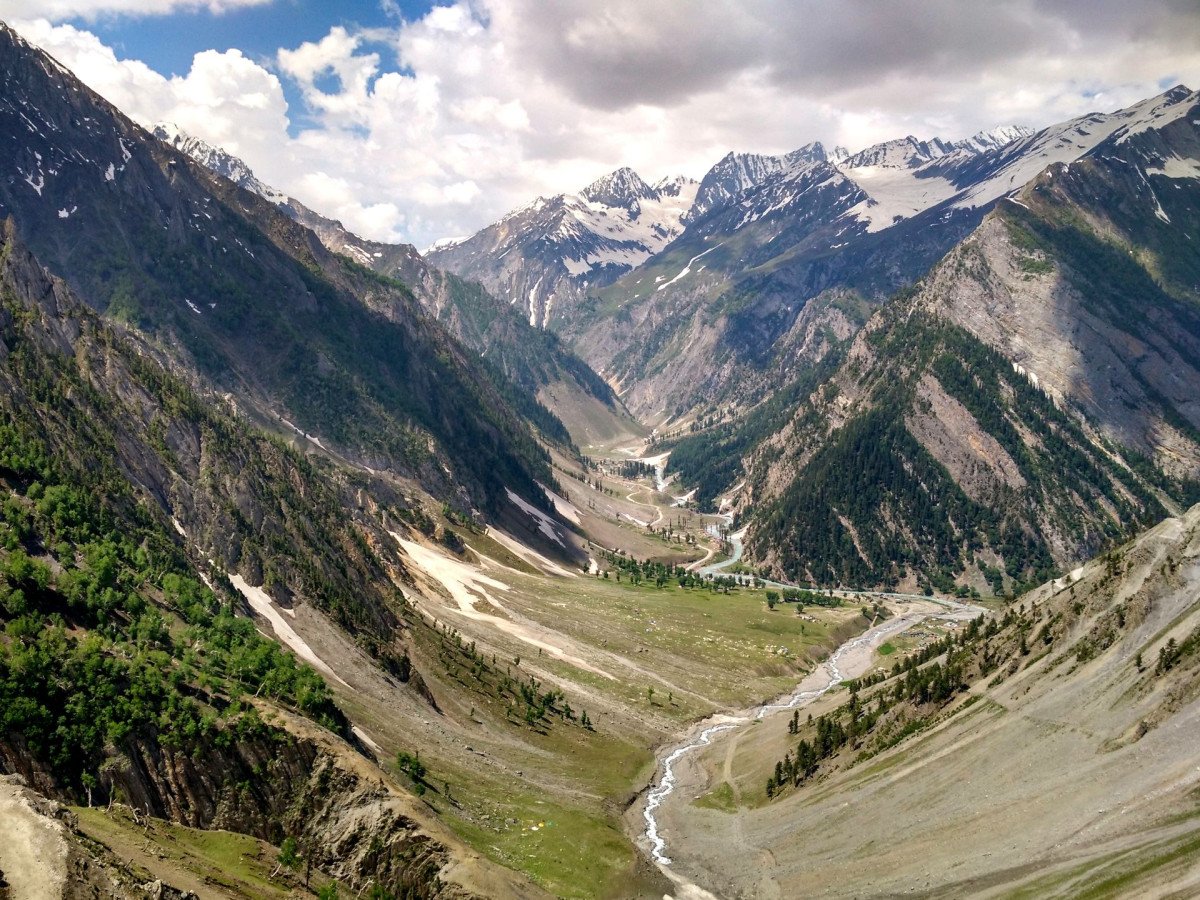
The Valley Floor Panorama: The absolute best spot is the center of the valley, capturing a wide, sweeping panorama of the flower carpet with the towering, snow-dusted mountains closing in on all sides, symbolizing the valley's protected, unique bowl shape.
Read MoreThe Valley Floor Panorama: The absolute best spot is the center of the valley, capturing a wide, sweeping panorama of the flower carpet with the towering, snow-dusted mountains closing in on all sides, symbolizing the valley's protected, unique bowl shape.
Macro Photography of Rare Flowers: Focusing a camera close-up on the endemic and rare species like the Blue Poppy or Brahma Kamal, capturing the intricate detail and delicate beauty of the individual plants, which provides a unique, intimate perspective.
The Wooden Bridge Crossing: The small wooden bridges over the Pushpawati River offer an excellent framing device, capturing the rushing blue water and the colorful valley beyond, which adds a sense of movement and adventure.
The Pushpawati Gorge View: A slightly more elevated spot inside the valley that captures the view back down the valley towards the Bhyundar Valley exit, showcasing the river winding its way out and the scale of the massive cliffs that define the area. :Photo Gallery
Things To Do
-
Flower Observation and Identification: Spend time walking slowly through the valley, using a field guide to identify the hundreds of species of alpine flowers, such as the Blue Poppy, Primulas, Marigold, and Brahma Kamal (the sacred flower).
Wildlife Spotting and Birdwatching: Rise early and walk quietly to maximize chances of spotting high-altitude wildlife, including the Bharal (Blue Sheep), Red Fox, and various pheasants like the Himalayan Monal. Carry binoculars for better viewing.
Photography of the Vast Meadows: Capture the expansive landscape, focusing on the changing colors of the valley floor throughout the day, ensuring to capture the towering mountain backdrop and the Pushpawati River flowing through the meadow.
Trekking to Ghangaria: The trek from Go...Flower Observation and Identification: Spend time walking slowly through the valley, using a field guide to identify the hundreds of species of alpine flowers, such as the Blue Poppy, Primulas, Marigold, and Brahma Kamal (the sacred flower).
Wildlife Spotting and Birdwatching: Rise early and walk quietly to maximize chances of spotting high-altitude wildlife, including the Bharal (Blue Sheep), Red Fox, and various pheasants like the Himalayan Monal. Carry binoculars for better viewing.
Photography of the Vast Meadows: Capture the expansive landscape, focusing on the changing colors of the valley floor throughout the day, ensuring to capture the towering mountain backdrop and the Pushpawati River flowing through the meadow.
Trekking to Ghangaria: The trek from Govindghat to Ghangaria (the base camp) is a pilgrimage in itself. The 13 KMS trek involves crossing small bridges and following the Bhyundar Ganga (a tributary of the Alaknanda).
Heel of Frank Smythe's Memorial: Look for the small, simple memorial stone dedicated to Margaret Legge, a botanist who fell to her death while exploring the valley in 1939, a quiet tribute to the valley's history and a moment for respectful reflection.
Painting or Sketching Nature: For artists, this is an unparalleled location to set up an easel and capture the unique natural beauty of the valley's flora and the surrounding majestic peaks, using the scenery as a subject for artistic expression.
Acclimatization and Rest: The trek and altitude can be demanding. Ensure enough time is spent resting and acclimatizing in Ghangaria to safely enjoy the walk inside the valley the next day. :
Information
-
Why Famous:
The Endemic Alpine Flora Display: Its primary fame comes from the sheer density and diversity of alpine flowers, many of which are endemic (found only in this region). The valley floor transforms into a spectacular, ever-changing carpet of colors from July to September, a n...The Endemic Alpine Flora Display: Its primary fame comes from the sheer density and diversity of alpine flowers, many of which are endemic (found only in this region). The valley floor transforms into a spectacular, ever-changing carpet of colors from July to September, a natural spectacle unmatched anywhere else in India.
UNESCO World Heritage Status: This prestigious recognition, shared with the adjacent Nanda Devi National Park, confirms its global importance for biodiversity conservation and its outstanding natural beauty, solidifying its fame as a protected, premier ecological site.
Frank Smythe's Discovery: The tale of the valley's "rediscovery" in 1931 by the British mountaineer and botanist Frank S. Smythe after a successful Kamet expedition, and his subsequent book, brought the valley to international attention, lending a romantic, adventurous history to the place.
The Hemkund Sahib Connection: The valley's base camp, Ghangaria, is also the base for the important Sikh and Hindu pilgrimage site of Hemkund Sahib. This dual pilgrimage and natural attraction makes the area a hub for both religious and nature tourism, with many visitors combining both treks. : -
Architecture:
The Natural Cathedral of the Valley: The architecture of the Valley of Flowers is entirely defined by its unique geomorphology.
Dimension: The valley stretches over an area of 87. 5 square kilometers, is approximately 8 KMS long, and is arou...The Natural Cathedral of the Valley: The architecture of the Valley of Flowers is entirely defined by its unique geomorphology.
Dimension: The valley stretches over an area of 87. 5 square kilometers, is approximately 8 KMS long, and is around 2 KMS wide. It sits at an elevation range of 3,352 to 3,658 meters above sea level.
Geological Structure: It is a classic U-shaped glacial valley, carved out by ancient glaciers, resulting in a flat valley floor perfect for the formation of the vast meadows. The high, rugged mountains surrounding it form a natural, impenetrable wall, creating a micro-climate that shelters the delicate alpine flora and fauna.
Flora as Decoration: The natural "architecture" is the dense, complex pattern created by the millions of flowers, which changes daily as new species bloom and others fade, constantly redrawing the floor with different color palettes.
Man-made Structures: The Park strictly prohibits permanent human settlements and structures. The only man-made element is the well-maintained trekking trail and a small wooden bridge or two. Accommodation is strictly limited to Ghangaria, the base village, which features basic local stone-and-wood structures. The focus is entirely on preserving the natural integrity, making the pristine, untouched environment its most crucial architectural element. : -
How To Reach:
By Air and Train:
The journey is to reach Joshimath first: Jolly Grant Airport (Dehradun - 270 KMS) or Rishikesh Railway Station (256 KMS).
By Road (Joshimath to Govindghat): From Joshimath, take a taxi or bu...By Air and Train:
The journey is to reach Joshimath first: Jolly Grant Airport (Dehradun - 270 KMS) or Rishikesh Railway Station (256 KMS).
By Road (Joshimath to Govindghat): From Joshimath, take a taxi or bus on NH7 to Govindghat, which is the road-head and the starting point for the trek, approximately 18-20 KMS away (a 1-hour drive). Regular bus and shared jeep services are available.
By Trek (Govindghat to Ghangaria): The main journey begins with a challenging 13 KMS trek from Govindghat to the base camp, Ghangaria. The path is well-marked and is part of the Hemkund Sahib Yatra route. Ponies, mules, and helicopter services (usually to Govindghat) are also available for parts of the journey for those who cannot trek.
By Foot (Ghangaria to Valley): From Ghangaria, the final 3 KMS trek to the entrance of the Valley of Flowers must be done on foot. No ponies or mules are allowed beyond the park entrance gate to protect the delicate ecosystem, which requires a 1. 5-2 hour walk. : -
Weather and Best Time to Visit:
Different Types of Seasons: Monsoon (Late July to Mid-August) is the absolute best time for the most spectacular flower bloom, despite the rain. The entire valley is blanketed in color. Pre-Monsoon (June) sees fewer flowers but is good for the trek. Autumn (September) see...Different Types of Seasons: Monsoon (Late July to Mid-August) is the absolute best time for the most spectacular flower bloom, despite the rain. The entire valley is blanketed in color. Pre-Monsoon (June) sees fewer flowers but is good for the trek. Autumn (September) sees a different palette of flowers, with the golden-yellows dominating, offering very clear weather but slightly fewer flowers than the peak monsoon. The park is Closed outside of these times.
Different Parts of the Day: Early Morning is the best time to enter the valley (6:00 AM) to catch the best light for photography, see the flowers at their most vibrant, and maximize the time inside, ensuring you leave by the 5:00 PM deadline. : -
Near Tourist Places:
Ghangaria (3 KMS - Base Camp): Hemkund Sahib (6 KMS - Trek from Ghangaria) - High-altitude pilgrimage lake: Govindghat (18 KMS Drive from Joshimath) - Road-head: Badrinath Temple (40 KMS from Govindghat) - Char Dham site:
Joshimath Town (34 KMS) - Main base town:
Tapovan (50 KMS):
Vishnuprayag (30 KMS):
Auli (45 KMS):
Vridha Badri (54 KMS): Mana Village (50 KMS from Govindghat) - Last village before Tibet border:
Tourism Tips
-
Health and Safety in High Altitude: The altitude is high, so acclimatization in Ghangaria is essential. Walk slowly, breathe deeply, and stay well-hydrated. Carry altitude sickness medication. The trek from Govindghat is challenging, so moderate fitness is required.
<...Health and Safety in High Altitude: The altitude is high, so acclimatization in Ghangaria is essential. Walk slowly, breathe deeply, and stay well-hydrated. Carry altitude sickness medication. The trek from Govindghat is challenging, so moderate fitness is required.
Packing Tips for the Monsoon: Essential packing includes waterproof and windproof jackets and trousers, a waterproof cover for your backpack, a rain cover for your camera, and strong, waterproof trekking boots with ankle support. A lightweight magnifying glass can enhance the experience of flower observation.
Accommodation and Logistics: Accommodation is only available at Ghangaria (hotels, guesthouses, and a Gurudwara Sarai). Booking is essential during the peak blooming season (late July to August). Joshimath to Govindghat has decent mobile connectivity; Ghangaria has limited, intermittent network, and the valley itself has NO mobile network.
Strict Ecological Rules: Do not pluck flowers, walk off the main path, litter, or carry any plastic waste inside. Follow all National Park rules strictly. Smoking and drinking alcohol are prohibited in the valley. Silence is requested to respect the environment and increase chances of wildlife sighting. :
Reviews
FAQs
Joshimath Itineray And Cost:-
Valley of Flowers National Park Tourism:-
Other Places In Joshimath :-
Other States In India :-
Information about New and Updated Locations() of Uttarakhand Has Been Added :-
Card subtitle
Note:-
Information provided here in good Faith and for reference only.
Near Places

Acha Bacha Waterfall
Some quick example text to build on the card title and make up the bulk of the card's content.
Go somewhere
Auli Cable Car
Some quick example text to build on the card title and make up the bulk of the card's content.
Go somewhere
Auli
Some quick example text to build on the card title and make up the bulk of the card's content.
Go somewhere
Auli Ropeway
Some quick example text to build on the card title and make up the bulk of the card's content.
Go somewhere
Badrinath Temple
Some quick example text to build on the card title and make up the bulk of the card's content.
Go somewhere
Bhavishya Badri Temple
Some quick example text to build on the card title and make up the bulk of the card's content.
Go somewhere
Bhavishya Kedar Temple
Some quick example text to build on the card title and make up the bulk of the card's content.
Go somewhere
Bhyundar Ganga River
Some quick example text to build on the card title and make up the bulk of the card's content.
Go somewhere
Bhyundar Valley
Some quick example text to build on the card title and make up the bulk of the card's content.
Go somewhere
Chenab Lake
Some quick example text to build on the card title and make up the bulk of the card's content.
Go somewhere
Dhak Village
Some quick example text to build on the card title and make up the bulk of the card's content.
Go somewhere
Gari Bhawani Temple
Some quick example text to build on the card title and make up the bulk of the card's content.
Go somewhere
Ghangaria
Some quick example text to build on the card title and make up the bulk of the card's content.
Go somewhere
Govindghat
Some quick example text to build on the card title and make up the bulk of the card's content.
Go somewhere
Helang Village
Some quick example text to build on the card title and make up the bulk of the card's content.
Go somewhere
Hemkund Sahib
Some quick example text to build on the card title and make up the bulk of the card's content.
Go somewherein Other Cities