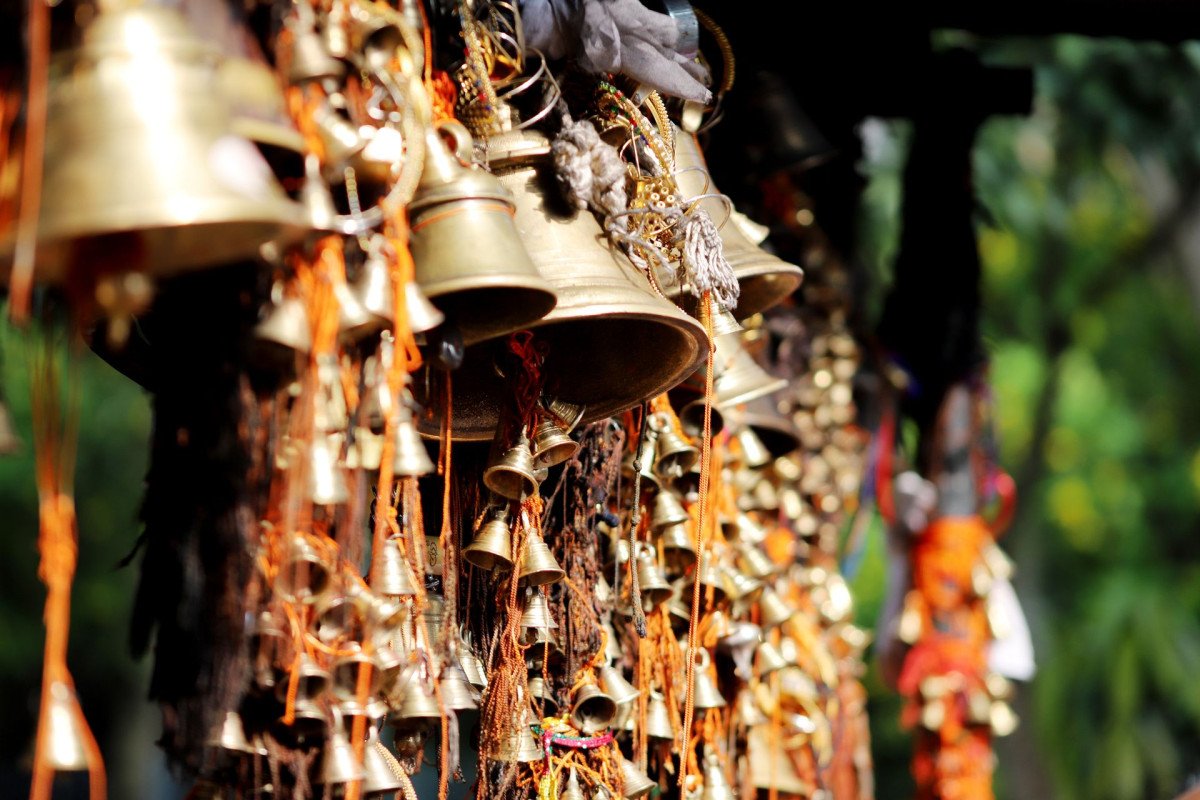
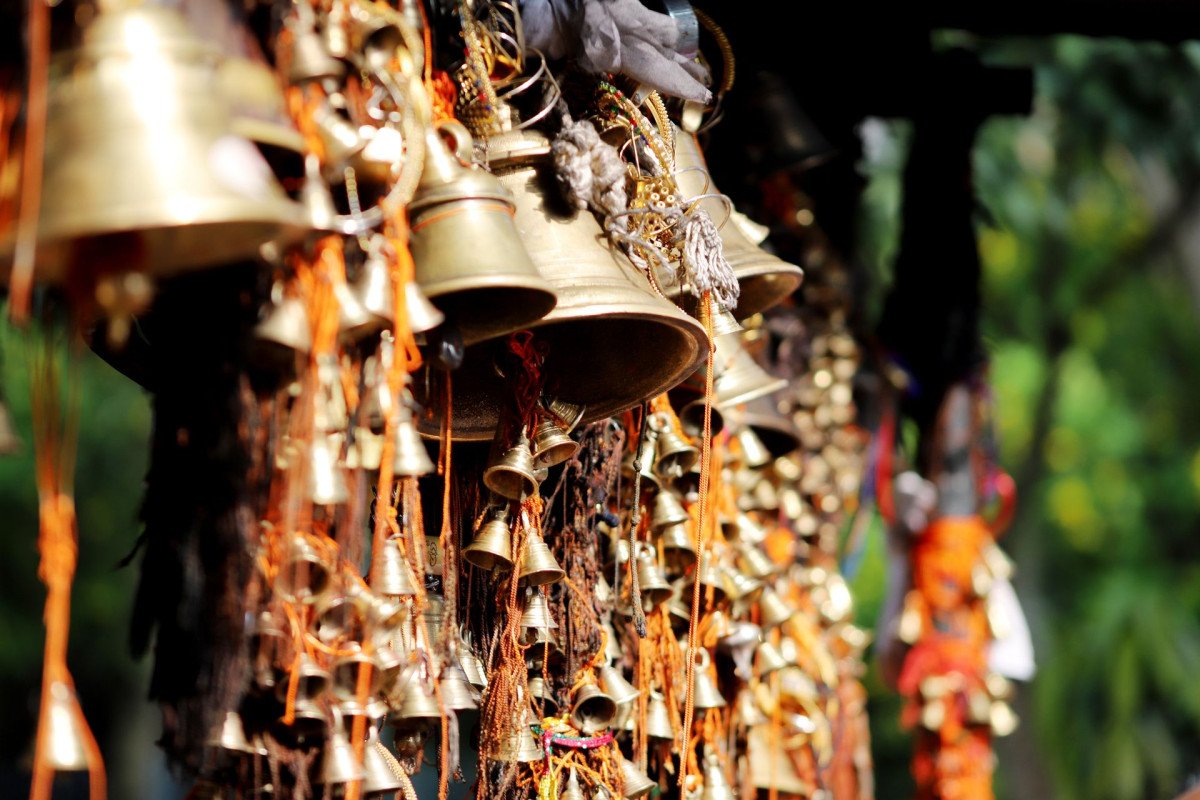
Vridha Badri Temple
General information
-
Ideal Duration:
1 Hour (For Darshan and Village Visit)Place Type:
Pilgrimage, Religious, and Ancient Temple SiteEntry Fees:
No Entry Fee and Year-Round Access: There is generally No Entry Fee to the Vridha Badri Temple. Its perpetual openness for worship reflects the ethos of the pilgrimage circuit, making it accessible to all, irrespective of financial status.
Pooj...No Entry Fee and Year-Round Access: There is generally No Entry Fee to the Vridha Badri Temple. Its perpetual openness for worship reflects the ethos of the pilgrimage circuit, making it accessible to all, irrespective of financial status.
Pooja and Donation Protocol: Personal Pooja or ritual requests should be addressed to the temple priest, and a voluntary donation (Dakshina) is expected for the upkeep of the temple, which is a common practice at all pilgrimage sites in India. This is not a compulsory fee but a traditional contribution.
Local Transport Fares: The primary cost is the nominal local taxi or shared jeep fare from Joshimath to Animath village (approximately INR 50-100 per person for a shared jeep), which is a small expense for a day trip. :Timing:
Regular Timings: The temple is typically open from 5:00 AM to 9:00 PM and is Open All Year, which is its most distinctive timing feature. The inner sanctum may close briefly for midday Bhog (offering) between 1:00 PM and 4:00 PM, so check locally before visiting during this...Regular Timings: The temple is typically open from 5:00 AM to 9:00 PM and is Open All Year, which is its most distinctive timing feature. The inner sanctum may close briefly for midday Bhog (offering) between 1:00 PM and 4:00 PM, so check locally before visiting during this period.
Ideal Visit Time: Early Morning (5:00 AM - 8:00 AM) is the best time for worship, when the morning Aarti is performed, and the atmosphere is most serene and quiet. This allows for a smooth visit and return to Joshimath before midday.
Continuous Worship: Since it is open year-round, it is an essential site to visit during the winter months (November to April) when other major temples in the region are closed, offering a unique opportunity for continuous devotion. :Special Events:
The Janmashtami Celebration: The festival celebrating the birth of Lord Krishna (an avatar of Lord Vishnu) is celebrated with great devotion at Vridha Badri. The temple is brightly decorated, and special night-long Pooja and Bhajans (devotional songs) are held, culminating ...The Janmashtami Celebration: The festival celebrating the birth of Lord Krishna (an avatar of Lord Vishnu) is celebrated with great devotion at Vridha Badri. The temple is brightly decorated, and special night-long Pooja and Bhajans (devotional songs) are held, culminating in the birth ceremony at midnight, drawing a large number of local and visiting devotees.
Vishuva Sankranti Pooja: The traditional Hindu solar new year day (April) is celebrated with special rituals. This event is a great time to witness local customs, as the change of the year is marked by special offerings to the deity for prosperity in the coming agricultural season, reflecting the deep connection between the temple and local farming life.
Deepawali Pooja: The festival of lights is celebrated with simplicity and devotion, with the entire temple and village illuminated with traditional oil lamps (Diyas), creating a warm, spiritual glow that enhances the temple's ancient beauty in the cold mountain air. :Best Photo Spots:
The Temple Against the Village: A shot capturing the simple, traditional stone temple with the backdrop of the classic Garhwali village houses and terraced fields, emphasizing the integration of faith and local life.
The Vridha Vishnu Idol (If p...The Temple Against the Village: A shot capturing the simple, traditional stone temple with the backdrop of the classic Garhwali village houses and terraced fields, emphasizing the integration of faith and local life.
The Vridha Vishnu Idol (If permitted): A respectful photo of the Utsav Murti (processional idol) or the surroundings of the inner sanctum, focusing on the simplicity and age of the religious artifacts, but strictly ensuring the main idol is not photographed unless explicitly allowed.
The Sunlight on the Slated Roof: A photograph of the temple's sloping, slated roof, with the morning or afternoon sun creating a sharp contrast between the texture of the stone/slate and the deep shadows, highlighting the architectural adaptation to the mountain weather.
The Village Life Portrait: A candid photo of the temple priest, a local woman in traditional attire, or an elderly village man near the temple, capturing the human element of the ancient pilgrimage site. :Photo Gallery
Things To Do
-
Seeking Darshan of Vridha Vishnu: The primary activity is to visit the inner sanctum to seek the blessings of Lord Vishnu in his elderly, sage-like form, which symbolizes wisdom and patience.
Meditation and Contemplation: Given the temple's quiet, secluded village location, it is an excellent place to sit peacefully and meditate, drawing on the energy of Sage Narada's ancient penance.
Exploring Animath Village: Take a slow walk through the ancient Animath village, observing the local architecture, terraced fields, and the simple lifestyle of the Garhwali mountain people, offering a cultural immersion experience.
Completing the Sapt Badri Circuit: For serious pilgrims, a visit here is essential to officially check off the Vridha Badri section of the full Sapt Badr...Seeking Darshan of Vridha Vishnu: The primary activity is to visit the inner sanctum to seek the blessings of Lord Vishnu in his elderly, sage-like form, which symbolizes wisdom and patience.
Meditation and Contemplation: Given the temple's quiet, secluded village location, it is an excellent place to sit peacefully and meditate, drawing on the energy of Sage Narada's ancient penance.
Exploring Animath Village: Take a slow walk through the ancient Animath village, observing the local architecture, terraced fields, and the simple lifestyle of the Garhwali mountain people, offering a cultural immersion experience.
Completing the Sapt Badri Circuit: For serious pilgrims, a visit here is essential to officially check off the Vridha Badri section of the full Sapt Badri pilgrimage, often combining it with a drive to nearby Dhyan Badri.
Photography of the Rustic Setting: Capture the simple, traditional stone temple against the backdrop of the lush green village and the distant, rugged mountains, focusing on the authentic mountain religious architecture and the tranquil atmosphere.
Interacting with the Priest: Take time to respectfully talk to the temple priest, who can share detailed legends, histories, and local folklore about the temple and the significance of the Badri tradition, enriching the entire visit. :
Information
-
Why Famous:
The All-Season Temple (Year-Round Darshan): Vridha Badri is famous for being one of the few significant temples in the region, and the only one of the Panch Badri, that remains open all year, even when the main Badrinath temple and its winter seat (Narsingh Temple) are often...The All-Season Temple (Year-Round Darshan): Vridha Badri is famous for being one of the few significant temples in the region, and the only one of the Panch Badri, that remains open all year, even when the main Badrinath temple and its winter seat (Narsingh Temple) are often inaccessible or closed. This makes it a unique refuge for continuous worship and a key destination for pilgrims traveling outside the main season.
The Original Seat of Badrinath: It is revered as the Vriddha (Elderly) form of Lord Vishnu, making it mythologically famous as the original, first place of worship in the Badri circuit before the main Badrinath shrine was established. This "first" status lends it a deep sense of antiquity and spiritual seniority.
Legend of Sage Narada's Penance: The temple is famously associated with the great sage Narada, whose penance is said to have prompted Lord Vishnu's elderly manifestation here, grounding its fame in a classic, profound Hindu mythological event and emphasizing the importance of devotion.
Part of the Sapt Badri Circuit: As one of the Sapt Badri (Seven Badri) temples, it is an essential stop for pilgrims undertaking the entire extended Badri Yatra, drawing spiritual seekers interested in the full spectrum of Lord Vishnu's worship in the Himalayas. : -
Architecture:
Modest Himalayan Kedar-Style Architecture: The architecture of the Vridha Badri Temple is characterized by its small scale, simplicity, and traditional Himalayan temple design, a style often referred to as the Kedar style.
Dimension: It is o...Modest Himalayan Kedar-Style Architecture: The architecture of the Vridha Badri Temple is characterized by its small scale, simplicity, and traditional Himalayan temple design, a style often referred to as the Kedar style.
Dimension: It is one of the smaller temples in the Badri circuit, a modest structure well-suited for its quiet village setting. The central idol of Lord Vishnu in the elderly form is the focal point, housed in a small, consecrated sanctum.
Material and Construction: The structure is primarily built using local, rough-hewn stone blocks and thick wooden beams. The construction is solid and designed to withstand the cold and heavy rainfall of the region, emphasizing functionality and durability over elaborate decoration.
Roof Style: It typically features a sloping roof, often clad in slate, which is essential for managing the monsoon rain and snow runoff, a common feature in most mountain temples.
Interior and Idol: The interior is simple and dark, enhancing the spiritual focus on the idol. The idol, though a black stone image, is believed to have been carved by the divine architect, giving it an ancient, powerful spiritual charge that transcends its simple setting. : -
How To Reach:
By Air, Train, and Road:
Travel to Joshimath is the base: Jolly Grant Airport (Dehradun - 270 KMS) or Rishikesh Railway Station (256 KMS), followed by the long road journey on NH7.
By Road (Joshimath to Animath):...By Air, Train, and Road:
Travel to Joshimath is the base: Jolly Grant Airport (Dehradun - 270 KMS) or Rishikesh Railway Station (256 KMS), followed by the long road journey on NH7.
By Road (Joshimath to Animath): Vridha Badri is located in Animath village, approximately 7 KMS from Joshimath. This is a short, easy drive on the main road towards Helang. Frequent local shared taxis (Jeeps) and private taxis ply this route, taking about 15-20 minutes.
By Foot (Final Approach): The temple is situated slightly off the main road within Animath village, often requiring a short, easy walk from the drop-off point, which is simple and suitable for all age groups.
Connectivity Note: The road is part of a major corridor, making local transport easy to secure, but always confirm the return trip with the driver as shared transport may be less frequent in the late evening. : -
Weather and Best Time to Visit:
Different Types of Seasons: Summer (May to June) and Autumn (September to November) are the most pleasant times for an easy visit and road travel, with clear weather and comfortable temperatures. Winter (December to March) is an excellent time for those seeking a quiet, pea...Different Types of Seasons: Summer (May to June) and Autumn (September to November) are the most pleasant times for an easy visit and road travel, with clear weather and comfortable temperatures. Winter (December to March) is an excellent time for those seeking a quiet, peaceful pilgrimage as the temple remains open, offering a unique, cold-weather worship experience. Monsoon (July and August) should be approached with caution due to the risk of landslides on the connecting roads.
Different Parts of the Day: Early Morning is the best time for peaceful Darshan and to witness the morning rituals. Mid-day is convenient for travelers en route to or from Badrinath or Vishnuprayag. Late Afternoon is also pleasant, with a warm, relaxing atmosphere. : -
Near Tourist Places:
Joshimath Town (7 KMS) - Main base town:
Vishnuprayag (7 KMS) - Confluence of rivers: Narsingh Temple (7 KMS) - Winter seat of Badrinath: Shankaracharya Math (7.
5 KMS) - Religious hub:
Tapovan (21 KMS) - Hot springs: Dhyan Badri Temple (29 KMS) - One of the Sapt Badri temples:
Helang (11 KMS) - Village on the Badrinath route:
Auli (22 KMS) - Skiing resort:
Gari Bhawani Temple (1 KM) - Local Goddess Temple:
Kalpavriksha (7 KMS) - Ancient sacred tree:
Tourism Tips
-
Health and Safety in the Village: The altitude is moderate and the access is easy. No specialized gear is needed. Be careful of any wet, mossy paths on the final short walk to the temple, especially after rain.
Packing Tips: Dress modestly...Health and Safety in the Village: The altitude is moderate and the access is easy. No specialized gear is needed. Be careful of any wet, mossy paths on the final short walk to the temple, especially after rain.
Packing Tips: Dress modestly, covering shoulders and knees. Carry water and a small cash amount for donations. Due to its remote location, the village may not have fully stocked shops, so carry any essential items from Joshimath.
Accommodation and Etiquette: Best to stay in Joshimath and do a day trip. The village has very limited, basic homestay options. Maintain silence, respect the temple premises, and ensure you do not disrupt the local village life during your visit. Always remove shoes before entering.
Respecting Antiquity: Treat the temple and its idol with reverence, recognizing its great age and its status as the Elder Badri, a foundational site in the entire pilgrimage circuit. :
Reviews
FAQs
Joshimath Itineray And Cost:-
Vridha Badri Temple Tourism:-
Other Places In Joshimath :-
Other States In India :-
Information about New and Updated Locations() of Uttarakhand Has Been Added :-
Card subtitle
Note:-
Information provided here in good Faith and for reference only.
Near Places

Acha Bacha Waterfall
Some quick example text to build on the card title and make up the bulk of the card's content.
Go somewhere
Auli Cable Car
Some quick example text to build on the card title and make up the bulk of the card's content.
Go somewhere
Auli
Some quick example text to build on the card title and make up the bulk of the card's content.
Go somewhere
Auli Ropeway
Some quick example text to build on the card title and make up the bulk of the card's content.
Go somewhere
Badrinath Temple
Some quick example text to build on the card title and make up the bulk of the card's content.
Go somewhere
Bhavishya Badri Temple
Some quick example text to build on the card title and make up the bulk of the card's content.
Go somewhere
Bhavishya Kedar Temple
Some quick example text to build on the card title and make up the bulk of the card's content.
Go somewhere
Bhyundar Ganga River
Some quick example text to build on the card title and make up the bulk of the card's content.
Go somewhere
Bhyundar Valley
Some quick example text to build on the card title and make up the bulk of the card's content.
Go somewhere
Chenab Lake
Some quick example text to build on the card title and make up the bulk of the card's content.
Go somewhere
Dhak Village
Some quick example text to build on the card title and make up the bulk of the card's content.
Go somewhere
Gari Bhawani Temple
Some quick example text to build on the card title and make up the bulk of the card's content.
Go somewhere
Ghangaria
Some quick example text to build on the card title and make up the bulk of the card's content.
Go somewhere
Govindghat
Some quick example text to build on the card title and make up the bulk of the card's content.
Go somewhere
Helang Village
Some quick example text to build on the card title and make up the bulk of the card's content.
Go somewhere
Hemkund Sahib
Some quick example text to build on the card title and make up the bulk of the card's content.
Go somewherein Other Cities