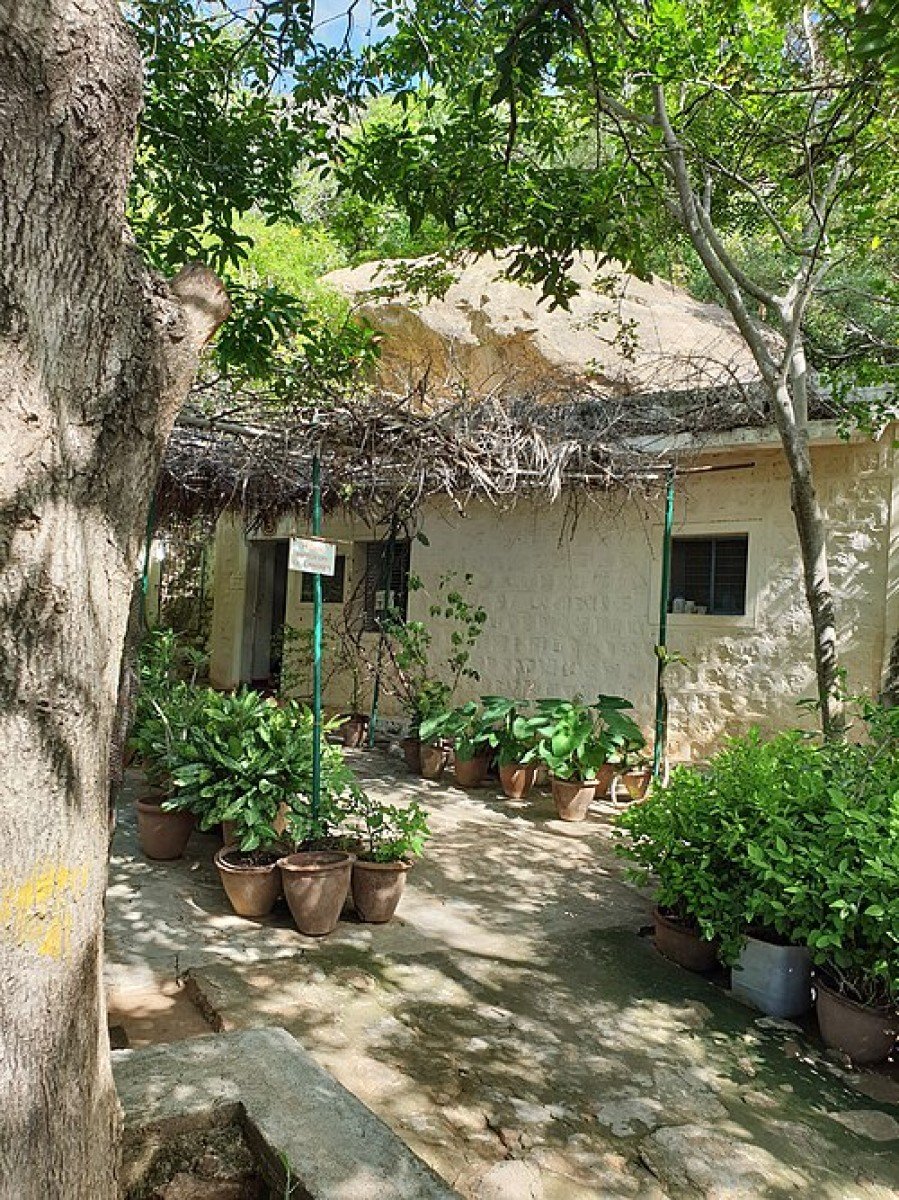
Virupaksha Cave
General information
-
Ideal Duration:
2-3 Hours (including the trek up and down)Place Type:
Pilgrim Site, Spiritual Retreat, Natural LandmarkEntry Fees:
Entry is Free to the Virupaksha Cave and to Skandashram, as they are considered part of the pilgrimage up the holy Arunachala Hill.
Archaeological Survey of India (ASI): The cave is a protected monument, and access is maintained free for the public and pilgrims.Entry is Free to the Virupaksha Cave and to Skandashram, as they are considered part of the pilgrimage up the holy Arunachala Hill.
Archaeological Survey of India (ASI): The cave is a protected monument, and access is maintained free for the public and pilgrims.
Voluntary Donations: There are no mandatory fees, but small, voluntary contributions may be accepted at a nearby collection point (if any) for the upkeep and maintenance of the cave and the path.Timing:
Regular Timings: The cave is generally accessible from 6:00 AM to 5:00 PM. Climbing after sunset is strongly discouraged for safety reasons, as the path is unlit and rugged.
Ideal Visit Time: Early Morning (Sunrise to 9:00 AM) is the best t...Regular Timings: The cave is generally accessible from 6:00 AM to 5:00 PM. Climbing after sunset is strongly discouraged for safety reasons, as the path is unlit and rugged.
Ideal Visit Time: Early Morning (Sunrise to 9:00 AM) is the best time for the climb, as the weather is cool and the spiritual energy is often perceived as strongest after a night of silence.Special Events:
Guru Purnima: This festival in July marks the honoring of the Guru, and special gatherings or meditation sessions are often held in the cave or on the path, attracting dedicated disciples of Ramana Maharshi.
Aradhana and Jayanti: On the days...Guru Purnima: This festival in July marks the honoring of the Guru, and special gatherings or meditation sessions are often held in the cave or on the path, attracting dedicated disciples of Ramana Maharshi.
Aradhana and Jayanti: On the days of Ramana Maharshi's birth and Mahasamadhi anniversaries, a special silence and heightened spiritual atmosphere prevail, drawing serious devotees to the cave.Best Photo Spots:
Framing the Entrance: The entrance of the rock-cut cave, with its rugged, natural stone framing the dark interior, provides a powerful image that emphasizes the austerity of the saint's life.
The Panoramic View: Capture the stunning aerial v...Framing the Entrance: The entrance of the rock-cut cave, with its rugged, natural stone framing the dark interior, provides a powerful image that emphasizes the austerity of the saint's life.
The Panoramic View: Capture the stunning aerial view of the Arunachaleswarar Temple gopurams and the sprawling town of Tiruvannamalai from the flat rock platform outside the cave.
Meditative Portraits: Capture candid shots of fellow meditators sitting silently, focusing on the atmosphere of peace and concentration (always with respect and discretion).
Mountain Landscape: Photograph the unique geology of the Arunachala Hill—the large, reddish-brown boulders and the sparse vegetation—showcasing the sacred landscape.Photo Gallery
Things To Do
-
Meditation Inside the Cave: The core activity is sitting in silent meditation inside the cave, connecting with the energy of Ramana Maharshi and Virupaksha Deva and practicing Self-Inquiry.
The Om Walk: Walk around the elliptical perimeter of the cave, tracing the shape of the sacred Om, which is believed to enhance the spiritual experience.
Enjoying the View: Take time to rest on the stone benches outside and admire the spectacular view of the temple town below, especially at sunrise or sunset.
Visiting Skandashram: Continue the trek slightly further up the hill to visit Skandashram, another important cave where Ramana Maharshi resided.
The Pilgrim Trek: The entire walk up and down the hill is a form of spiritual offering; take...Meditation Inside the Cave: The core activity is sitting in silent meditation inside the cave, connecting with the energy of Ramana Maharshi and Virupaksha Deva and practicing Self-Inquiry.
The Om Walk: Walk around the elliptical perimeter of the cave, tracing the shape of the sacred Om, which is believed to enhance the spiritual experience.
Enjoying the View: Take time to rest on the stone benches outside and admire the spectacular view of the temple town below, especially at sunrise or sunset.
Visiting Skandashram: Continue the trek slightly further up the hill to visit Skandashram, another important cave where Ramana Maharshi resided.
The Pilgrim Trek: The entire walk up and down the hill is a form of spiritual offering; take the time to notice the nature, the sounds, and the spiritual atmosphere of the holy mountain.
Reading the Texts: Carry a small book of Ramana Maharshi's teachings to read while sitting inside or outside the cave, directly connecting the location to the teachings created there.
Information
-
Why Famous:
Ramana Maharshi's Tapas: It is famous as the primary site where Ramana Maharshi spent 16 years in deep meditation, laying the foundation for his teachings and achieving profound realization, making it a powerful magnet for his followers.
The Om ...Ramana Maharshi's Tapas: It is famous as the primary site where Ramana Maharshi spent 16 years in deep meditation, laying the foundation for his teachings and achieving profound realization, making it a powerful magnet for his followers.
The Om Shape: The natural formation of the cave, said to resemble the divine syllable Om, is a major factor in its spiritual fame, reinforcing the belief in its charged, sacred nature.
Ancient Saint's Samadhi: Its original association with the 13th-century saint Virupaksha Deva, whose samadhi is inside, adds layers of history and continuous sacred energy to the location, pre-dating Ramana Maharshi's arrival. -
Architecture:
Natural and Modified Rock-Cut Structure: The cave is a natural formation, a modified rock shelter, carved from the massive granite boulders of the Arunachala Hill.
Dimension: Its shape is almost elliptical, said to resemble the Sanskrit syll...Natural and Modified Rock-Cut Structure: The cave is a natural formation, a modified rock shelter, carved from the massive granite boulders of the Arunachala Hill.
Dimension: Its shape is almost elliptical, said to resemble the Sanskrit syllable Om. The interior is relatively small but sufficient for a handful of people to sit and meditate. The ceiling features the samadhi of Virupaksha Deva, which has been enclosed and revered. The interior surfaces are smoothed by centuries of use. The path leading up to it is a rugged, naturally formed trail with some constructed steps near the ashram, but mostly involving climbing over boulders. The architecture is primarily that of a basic hermitage or rock-cut cave, showcasing the simple, austere setting favored by ancient sages for deep tapas (penance/meditation). -
How To Reach:
By Air: Nearest international airports are Chennai (MAA) (approx. 190 km) and Bengaluru (BLR) (approx. 210 km). From the airport, reach Tiruvannamalai by bus, train, or hired taxi.
By Train: Tiruvannamalai Railway Station (TNM) (approx. ...By Air: Nearest international airports are Chennai (MAA) (approx. 190 km) and Bengaluru (BLR) (approx. 210 km). From the airport, reach Tiruvannamalai by bus, train, or hired taxi.
By Train: Tiruvannamalai Railway Station (TNM) (approx. 3. 5 km). Take an auto-rickshaw to Sri Ramana Ashram; the cave path starts from near the ashram.
By Road: Reach Tiruvannamalai by bus or car from nearby cities. Drive or take local transport to the base of the hill near Sri Ramana Ashram.
By Local Transport: From the town, hire an auto-rickshaw to take you to the base of the hill near the Sri Ramana Ashram entrance, which is the starting point for the trek. The rest of the journey is a walk/trek. -
Weather and Best Time to Visit:
Winter (October to March): The ideal climate for the physical trek up the hill; the cooler temperatures ensure the climb is pleasant and safe.
Summer (April to June): The climb should be strictly done before 8:00 AM or after 4:00 PM to avoi...Winter (October to March): The ideal climate for the physical trek up the hill; the cooler temperatures ensure the climb is pleasant and safe.
Summer (April to June): The climb should be strictly done before 8:00 AM or after 4:00 PM to avoid heat exhaustion from the intense midday sun.
Monsoon (July to September): The path can become very slippery, and trekking is not recommended during heavy rains; exercise extreme caution if visiting.
Ideal Part of the Day: Sunrise is the absolute best time; starting the climb before dawn allows you to experience the sun rising over the town from the vantage point near the cave. -
Near Tourist Places:
Sri Ramana Ashram (0. 5 km downhill), Skandashram (0. 5 km uphill), Arunachaleswarar Temple (3. 5 km downhill), Sri Seshadri Swamigal Ashram (1 km downhill), Pachaiamman Temple (2 km), Girivalam Path (0. 5 km downhill).
Tourism Tips
-
Safety on the Trek: Wear good trekking or non-slip shoes. Carry a stick for balance. Travel in groups, especially in the early morning or late afternoon. Carry a fully charged mobile phone.
Hydration: Carry plenty of water, as the climb i...Safety on the Trek: Wear good trekking or non-slip shoes. Carry a stick for balance. Travel in groups, especially in the early morning or late afternoon. Carry a fully charged mobile phone.
Hydration: Carry plenty of water, as the climb is steep and water sources are limited to the base and the cave's natural spring.
Respectful Dress: While not a temple, modest dressing (covering shoulders and legs) is advisable out of respect for the spiritual nature of the cave.
Silence and Cleanliness: Maintain silence on the path and inside the cave for the benefit of other meditators. Do not leave any trash behind; carry all waste back down.
Reviews
FAQs
Tiruvannamalai Itineray And Cost:-
Other Places In Tiruvannamalai :-
Other States In India :-
Information about New and Updated Locations() of Tamil Nadu Has Been Added :-
Card subtitle
Note:-
Information provided here in good Faith and for reference only.
Near Places
Adiannamalai Lake
Some quick example text to build on the card title and make up the bulk of the card's content.
Go somewhere
Ammangund Rock
Some quick example text to build on the card title and make up the bulk of the card's content.
Go somewhere
Ancient Mantapam
Some quick example text to build on the card title and make up the bulk of the card's content.
Go somewhere
Annamalaiyar Temple / Arunachaleswarar Temple
Some quick example text to build on the card title and make up the bulk of the card's content.
Go somewhere
Gingee Fort
Some quick example text to build on the card title and make up the bulk of the card's content.
Go somewhere
I Love Tvmalai
Some quick example text to build on the card title and make up the bulk of the card's content.
Go somewhere
Javadu Hills
Some quick example text to build on the card title and make up the bulk of the card's content.
Go somewhere
Kuruvimalai Dam
Some quick example text to build on the card title and make up the bulk of the card's content.
Go somewhere
Padaveedu
Some quick example text to build on the card title and make up the bulk of the card's content.
Go somewhere
Parvathamalai Hill
Some quick example text to build on the card title and make up the bulk of the card's content.
Go somewhere
Pick Up Dam
Some quick example text to build on the card title and make up the bulk of the card's content.
Go somewhere
Sathanur Dam
Some quick example text to build on the card title and make up the bulk of the card's content.
Go somewhere
Skandashram
Some quick example text to build on the card title and make up the bulk of the card's content.
Go somewhere
Skandasram Way City View Point
Some quick example text to build on the card title and make up the bulk of the card's content.
Go somewhere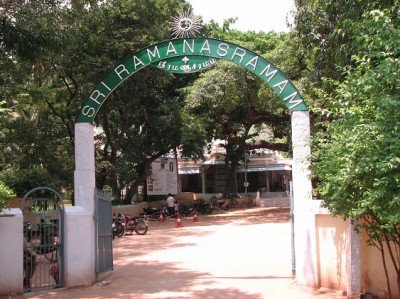
Sri Ramana Ashram
Some quick example text to build on the card title and make up the bulk of the card's content.
Go somewhere
Sri Seshadri Swamigal Ashram
Some quick example text to build on the card title and make up the bulk of the card's content.
Go somewherein Other Cities