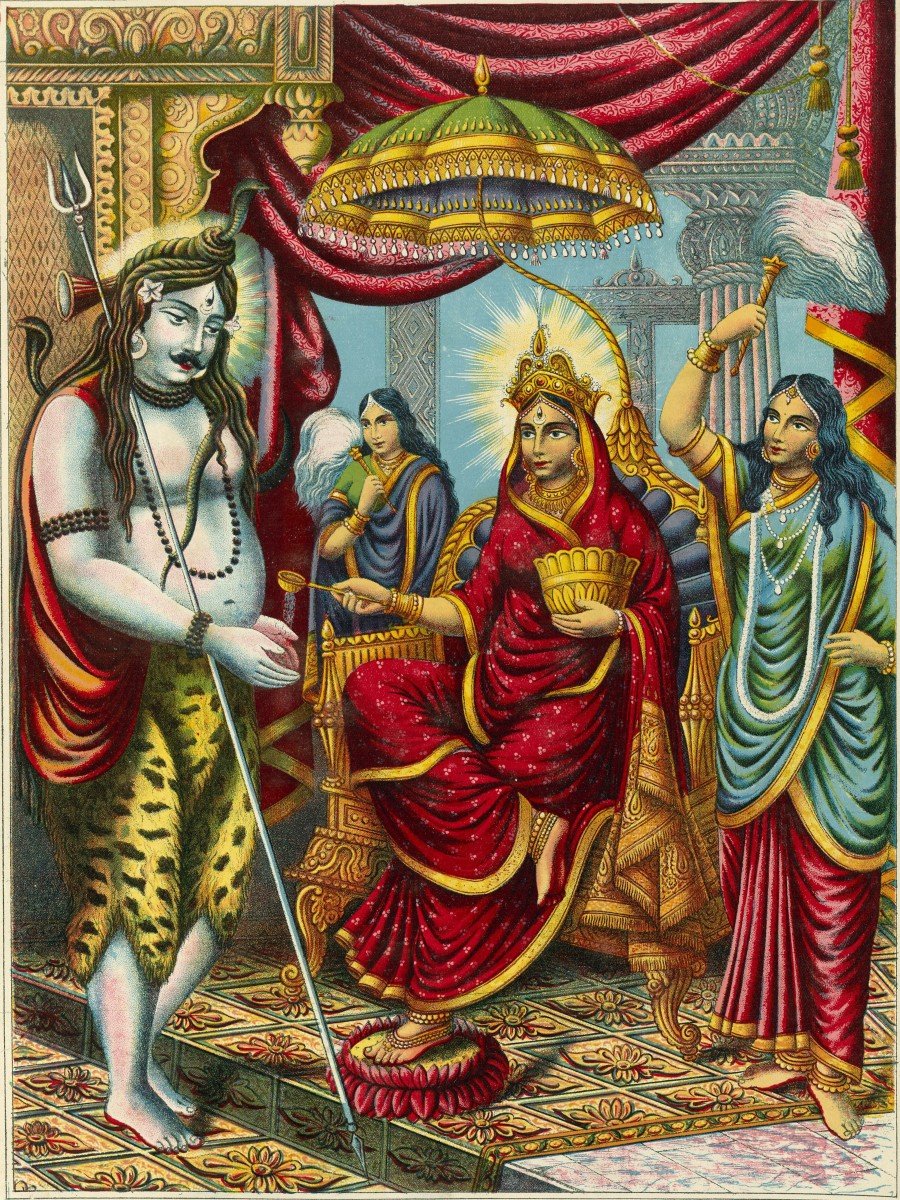
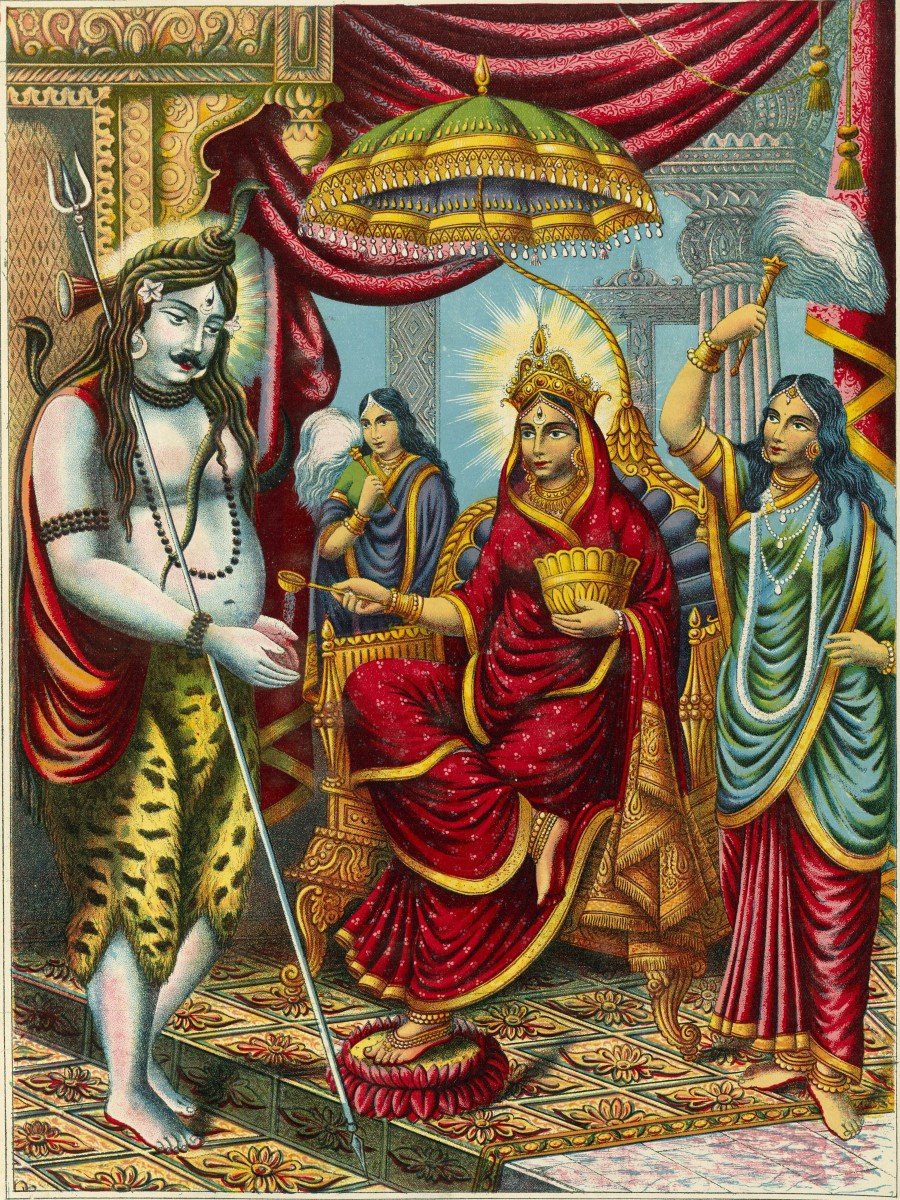
Annapurna Devi Mandir
General information
-
Ideal Duration:
1 to 2 Hours (Including waiting time):Place Type:
Religious Site, Temple, Cultural:Entry Fees:
Entry to Temple: There is No Entry Fee to the Annapurna Devi Mandir. Access to the main sanctum is free for all devotees and visitors.
Special Darshan / VIP Passes: For an expedited darshan (viewing of the deity), especially during peak tim...Entry to Temple: There is No Entry Fee to the Annapurna Devi Mandir. Access to the main sanctum is free for all devotees and visitors.
Special Darshan / VIP Passes: For an expedited darshan (viewing of the deity), especially during peak times or festivals, there might be provision for a special entry ticket or VIP pass. This is generally a small fee (e. g. , Rs.50 to Rs.300), which helps manage the large crowds.
Donations and Rituals: Devotees often offer voluntary donations (Dakshina) for the temple's maintenance or to participate in specific Pujas (worship rituals). The cost of offerings (flowers, prasad) is separate and varies (usually Rs.50 to Rs.200).
Photography Fees: No photography is allowed inside the main temple premises/sanctum for security and privacy reasons, and there is no fee for it. External photography in the gali is free.
:Timing:
Regular Timings: The temple is generally open daily from 4:00 AM to 11:30 AM (Morning Darshan) and again from 7:00 PM to 11:00 PM (Evening Darshan). Timings are subject to change during festivals.
Ideal Visit Time: The best time for a visit...Regular Timings: The temple is generally open daily from 4:00 AM to 11:30 AM (Morning Darshan) and again from 7:00 PM to 11:00 PM (Evening Darshan). Timings are subject to change during festivals.
Ideal Visit Time: The best time for a visit is in the Early Morning (4:00 AM to 6:00 AM) right after opening, when the crowd is thinner and the atmosphere is very calm and spiritual. Late evening is also a good time after the main evening crowd subsides.
Peak Hours: Avoid the mid-morning (9:00 AM to 11:00 AM) and early evening (7:00 PM to 8:30 PM) hours, as these coincide with local ritual times and are extremely crowded due to its proximity to the Kashi Vishwanath Temple.
Special Festival Timings: During Annakut and Navratri, the temple may remain open for extended hours, but the queues are exceedingly long, sometimes requiring hours of waiting.
:Special Events:
Annakut Mahotsav: This is the temple's most significant and famous festival, held on the day after Diwali (usually in October or November). During this time, the gold idol of the goddess is unveiled for a single day of darshan, and silver or brass coins are distributed to d...Annakut Mahotsav: This is the temple's most significant and famous festival, held on the day after Diwali (usually in October or November). During this time, the gold idol of the goddess is unveiled for a single day of darshan, and silver or brass coins are distributed to devotees.
Navratri Festivals: Both the Chaitra Navratri (March/April) and Sharad Navratri (September/October) are celebrated with great pomp. The temple is beautifully decorated with lights and flowers, and special Aarti and prayers are held over the nine days, attracting a large number of female devotees.
Akshaya Tritiya: This auspicious day (usually April or May) is celebrated as it is believed that any new venture started on this day will be successful. Special prayers are held to Goddess Annapurna for abundance and prosperity.
:Best Photo Spots:
The Temple Entrance Archway: A challenging but rewarding photo spot is the temple's entrance archway, capturing the colourful crowd of devotees, the religious vendors, and the traditional architecture, giving a sense of the bustling spiritual energy.
Read MoreThe Temple Entrance Archway: A challenging but rewarding photo spot is the temple's entrance archway, capturing the colourful crowd of devotees, the religious vendors, and the traditional architecture, giving a sense of the bustling spiritual energy.
Vishwanath Gali Life: The narrow alleyway leading to the temple is a fantastic photo spot for capturing the quintessential Varanasi street life, with its dense concentration of shops, ancient buildings, and pilgrims with their offerings.
The Shikhara View: Try to get a slightly elevated shot, if possible, of the temple's tower (Shikhara) from one of the nearby buildings to capture the full Nagara architectural style in the context of the congested city skyline.
Close-up of Offerings: Capture the intricate details of the flower garlands, sweets, and other ritualistic offerings being sold or carried by the devotees, which visually represent the worship of the Goddess of Food and Nourishment. (Approx.
):Photo Gallery
Things To Do
-
Perform Darshan and Aarti: Wait in the queue to get a view (darshan) of the brass idol of Goddess Annapurna and offer prayers for prosperity and food security. Attend the morning or evening Aarti ceremonies for a deeply immersive spiritual experience.
Participate in Prasad Distribution: Accept the sacred food offering (Prasad) distributed at the temple, or, if possible, donate to the temple kitchen (Bhandara) to contribute to the feeding of devotees, honouring the goddess of food.
Visit the Kashi Vishwanath Temple: Since it is just a minute's walk away, combine your visit with a trip to the main Kashi Vishwanath Temple and the adjacent Gyan Vapi Well area to complete the central Kashi pilgrimage.
Shop in Vishwanath Gali: Explore the lively, narrow street of Vish...Perform Darshan and Aarti: Wait in the queue to get a view (darshan) of the brass idol of Goddess Annapurna and offer prayers for prosperity and food security. Attend the morning or evening Aarti ceremonies for a deeply immersive spiritual experience.
Participate in Prasad Distribution: Accept the sacred food offering (Prasad) distributed at the temple, or, if possible, donate to the temple kitchen (Bhandara) to contribute to the feeding of devotees, honouring the goddess of food.
Visit the Kashi Vishwanath Temple: Since it is just a minute's walk away, combine your visit with a trip to the main Kashi Vishwanath Temple and the adjacent Gyan Vapi Well area to complete the central Kashi pilgrimage.
Shop in Vishwanath Gali: Explore the lively, narrow street of Vishwanath Gali outside the temple, which is a bustling market for religious items, souvenirs, sweets (mithai), and famous Banarasi silk sarees and artifacts.
Offer Coins on Annakut: If visiting during the Annakut festival (the day after Diwali, typically in October or November), make sure to get in line to see the gold idol and receive the auspicious coin distributed as a symbol of unending wealth.
Circumambulation (Parikrama): Perform a ritual walk around the main temple structure, if allowed, to show respect to the deity. The tight space within the lane makes for a short but deeply felt devotional walk.
Savour Local Delicacies: While in the Godowlia and Vishwanath Gali area, try famous local snacks like Kachori Sabzi, Malaiyo (winter special), and the popular Banarasi Paan (betel leaf preparation) from the numerous food vendors.
Photography and Observation: Observe the unique blend of architecture and the intense devotion of the pilgrims. Since the lanes are crowded, focus on capturing the vibrant atmosphere, the colourful offerings, and the faces of the devotees (seek permission if close).
:
Information
-
Why Famous:
Goddess of Abundance: It is famous as the abode of Goddess Annapurna, the patron deity of Varanasi (Kashi) and the Goddess of Food. Worshipping here is believed to grant a life free from hunger and poverty, a profound belief in Hinduism.
Close ...Goddess of Abundance: It is famous as the abode of Goddess Annapurna, the patron deity of Varanasi (Kashi) and the Goddess of Food. Worshipping here is believed to grant a life free from hunger and poverty, a profound belief in Hinduism.
Close to Kashi Vishwanath: Its extreme proximity (less than 100 meters) to the main Kashi Vishwanath Temple makes it an integral and mandatory part of the pilgrimage circuit for anyone visiting Lord Shiva in Varanasi.
Annakut Festival: The temple is most famous for the annual Annakut festival, held the day after Diwali, when the gold idol of the goddess is displayed and coins are distributed to devotees, symbolising wealth and prosperity.
Maratha Heritage: The temple is a significant example of the 18th-century contribution of the Maratha rulers (Peshwa Bajirao I) to the rebuilding and preservation of religious sites in Varanasi, reflecting a key period of the city's modern history.
: -
Architecture:
Style and Period: The temple is built in the traditional Nagara style of Hindu temple architecture, which is common in North India. The current structure dates back to the 18th century, a period marked by Maratha architectural contributions in Varanasi.
Read MoreStyle and Period: The temple is built in the traditional Nagara style of Hindu temple architecture, which is common in North India. The current structure dates back to the 18th century, a period marked by Maratha architectural contributions in Varanasi.
Key Components: It features a sanctum (Garbagriha) and a large pillared porch (Mandapa). The Nagara style is characterized by a high, curvilinear tower (Shikhara) over the main shrine. The use of intricate carvings and stone masonry is notable.
Dimensions and Deities: The main sanctum houses two idols of Goddess Annapurna: one made of brass, which is available for daily viewing, and a special gold idol, which is displayed for public darshan only once a year during the Annakut festival, the day after Diwali. The temple complex also has shrines for other deities, including Lord Shiva in the form of Kal Bhairav.
Construction Material: The construction is primarily of stone, giving it a sturdy and traditional appearance. The architectural design is functional for the daily rituals and large crowds of devotees, especially in the tight confines of the Vishwanath Gali.
:How To Reach:
By Air: Fly to Lal Bahadur Shastri International Airport (VNS), approximately 26 KMS away. Take a pre-paid taxi or cab (approx. 60-90 minutes) to the nearest motorable point, such as Godowlia or Maheshpur, and walk from there.
By Train: Ar...By Air: Fly to Lal Bahadur Shastri International Airport (VNS), approximately 26 KMS away. Take a pre-paid taxi or cab (approx. 60-90 minutes) to the nearest motorable point, such as Godowlia or Maheshpur, and walk from there.
By Train: Arrive at Varanasi Junction (Varanasi Cantt Station - BSB) (approx. 5 KMS) or Mughal Sarai (Pandit Deen Dayal Upadhyaya Junction - DDU). From BSB, take an auto-rickshaw or taxi to Godowlia.
By Road: Varanasi is connected via NH19 and NH35. Public and private transport can reach the outer ring of the old city. Vehicles cannot go directly to the temple due to its location in the narrow Vishwanath Gali.
By Local Transport: From Godowlia Chowk (the main square), the temple is a short walk (5-10 minutes) through the extremely dense and crowded Vishwanath Gali. Cycle-rickshaws or auto-rickshaws are the best way to reach Godowlia. Be prepared for a walk through a vibrant but congested market and be cautious of pickpockets in the crowds.
:Weather and Best Time to Visit:
Different Types of Seasons: Winter (October to March) is the Best Time to Visit for pleasant weather (10°C to 25°C). The weather makes waiting in queues and navigating the narrow lanes much more comfortable. Summer should be avoided. Monsoon can make the lanes slippery....Different Types of Seasons: Winter (October to March) is the Best Time to Visit for pleasant weather (10°C to 25°C). The weather makes waiting in queues and navigating the narrow lanes much more comfortable. Summer should be avoided. Monsoon can make the lanes slippery.
Different Parts of the Day: Early Morning (4:00 AM to 6:00 AM) is the most ideal time for a peaceful visit with minimal crowds. Late Evening (9:00 PM to 11:00 PM) is also quieter than the peak evening hours. The temple is usually closed from 11:30 AM to 7:00 PM for the midday rituals.
:Near Tourist Places:
Kashi Vishwanath Temple (0.
1 KMS): Gyan Vapi Well (0.
1 KMS): Dashashwamedh Ghat (0.
5 KMS): Nepali Temple (Lalita Ghat) (0.
8 KMS):
Manikarnika Ghat (
1 KMS):
Alamgir Mosque (3 KMS): Harishchandra Ghat (1.
5 KMS):
Assi Ghat (4 KMS):
Durga Kund Temple (
5 KMS):
Bharat Mata Mandir (3 KMS):Tourism Tips
-
Health & Safety: The Vishwanath Gali is very congested. Keep your belongings secure to prevent pickpocketing. Avoid the crush of crowds during major festivals like Diwali. Wear modest, non-slippery footwear as the stone floor can be uneven and wet.
Read MoreHealth & Safety: The Vishwanath Gali is very congested. Keep your belongings secure to prevent pickpocketing. Avoid the crush of crowds during major festivals like Diwali. Wear modest, non-slippery footwear as the stone floor can be uneven and wet.
Packing: Carry minimal items, as bags are often not allowed inside the main temple premises (lockers may be available for a fee). Dress traditionally and modestly—Sarres or Salwar Kameez for women, and dhotis or long trousers for men, are recommended.
Accommodation: Staying near the temple is convenient for early morning visits, but the area is very noisy and congested. Consider staying in the quieter Bhelupur or Cantonment areas and taking a taxi or auto to Godowlia. Other Different Topics Heading (Cultural Sensitivity): Be patient with the long lines and the bustling crowd. Do not attempt to take photos inside the main temple premises, as this is strictly prohibited. Accept Prasad with your right hand as a sign of respect.
:Reviews
FAQs
Varanasi Itineray And Cost:-
Annapurna Devi Mandir Tourism:-
Other Places In Varanasi :-
Other States In India :-
Information about New and Updated Locations() of Uttar Pradesh Has Been Added :-
Card subtitle
Note:-
Information provided here in good Faith and for reference only.
Near Places
Alamgir Mosque
Some quick example text to build on the card title and make up the bulk of the card's content.
Go somewhere
Annapurna Devi Mandir
Some quick example text to build on the card title and make up the bulk of the card's content.
Go somewhere
Assi Ghat
Some quick example text to build on the card title and make up the bulk of the card's content.
Go somewhere
Bharat Kala Bhavan Museum
Some quick example text to build on the card title and make up the bulk of the card's content.
Go somewhere
Bharat Mata Mandir
Some quick example text to build on the card title and make up the bulk of the card's content.
Go somewhere
Dashashwamedh Ghat
Some quick example text to build on the card title and make up the bulk of the card's content.
Go somewhere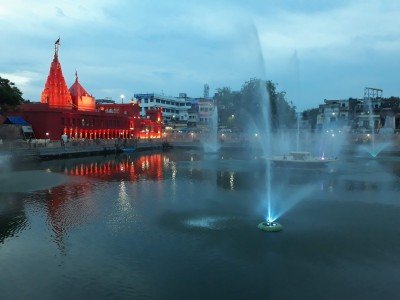
Durga Kund Temple
Some quick example text to build on the card title and make up the bulk of the card's content.
Go somewhere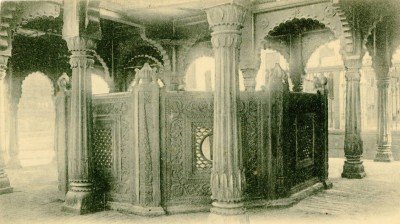
Gyan Vapi Well
Some quick example text to build on the card title and make up the bulk of the card's content.
Go somewhere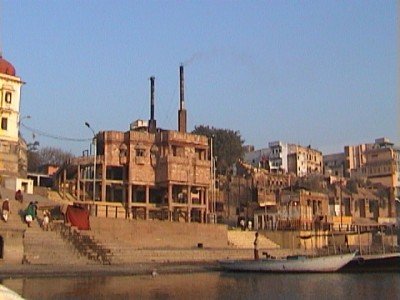
Harishchandra Ghat
Some quick example text to build on the card title and make up the bulk of the card's content.
Go somewhere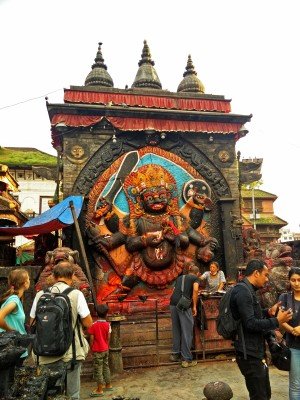
Kaal Bhairav Mandir
Some quick example text to build on the card title and make up the bulk of the card's content.
Go somewhere
Kashi Vishwanath Temple
Some quick example text to build on the card title and make up the bulk of the card's content.
Go somewhere
Kedar Ghat
Some quick example text to build on the card title and make up the bulk of the card's content.
Go somewhere
Man Mandir Ghat & Observatory
Some quick example text to build on the card title and make up the bulk of the card's content.
Go somewhere
Manikarnika Ghat
Some quick example text to build on the card title and make up the bulk of the card's content.
Go somewhere
Nepali Temple
Some quick example text to build on the card title and make up the bulk of the card's content.
Go somewhere
New Vishwanath Temple
Some quick example text to build on the card title and make up the bulk of the card's content.
Go somewherein Other Cities