Bharat Kala Bhavan Museum
General information
-
Ideal Duration:
2 to 3 Hours:Place Type:
Museum, Educational, Cultural:Entry Fees:
Indian Citizens: A nominal entry fee, typically around Rs.20 to Rs.50 per person. Students with a valid ID often receive a further discounted rate or free entry.
Foreign Nationals: The entry fee is higher for foreign nationals, usually around Rs....Indian Citizens: A nominal entry fee, typically around Rs.20 to Rs.50 per person. Students with a valid ID often receive a further discounted rate or free entry.
Foreign Nationals: The entry fee is higher for foreign nationals, usually around Rs.100 to Rs.300 per person. The fee structure may vary slightly depending on whether it is a weekday or a weekend.
Photography Fees: A fee for still camera photography may be charged, often around Rs.100. Video cameras are usually prohibited or have a much higher fee. Photography with a phone camera may be permitted without a fee, but no flash is allowed in any gallery.
Other Fees: There is generally No Fee for Parking on the BHU campus, but parking spots near the museum may be limited. There is also No Fee for Guided Tours if they are conducted by the museum staff.
:Timing:
Regular Timings: The museum is generally open from 10:30 AM to 4:30 PM daily. It is usually Closed on Sundays and on major national holidays, so check in advance.
Ideal Visit Time: The best time to visit is on a Weekday Morning (10:30 AM to...Regular Timings: The museum is generally open from 10:30 AM to 4:30 PM daily. It is usually Closed on Sundays and on major national holidays, so check in advance.
Ideal Visit Time: The best time to visit is on a Weekday Morning (10:30 AM to 1:00 PM) to avoid the afternoon rush and student traffic. The light is also excellent in the morning galleries.
Peak Seasons: October to March is the most comfortable period for a visit to the BHU campus. Avoid the museum during the very hot summer months of May and June as well as during university examination periods, when campus movement might be restricted.
Duration Planning: Allocate at least 2 to 3 hours to fully appreciate the extensive collection. An art lover or academic could easily spend half a day exploring the galleries and archives.
:Special Events:
Museum Day/Anniversaries: Special lectures, seminars, and temporary exhibitions are often organized on the museum's foundation day (January 1) and other significant anniversaries, featuring academic insights and cultural performances.
BHU Cultur...Museum Day/Anniversaries: Special lectures, seminars, and temporary exhibitions are often organized on the museum's foundation day (January 1) and other significant anniversaries, featuring academic insights and cultural performances.
BHU Cultural Festivals: Being part of Banaras Hindu University, the museum is often a focal point during major BHU cultural and literary festivals, hosting special displays and talks that draw students, professors, and scholars.
World Heritage Day: Observed in April, the museum organises special educational tours, workshops, and awareness programs related to heritage conservation, attracting heritage enthusiasts and students.
Temporary Exhibitions: The museum regularly hosts temporary exhibitions, often in collaboration with other institutions, showcasing focused collections on specific themes, artists, or historical periods, which provides a fresh experience for repeat visitors.
:Best Photo Spots:
The Main Building Facade: Capture the majestic, scholarly facade of the main museum building, framed by the lush greenery and grand architectural style of the BHU campus, which conveys its institutional importance. Miniature Painting Close-ups (with permission/display): Whi...The Main Building Facade: Capture the majestic, scholarly facade of the main museum building, framed by the lush greenery and grand architectural style of the BHU campus, which conveys its institutional importance. Miniature Painting Close-ups (with permission/display): While original paintings cannot be photographed, try to get a clear shot of the high-quality replicas or official display photos to capture the intricate detail of the Mughal and Rajasthani artistic styles.
The Sculpture Garden/Courtyard: Photograph the large stone sculptures and artifacts displayed in the courtyards or surrounding grounds, using the natural light to highlight the texture and ancient craftsmanship of the stone.
Gallery Entrance and Signage: A shot of the prominent museum signage and the entrance to one of the main galleries can be a good introductory photo, conveying the educational and cultural purpose of the visit. (Approx.
):Photo Gallery
Things To Do
-
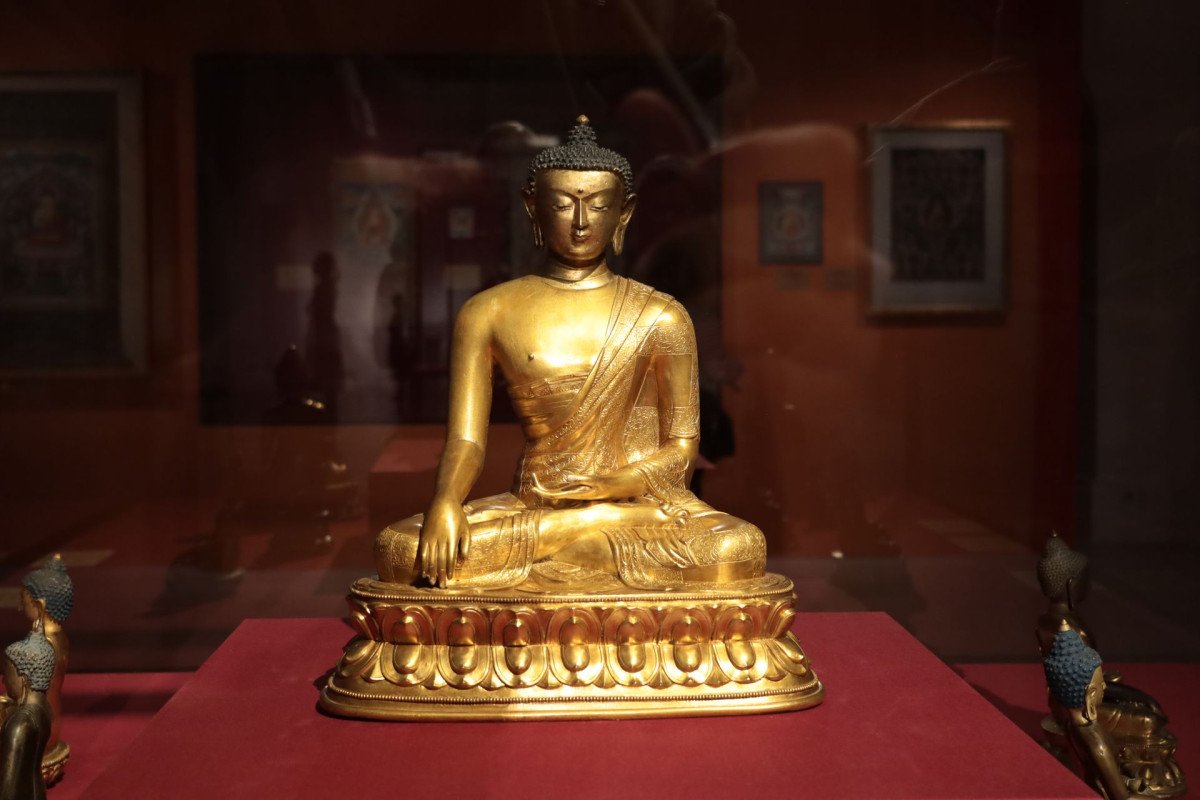
View the Miniature Painting Collection: Spend significant time in the Painting Gallery to admire the rich, detailed, and vibrant collection of Mughal, Rajasthani, and Pahari miniature paintings, which are the museum's prized possession.
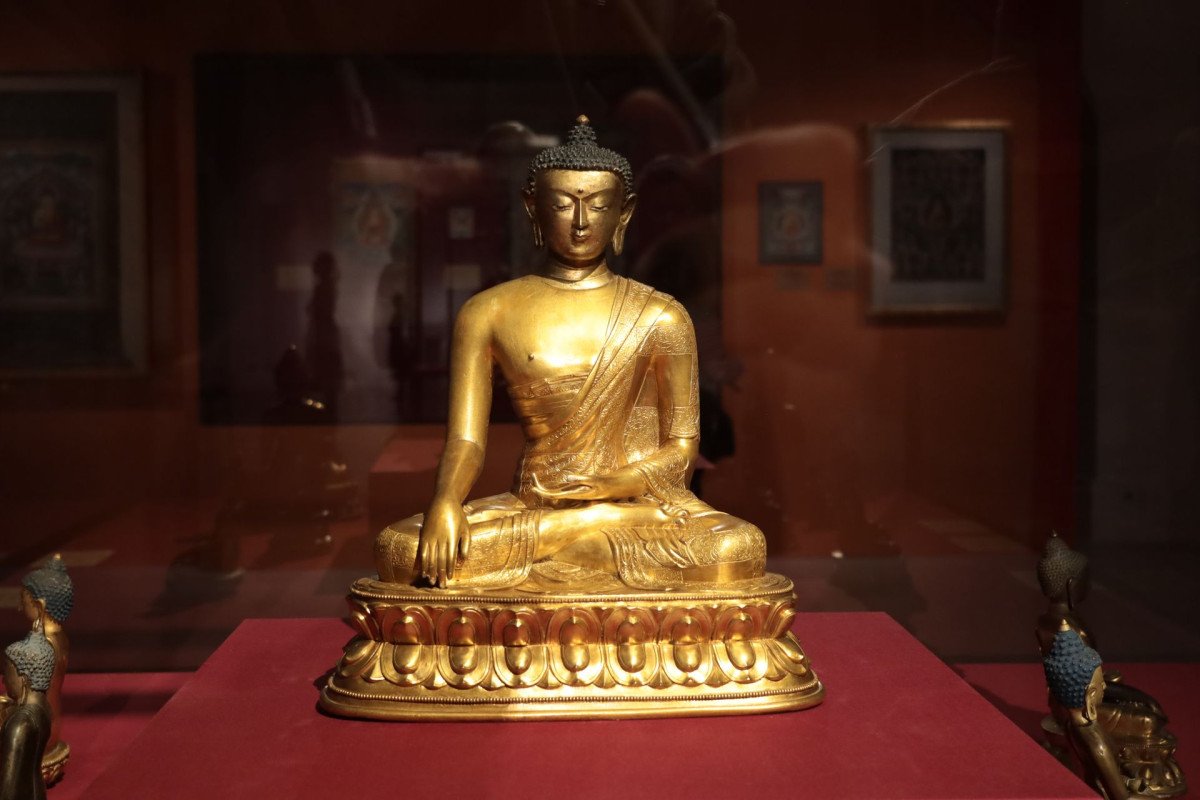
Explore the Sculpture Gallery: Observe the evolution of Indian sculptural art from the 1st to 15th centuries, focusing on the Buddhist and Hindu terracotta and stone sculptures, which are important archaeological records.
Study the Banaras Brocades: Visit the Textile & Costume Gallery to see the rare collection of Banarasi silk and brocades, understanding the complex weaving techniques that have made Varanasi famous worldwide for its textiles.
Visit the Mahamana Malaviya Gallery: Pay homage to the founder of BHU, Pandit Madan Moha...View the Miniature Painting Collection: Spend significant time in the Painting Gallery to admire the rich, detailed, and vibrant collection of Mughal, Rajasthani, and Pahari miniature paintings, which are the museum's prized possession.
Explore the Sculpture Gallery: Observe the evolution of Indian sculptural art from the 1st to 15th centuries, focusing on the Buddhist and Hindu terracotta and stone sculptures, which are important archaeological records.
Study the Banaras Brocades: Visit the Textile & Costume Gallery to see the rare collection of Banarasi silk and brocades, understanding the complex weaving techniques that have made Varanasi famous worldwide for its textiles.
Visit the Mahamana Malaviya Gallery: Pay homage to the founder of BHU, Pandit Madan Mohan Malaviya, by exploring his personal effects and documents displayed in this dedicated gallery, offering insight into his life and legacy.
Walk the BHU Campus: After the museum, take a walk or drive through the vast, green, and beautifully maintained Banaras Hindu University campus, admiring its grand main building and the peaceful academic atmosphere.
Combine with New Vishwanath Temple: The museum is close to the New Vishwanath Temple (Birla Temple), which is also located within the BHU campus. Combine the two visits for a mix of art, history, and modern religious architecture.
Use the Library/Archives (for Scholars): Scholars and serious researchers should inquire about access to the museum's extensive library and archival materials, which hold valuable literary and historical resources.
Attend a Talk/Event: Check if any academic talks, seminars, or special exhibitions are being held during your visit, as the museum frequently hosts cultural and educational events related to its collections.
:
Information
-
Why Famous:
Exceptional Collection: The museum is famous for its vast and comprehensive collection of over 100,000 artifacts, particularly its world-class holdings of Indian miniature paintings (Mughal, Rajasthani, and Pahari schools) and significant archaeological sculptures (especiall...Exceptional Collection: The museum is famous for its vast and comprehensive collection of over 100,000 artifacts, particularly its world-class holdings of Indian miniature paintings (Mughal, Rajasthani, and Pahari schools) and significant archaeological sculptures (especially terracotta).
University Setting: Its unique location within the prestigious Banaras Hindu University (BHU) campus makes it a central part of India's academic and cultural landscape, linking it to the educational vision of Pandit Madan Mohan Malaviya.
Rare Banarasi Textiles: It houses a unique and valuable collection of Banarasi silk and brocades, which showcases the exquisite craftsmanship of Varanasi's world-famous textile industry, providing a historical look at this important local art.
Historical Patronage: The museum has been patronized by national figures like Mahatma Gandhi, who visited thrice, and Rabindranath Tagore, its first honorary chairman, lending it prestige and historical depth as a national cultural project.
: -
Architecture:
Architectural Style: The current museum building, inaugurated in 1962, features a simple yet elegant modern design, prioritizing functionality and the preservation needs of the artifacts. It is a large, two-story structure with spacious, well-lit galleries and storage facil...Architectural Style: The current museum building, inaugurated in 1962, features a simple yet elegant modern design, prioritizing functionality and the preservation needs of the artifacts. It is a large, two-story structure with spacious, well-lit galleries and storage facilities.
Campus Integration: Its location within the vast, green, and stately Banaras Hindu University campus gives it a unique setting, contrasting with the dense, ancient architecture of the main city. The building stands out with its clean lines and robust construction suitable for a major institution.
Gallery Design: The interior is designed to facilitate a chronological and thematic display of its extensive collection. Large halls and partitioned areas are used to create distinct galleries, each focusing on a specific period, art form, or personality, such as the Mahamana Malaviya Gallery.
Dimension and Scale: As a major national museum, the building is substantial, accommodating multiple large galleries and a massive storage and archival section. The design incorporates structural elements necessary for holding heavy sculptures and protecting delicate miniature paintings and textiles from environmental damage, providing ample space for visitors to move and appreciate the art.
: -
How To Reach:
By Air: Fly to Lal Bahadur Shastri International Airport (VNS), approximately 33 KMS away. Take a pre-paid taxi or cab to the BHU Campus's main gate, which takes about 1 hour and 15 minutes.
By Train: Arrive at Varanasi Junction (Varanasi C...By Air: Fly to Lal Bahadur Shastri International Airport (VNS), approximately 33 KMS away. Take a pre-paid taxi or cab to the BHU Campus's main gate, which takes about 1 hour and 15 minutes.
By Train: Arrive at Varanasi Junction (Varanasi Cantt Station - BSB) (approx. 11 KMS). From there, hire an auto-rickshaw or taxi to the BHU Campus. Vehicles are allowed inside the vast campus to reach the museum, but inform the driver to take you to the Bharat Kala Bhavan.
By Road: The BHU campus is well-connected by city roads. Take a taxi or auto-rickshaw directly to the campus gate. Public buses also service the campus area. The campus itself is very large, so be sure your transport is allowed to drop you near the museum building.
By Local Transport: Auto-rickshaws and cycle-rickshaws are available. E-rickshaws often run within the BHU campus itself to connect the main gate to the major buildings, which can be useful as the distances within the campus are large.
: -
Weather and Best Time to Visit:
Different Types of Seasons: Winter (October to March) is the Best Time to Visit for a pleasant experience on the sprawling campus. Summer can make the walk across the campus and the outside areas very uncomfortable. Monsoon brings rain, but the indoor viewing experience is...Different Types of Seasons: Winter (October to March) is the Best Time to Visit for a pleasant experience on the sprawling campus. Summer can make the walk across the campus and the outside areas very uncomfortable. Monsoon brings rain, but the indoor viewing experience is unaffected.
Different Parts of the Day: Morning (10:30 AM to 1:00 PM) is the most ideal time, offering a peaceful environment before the afternoon rush. Visiting immediately after lunch is acceptable but the museum can get crowded with student groups. Plan a visit of at least 2 hours to cover the main galleries.
: -
Near Tourist Places:
New Vishwanath Temple (BHU) (1.
5 KMS): Assi Ghat (3.
5 KMS):
Sankat Mochan Hanuman Temple (2 KMS): Tulsi Manas Mandir (2.
5 KMS):
Durga Kund Temple (3 KMS):
Ramnagar Fort (8 KMS):
Dashashwamedh Ghat (7 KMS):
Bharat Mata Mandir (8 KMS):
Sarnath (14 KMS):
Kashi Vishwanath Temple (9 KMS):
Tourism Tips
-
Health & Safety: The museum is secure, but the campus is large. Be mindful of traffic inside the campus. Do not touch the exhibits, as even the slightest contact can damage delicate artifacts.
Packing: Carry a small bag, as large bags and ...Health & Safety: The museum is secure, but the campus is large. Be mindful of traffic inside the campus. Do not touch the exhibits, as even the slightest contact can damage delicate artifacts.
Packing: Carry a small bag, as large bags and backpacks are not allowed inside the galleries (lockers are generally provided). No flash photography is strictly enforced to protect the paintings and textiles from light damage.
Accommodation: Stay in the Bhelupur or Assi Ghat areas, which are closer to the BHU campus and offer good accommodation options. The Cantonment area is also a viable option.
Other Different Topics Heading (Academic Decorum): Maintain silence in the galleries to respect the educational environment. Check the official website or call ahead for the exact closing day and current exhibition details to plan your visit efficiently.
:
Reviews
FAQs
Varanasi Itineray And Cost:-
Bharat Kala Bhavan Museum Tourism:-
Other Places In Varanasi :-
Other States In India :-
Information about New and Updated Locations() of Uttar Pradesh Has Been Added :-
Card subtitle
Note:-
Information provided here in good Faith and for reference only.
Near Places
Alamgir Mosque
Some quick example text to build on the card title and make up the bulk of the card's content.
Go somewhere
Annapurna Devi Mandir
Some quick example text to build on the card title and make up the bulk of the card's content.
Go somewhere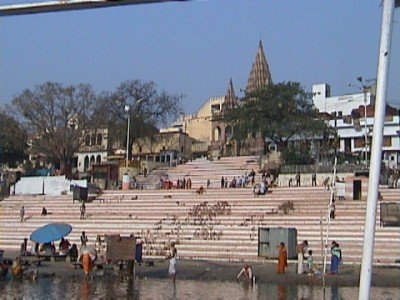
Assi Ghat
Some quick example text to build on the card title and make up the bulk of the card's content.
Go somewhere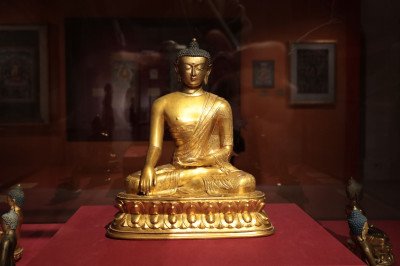
Bharat Kala Bhavan Museum
Some quick example text to build on the card title and make up the bulk of the card's content.
Go somewhere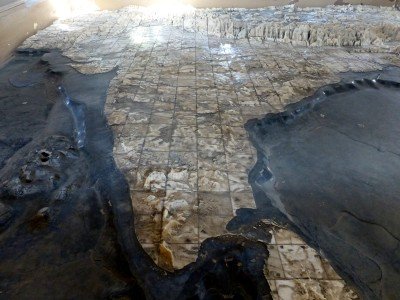
Bharat Mata Mandir
Some quick example text to build on the card title and make up the bulk of the card's content.
Go somewhere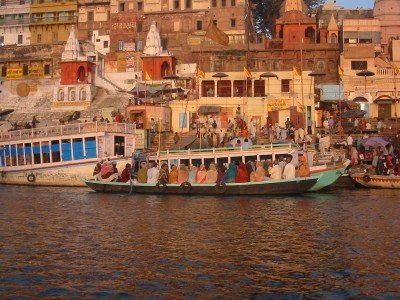
Dashashwamedh Ghat
Some quick example text to build on the card title and make up the bulk of the card's content.
Go somewhere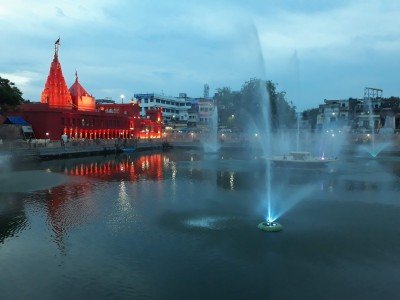
Durga Kund Temple
Some quick example text to build on the card title and make up the bulk of the card's content.
Go somewhere
Gyan Vapi Well
Some quick example text to build on the card title and make up the bulk of the card's content.
Go somewhere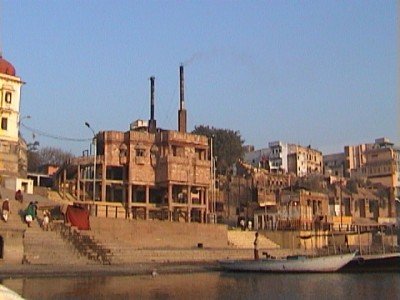
Harishchandra Ghat
Some quick example text to build on the card title and make up the bulk of the card's content.
Go somewhere
Kaal Bhairav Mandir
Some quick example text to build on the card title and make up the bulk of the card's content.
Go somewhere
Kashi Vishwanath Temple
Some quick example text to build on the card title and make up the bulk of the card's content.
Go somewhere
Kedar Ghat
Some quick example text to build on the card title and make up the bulk of the card's content.
Go somewhere
Man Mandir Ghat & Observatory
Some quick example text to build on the card title and make up the bulk of the card's content.
Go somewhere
Manikarnika Ghat
Some quick example text to build on the card title and make up the bulk of the card's content.
Go somewhere
Nepali Temple
Some quick example text to build on the card title and make up the bulk of the card's content.
Go somewhere
New Vishwanath Temple
Some quick example text to build on the card title and make up the bulk of the card's content.
Go somewherein Other Cities