Durga Kund Temple
General information
-
Ideal Duration:
45 Minutes to 1 Hour:Place Type:
Temple, Religious Site, Architectural Landmark:Entry Fees:
Temple Entry: There is No Entry Fee to the Durga Kund Temple. It is a public place of worship open to all, though non-Hindus may only enter the viewing area.
Special Darshan / Puja Fees: There is generally No Fee for a quick regular Darshan...Temple Entry: There is No Entry Fee to the Durga Kund Temple. It is a public place of worship open to all, though non-Hindus may only enter the viewing area.
Special Darshan / Puja Fees: There is generally No Fee for a quick regular Darshan. However, if you wish to perform a specific, elaborate Puja or ritual for the goddess with the help of a priest, a fee (donation) and the cost of the Puja materials will apply.
Photography Fees: Usually, there is No Fee for Photography of the exterior and the Kund. However, photography is strictly prohibited inside the main temple sanctum to maintain the sanctity and privacy of the worship.
Other Fees: The adjacent Tulsi Manas Mandir is also free to enter. Parking near the temple is often on-street and free, but be wary of unofficial parking guides.
:Timing:
Regular Timings: The temple is generally open daily from 5:00 AM to 1:00 PM (Morning session) and again from 4:00 PM to 11:00 PM (Evening session). Timings can vary slightly and are extended during Navratri.
Ideal Visit Time: The best time ...Regular Timings: The temple is generally open daily from 5:00 AM to 1:00 PM (Morning session) and again from 4:00 PM to 11:00 PM (Evening session). Timings can vary slightly and are extended during Navratri.
Ideal Visit Time: The best time to visit is in the Early Morning (5:00 AM to 7:00 AM) for a serene atmosphere or in the Late Afternoon (4:00 PM to 6:00 PM), when the sunlight is softer and the reflection in the Kund is often better.
Peak Days: Tuesdays and Saturdays are considered particularly auspicious for Goddess Durga and are much more crowded. Avoid the main puja hours in the morning and evening on these days if you wish to avoid a long wait.
Seasonal Best: October to March offers the most comfortable weather for a pleasant visit.
:Special Events:
Nag Panchami: This is the temple's most unique and spectacular annual event, held on the fifth day of the bright half of the lunar month of Shravana (usually July or August), where Lord Vishnu's repose on the serpent Shesha Naga is recreated in the Kund.
Read MoreNag Panchami: This is the temple's most unique and spectacular annual event, held on the fifth day of the bright half of the lunar month of Shravana (usually July or August), where Lord Vishnu's repose on the serpent Shesha Naga is recreated in the Kund.
Durga Puja and Navratri: The temple witnesses grand celebrations during the nine nights of Navratri (both Chaitra and Sharad). Special Aarti, devotional songs, and readings of the Durga Saptashati are held, and the temple is beautifully illuminated.
Diwali: The festival of lights is celebrated with great fervour. The temple and the surrounding Kund are lit up with thousands of Diyas (oil lamps), creating a breathtaking, festive atmosphere at night.
Annual Anniversary (Bengali Queen's Day): The anniversary of the temple's construction is observed, often with special puja and traditional Bengali rituals and cultural events, highlighting its foundation history.
:Best Photo Spots:
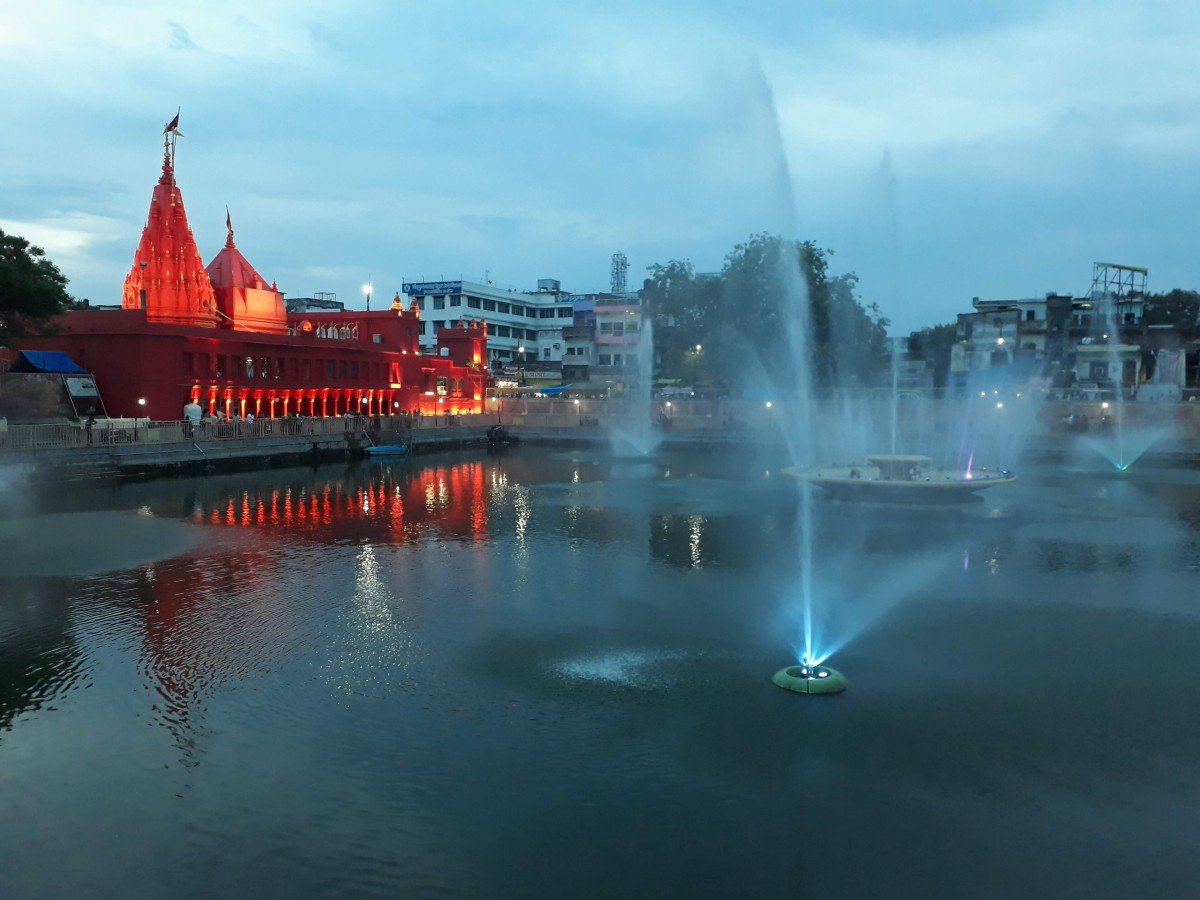
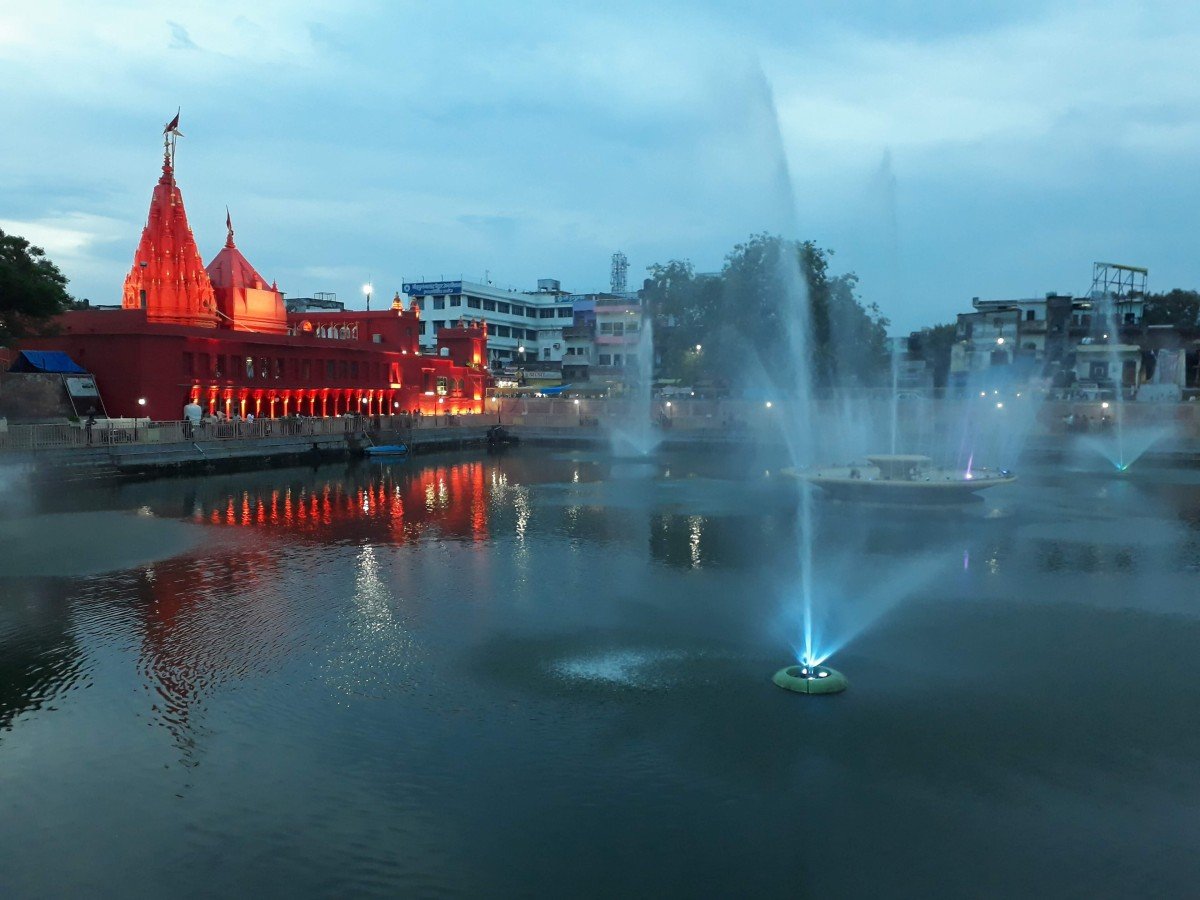
The Red Reflection: The top photo spot is capturing the main temple's vibrant red Shikhara and its perfect reflection in the still water of the Durga Kund (especially when the water level is high and the sun is bright).
The Kund Frame: Use t...The Red Reflection: The top photo spot is capturing the main temple's vibrant red Shikhara and its perfect reflection in the still water of the Durga Kund (especially when the water level is high and the sun is bright).
The Kund Frame: Use the stone steps and the watch-pillars surrounding the Kund to frame the temple, creating a symmetrical and architecturally focused shot of the sacred complex.
The Nagara Shikhara: Capture a close-up of the temple's Nagara-style tower, focusing on the intricate carvings and the classic curvilinear structure, highlighting the 18th-century architectural craftsmanship.
The Devotee's Perspective: Capture the contrast between the vibrant red temple and the white clothing of the Hindu devotees offering puja and prasad, emphasizing the spiritual energy of the site. (Approx.
):Photo Gallery
Things To Do
-
Seek Durga's Blessings: Perform Darshan of Goddess Durga in the main sanctum. Note that only Hindus are allowed into the inner sanctum (Garbagriha); non-Hindus can view the deity from the entrance hall.
Circumambulation (Parikrama): Perform a ritual walk (Parikrama) around the temple structure and the Durga Kund to show respect to the deity and the sacred water body, which is a key part of the visit.
Feed the Fish in the Kund: Many locals feed the fish and turtles that live in the Durga Kund. Visitors can buy puffed rice or other grains from local vendors and participate in this small, soothing ritual.
Visit the Nearby Temples: Combine the visit with the nearby Tulsi Manas Mandir (500 meters) and the Sankat Mochan Hanuman Temple (about 2 KMS) to complete the i...Seek Durga's Blessings: Perform Darshan of Goddess Durga in the main sanctum. Note that only Hindus are allowed into the inner sanctum (Garbagriha); non-Hindus can view the deity from the entrance hall.
Circumambulation (Parikrama): Perform a ritual walk (Parikrama) around the temple structure and the Durga Kund to show respect to the deity and the sacred water body, which is a key part of the visit.
Feed the Fish in the Kund: Many locals feed the fish and turtles that live in the Durga Kund. Visitors can buy puffed rice or other grains from local vendors and participate in this small, soothing ritual.
Visit the Nearby Temples: Combine the visit with the nearby Tulsi Manas Mandir (500 meters) and the Sankat Mochan Hanuman Temple (about 2 KMS) to complete the important temple triangle in this part of Varanasi.
Witness the Nag Panchami Event: If visiting in July or August, try to time your visit with the Nag Panchami festival to witness the unique spectacle of the Shesha Naga display in the Kund.
Photography of the Red Architecture: Take photos of the unique red Nagara-style architecture and its reflection in the still water of the Durga Kund for an iconic and colourful shot of the temple.
Observe the Monkeys (Cautiously): Observe the monkeys, which are a characteristic feature of the temple. They are generally harmless, but be cautious, do not feed them, and secure your belongings to avoid a 'monkey encounter'.
Shop for Religious Items: The stalls outside the temple sell a variety of religious items, flower garlands, and sweets for offering, providing a good opportunity to buy traditional souvenirs.
:
Information
-
Why Famous:
The Red Temple: It is famous for its visually striking and distinctive architecture—its entirely red colour, which is strongly associated with the divine power (Shakti) of Goddess Durga, making it highly photogenic and easily recognizable.
The...The Red Temple: It is famous for its visually striking and distinctive architecture—its entirely red colour, which is strongly associated with the divine power (Shakti) of Goddess Durga, making it highly photogenic and easily recognizable.
The Sacred Kund: The large adjacent water tank (Durga Kund) is a significant feature, adding to the spiritual ambiance and providing a calm water body in contrast to the intense devotional activity of the temple complex.
Bengali Queen's Legacy: The temple is an important legacy of the Bengali community's contribution to the religious landscape of Varanasi, built by the Queen of Natore in the 18th century.
Nag Panchami Festival: It is especially famous for the annual Nag Panchami festival (usually in July or August) when a replica of Lord Vishnu resting on the serpent Shesha Naga is displayed in the Kund, attracting huge crowds.
: -
Architecture:
Architectural Style: The temple is built in the classic North Indian Nagara style, which is recognizable by its curvilinear, multi-storeyed tower (Shikhara) over the main shrine. The Nagara style is characterized by a cruciform ground plan and gradually inward-curving tower...Architectural Style: The temple is built in the classic North Indian Nagara style, which is recognizable by its curvilinear, multi-storeyed tower (Shikhara) over the main shrine. The Nagara style is characterized by a cruciform ground plan and gradually inward-curving tower.
The Red Colour: Its unique aesthetic is the extensive use of deep red ochre paint or red stone in its construction and finishing, a colour strongly associated with Goddess Durga and the feminine cosmic power (Shakti). This makes it highly distinctive.
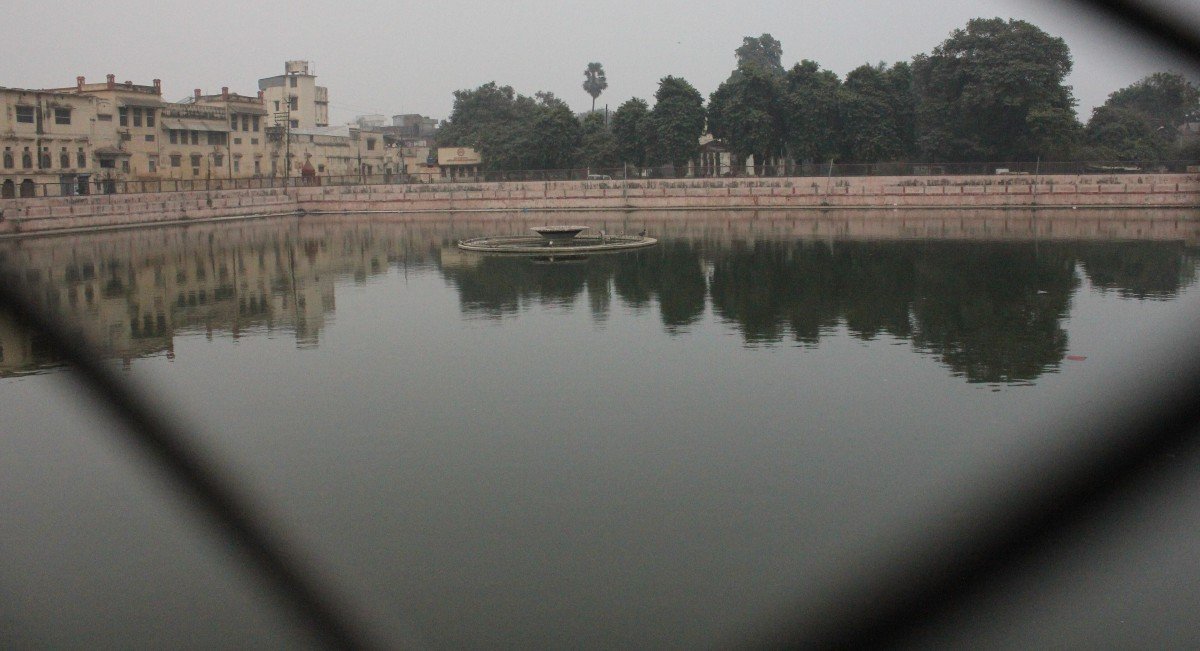
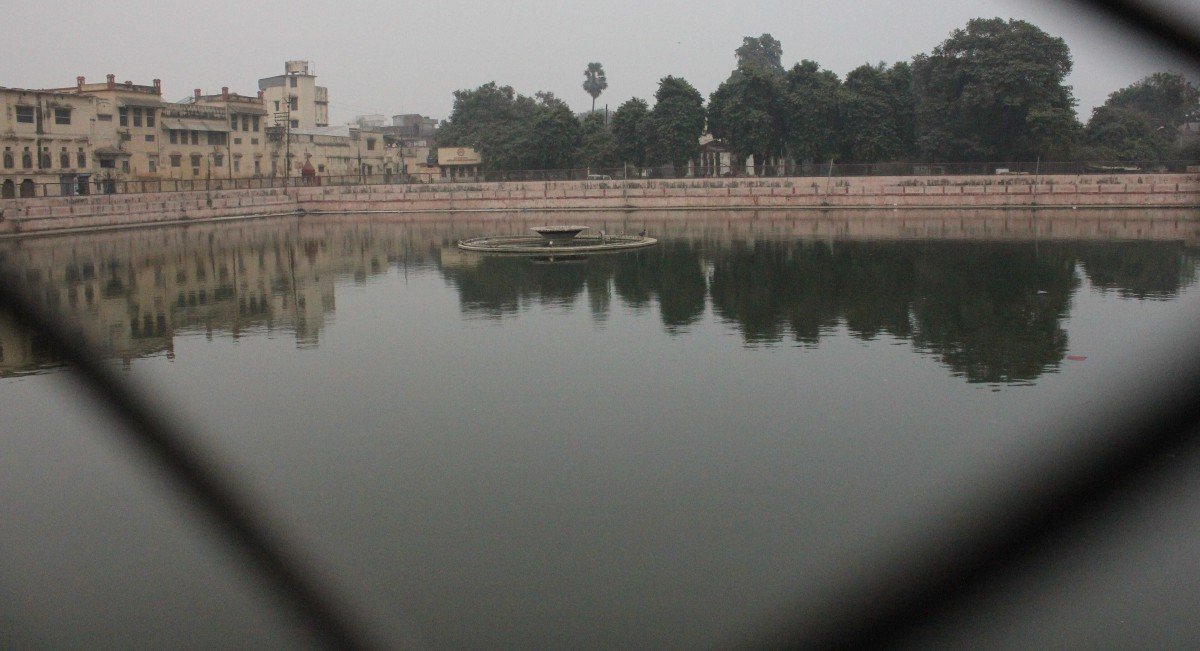
The Kund Design: The adjacent Durga Kund (pond) is a significant architectural feature. It is rectangular in shape, surrounded by stone steps (Ghats) on all four sides, with small watch-pillars at each corner, reminiscent of a royal bathing tank or a large reservoir.
Temple Complex: The temple structure includes the main sanctum (Garbagriha), a spacious assembly hall (Mandapa), and several smaller shrines for subsidiary deities. The Shikhara features ornamental carvings and is a classic example of 18th-century temple building.
: -
How To Reach:
By Air: Fly to Lal Bahadur Shastri International Airport (VNS), approximately 29 KMS away. Take a pre-paid taxi or cab to the temple, which is on a major road, taking about 60-75 minutes.
By Train: Arrive at Varanasi Junction (Varanasi Cant...By Air: Fly to Lal Bahadur Shastri International Airport (VNS), approximately 29 KMS away. Take a pre-paid taxi or cab to the temple, which is on a major road, taking about 60-75 minutes.
By Train: Arrive at Varanasi Junction (Varanasi Cantt Station - BSB) (approx. 7 KMS). From there, hire an auto-rickshaw or taxi directly to the temple, as it is easily accessible by road, unlike the main ghats. Mughal Sarai (DDU) is 15 KMS.
By Road: The temple is located in the Durga Kund area on a relatively main road and is well-connected. Public buses and private cars can reach the temple directly. Roadside parking is often available, but watch for restrictions.
By Local Transport: Auto-rickshaws, cycle-rickshaws, and local taxis are easily available from all parts of the city. Due to its location on a wider road, the temple is more accessible than the deep, narrow lanes of the old city center.
: -
Weather and Best Time to Visit:
Different Types of Seasons: Winter (October to March) is the Best Time to Visit due to comfortable temperatures, which make the queues and outdoor viewing of the Kund pleasant. Summer is very hot, so a quick visit is recommended in the early morning. Monsoon fills the Kund...Different Types of Seasons: Winter (October to March) is the Best Time to Visit due to comfortable temperatures, which make the queues and outdoor viewing of the Kund pleasant. Summer is very hot, so a quick visit is recommended in the early morning. Monsoon fills the Kund fully, which is visually appealing, but the weather is humid.
Different Parts of the Day: Early Morning (5:00 AM to 7:00 AM) is ideal for a peaceful Darshan and avoiding crowds. Late Afternoon is also pleasant. Mid-day (1:00 PM to 4:00 PM) should be avoided as the temple is generally closed for a few hours.
: -
Near Tourist Places:
Tulsi Manas Mandir (0.
5 KMS):
Sankat Mochan Hanuman Temple (2 KMS): Assi Ghat (2.
5 KMS):
New Vishwanath Temple (BHU) (3 KMS):
Bharat Kala Bhavan Museum (3 KMS):
Kashi Vishwanath Temple (4 KMS):
Dashashwamedh Ghat (4 KMS):
Harishchandra Ghat (3 KMS):
Ramnagar Fort (6 KMS):
Gyan Vapi Well (4 KMS):
Tourism Tips
-
Health & Safety: Be highly vigilant of the monkeys in the area; do not carry food openly, and secure any loose items like spectacles or water bottles, as they can snatch them. The temple premises are safe, but the ground can be uneven.
Packing...Health & Safety: Be highly vigilant of the monkeys in the area; do not carry food openly, and secure any loose items like spectacles or water bottles, as they can snatch them. The temple premises are safe, but the ground can be uneven.
Packing: Dress modestly, covering shoulders and knees, as is customary for Hindu temples. Red or yellow clothing is sometimes worn by devotees. Comfortable walking shoes are adequate.
Accommodation: Staying in the Bhelupur area is very convenient for visiting this temple and the nearby BHU campus attractions. This area is less chaotic than the central ghats.
Other Different Topics Heading (Cultural Note): Note the restriction for non-Hindus entering the inner sanctum and respect this rule. Always remove your footwear outside the main temple building and be wary of the unofficial guides.
:
Reviews
FAQs
Varanasi Itineray And Cost:-
Durga Kund Temple Tourism:-
Other Places In Varanasi :-
Other States In India :-
Information about New and Updated Locations() of Uttar Pradesh Has Been Added :-
Card subtitle
Note:-
Information provided here in good Faith and for reference only.
Near Places
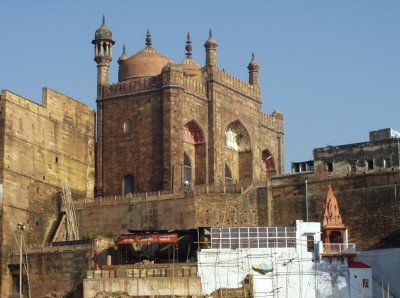
Alamgir Mosque
Some quick example text to build on the card title and make up the bulk of the card's content.
Go somewhere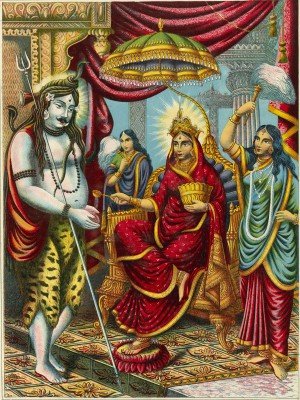
Annapurna Devi Mandir
Some quick example text to build on the card title and make up the bulk of the card's content.
Go somewhere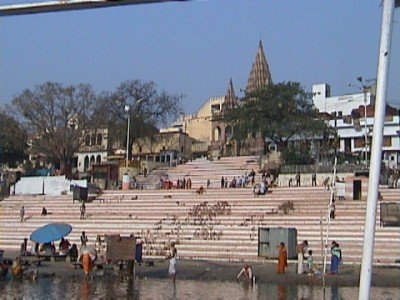
Assi Ghat
Some quick example text to build on the card title and make up the bulk of the card's content.
Go somewhere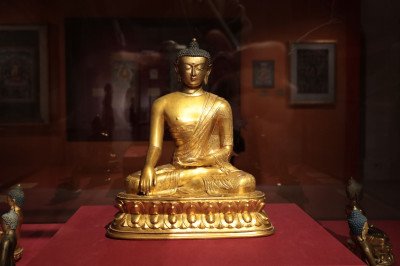
Bharat Kala Bhavan Museum
Some quick example text to build on the card title and make up the bulk of the card's content.
Go somewhere
Bharat Mata Mandir
Some quick example text to build on the card title and make up the bulk of the card's content.
Go somewhere
Dashashwamedh Ghat
Some quick example text to build on the card title and make up the bulk of the card's content.
Go somewhere
Durga Kund Temple
Some quick example text to build on the card title and make up the bulk of the card's content.
Go somewhere
Gyan Vapi Well
Some quick example text to build on the card title and make up the bulk of the card's content.
Go somewhere
Harishchandra Ghat
Some quick example text to build on the card title and make up the bulk of the card's content.
Go somewhere
Kaal Bhairav Mandir
Some quick example text to build on the card title and make up the bulk of the card's content.
Go somewhere
Kashi Vishwanath Temple
Some quick example text to build on the card title and make up the bulk of the card's content.
Go somewhere
Kedar Ghat
Some quick example text to build on the card title and make up the bulk of the card's content.
Go somewhere
Man Mandir Ghat & Observatory
Some quick example text to build on the card title and make up the bulk of the card's content.
Go somewhere
Manikarnika Ghat
Some quick example text to build on the card title and make up the bulk of the card's content.
Go somewhere
Nepali Temple
Some quick example text to build on the card title and make up the bulk of the card's content.
Go somewhere
New Vishwanath Temple
Some quick example text to build on the card title and make up the bulk of the card's content.
Go somewherein Other Cities