Harishchandra Ghat
General information
-
Ideal Duration:
30 Minutes to 1 Hour (For observation):Place Type:
Mortuary Ghat, Religious Site, Historical:Entry Fees:
Ghat Access: There is No Entry Fee to access Harishchandra Ghat. It is a public cremation ground open 24/7.
Photography: No Photography Fee is generally charged, but Close-up photography of the cremations, bodies, or grieving families is st...Ghat Access: There is No Entry Fee to access Harishchandra Ghat. It is a public cremation ground open 24/7.
Photography: No Photography Fee is generally charged, but Close-up photography of the cremations, bodies, or grieving families is strictly prohibited and highly disrespectful. Maintain a respectful distance and use a telephoto lens if needed.
Donations and Scams: Do not donate money for wood to any touts or unauthorized persons claiming to be helping the poor. If you wish to donate, do so only through a verified, registered organisation or the electric crematorium office.
Guide Fees: The services of unofficial 'guides' who offer to explain the death rituals should be politely declined, as they often lead to scams. Observation should be quiet and personal.
:Timing:
Regular Timings: The ghat is Always Open (24/7), as cremations occur throughout the day and night.
Ideal Visit Time: Early Morning (6:00 AM to 8:00 AM) or Late Afternoon (4:30 PM to 6:30 PM) is the Ideal Visit Time for a reflective and less ...Regular Timings: The ghat is Always Open (24/7), as cremations occur throughout the day and night.
Ideal Visit Time: Early Morning (6:00 AM to 8:00 AM) or Late Afternoon (4:30 PM to 6:30 PM) is the Ideal Visit Time for a reflective and less intense viewing experience. The light is also best for photography from a distance.
Avoid: Avoid visiting late at night and during the intense heat of the Mid-day in the summer. Remain quiet and respectful at all times, especially when the final rites are being performed.
Duration Planning: Plan for a respectful observation of 30 minutes to 1 hour. Do not linger unnecessarily or make the families feel uncomfortable with your presence.
:Special Events:
Holi Festival: A unique and profound event occurs here the day after the main Holi festival (usually in March), when the Aghoris and other participants play Holi with the ashes of the pyres (Chita Bhasma Holi), signifying the celebration of detachment and the cycle of life. ...Holi Festival: A unique and profound event occurs here the day after the main Holi festival (usually in March), when the Aghoris and other participants play Holi with the ashes of the pyres (Chita Bhasma Holi), signifying the celebration of detachment and the cycle of life.
Local Anniversary: The anniversary of the mythical event involving Raja Harishchandra is sometimes marked with local puja and readings of the legend, though this is a quieter, local-focused event.
Rituals during Festivals: Like all ghats, the atmosphere during major festivals like Diwali or Makar Sankranti is charged. Though it is a cremation ghat, the spiritual energy of the pilgrims performing holy dips nearby permeates the area.
Full Moon Rituals: The ghat sees increased activity on full moon (Purnima) and new moon (Amavasya) nights, which are considered auspicious for performing rites for ancestors.
:Best Photo Spots:
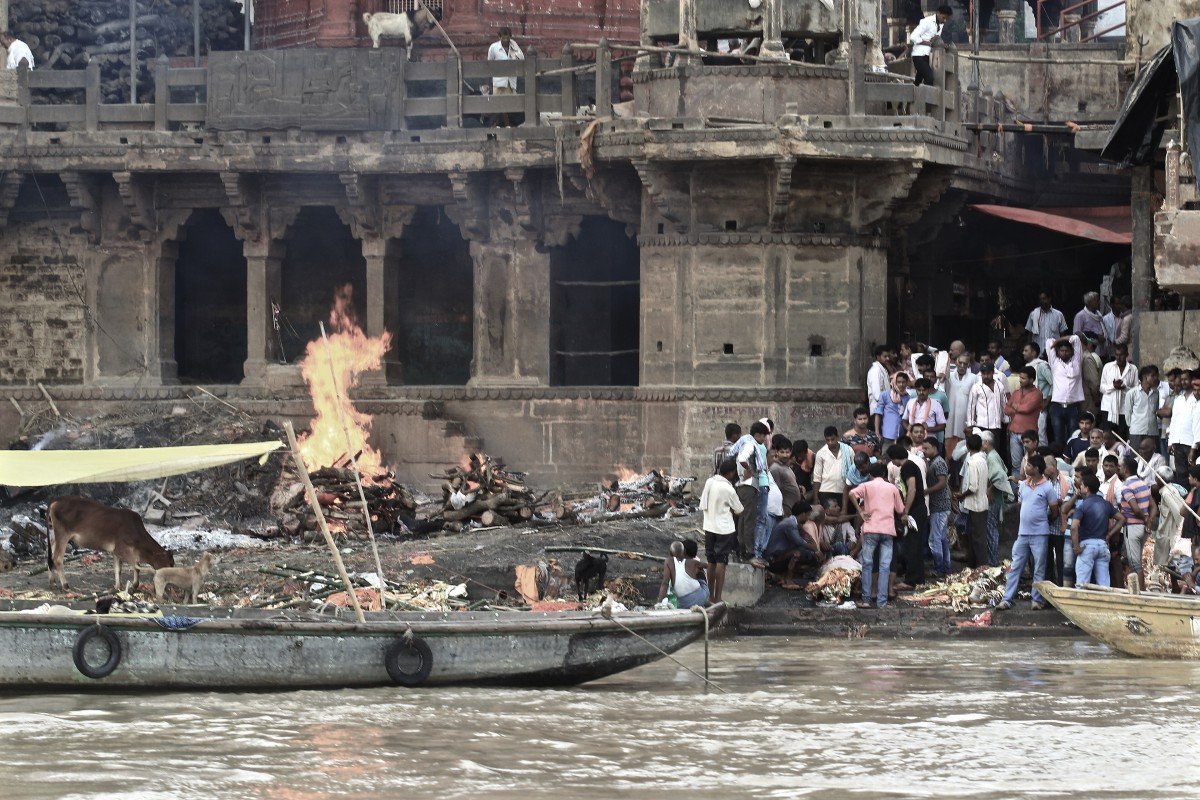
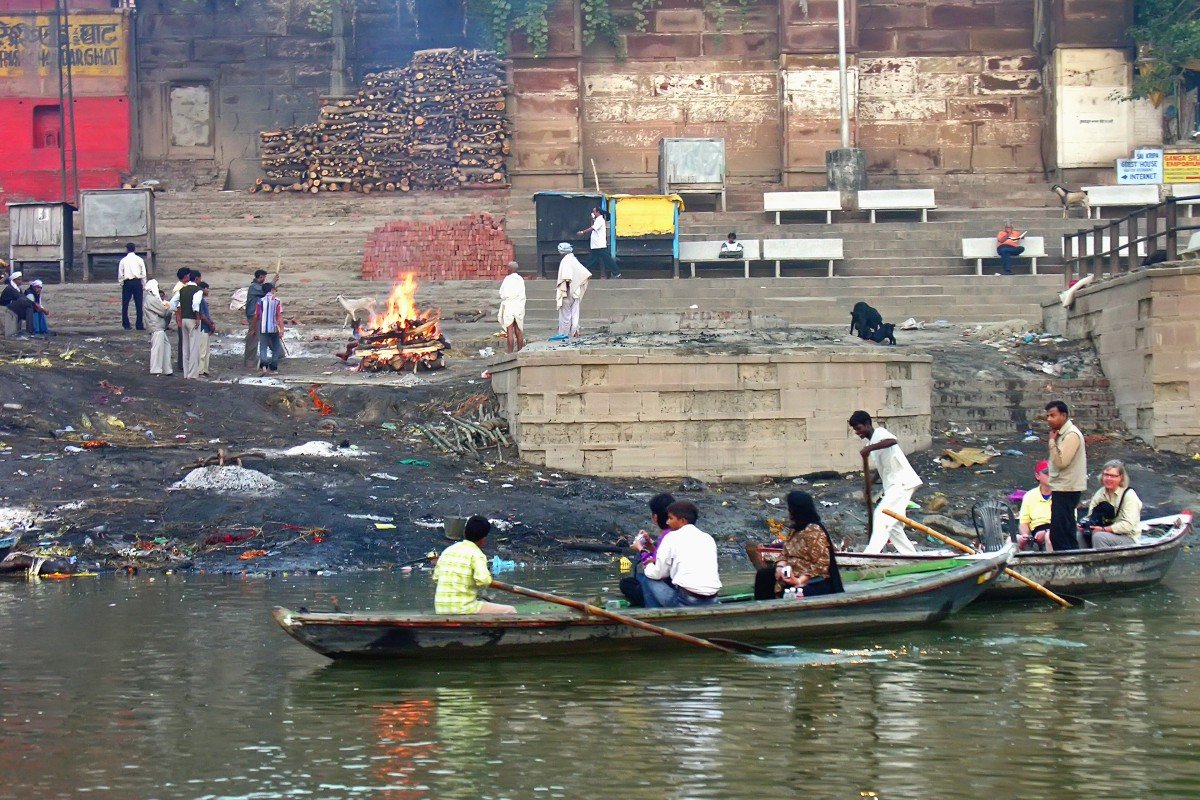
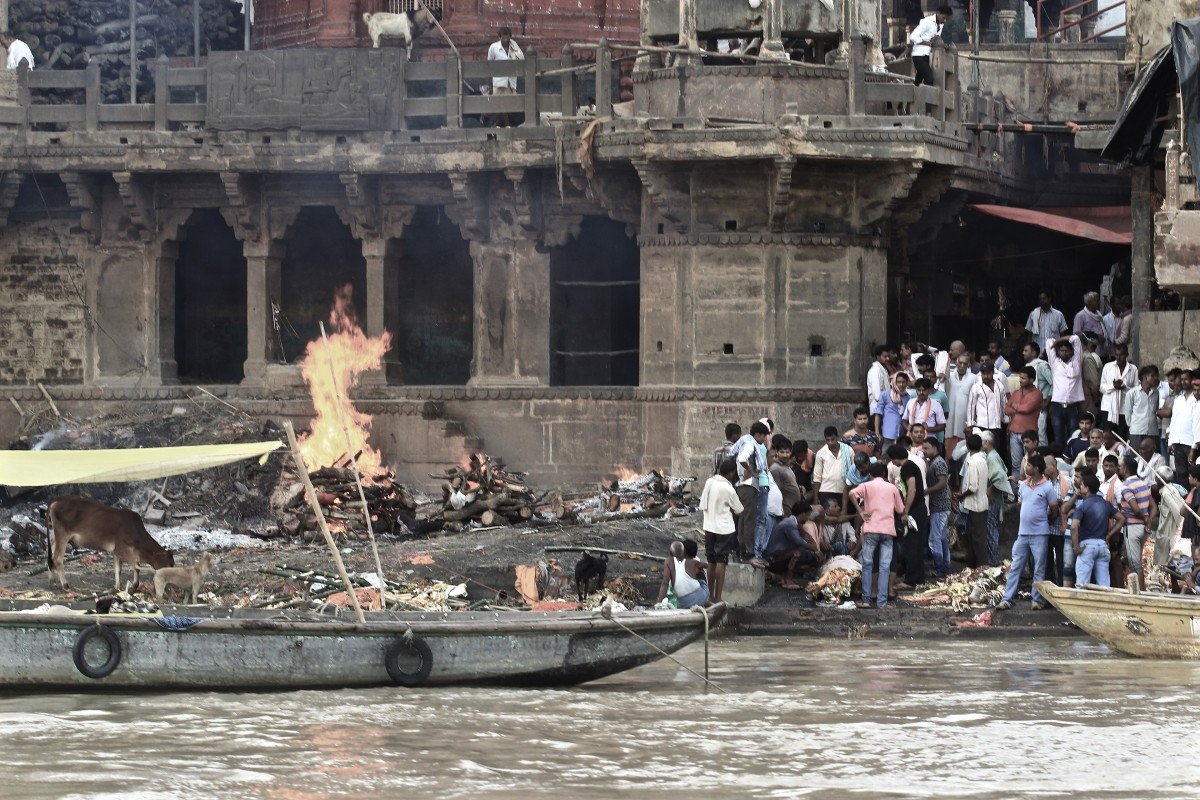
The River View from a Boat: The absolute best shot is from a boat on the Ganges River (at a respectful distance), capturing the rising smoke, the ancient stone steps, and the overall powerful, intense atmosphere of the Maha Smashana at sunset or sunrise.
Read MoreThe River View from a Boat: The absolute best shot is from a boat on the Ganges River (at a respectful distance), capturing the rising smoke, the ancient stone steps, and the overall powerful, intense atmosphere of the Maha Smashana at sunset or sunrise.
The Steps and Pyre Smoke: A wide-angle shot from a distance on a nearby, higher ghat or platform can capture the flow of the steps and the distinct plume of smoke against the sky, conveying the continuous nature of the rituals.
The Silhouette of the Ghat: At sunset, capturing the dark silhouette of the ghat against the fiery sky, with the small flames of the pyres flickering, is a powerful and emotive shot.
The Memorial Shrine: A close-up, respectful photo of the memorial shrine dedicated to Raja Harishchandra can be taken to highlight the legend associated with the site. (Approx.
):Photo Gallery
Things To Do
-
Observe the Cremation Rituals (Respectfully): The main activity is to sit quietly on the steps (not too close to the pyres) and observe the solemn Hindu funeral rites. Maintain absolute silence and respect the families’ grief. Do not point or stare.
Take a Sunrise Boat Ride: Hire a boat from another ghat in the morning and cruise past Harishchandra Ghat to observe the cremations from the river (at a respectful distance). This offers an expansive and reflective view.
Visit the Shiva Temple: Offer a brief prayer at the small ancient Shiva Temple located on the ghat, which is a focal point for the pre-cremation rituals of the mourning families.
Reflect on Life and Death: Use the visit as a profound opportunity for philosophical contemplation on the Hindu concep...Observe the Cremation Rituals (Respectfully): The main activity is to sit quietly on the steps (not too close to the pyres) and observe the solemn Hindu funeral rites. Maintain absolute silence and respect the families’ grief. Do not point or stare.
Take a Sunrise Boat Ride: Hire a boat from another ghat in the morning and cruise past Harishchandra Ghat to observe the cremations from the river (at a respectful distance). This offers an expansive and reflective view.
Visit the Shiva Temple: Offer a brief prayer at the small ancient Shiva Temple located on the ghat, which is a focal point for the pre-cremation rituals of the mourning families.
Reflect on Life and Death: Use the visit as a profound opportunity for philosophical contemplation on the Hindu concept of Moksha (salvation), the cycle of life and death, and the ephemeral nature of the human body.
Explore the Surrounding Lanes: The alleys around Harishchandra Ghat are slightly less touristy than the central ghats, offering a more authentic glimpse into local life in the Bangali Tola area.
View the Electric Crematorium: Take a look at the electric crematorium to observe the blend of ancient traditions with modern technological alternatives for the final rites.
Be Cautious of Guides: Politely but firmly decline any unauthorized 'guides' who offer to explain the rituals or ask for money to buy wood for the poor. Observe quietly on your own.
Photography: Take photos from a distance (from the river is best), focusing on the wide shot of the ghat and the smoke rising, but never take close-up photos of the bodies or the mourning families.
:
Information
-
Why Famous:
Path to Moksha: It is famous as one of the two Maha Smashana (Great Cremation Grounds) of Varanasi, where it is believed that being cremated grants direct salvation (Moksha), making it a highly auspicious and sought-after final resting place for Hindus worldwide.Path to Moksha: It is famous as one of the two Maha Smashana (Great Cremation Grounds) of Varanasi, where it is believed that being cremated grants direct salvation (Moksha), making it a highly auspicious and sought-after final resting place for Hindus worldwide.
Legend of Harishchandra: The poignant and powerful legend of Raja Harishchandra's sacrifice and truthfulness is intrinsically linked to the ghat, giving it a moral and historical significance beyond its mortuary function.
Aghori Presence: The ghat is often associated with the ascetic sect of Aghoris, who perform specific rituals near cremation grounds, adding a layer of intense spiritual mysticism to the site.
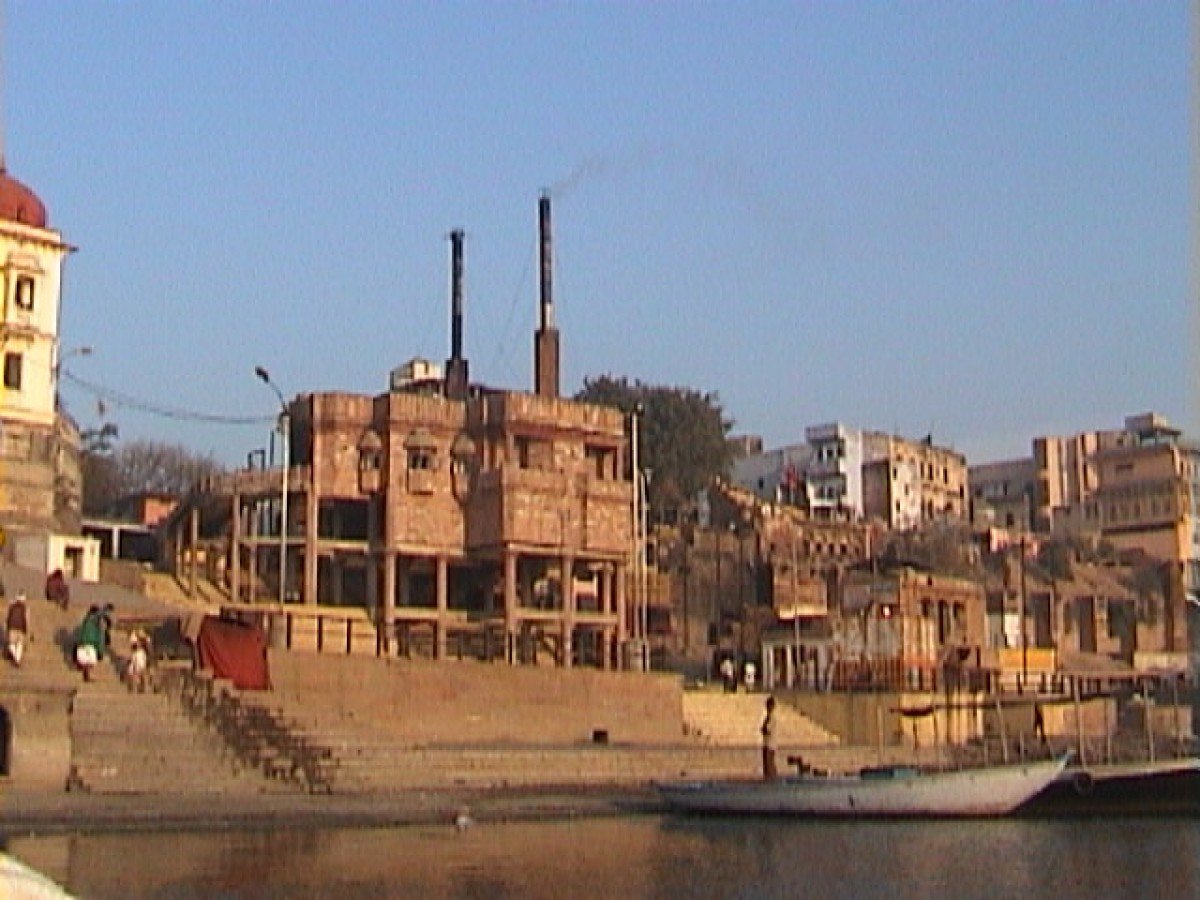
Electric Crematorium: It is one of the few ghats in Varanasi to house a modern electric crematorium, combining ancient belief with modern technology for performing the last rites.
: -
Architecture:
Architectural Style: The ghat is primarily functional, built with broad, steep stone steps descending to the river's edge, designed to facilitate the transport of bodies and the performance of funeral rites. The stone masonry is ancient and has been maintained and repaired ...Architectural Style: The ghat is primarily functional, built with broad, steep stone steps descending to the river's edge, designed to facilitate the transport of bodies and the performance of funeral rites. The stone masonry is ancient and has been maintained and repaired over centuries.
Cremation Platforms: The most prominent features are the numerous permanent stone platforms and areas designated for the open-pyre cremations. These platforms are deliberately open to the sky and face the river, in accordance with Hindu funeral tradition.
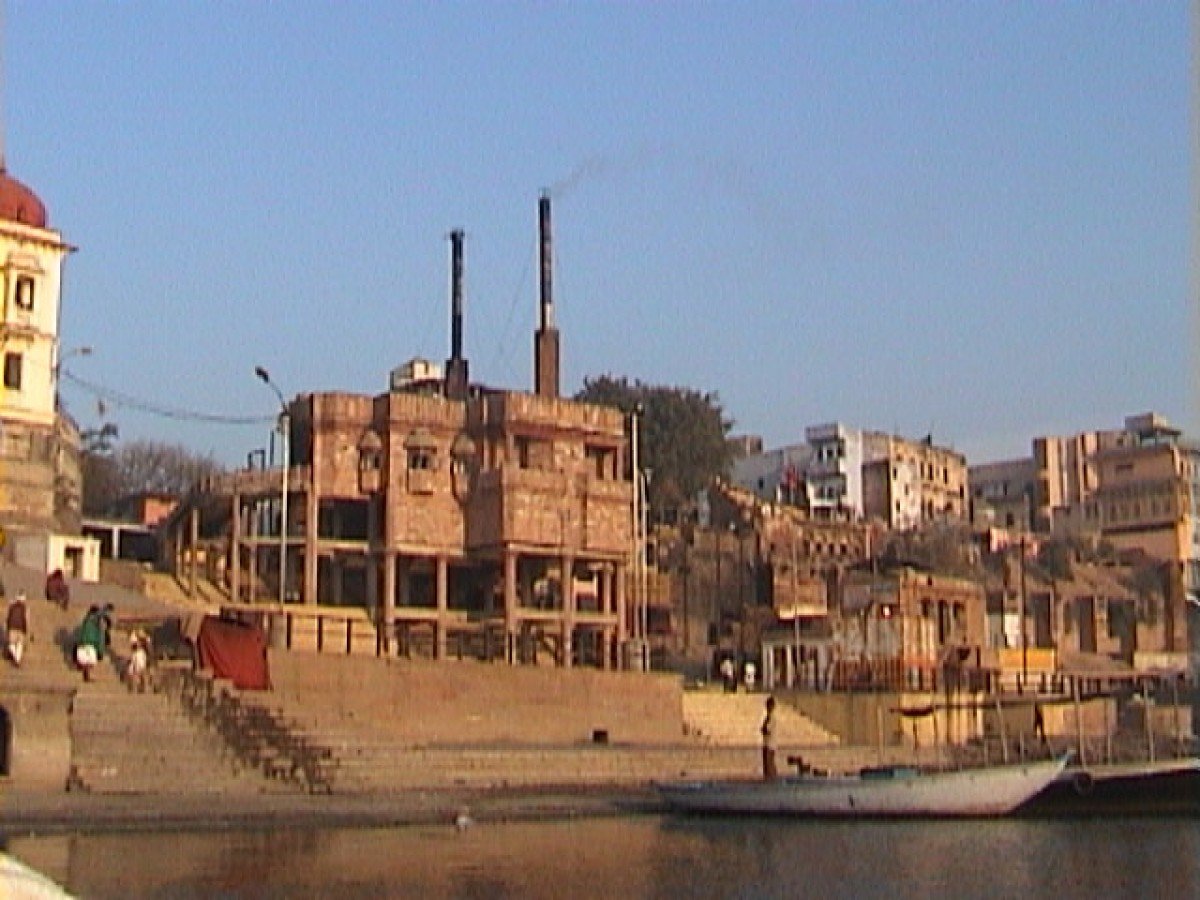
The Electric Crematorium: A modern, functional building houses the electric crematorium, which stands in stark architectural contrast to the ancient stone steps and traditional pyres, representing the evolving methods of performing last rites.
Temple Shrines: The ghat complex includes a small, ancient temple dedicated to Lord Shiva (Mahadev) and a memorial shrine dedicated to Raja Harishchandra himself, his wife Taramati, and their son Rohitashwa, highlighting the location of the legendary events.
: -
How To Reach:
By Air: Fly to Lal Bahadur Shastri International Airport (VNS), approximately 27 KMS away. Take a taxi/cab to the nearest road access point (approx. 60-90 minutes).
By Train: Arrive at Varanasi Junction (Varanasi Cantt Station - BSB) (appr...By Air: Fly to Lal Bahadur Shastri International Airport (VNS), approximately 27 KMS away. Take a taxi/cab to the nearest road access point (approx. 60-90 minutes).
By Train: Arrive at Varanasi Junction (Varanasi Cantt Station - BSB) (approx. 5 KMS). From there, take an auto-rickshaw to the nearest motorable area (Bangali Tola or Chowk). The ghat is not directly motorable.
By Road: Vehicles must be parked at a short walking distance. The final approach requires navigating the narrow, ancient lanes on foot. Follow the signs carefully, or hire a local cycle-rickshaw for the last few hundred meters.
By Local Transport: Auto-rickshaws, cycle-rickshaws, and e-rickshaws can take you close to the area. The best way to approach for a quiet observation is via a boat ride from Dashashwamedh Ghat or Assi Ghat.
: -
Weather and Best Time to Visit:
Different Types of Seasons: Winter (October to March) is the Best Time to Visit. The cooler weather makes the contemplative observation tolerable. Summer is harsh and intense. Monsoon causes the river level to rise, sometimes submerging the lower platforms and making acce...Different Types of Seasons: Winter (October to March) is the Best Time to Visit. The cooler weather makes the contemplative observation tolerable. Summer is harsh and intense. Monsoon causes the river level to rise, sometimes submerging the lower platforms and making access difficult.
Different Parts of the Day: Late Afternoon is recommended for the most dramatic and emotive views of the smoke and pyres against the sunset light. Early Morning is suitable for quiet, reflective viewing. Mid-day should be avoided.
: -
Near Tourist Places:
Manikarnika Ghat (1.
5 KMS): Dashashwamedh Ghat (1.
5 KMS):
Kashi Vishwanath Temple (2 KMS): Assi Ghat (1.
5 KMS):
Durga Kund Temple (3 KMS):
Tulsi Manas Mandir (3 KMS): Nepali Temple (Lalita Ghat) (1 KM) Alamgir Mosque (4 KMS):
Ramnagar Fort (6 KMS):
Gyan Vapi Well (2 KMS):
Tourism Tips
-
Health & Safety: The site is generally safe, but be sensitive to the atmosphere. The open pyres create a lot of smoke; those with respiratory issues should take caution. Do not walk too close to the cremation areas.
Packing: Dress very mo...Health & Safety: The site is generally safe, but be sensitive to the atmosphere. The open pyres create a lot of smoke; those with respiratory issues should take caution. Do not walk too close to the cremation areas.
Packing: Dress very modestly (covering completely) in muted colors. Carry a handkerchief or scarf to cover your nose if the smoke is heavy. Leave all valuables and expensive cameras (unless using a long lens) behind.
Accommodation: Stay in the Assi Ghat or Bhelupur area for slightly better access and quiet, or be prepared for a long walk from the central ghat accommodations. Other Different Topics Heading (Cultural Sensitivity): Maintain a respectful distance. Never try to photograph the bodies or the faces of the mourning family members. Do not smile, laugh, or behave in a loud or disrespectful manner. Observe in silence.
:
Reviews
FAQs
Varanasi Itineray And Cost:-
Harishchandra Ghat Tourism:-
Other Places In Varanasi :-
Other States In India :-
Information about New and Updated Locations() of Uttar Pradesh Has Been Added :-
Card subtitle
Note:-
Information provided here in good Faith and for reference only.
Near Places
Alamgir Mosque
Some quick example text to build on the card title and make up the bulk of the card's content.
Go somewhere
Annapurna Devi Mandir
Some quick example text to build on the card title and make up the bulk of the card's content.
Go somewhere
Assi Ghat
Some quick example text to build on the card title and make up the bulk of the card's content.
Go somewhere
Bharat Kala Bhavan Museum
Some quick example text to build on the card title and make up the bulk of the card's content.
Go somewhere
Bharat Mata Mandir
Some quick example text to build on the card title and make up the bulk of the card's content.
Go somewhere
Dashashwamedh Ghat
Some quick example text to build on the card title and make up the bulk of the card's content.
Go somewhere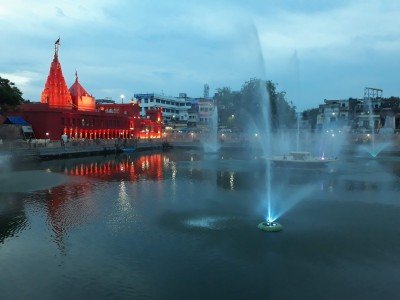
Durga Kund Temple
Some quick example text to build on the card title and make up the bulk of the card's content.
Go somewhere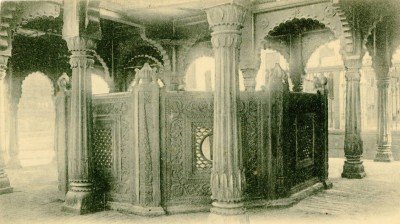
Gyan Vapi Well
Some quick example text to build on the card title and make up the bulk of the card's content.
Go somewhere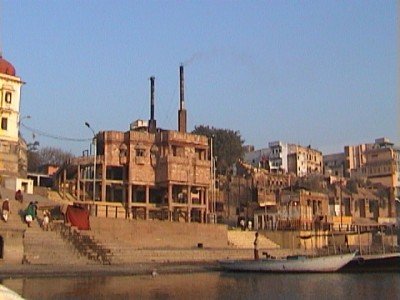
Harishchandra Ghat
Some quick example text to build on the card title and make up the bulk of the card's content.
Go somewhere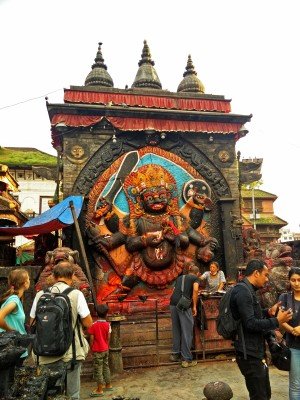
Kaal Bhairav Mandir
Some quick example text to build on the card title and make up the bulk of the card's content.
Go somewhere
Kashi Vishwanath Temple
Some quick example text to build on the card title and make up the bulk of the card's content.
Go somewhere
Kedar Ghat
Some quick example text to build on the card title and make up the bulk of the card's content.
Go somewhere
Man Mandir Ghat & Observatory
Some quick example text to build on the card title and make up the bulk of the card's content.
Go somewhere
Manikarnika Ghat
Some quick example text to build on the card title and make up the bulk of the card's content.
Go somewhere
Nepali Temple
Some quick example text to build on the card title and make up the bulk of the card's content.
Go somewhere
New Vishwanath Temple
Some quick example text to build on the card title and make up the bulk of the card's content.
Go somewherein Other Cities