
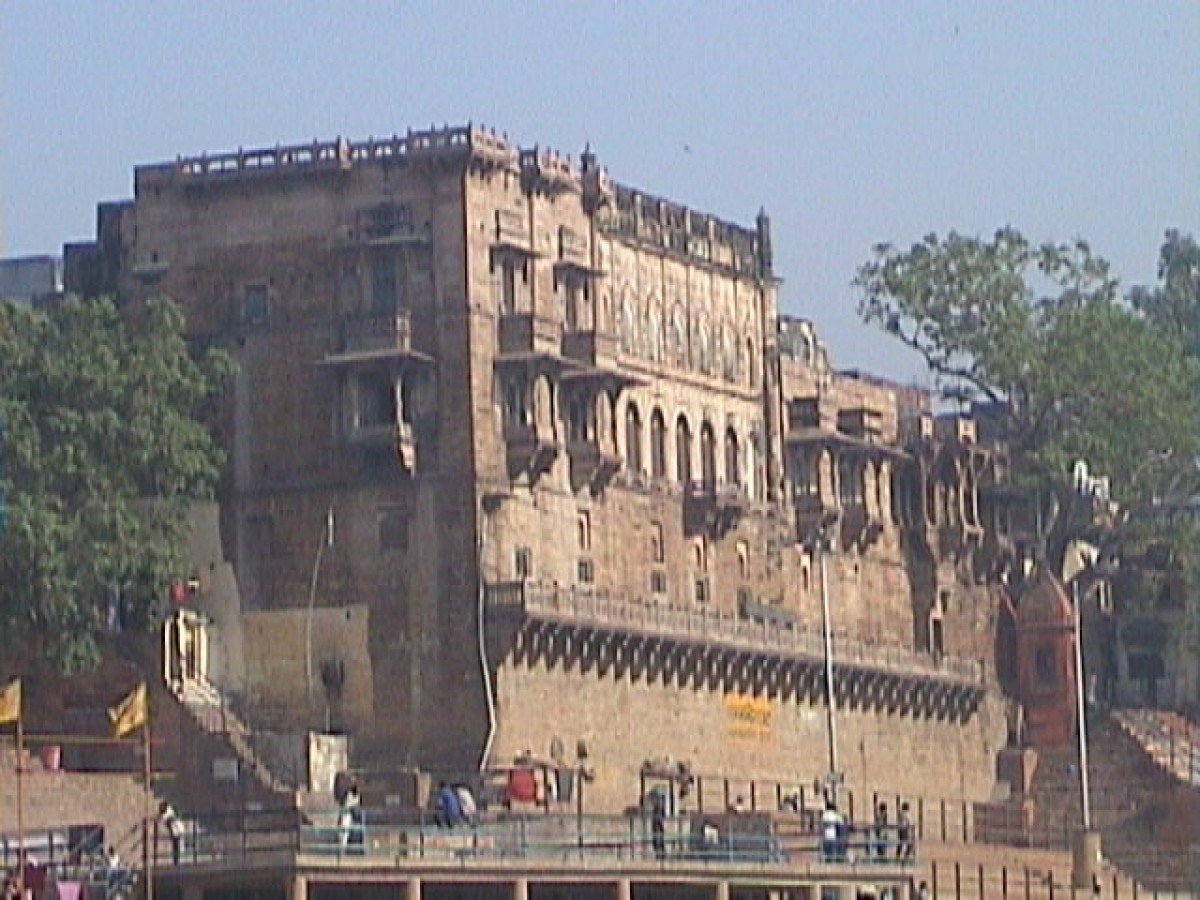
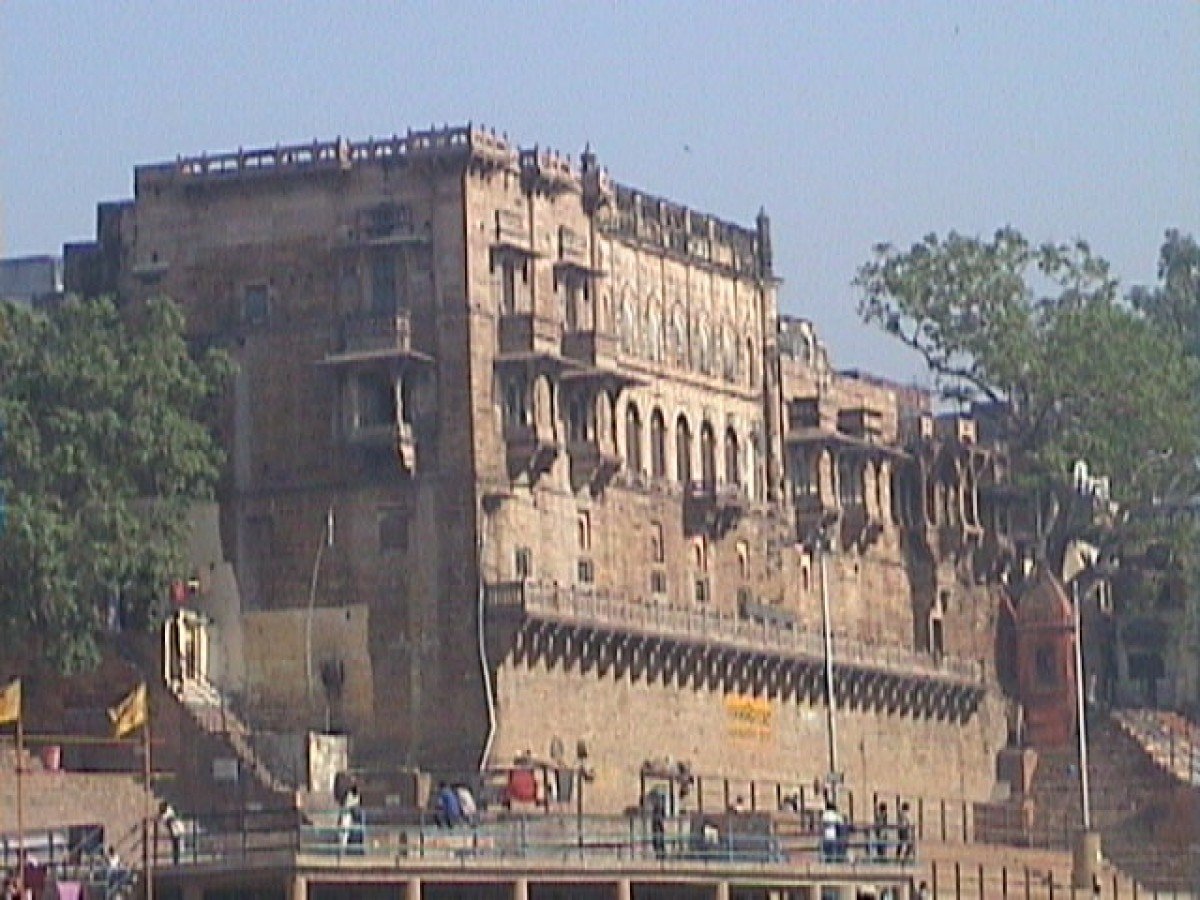
Man Mandir Ghat & Observatory
General information
-
Ideal Duration:
1-2 HoursPlace Type:
Ghat, Historical Monument, ObservatoryEntry Fees:
Observatory Entry Fee: Small fee charged (approx. Rs.5 for Indians, Rs.100 for foreigners) for entering the palace and the observatory precinct, which is managed by the Archaeological Survey of India (ASI). :
General Ghat Access: Free for walkin...Observatory Entry Fee: Small fee charged (approx. Rs.5 for Indians, Rs.100 for foreigners) for entering the palace and the observatory precinct, which is managed by the Archaeological Survey of India (ASI). :
General Ghat Access: Free for walking and accessing the river. :
Guided Tours: Separate fees apply if you hire a local guide to explain the historical and astronomical significance of the instruments and the palace.Timing:
Regular Timings (Observatory): Generally 9:00 AM to 5:00 PM. :
Ideal Visit Time: Early morning (9:00 AM to 11:00 AM) to comfortably view the instruments when the sun is not too harsh and for the best light on the structures, or late afternoon...Regular Timings (Observatory): Generally 9:00 AM to 5:00 PM. :
Ideal Visit Time: Early morning (9:00 AM to 11:00 AM) to comfortably view the instruments when the sun is not too harsh and for the best light on the structures, or late afternoon (4:00 PM - 5:00 PM) to catch the soft evening light and prepare for the nearby Aarti.Special Events:
Holi and Diwali Celebrations: Being a royal structure, traditional Rajput customs and festivities are sometimes observed at the palace, offering a unique cultural blend during major Hindu festivals, though these are often private affairs. :
Ganga...Holi and Diwali Celebrations: Being a royal structure, traditional Rajput customs and festivities are sometimes observed at the palace, offering a unique cultural blend during major Hindu festivals, though these are often private affairs. :
Ganga Aarti (Daily): While not an event of the ghat itself, its proximity makes it a prime location for viewing the most famous daily ritual of Varanasi, the Dashashwamedh Ganga Aarti, which happens every evening.Best Photo Spots:
The Observatory Instruments: Focus on close-up shots of the large, precise instruments, capturing the shadows cast by the sun for a sense of their function and scale. :
View of Dashashwamedh: Capture the entire scene of Dashashwamedh Ghat and...The Observatory Instruments: Focus on close-up shots of the large, precise instruments, capturing the shadows cast by the sun for a sense of their function and scale. :
View of Dashashwamedh: Capture the entire scene of Dashashwamedh Ghat and the Ganga Aarti from the elevated vantage point of the Man Mahal roof or balcony. :
Architectural Details: Capture the elaborate jali work (latticed windows) and the arched structures of the Man Mahal Palace itself, highlighting the Rajput-Mughal architectural fusion. (Approx. )Photo Gallery
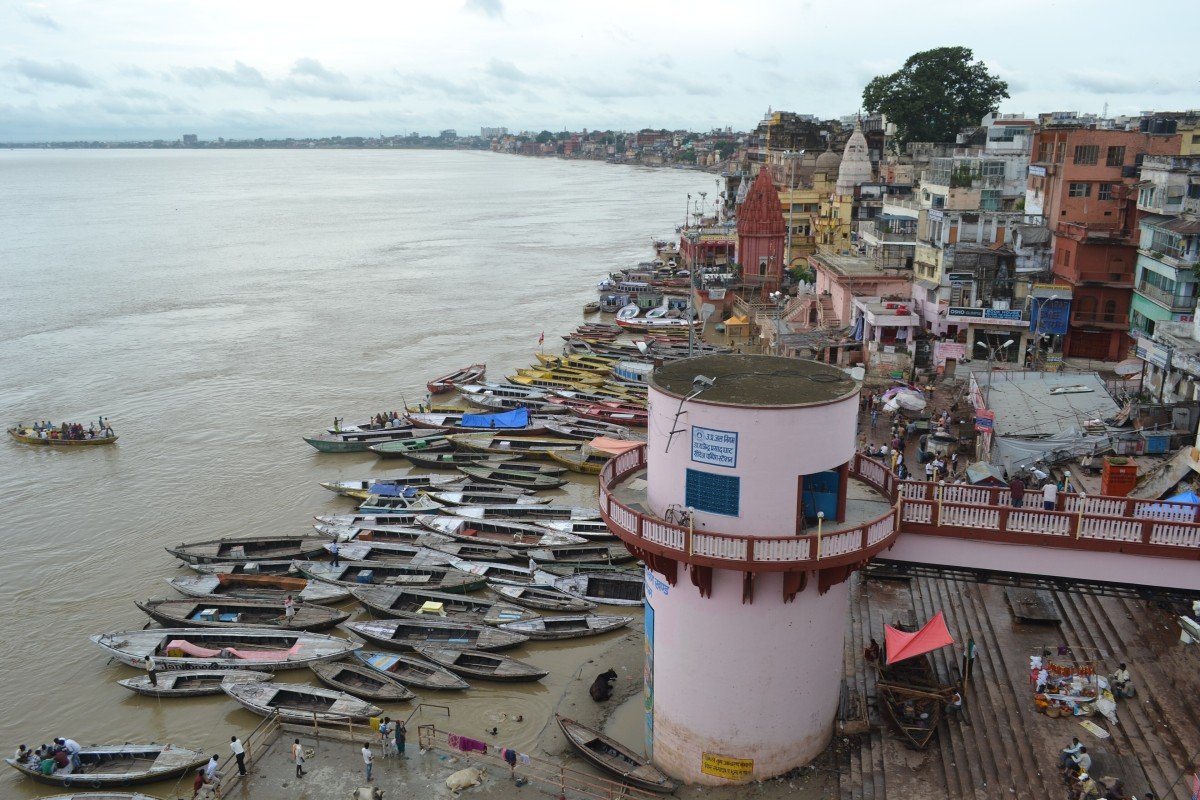
Things To Do
-
Visit the Observatory: Explore the large astronomical instruments and understand their purpose in measuring celestial movements and time, often with the help of a local guide who can explain the principles of the Samrat Yantra. :
Panoramic River View: Take time on the upper floors of the Man Mahal to capture the sweeping view of the Ganga and the adjoining ghats, especially Dashashwamedh Ghat. :
Stay for Ganga Aarti: Although the main Ganga Aarti is at the adjacent Dashashwamedh Ghat, the roof of the Man Mandir building provides a fantastic, elevated viewing spot to watch the elaborate ceremony from a comfortable distance, offering a unique perspective of the illuminated priests and the thousands of lamps. :
Explore the Surrounding Lanes: The immediate vicinity, bei...Visit the Observatory: Explore the large astronomical instruments and understand their purpose in measuring celestial movements and time, often with the help of a local guide who can explain the principles of the Samrat Yantra. :
Panoramic River View: Take time on the upper floors of the Man Mahal to capture the sweeping view of the Ganga and the adjoining ghats, especially Dashashwamedh Ghat. :
Stay for Ganga Aarti: Although the main Ganga Aarti is at the adjacent Dashashwamedh Ghat, the roof of the Man Mandir building provides a fantastic, elevated viewing spot to watch the elaborate ceremony from a comfortable distance, offering a unique perspective of the illuminated priests and the thousands of lamps. :
Explore the Surrounding Lanes: The immediate vicinity, being so close to the central ghats, is an excellent place to wander through the ancient city's narrow lanes, finding local tea stalls, old shrines, and traditional vendors. :
Morning Boat Trip: Start a sunrise boat trip from this ghat to see the other ghats or simply hire a boat to capture the palace and observatory from the river; the unique height and architecture of the complex makes it a standout feature from the water.
Information
-
Why Famous:
Fusion of Science & Spirituality: Its fame lies in the unique combination of a sacred ghat, a royal palace, and a functioning astronomical observatory, showcasing how science and spirituality were intertwined in ancient Kashi. :
The Jaipur Connec...Fusion of Science & Spirituality: Its fame lies in the unique combination of a sacred ghat, a royal palace, and a functioning astronomical observatory, showcasing how science and spirituality were intertwined in ancient Kashi. :
The Jaipur Connection: It is a key landmark establishing the continuous patronage of the Kachhwaha Rajputs towards Varanasi, providing both a magnificent palace and a center for scientific learning. -
Architecture:
Rajput-Mughal Blend: The Man Mahal Palace is a prime example of the blend of Rajput (chhatri, balconies, open courtyards) and Mughal (arches, delicate latticework jali) architectural styles, constructed primarily in sandstone. :
The Jantar Mantar...Rajput-Mughal Blend: The Man Mahal Palace is a prime example of the blend of Rajput (chhatri, balconies, open courtyards) and Mughal (arches, delicate latticework jali) architectural styles, constructed primarily in sandstone. :
The Jantar Mantar (Observatory): The observatory features large, fixed masonry instruments made of stone and plaster, like the Samrat Yantra (sundial) and Digamsa Yantra, used to measure time, celestial coordinates, and planetary positions with precision, reflecting advanced Indian astronomical knowledge. :
Dimension & Feature: The grand building features intricately carved latticed windows on the balconies and a jutted north-east balcony offering the iconic river view. The main observatory instruments are large-scale architectural structures built for measurement. -
How To Reach:
By Air: Nearest airport is VNS (approx. 25 KMS). Take a taxi/cab to Godowlia Chowk. :
By Train: Nearest is BSB (approx. 4 KMS). Take an auto-rickshaw to Godowlia Chowk, the main point of access for the central ghats. :
Read MoreBy Air: Nearest airport is VNS (approx. 25 KMS). Take a taxi/cab to Godowlia Chowk. :
By Train: Nearest is BSB (approx. 4 KMS). Take an auto-rickshaw to Godowlia Chowk, the main point of access for the central ghats. :
By Road: Godowlia Chowk is the final point for vehicular traffic. From there, the ghat is a short, ten-minute walk through the busy market lane, or a cycle rickshaw can be taken for the short distance. :
By Local Transport: Easily accessible by walking south from Manikarnika Ghat or north from Dashashwamedh Ghat. Boat rides are often started or ended here due to its central location.Weather and Best Time to Visit:
Seasonal Preference: October to March (Winter) is ideal, providing comfortable daytime temperatures for exploring the outdoor observatory instruments and palace roof. :
Daily Preference: Mid-morning (10:00 AM) for visiting the observatory whe...Seasonal Preference: October to March (Winter) is ideal, providing comfortable daytime temperatures for exploring the outdoor observatory instruments and palace roof. :
Daily Preference: Mid-morning (10:00 AM) for visiting the observatory when its sun-based instruments are most observable, or late evening to secure a good spot on the roof for the Dashashwamedh Aarti view.Near Tourist Places:
Dashashwamedh Ghat (Adjacent), Kashi Vishwanath Temple (0. 5 KM), Manikarnika Ghat (0. 5 KM), Nepali Temple (0. 4 KM), Annapurna Temple (0. 7 KM), Gyanvapi Mosque (0. 7 KM), Scindia Ghat (0. 8 KM), Kala Bhairava Temple (2 KM), Godowlia Market (0. 5 KM), Tulsi Manas Temple (3 KM).Tourism Tips
-
Health & Safety: Be cautious on the steps and palace roof, as the building is ancient. Use the ASI-managed ticket counter. :
Packing: Carry a hat/sunglasses, especially when visiting the outdoor observatory during the day, as there is little...Health & Safety: Be cautious on the steps and palace roof, as the building is ancient. Use the ASI-managed ticket counter. :
Packing: Carry a hat/sunglasses, especially when visiting the outdoor observatory during the day, as there is little shade. Comfortable walking shoes are a must for navigating the ghat steps. :
Accommodation: Numerous guest houses and hotels in the adjacent Dashashwamedh and Godowlia areas provide convenient access. :
Other Tips: Hire a guide at the observatory for a better understanding of the scientific instruments' function, which adds significant value to the visit.
Reviews
FAQs
Varanasi Itineray And Cost:-
Man Mandir Ghat & Observatory Tourism:-
Other Places In Varanasi :-
Other States In India :-
Information about New and Updated Locations() of Uttar Pradesh Has Been Added :-
Card subtitle
Note:-
Information provided here in good Faith and for reference only.
Near Places
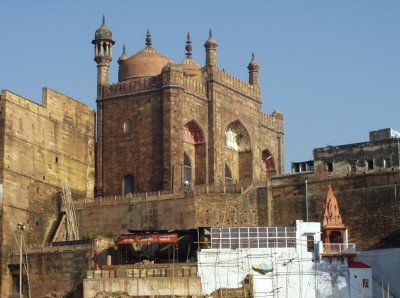
Alamgir Mosque
Some quick example text to build on the card title and make up the bulk of the card's content.
Go somewhere
Annapurna Devi Mandir
Some quick example text to build on the card title and make up the bulk of the card's content.
Go somewhere
Assi Ghat
Some quick example text to build on the card title and make up the bulk of the card's content.
Go somewhere
Bharat Kala Bhavan Museum
Some quick example text to build on the card title and make up the bulk of the card's content.
Go somewhere
Bharat Mata Mandir
Some quick example text to build on the card title and make up the bulk of the card's content.
Go somewhere
Dashashwamedh Ghat
Some quick example text to build on the card title and make up the bulk of the card's content.
Go somewhere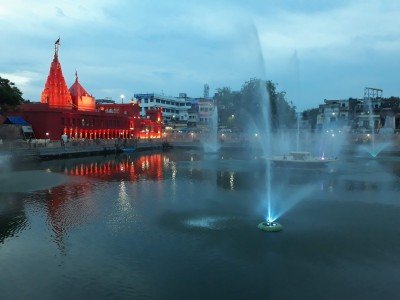
Durga Kund Temple
Some quick example text to build on the card title and make up the bulk of the card's content.
Go somewhere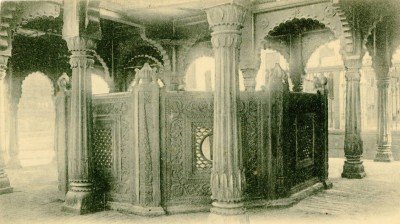
Gyan Vapi Well
Some quick example text to build on the card title and make up the bulk of the card's content.
Go somewhere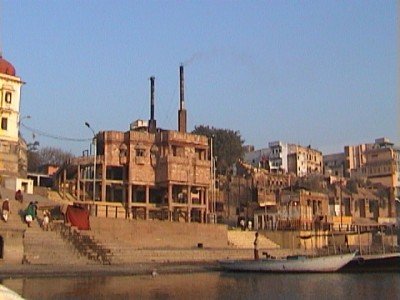
Harishchandra Ghat
Some quick example text to build on the card title and make up the bulk of the card's content.
Go somewhere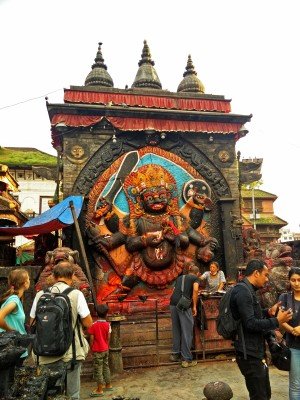
Kaal Bhairav Mandir
Some quick example text to build on the card title and make up the bulk of the card's content.
Go somewhere
Kashi Vishwanath Temple
Some quick example text to build on the card title and make up the bulk of the card's content.
Go somewhere
Kedar Ghat
Some quick example text to build on the card title and make up the bulk of the card's content.
Go somewhere
Man Mandir Ghat & Observatory
Some quick example text to build on the card title and make up the bulk of the card's content.
Go somewhere
Manikarnika Ghat
Some quick example text to build on the card title and make up the bulk of the card's content.
Go somewhere
Nepali Temple
Some quick example text to build on the card title and make up the bulk of the card's content.
Go somewhere
New Vishwanath Temple
Some quick example text to build on the card title and make up the bulk of the card's content.
Go somewherein Other Cities