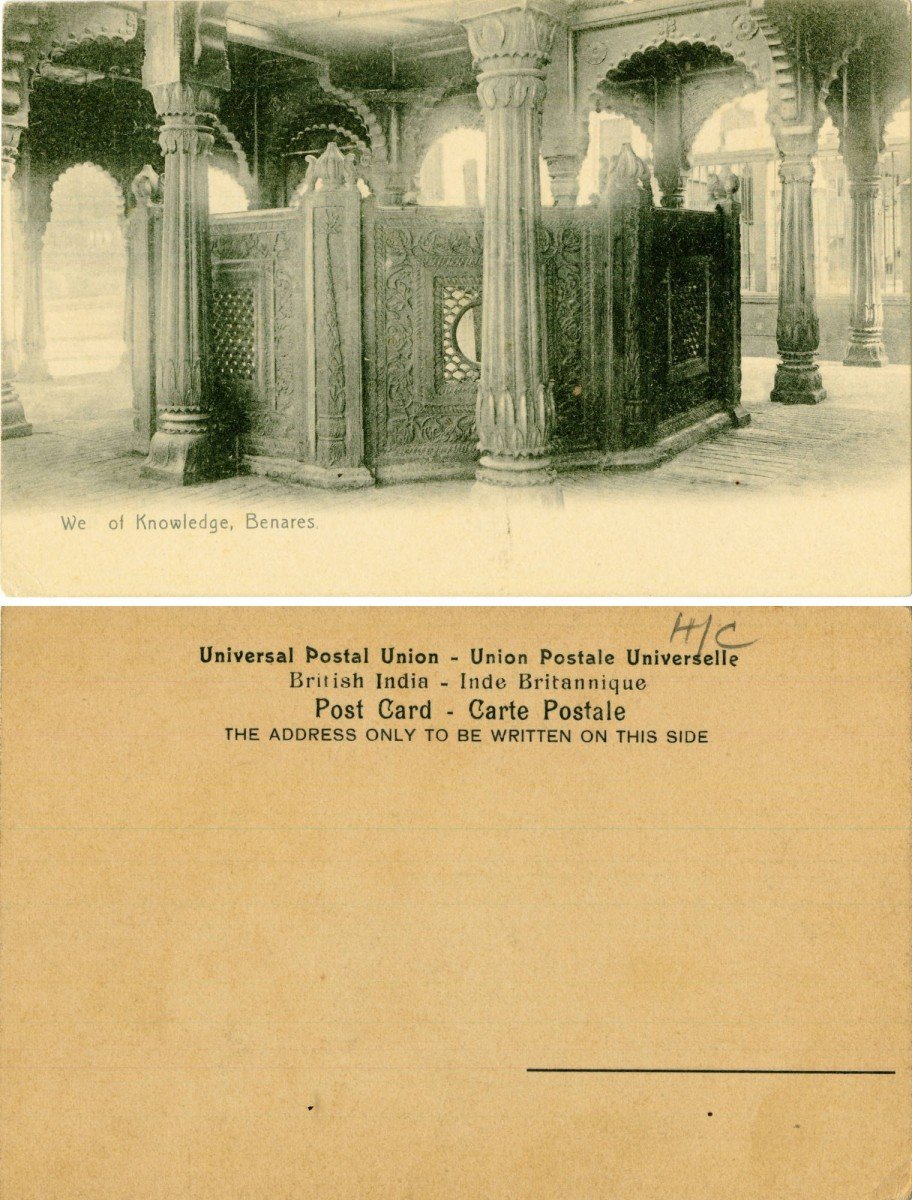
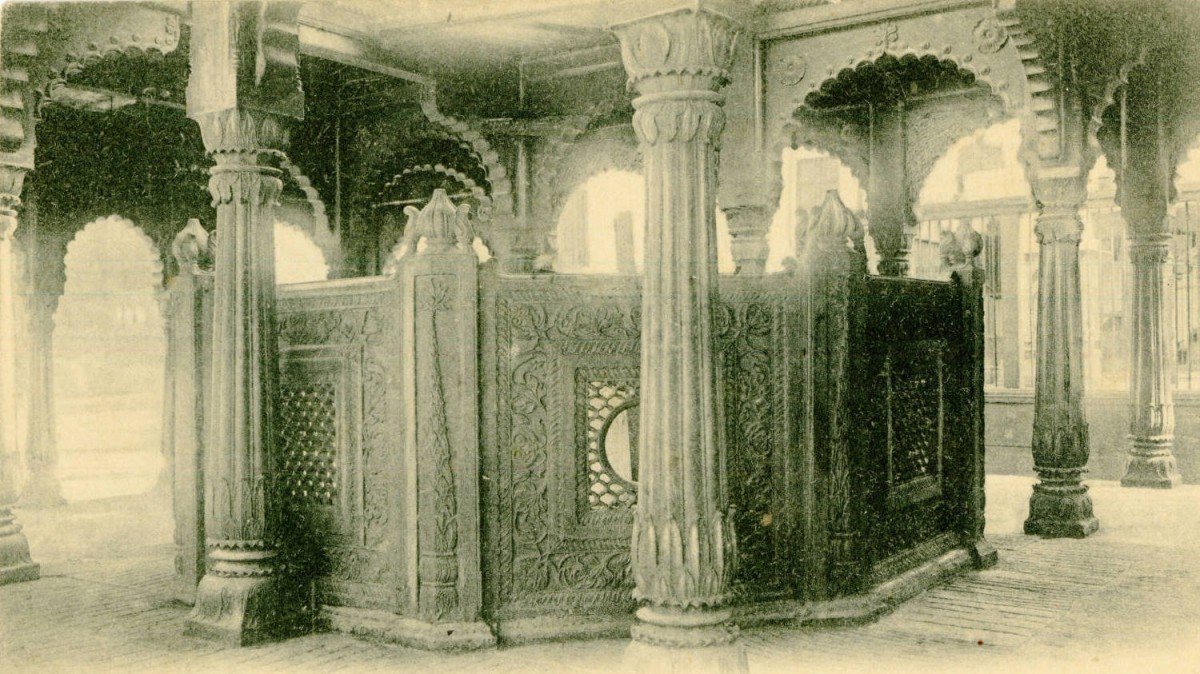
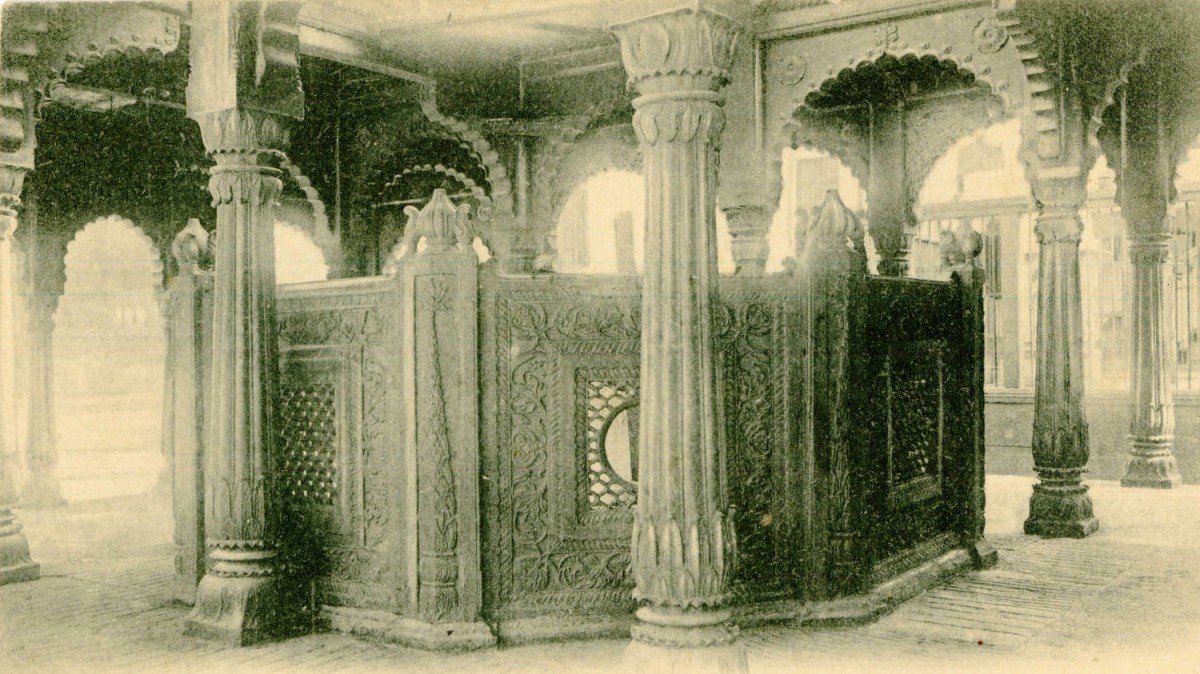
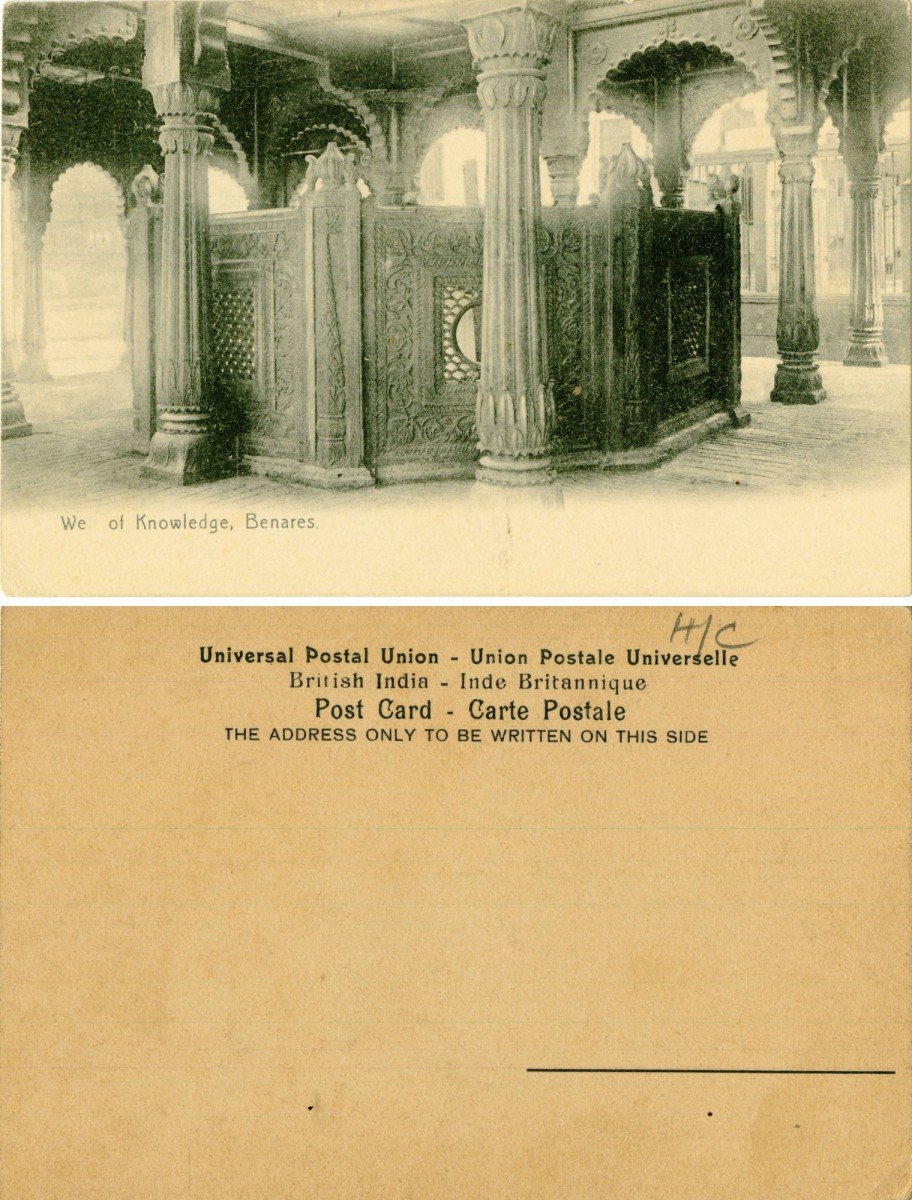
Gyan Vapi Well
General information
-
Ideal Duration:
15 to 30 Minutes:Place Type:
Religious Site, Historical Landmark, Sacred WaterEntry Fees:
Entry to Well: Access to the area around the Gyan Vapi Well is Free of Cost. It is a part of the public access area of the temple complex.
Temple Access Fees: There is No Entry Fee to the main Kashi Vishwanath Temple, but a fee may be charg...Entry to Well: Access to the area around the Gyan Vapi Well is Free of Cost. It is a part of the public access area of the temple complex.
Temple Access Fees: There is No Entry Fee to the main Kashi Vishwanath Temple, but a fee may be charged for expedited Darshan or special VIP passes, especially during highly crowded days like Shivratri.
Photography: Photography is strictly prohibited inside the inner complex of the Kashi Vishwanath Temple, which includes the area immediately around the well, due to security reasons. There is No Photography Fee, but you must leave all electronic devices, bags, and cameras in a locker outside the security cordon.
Security and Locker Fees: There is a mandatory security check. Lockers are available for a small fee (e. g. , Rs.10 to Rs.50) to store mobile phones, cameras, and bags outside the complex.
:Timing:
Regular Timings: The complex is open daily, usually from 2:30 AM to 11:00 PM, generally following the hours of the Kashi Vishwanath Temple. Access to the immediate well area is contingent upon the temple trust's security guidelines.
Ideal Visit...Regular Timings: The complex is open daily, usually from 2:30 AM to 11:00 PM, generally following the hours of the Kashi Vishwanath Temple. Access to the immediate well area is contingent upon the temple trust's security guidelines.
Ideal Visit Time: Early Morning (3:00 AM to 6:00 AM) is the Ideal Visit Time for a peaceful Darshan and view of the complex before the large crowds of the day start arriving. This is also when the Mangala Aarti takes place.
Peak Hours: Avoid mid-morning and the hours leading up to the evening Aarti as the crowds are extremely heavy, leading to long waits to enter the complex. Mondays and festival days are the most crowded.
Duration Planning: The visit to the well itself is brief (15-30 minutes), but the entire process of security checks, waiting in line for the temple Darshan, and exploring the adjacent lanes can take 2 to 3 hours.
:Special Events:
Shivratri: The great night of Lord Shiva (usually in February or March) sees massive crowds gathering around the well and the temple complex. Special Aartis and night-long worship sessions are held.
Panchkosi Parikrama Start/End: Though not...Shivratri: The great night of Lord Shiva (usually in February or March) sees massive crowds gathering around the well and the temple complex. Special Aartis and night-long worship sessions are held.
Panchkosi Parikrama Start/End: Though not a single event, the well is the traditional spiritual point for starting and ending the Panchkosi Parikrama. Groups of pilgrims complete this holy walk on various auspicious days throughout the year.
Annakut Festival Proximity: Due to its proximity to the Annapurna Devi Mandir, the spiritual energy of the Annakut festival (day after Diwali) permeates the area, making it an exceptionally auspicious time to visit.
Temple Anniversary: Special, local puja and religious ceremonies are occasionally held by the temple trust to commemorate historical events or anniversaries related to the well and the temple's history.
:Best Photo Spots:
The Nandi & Well Juxtaposition: The most powerful photo spot is capturing the large Nandi statue and the screen of the Gyan Vapi Well in the same frame, symbolising the historical narrative and the powerful devotional atmosphere.
The Stone Scree...The Nandi & Well Juxtaposition: The most powerful photo spot is capturing the large Nandi statue and the screen of the Gyan Vapi Well in the same frame, symbolising the historical narrative and the powerful devotional atmosphere.
The Stone Screen: Focus on the protective stone screen and the ancient masonry of the well, highlighting the texture and the historical layers of the structure within the modern security barriers.
Temple Tower View: A view of the spire (Shikhara) of the adjacent Kashi Vishwanath Temple from the well's area can provide a compelling shot of the towering architecture of the modern temple.
The Devotional Crowd: Capture the intense concentration and devotion of the pilgrims performing silent prayers and rituals around the well's enclosure, respecting their privacy and the solemnity of the moment. (Approx.
):Photo Gallery
Things To Do
-
Perform Circumambulation and Prayer: The main activity is to walk around the perimeter of the well and offer silent prayers, seeking the blessing of knowledge (Gyan) and spiritual liberation. Devotees may also offer flowers or water.
Observe the Historical Complex: Take time to observe the entire complex, including the mosque's western wall and the Nandi statue. Reflect on the historical narrative embedded in the physical structure and the spatial relationship between the different parts.
Visit the Kashi Vishwanath Temple: The well is a mandatory part of the pilgrimage to the main Kashi Vishwanath Temple and should be combined with a Darshan of the modern Jyotirlinga.
Take a Photo (with Permission): Take a picture of the well from the designated viewing area, c...Perform Circumambulation and Prayer: The main activity is to walk around the perimeter of the well and offer silent prayers, seeking the blessing of knowledge (Gyan) and spiritual liberation. Devotees may also offer flowers or water.
Observe the Historical Complex: Take time to observe the entire complex, including the mosque's western wall and the Nandi statue. Reflect on the historical narrative embedded in the physical structure and the spatial relationship between the different parts.
Visit the Kashi Vishwanath Temple: The well is a mandatory part of the pilgrimage to the main Kashi Vishwanath Temple and should be combined with a Darshan of the modern Jyotirlinga.
Take a Photo (with Permission): Take a picture of the well from the designated viewing area, capturing the historical stonework and the complex environment, respecting all security and religious guidelines.
Walk the Vishwanath Gali: After visiting the well, explore the extremely narrow, bustling lanes (Vishwanath Gali) leading to the Dashashwamedh Ghat and Annapurna Mandir, experiencing the dense, medieval heart of Varanasi.
Participate in Panchkosi Parikrama: If you are a committed pilgrim, consider using the Gyan Vapi area as the traditional starting point for the five-day, 80-kilometre pilgrimage circuit of the holy city.
Read the Information Plaques: Look for any available government or historical plaques that provide factual information or the mythological history of the well and the surrounding structures.
Be Aware of Security: Due to the sensitive nature of the site, adhere strictly to the rules set by the security personnel, which may include restrictions on photography or the duration of your stay.
:
Information
-
Why Famous:
Well of Knowledge: It is famous as the well from which Lord Shiva imparted Vedic knowledge (Gyan) to Goddess Parvati, granting it the name Gyan Vapi (Well of Knowledge) and making a drop of its water symbolically potent.
Protector of the Jyotirl...Well of Knowledge: It is famous as the well from which Lord Shiva imparted Vedic knowledge (Gyan) to Goddess Parvati, granting it the name Gyan Vapi (Well of Knowledge) and making a drop of its water symbolically potent.
Protector of the Jyotirlinga: The well gained immense fame and religious gravity as the believed hiding place of the original Kashi Vishwanath Jyotirlinga, submerged by the priest to protect it from destruction in the 17th century.
Symbol of Conflict: The entire area, including the well, is a globally famous symbol of the historical and legal disputes over the sacred site, representing a unique and ongoing chapter in Indian religious history.
Integral to Pilgrimage: It is a critical stop for Hindu pilgrims visiting the Kashi Vishwanath Temple and is mentioned prominently as a starting point for the Panchkosi Parikrama (50-mile pilgrimage circuit) of Kashi.
: -
Architecture:
Architectural Style: The well itself is a simple, deep structure of stone masonry, characteristic of ancient Indian water bodies, dug deep into the ground. It is circular at the top, surrounded by a stone platform.
Key Features: The well is...Architectural Style: The well itself is a simple, deep structure of stone masonry, characteristic of ancient Indian water bodies, dug deep into the ground. It is circular at the top, surrounded by a stone platform.
Key Features: The well is currently enclosed by a high stone wall and a prominent stone screen or railing, which was added to protect and demarcate the sacred space. The surrounding area is paved with stone to accommodate the large number of pilgrims who once used to draw water.
Location and Juxtaposition: Its unique architectural significance lies in its direct and highly symbolic juxtaposition to the main western wall of the adjacent Gyanvapi Mosque and the famous large statue of Nandi, the bull of Lord Shiva. This spatial arrangement tells a powerful historical narrative of religious and political conflict.
Historical Evidence: The remaining columns and the foundation of the demolished older temple are believed to have been used in the construction of the mosque's western wall, making the structure of the area itself a form of historical and architectural documentation of the site's complex past.
: -
How To Reach:
By Air: Fly to Lal Bahadur Shastri International Airport (VNS), approximately 26 KMS away. Take a taxi/cab to the nearest motorable point, Godowlia Chowk, which takes about 60-90 minutes.
By Train: Arrive at Varanasi Junction (Varanasi Cant...By Air: Fly to Lal Bahadur Shastri International Airport (VNS), approximately 26 KMS away. Take a taxi/cab to the nearest motorable point, Godowlia Chowk, which takes about 60-90 minutes.
By Train: Arrive at Varanasi Junction (Varanasi Cantt Station - BSB) (approx. 5 KMS). From here, take an auto-rickshaw to Godowlia. The temple complex is not accessible by car due to the narrow lanes.
By Road: Vehicles must be parked at the main intersections like Godowlia or Maheshpur. The final approach to the well and temple complex must be done on foot (10-15 minutes) or by cycle-rickshaw through the narrow, crowded, and heavily secured lanes (Vishwanath Gali).
By Local Transport: Auto-rickshaws and cycle-rickshaws are the most common transport to reach Godowlia. Follow the security instructions strictly for the walk-in, as the area is heavily cordoned off.
: -
Weather and Best Time to Visit:
Different Types of Seasons: Winter (October to March) is the Best Time to Visit due to pleasant temperatures, making the long waits and congested walk much more tolerable. Summer is extremely hot, and waiting in lines can be very difficult. Monsoon brings heavy rain, which...Different Types of Seasons: Winter (October to March) is the Best Time to Visit due to pleasant temperatures, making the long waits and congested walk much more tolerable. Summer is extremely hot, and waiting in lines can be very difficult. Monsoon brings heavy rain, which makes the lanes slippery and difficult.
Different Parts of the Day: Very Early Morning (3:00 AM to 6:00 AM) is the most spiritual and least crowded time to visit the well and the adjacent temple. Mid-day is hot and crowded, while the Evening is crowded but atmospheric.
: -
Near Tourist Places:
Kashi Vishwanath Temple (0.
1 KMS): Annapurna Devi Mandir (0.
1 KMS): Dashashwamedh Ghat (0.
5 KMS): Nepali Temple (Lalita Ghat) (0.
8 KMS):
Manikarnika Ghat (
1 KMS): Harishchandra Ghat (1.
5 KMS): Alamgir Mosque (2.
5 KMS):
Assi Ghat (4 KMS):
Durga Kund Temple (4 KMS):
Bharat Mata Mandir (4 KMS):
Tourism Tips
-
Health & Safety: Security is very high; be patient with the multiple checkpoints and metal detectors. Do not carry any leather items, mobile phones, cameras, bags, or pens into the complex—they must be stored in a locker outside.
Packing:Health & Safety: Security is very high; be patient with the multiple checkpoints and metal detectors. Do not carry any leather items, mobile phones, cameras, bags, or pens into the complex—they must be stored in a locker outside.
Packing: Carry only the essentials (money, ID, and prasad items). Wear modest, traditional attire. Comfortable walking shoes are essential for the uneven stone lanes.
Accommodation: Stay near Dashashwamedh Ghat or in the Godowlia area for the easiest access, although it will be noisy. The Cantt area offers quieter, modern hotels. Other Different Topics Heading (Cultural Sensitivity): Maintain strict silence and respect in this sensitive area. Be prepared for a long wait and do not argue with security personnel or the temple staff. Use the designated queues for Darshan.
:
Reviews
FAQs
Varanasi Itineray And Cost:-
Other Places In Varanasi :-
Other States In India :-
Information about New and Updated Locations() of Uttar Pradesh Has Been Added :-
Card subtitle
Note:-
Information provided here in good Faith and for reference only.
Near Places
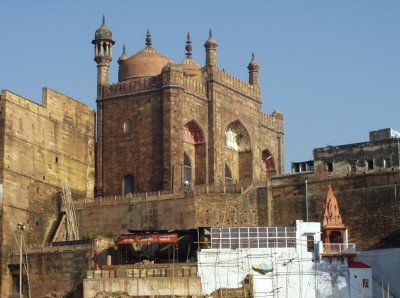
Alamgir Mosque
Some quick example text to build on the card title and make up the bulk of the card's content.
Go somewhere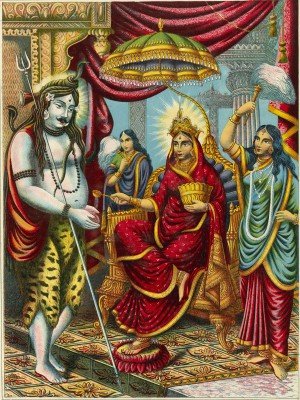
Annapurna Devi Mandir
Some quick example text to build on the card title and make up the bulk of the card's content.
Go somewhere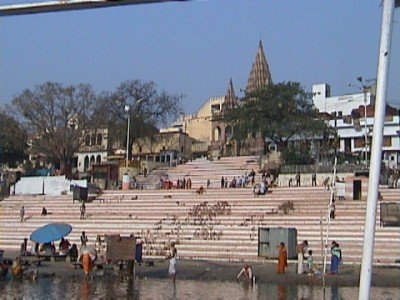
Assi Ghat
Some quick example text to build on the card title and make up the bulk of the card's content.
Go somewhere
Bharat Kala Bhavan Museum
Some quick example text to build on the card title and make up the bulk of the card's content.
Go somewhere
Bharat Mata Mandir
Some quick example text to build on the card title and make up the bulk of the card's content.
Go somewhere
Dashashwamedh Ghat
Some quick example text to build on the card title and make up the bulk of the card's content.
Go somewhere
Durga Kund Temple
Some quick example text to build on the card title and make up the bulk of the card's content.
Go somewhere
Gyan Vapi Well
Some quick example text to build on the card title and make up the bulk of the card's content.
Go somewhere
Harishchandra Ghat
Some quick example text to build on the card title and make up the bulk of the card's content.
Go somewhere
Kaal Bhairav Mandir
Some quick example text to build on the card title and make up the bulk of the card's content.
Go somewhere
Kashi Vishwanath Temple
Some quick example text to build on the card title and make up the bulk of the card's content.
Go somewhere
Kedar Ghat
Some quick example text to build on the card title and make up the bulk of the card's content.
Go somewhere
Man Mandir Ghat & Observatory
Some quick example text to build on the card title and make up the bulk of the card's content.
Go somewhere
Manikarnika Ghat
Some quick example text to build on the card title and make up the bulk of the card's content.
Go somewhere
Nepali Temple
Some quick example text to build on the card title and make up the bulk of the card's content.
Go somewhere
New Vishwanath Temple
Some quick example text to build on the card title and make up the bulk of the card's content.
Go somewherein Other Cities