
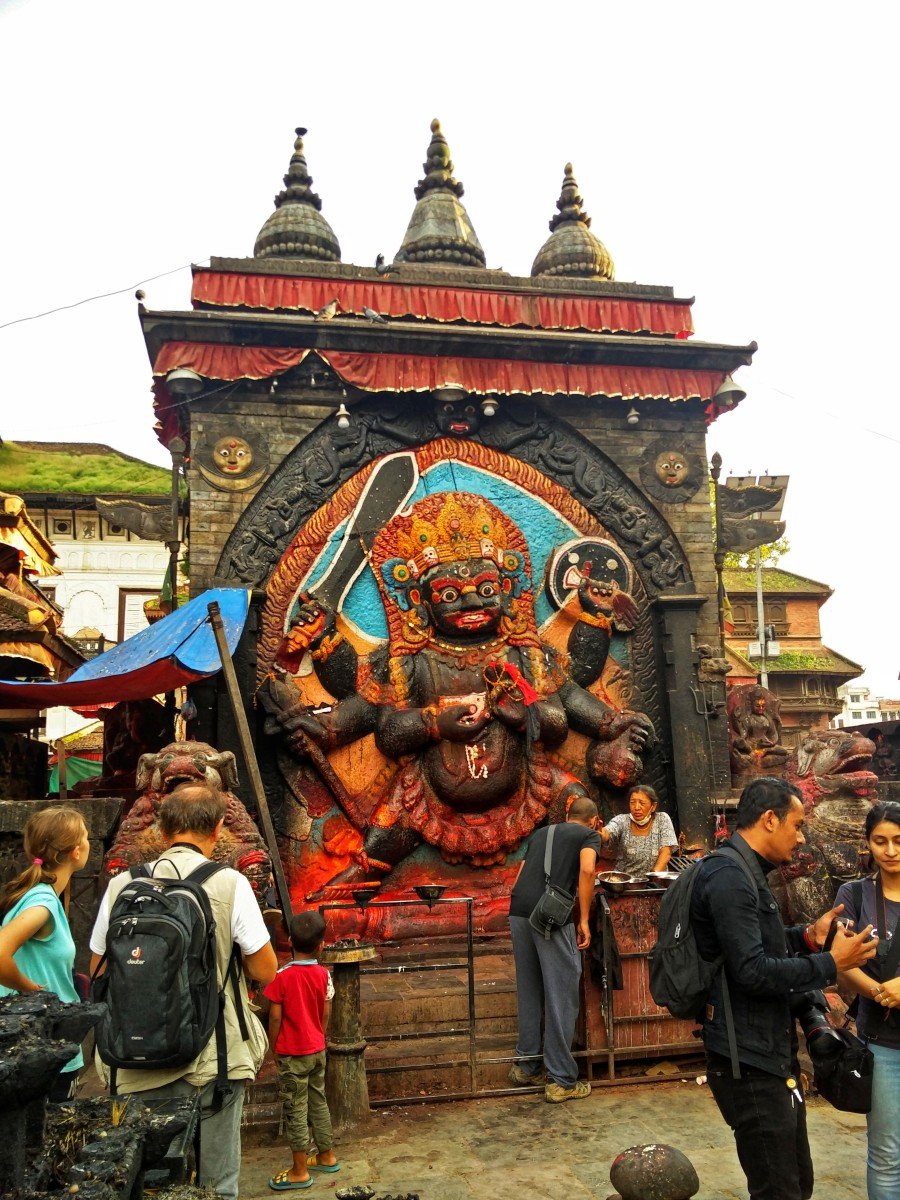
Kaal Bhairav Mandir
General information
-
Ideal Duration:
30 Minutes to 1 Hour (Including waiting time):Place Type:
Temple, Religious Site, Protective Deity:Entry Fees:
Temple Entry: There is No Entry Fee to the Kaal Bhairav Mandir. Access to the main sanctum is free for all Hindu devotees.
Special Darshan Fees: There is generally No Fee for a quick regular Darshan. However, if you opt for a special Puja ...Temple Entry: There is No Entry Fee to the Kaal Bhairav Mandir. Access to the main sanctum is free for all Hindu devotees.
Special Darshan Fees: There is generally No Fee for a quick regular Darshan. However, if you opt for a special Puja or ritual performed by the priest, a donation (fee) for the Puja materials and the priest's service will apply.
Photography/Mobile Phones: Photography is strictly prohibited inside the main sanctum and generally within the temple premises for security and sanctity. You must leave mobile phones and cameras in a locker outside. There is No Photography Fee.
Locker Fees: Lockers are available for a small fee (e. g. , Rs.10 to Rs.30) to store mobile phones and bags in the shops immediately outside the temple complex before the security checkpoint.
:Timing:
Regular Timings: The temple is generally open daily in two sessions: 5:00 AM to 1:30 PM (Morning) and 3:30 PM to 10:00 PM (Evening). The temple is closed briefly in the afternoon.
Ideal Visit Time: The best time to visit is during the Early...Regular Timings: The temple is generally open daily in two sessions: 5:00 AM to 1:30 PM (Morning) and 3:30 PM to 10:00 PM (Evening). The temple is closed briefly in the afternoon.
Ideal Visit Time: The best time to visit is during the Early Morning (5:00 AM to 7:00 AM), when the crowd is manageable and the atmosphere is serene. This is also the time for the first Aarti.
Peak Days: Sundays and Tuesdays are very crowded, especially in the evening. Avoid peak ritual times like the morning Aarti (5:30 AM) and evening Shringar Aarti if you are in a hurry.
Seasonal Best: October to March offers the most comfortable weather for dealing with the outdoor crowds and queues.
:Special Events:
Kaal Bhairav Ashtami: The most significant festival, celebrated on the eighth day of the waning moon in the Hindu month of Margashirsha (usually November or December). Special elaborate pujas are held, and the idol is decorated spectacularly.
A...Kaal Bhairav Ashtami: The most significant festival, celebrated on the eighth day of the waning moon in the Hindu month of Margashirsha (usually November or December). Special elaborate pujas are held, and the idol is decorated spectacularly.
Annakut Festival: The temple celebrates the Annakut festival on the fourth day after Diwali (same day as Annapurna Devi Mandir's famous Darshan), with special Shringar (decoration) and offerings made to the deity.
Shivratri: The temple witnesses a huge influx of pilgrims on Maha Shivratri (usually February or March), celebrating the great night of Lord Shiva, whose fierce form Kaal Bhairav is.
Weekly Special Aarti: Special Shringar Aarti is performed every Sunday and Tuesday—days considered particularly important for the worship of Kaal Bhairav—drawing larger local crowds than usual.
:Best Photo Spots:
The Temple Entrance: A dynamic shot capturing the small but powerful entrance of the temple, framed by the crowds, the stalls of offerings, and the surrounding old city architecture, conveying the intensity of the spiritual space.
The Kaal Bhair...The Temple Entrance: A dynamic shot capturing the small but powerful entrance of the temple, framed by the crowds, the stalls of offerings, and the surrounding old city architecture, conveying the intensity of the spiritual space.
The Kaal Bhairav Idol: Capture the idol from a distance (if allowed and only for a second, as it is a quick Darshan), focusing on the heavy ornamentation and the symbolic silver Mukut (crown) that adorns the fierce face.
The Kala Dhaga Ritual: A close-up, candid photograph of the priest tying the sacred black thread (kala dhaga) on a devotee's wrist, highlighting the focus on protection and personal ritual.
The Narrow Lane Approach: Capture the quintessential Banarasi lane leading up to the temple, with its tall, old buildings, packed crowds, and the visible intensity of the pilgrimage traffic. (Approx.
):Photo Gallery
Things To Do
-
Seek Darshan and Protection: Queue up for a quick but intense Darshan of the ferocious idol of Lord Kaal Bhairav. Offer prayers for protection, a safe life, and liberation (Moksha).
Receive the Black Thread: The most important ritual is to request the priest to tie the sacred black thread (kala dhaga) on your wrist or arm, which is believed to ward off the evil eye and bring good fortune.
Offerings: Devotees often offer liquor (traditionally) or flowers/sweets. Buy the Prasad (sacred offering) from the stalls outside and offer it respectfully in the sanctum.
Visit the Inner Shrines: Take a moment to visit the smaller subsidiary shrines within the temple complex, which are dedicated to other deities, completing the full devotional circuit.
Read MoreSeek Darshan and Protection: Queue up for a quick but intense Darshan of the ferocious idol of Lord Kaal Bhairav. Offer prayers for protection, a safe life, and liberation (Moksha).
Receive the Black Thread: The most important ritual is to request the priest to tie the sacred black thread (kala dhaga) on your wrist or arm, which is believed to ward off the evil eye and bring good fortune.
Offerings: Devotees often offer liquor (traditionally) or flowers/sweets. Buy the Prasad (sacred offering) from the stalls outside and offer it respectfully in the sanctum.
Visit the Inner Shrines: Take a moment to visit the smaller subsidiary shrines within the temple complex, which are dedicated to other deities, completing the full devotional circuit.
Explore the Visheshwarganj Area: The temple is located in the bustling Visheshwarganj area, known for wholesale markets. Walk through these lanes to experience the commercial heart of Old Varanasi, a contrast to the spiritual centre.
Observe the Tantric Worship: Note the specific style of worship, the intense atmosphere, and the offerings. Be respectful of the priests' instructions, as the rituals here are distinct and potent.
Combine with Kashi Vishwanath: Since the temple is a mandatory stop for the Kashi pilgrimage, visit it either before or after the main Kashi Vishwanath Temple Darshan. The two are less than 10 minutes apart by foot.
Attend the Special Aarti: If possible, attend the special Aarti sessions held on Sundays and Tuesdays, which are particularly auspicious days for Lord Kaal Bhairav.
:
Information
-
Why Famous:
Kotwal of Kashi: It is famously known as the temple of the Kotwal of Kashi (City Magistrate), making his Darshan a mandatory final step for any Hindu pilgrimage to Varanasi to receive permission to stay in or leave the city.
Powerful Deity: ...Kotwal of Kashi: It is famously known as the temple of the Kotwal of Kashi (City Magistrate), making his Darshan a mandatory final step for any Hindu pilgrimage to Varanasi to receive permission to stay in or leave the city.
Powerful Deity: Lord Kaal Bhairav is revered as the deity who protects his devotees from all fears, obstacles, and premature death (Kaal means time or death), granting prosperity and a safe journey in life and death.
Black Thread Protection: The temple is famous for the tradition of receiving the sacred black thread (kala dhaga) from the priest, which is worn on the arm or neck for protection against evil spirits and negative forces.
Mythological Origin: The powerful legend of Kaal Bhairav's creation by Lord Shiva and his role in cutting off Lord Brahma's head, which led to the name Kapal Mochan Tirtha, gives the temple deep scriptural importance.
: -
Architecture:
Architectural Style: The architecture is functional and modest, primarily built in the North Indian temple style with a focus on the sanctum (Garbagriha). Unlike the soaring Shikharas of other temples, this temple prioritizes the Tantric focus and the immediate, intense pre...Architectural Style: The architecture is functional and modest, primarily built in the North Indian temple style with a focus on the sanctum (Garbagriha). Unlike the soaring Shikharas of other temples, this temple prioritizes the Tantric focus and the immediate, intense presence of the deity.
Key Features:
The main idol of Kaal Bhairav is distinct: a terrifying, fierce face and form, often heavily adorned with garlands and clothes, making the actual idol less visible. The interior is generally dark and intense, which adds to the mysterious and powerful atmosphere of the deity.
Temple Complex: The complex is small and often cramped due to the heavy flow of pilgrims. It includes the main sanctum and a small courtyard. The architecture reflects the 18th-century Maratha rebuilding efforts, emphasizing sturdy stone construction suitable for daily, intense worship.
Unique Ritualistic Elements: The architecture is geared towards facilitating the specific rituals, such as the offering of liquor (a specific Tantric offering) and the tying of the sacred black thread (kala dhaga) for protection from evil eye and negative energies.
: -
How To Reach:
By Air: Fly to Lal Bahadur Shastri International Airport (VNS), approximately 27 KMS away. Take a taxi/cab to the nearest motorable point, Maheshpur or Visheshwarganj main road.
By Train: Arrive at Varanasi Junction (Varanasi Cantt Station ...By Air: Fly to Lal Bahadur Shastri International Airport (VNS), approximately 27 KMS away. Take a taxi/cab to the nearest motorable point, Maheshpur or Visheshwarganj main road.
By Train: Arrive at Varanasi Junction (Varanasi Cantt Station - BSB) (approx. 5. 5 KMS). From there, take an auto-rickshaw to the Visheshwarganj area. The temple is located in a narrow, dense lane that is not accessible by car or large auto-rickshaw.
By Road: Vehicles must be parked at a distance. The final approach requires a 5-10 minute walk through the labyrinthine alleys of the old city. It is close to the Chowk area.
By Local Transport: Auto-rickshaws and cycle-rickshaws are the most common way to reach the main road near the temple. Due to the high flow of pilgrims, there are many local guides and rickshaws available for hire.
: -
Weather and Best Time to Visit:
Different Types of Seasons: Winter (October to March) is the Best Time to Visit due to cool, comfortable weather, making the waiting in queues and navigating the crowded lanes easier. Summer is very hot, so an early morning visit is essential. Monsoon makes the narrow lane...Different Types of Seasons: Winter (October to March) is the Best Time to Visit due to cool, comfortable weather, making the waiting in queues and navigating the crowded lanes easier. Summer is very hot, so an early morning visit is essential. Monsoon makes the narrow lanes slippery.
Different Parts of the Day: Early Morning (5:00 AM to 7:00 AM) is the most ideal time to avoid the heaviest crowds and enjoy a spiritual Darshan. Evening is crowded, especially on special days, but the atmosphere is charged with devotional energy.
: -
Near Tourist Places:
Kashi Vishwanath Temple (0.
5 KMS): Gyan Vapi Well (0.
5 KMS): Dashashwamedh Ghat (1.
5 KMS): Annapurna Devi Mandir (0.
8 KMS): Manikarnika Ghat (1.
5 KMS): Nepali Temple (Lalita Ghat) (1.
8 KMS):
Alamgir Mosque (2 KMS): Bharat Mata Mandir (
5 KMS): Varanasi Junction (BSB) (5.
5 KMS):
Ramnagar Fort (7 KMS):
Tourism Tips
-
Health & Safety: Be highly alert for pickpockets in the heavy crowd. The lanes are very narrow and congested—maintain your footing. Do not carry mobile phones or cameras into the temple premises, as they must be stored in the nearby locker shops.
Read MoreHealth & Safety: Be highly alert for pickpockets in the heavy crowd. The lanes are very narrow and congested—maintain your footing. Do not carry mobile phones or cameras into the temple premises, as they must be stored in the nearby locker shops.
Packing: Dress modestly, covering shoulders and legs, as is expected in an ancient Hindu temple. Wear closed, comfortable footwear, as the lanes are often uneven and damp.
Accommodation: Staying in the Godowlia or Chowk area offers the easiest access due to its central location. The area is bustling and noisy but provides maximum convenience for visiting the central temples.
Other Different Topics Heading (Local Beliefs): Remove your footwear immediately before entering the main temple complex. Show extreme reverence and avoid disrespect to the priests or the rituals, as the deity is fierce and powerful. Be patient with the crowds.
:Reviews
FAQs
Varanasi Itineray And Cost:-
Kaal Bhairav Mandir Tourism:-
Other Places In Varanasi :-
Other States In India :-
Information about New and Updated Locations() of Uttar Pradesh Has Been Added :-
Card subtitle
Note:-
Information provided here in good Faith and for reference only.
Near Places
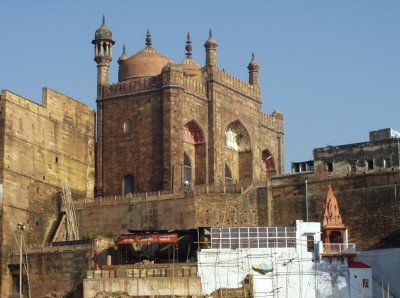
Alamgir Mosque
Some quick example text to build on the card title and make up the bulk of the card's content.
Go somewhere
Annapurna Devi Mandir
Some quick example text to build on the card title and make up the bulk of the card's content.
Go somewhere
Assi Ghat
Some quick example text to build on the card title and make up the bulk of the card's content.
Go somewhere
Bharat Kala Bhavan Museum
Some quick example text to build on the card title and make up the bulk of the card's content.
Go somewhere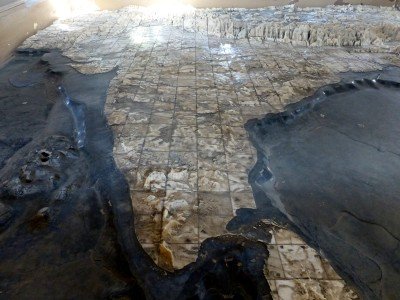
Bharat Mata Mandir
Some quick example text to build on the card title and make up the bulk of the card's content.
Go somewhere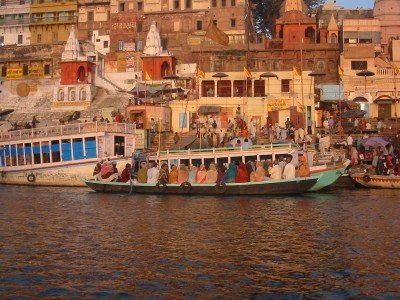
Dashashwamedh Ghat
Some quick example text to build on the card title and make up the bulk of the card's content.
Go somewhere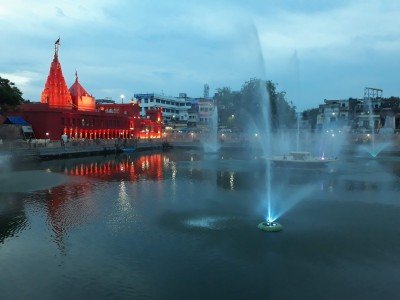
Durga Kund Temple
Some quick example text to build on the card title and make up the bulk of the card's content.
Go somewhere
Gyan Vapi Well
Some quick example text to build on the card title and make up the bulk of the card's content.
Go somewhere
Harishchandra Ghat
Some quick example text to build on the card title and make up the bulk of the card's content.
Go somewhere
Kaal Bhairav Mandir
Some quick example text to build on the card title and make up the bulk of the card's content.
Go somewhere
Kashi Vishwanath Temple
Some quick example text to build on the card title and make up the bulk of the card's content.
Go somewhere
Kedar Ghat
Some quick example text to build on the card title and make up the bulk of the card's content.
Go somewhere
Man Mandir Ghat & Observatory
Some quick example text to build on the card title and make up the bulk of the card's content.
Go somewhere
Manikarnika Ghat
Some quick example text to build on the card title and make up the bulk of the card's content.
Go somewhere
Nepali Temple
Some quick example text to build on the card title and make up the bulk of the card's content.
Go somewhere
New Vishwanath Temple
Some quick example text to build on the card title and make up the bulk of the card's content.
Go somewherein Other Cities