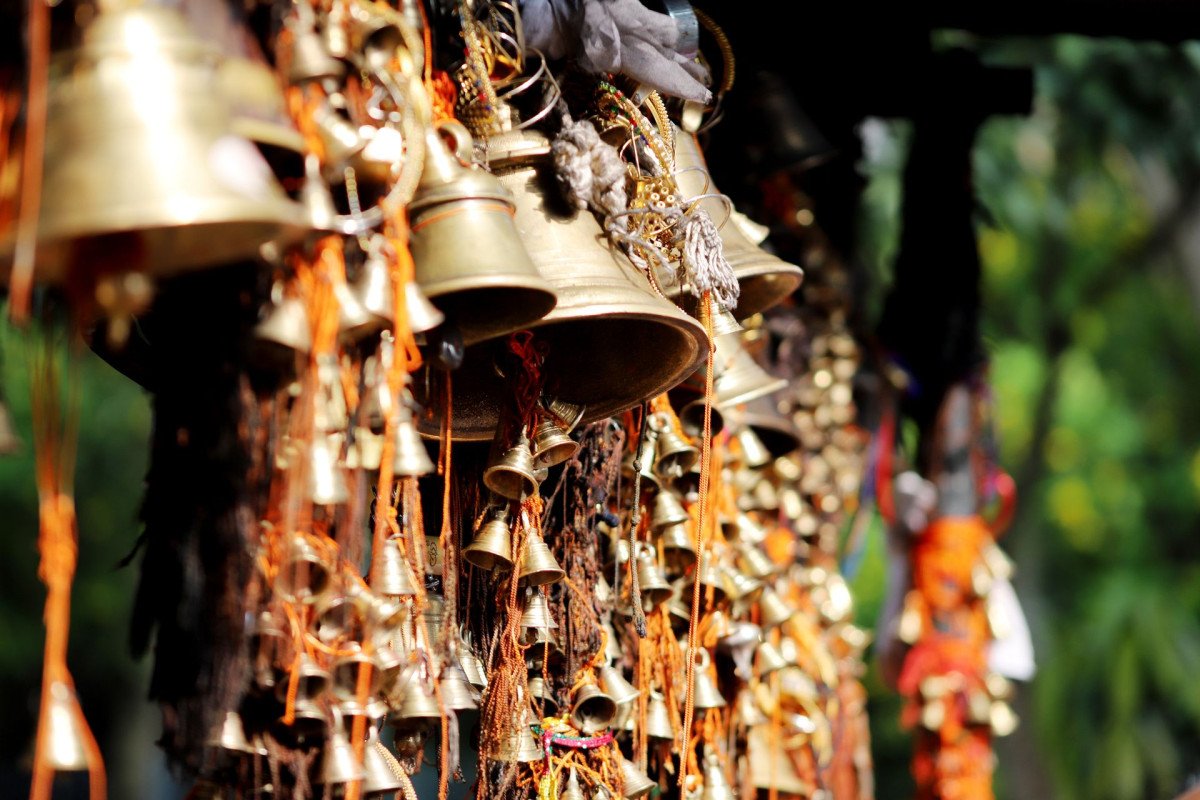
Maa Kalika Temple
General information
-
Ideal Duration:
1 Hour:Place Type:
Religious/Temple:Entry Fees:
General Visitors:
Free Access: As with most Hindu temples, there is no entry fee to visit the Maa Kalika Temple; visitors are encouraged to make a voluntary offering (Dakshina) in the designated donation box;
Sp...General Visitors:
Free Access: As with most Hindu temples, there is no entry fee to visit the Maa Kalika Temple; visitors are encouraged to make a voluntary offering (Dakshina) in the designated donation box;
Special Offerings:
Variable Cost for Rituals: The cost for special, personalized offerings and Puja rituals will vary based on the complexity and materials required, generally ranging from INR 50 to INR 300, which should be arranged directly with the priest;
Photography:
Permitted on the Exterior: Photography of the temple's exterior and courtyard is generally Free, but flash photography and any photography inside the main sanctum are strictly prohibited;
Parking:
Village
Parking: Parking is usually Free on the side of the village road, but a small voluntary tip to the local attendant might be expected on busy days;
:Timing:
Regular Timings: 6:00 AM to 1:00 PM and 4:00 PM to 8:
30 PM Daily: The temple operates standard hours, closing briefly in the afternoon, with the major Aartis held in the morning and evening;
Ideal Visit Time:...Regular Timings: 6:00 AM to 1:00 PM and 4:00 PM to 8:
30 PM Daily: The temple operates standard hours, closing briefly in the afternoon, with the major Aartis held in the morning and evening;
Ideal Visit Time: Early Morning (6:00 AM to 7:00 AM) or Late Evening (7:00 PM to 8:30 PM) The most powerful and least crowded times for a visit are the early morning for quiet devotion or the late evening for the intense, illuminated final Aarti;
Auspicious Day:
Tuesday and Saturday: Expect larger crowds and a more vibrant atmosphere if visiting on these two auspicious days dedicated to the Goddess;
:Special Events:
Kali Puja on Diwali Night:
Grand Festival: The most significant annual event is the midnight Kali Puja celebrated on the night of Diwali (October/November), featuring special, elaborate Tantric rituals, intense drumming, and all-night vigil (...Kali Puja on Diwali Night:
Grand Festival: The most significant annual event is the midnight Kali Puja celebrated on the night of Diwali (October/November), featuring special, elaborate Tantric rituals, intense drumming, and all-night vigil (Jagaran), attracting devotees from all corners of the district;
Amavasya Festival:
New Moon Rituals: The temple hosts a significant festival on every New Moon (Amavasya) night, especially the one in the month of Magha (January/February), featuring community prayer and a fair;
:Best Photo Spots:
The Main Shrine Archway:
Low-Angle Focus: Capture the modest temple structure and its main archway from a slightly low angle, emphasizing the flag on the pinnacle against the blue sky;
The Idol's Glimpse:
...The Main Shrine Archway:
Low-Angle Focus: Capture the modest temple structure and its main archway from a slightly low angle, emphasizing the flag on the pinnacle against the blue sky;
The Idol's Glimpse:
Respectful Frame: A photo of the altar, taken from the entrance of the Jagamohana (where allowed), focusing on the decorated idol of Maa Kalika and the vibrant red hibiscus offerings;
The Sacred Tree Threads:
Symbolic Close-up: A close-up, high-detail shot of the red and yellow wish-threads tied around the sacred tree, highlighting the texture and the dense concentration of devotional symbols;
The Evening Illumination:
Soft Light and Shadow: Capture the temple in the evening when it is illuminated by oil lamps and simple electric lights, creating a warm, spiritual glow against the dark sky;
The Temple Bell and Nishan:
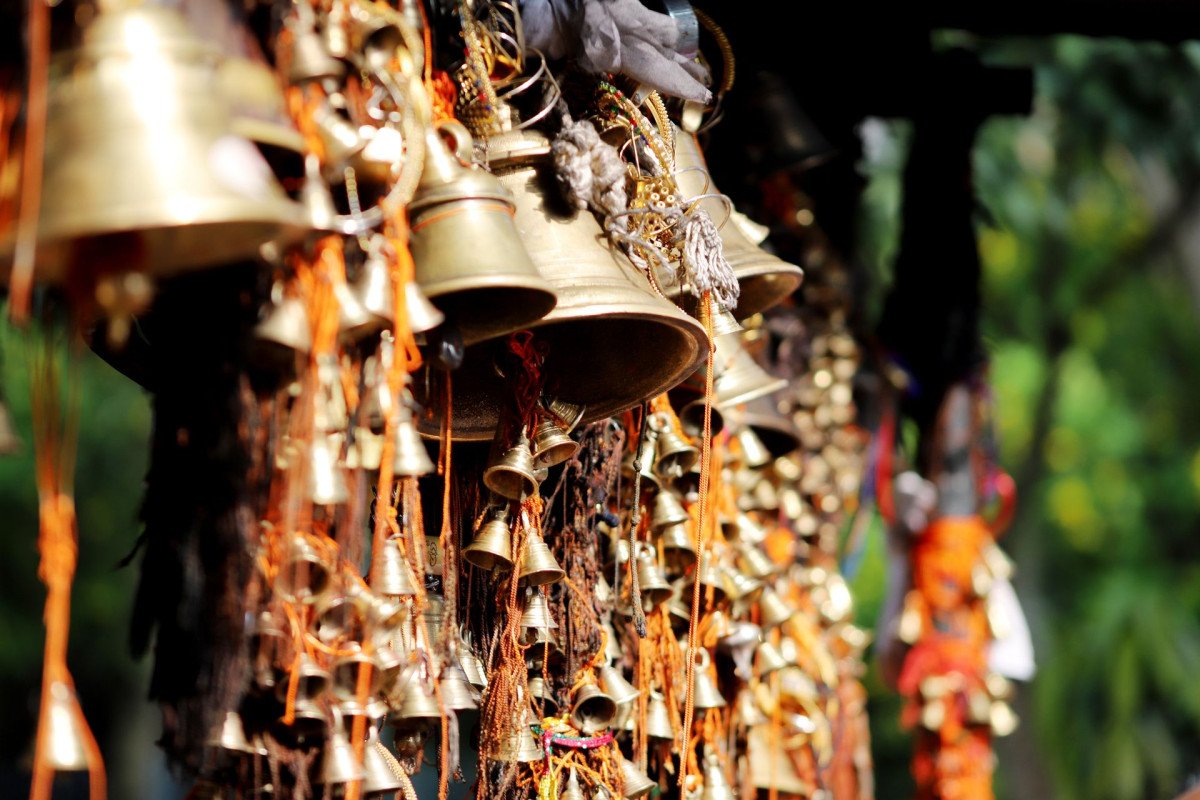
Cultural Detail: A clear shot of the large temple bell and the traditional Nishan (Flag) post, symbolizing the temple's identity; (Approx.
):Photo Gallery
Things To Do
-
Perform Kali Puja: Offer the traditional Kali Puja with red hibiscus flowers, oil lamps, and incense, following the guidance of the resident priest, who often conducts individual worship for devotees;
Visit on Tuesdays or Saturdays: Plan your visit on these auspicious days to experience the temple at its most vibrant, witnessing the intense devotion and special ceremonies performed by the community;
Offer a Manasika (Vow): Participate in the tradition of making a wish or a solemn vow to the Goddess, often marked by tying a red thread to the sacred tree or making a promise of a future offering;
Observe Rituals: Stand respectfully to observe the unique rituals and the loud, rhythmic chanting that characterizes Kali worship in Western Odisha;
Read MorePerform Kali Puja: Offer the traditional Kali Puja with red hibiscus flowers, oil lamps, and incense, following the guidance of the resident priest, who often conducts individual worship for devotees;
Visit on Tuesdays or Saturdays: Plan your visit on these auspicious days to experience the temple at its most vibrant, witnessing the intense devotion and special ceremonies performed by the community;
Offer a Manasika (Vow): Participate in the tradition of making a wish or a solemn vow to the Goddess, often marked by tying a red thread to the sacred tree or making a promise of a future offering;
Observe Rituals: Stand respectfully to observe the unique rituals and the loud, rhythmic chanting that characterizes Kali worship in Western Odisha;
Attend a Community Feast: If visiting during a festival or special Puja day, accept the invitation to partake in the community feast (Bhandara) which is prepared and shared by the devotees;
Seek Spiritual Consultation: Speak to the temple priest for personal blessings, advice, or to inquire about the temple's history and local folklore;
Light a Lamp: Light an oil lamp (Diya) in the designated area as a symbol of seeking enlightenment and protection from the Goddess;
Photograph the Decorative Elements: Take photographs of the exterior wall murals and the intricate decorations of the main altar from a respectful distance;
Quiet Meditation: Find a comfortable space in the courtyard for a few moments of reflection, focusing on the powerful energy of the shrine;
Buy Local Offerings: Purchase flowers, coconuts, and sweets from the small stalls immediately outside the temple gate, supporting local vendors;
Experience the Drumming: Listen to the traditional Dhol and Nishan drumming that often accompanies the major rituals, which adds a dramatic, powerful rhythm to the spiritual atmosphere;
Walk to Dang Village: Take a short walk through Dang village to experience the peaceful, rural life of Bargarh district;
Document the Offerings: Capture the visual array of offerings left at the deity's feet, symbolizing the diverse prayers of the local community;
:
Information
-
Why Famous:
Fierce Deity Worship: The temple is famous for being the abode of a particularly powerful and fierce form of Maa Kalika, known for granting wishes and offering strong protection against evil, which draws thousands of devotees seeking relief from various troubles and for spir...Fierce Deity Worship: The temple is famous for being the abode of a particularly powerful and fierce form of Maa Kalika, known for granting wishes and offering strong protection against evil, which draws thousands of devotees seeking relief from various troubles and for spiritual empowerment;
Sankranti and Amavasya Gatherings: It is especially famous for the large, intense gatherings and special Pujas held on the days of Amavasya (New Moon) and various Sankranti days (solar entry into a zodiac sign), particularly the Makar Sankranti in January, when the temple hosts community feasts and rituals;
Local Folklore and Legend: The temple is deeply integrated into local folklore, with stories of its power and the miraculous interventions of the Goddess, giving it a high degree of local spiritual fame and reverence in the Bhatli area;
: -
Architecture:
Architectural Style:
Rustic Odia Temple with Local Features: The temple structure is a modest, single-room building (Vimana) attached to a small, enclosed prayer hall (Jagamohana), built using local stone and brick with a rough plaster finish...Architectural Style:
Rustic Odia Temple with Local Features: The temple structure is a modest, single-room building (Vimana) attached to a small, enclosed prayer hall (Jagamohana), built using local stone and brick with a rough plaster finish, reflecting a more rustic, village-temple style compared to grand city temples;
Sanctum Dimension: The main sanctum is a small, square room, approximately 4 meters by 4 meters, housing the idol; the roof is a low, simple dome or a flat slab, often with a colorful cloth or flag hoisted atop a small pinnacle;
Courtyard Layout: The temple is set in a spacious, open-air courtyard, enclosed by a perimeter wall, which is essential for accommodating the large crowds that gather for ritual sacrifices and community meals (Bhandara);
Altar Details: The altar for Maa Kalika is decorated daily with traditional local flowers (Genda and Malli) and vibrant red hibiscus, symbolizing her powerful nature, and is the most decorated element of the simple structure; the use of modern materials for renovation has been cautious, aiming to retain the original spiritual feel;
: -
How To Reach:
By Air: Nearest major airport is Veer Surendra Sai Airport (JRG) in Jharsuguda (105 KMS); from JRG, hire a taxi to Bargarh town and then a local auto to Dang village;
By Train: The Bargarh Road Railway Station (BRGA) is the most convenient ...By Air: Nearest major airport is Veer Surendra Sai Airport (JRG) in Jharsuguda (105 KMS); from JRG, hire a taxi to Bargarh town and then a local auto to Dang village;
By Train: The Bargarh Road Railway Station (BRGA) is the most convenient rail link; from the station, the temple is a short 15-minute ride (4 KMS) via the Bhatli Road; auto-rickshaws are the best local option;
By Road: The temple is situated in Dang village off the Bhatli Road, which is easily accessible from the main Bargarh-Sambalpur road networks; local bus services connect Bargarh town to Dang;
By Local Transport: Auto-rickshaws and shared taxis from the Bargarh bus stand or railway station are the quickest and most direct way to reach the temple in Dang village; the fare is minimal, and the temple is a well-known spot;
: -
Weather and Best Time to Visit:
Different Types of Seasons:
Winter (October to February): The Best Time to Visit offers comfortable temperatures for the entire day, allowing a relaxed visit to the outdoor temple courtyard and surrounding village;
Read MoreDifferent Types of Seasons:
Winter (October to February): The Best Time to Visit offers comfortable temperatures for the entire day, allowing a relaxed visit to the outdoor temple courtyard and surrounding village;
Summer (March to May): The courtyard can be intensely hot; visit only in the early morning or late evening;
Monsoon (June to September): The surrounding fields are green and beautiful, but sudden, heavy rains can disrupt the visit;
Different Parts of the Day: Early Morning (6:00 AM to 8:00 AM) Highly recommended for a quiet, spiritual experience and to avoid the sun; Late Evening (6:00 PM to 8:30 PM) Ideal to witness the night rituals and the illuminated temple; Mid-Day (1:00 PM to 4:00 PM) Avoid this time as the temple is closed;
:Near Tourist Places:
Bargarh Town Park (4 KMS), Bargarh Road Railway Station (4. 5 KMS), Shani Dev Temple (5 KMS), Samaleswari Temple (5 KMS), Maa Durgamala Temple (8 KMS), Bargarh District Museum (7. 5 KMS), Padmini Palace Ruins (11 KMS), Trikona Village (10 KMS), Sambalpur (44 KMS), Hirakud Dam (64 KMS):Tourism Tips
-
Health & Safety: The floor can be slippery, especially during the rains; be mindful of the ritual areas; wear modest clothing as a sign of respect for the powerful deity; carry mosquito repellent for the evening;
Packing: Carry a small wa...Health & Safety: The floor can be slippery, especially during the rains; be mindful of the ritual areas; wear modest clothing as a sign of respect for the powerful deity; carry mosquito repellent for the evening;
Packing: Carry a small water bottle; dress in light, traditional attire; for photography, ensure your lens is wide enough to capture the simple structure;
Accommodation: Being in a village, there are no immediate lodging options; the best advice is to stay in one of the central hotels in Bargarh town;
Other Topics:
Ritual Offerings: If you wish to make a substantial offering, purchase the items in advance from the main Bargarh market;
Etiquette: Observe local customs during the Puja; do not interrupt the priest during a ceremony; ask about photography rules before pointing your camera at the deity;
:
Reviews
FAQs
Bargarh Itineray And Cost:-
Maa Kalika Temple Tourism:-
Other Places In Bargarh :-
Other States In India :-
Information about New and Updated Locations() of Odisha Has Been Added :-
Card subtitle
Note:-
Information provided here in good Faith and for reference only.
Near Places

Ambabhona Waterfall
Some quick example text to build on the card title and make up the bulk of the card's content.
Go somewhere
Balaji Temple
Some quick example text to build on the card title and make up the bulk of the card's content.
Go somewhere
Bargarh District Museum
Some quick example text to build on the card title and make up the bulk of the card's content.
Go somewhere
Bargarh Town Park
Some quick example text to build on the card title and make up the bulk of the card's content.
Go somewhere
Belpahar Deer Park
Some quick example text to build on the card title and make up the bulk of the card's content.
Go somewhere
Binka River Ghat
Some quick example text to build on the card title and make up the bulk of the card's content.
Go somewhere
Dhanu Yatra
Some quick example text to build on the card title and make up the bulk of the card's content.
Go somewhere
Gandhamardan Hills
Some quick example text to build on the card title and make up the bulk of the card's content.
Go somewhere
Ghanteswari Temple
Some quick example text to build on the card title and make up the bulk of the card's content.
Go somewhere
Harishankar Temple
Some quick example text to build on the card title and make up the bulk of the card's content.
Go somewhere
Hatibari Waterfall
Some quick example text to build on the card title and make up the bulk of the card's content.
Go somewhere
Kedarnath Temple
Some quick example text to build on the card title and make up the bulk of the card's content.
Go somewhere
Khandijharan Nature Camp
Some quick example text to build on the card title and make up the bulk of the card's content.
Go somewhere
Khasuni Waterfall
Some quick example text to build on the card title and make up the bulk of the card's content.
Go somewhere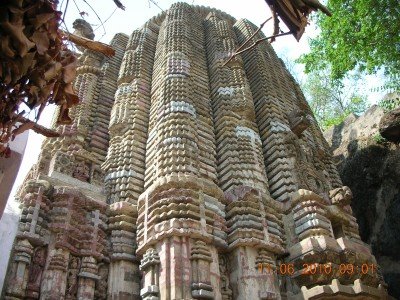
Koshaleswar Temple
Some quick example text to build on the card title and make up the bulk of the card's content.
Go somewhere
Maa Bhairabi Temple
Some quick example text to build on the card title and make up the bulk of the card's content.
Go somewherein Other Cities