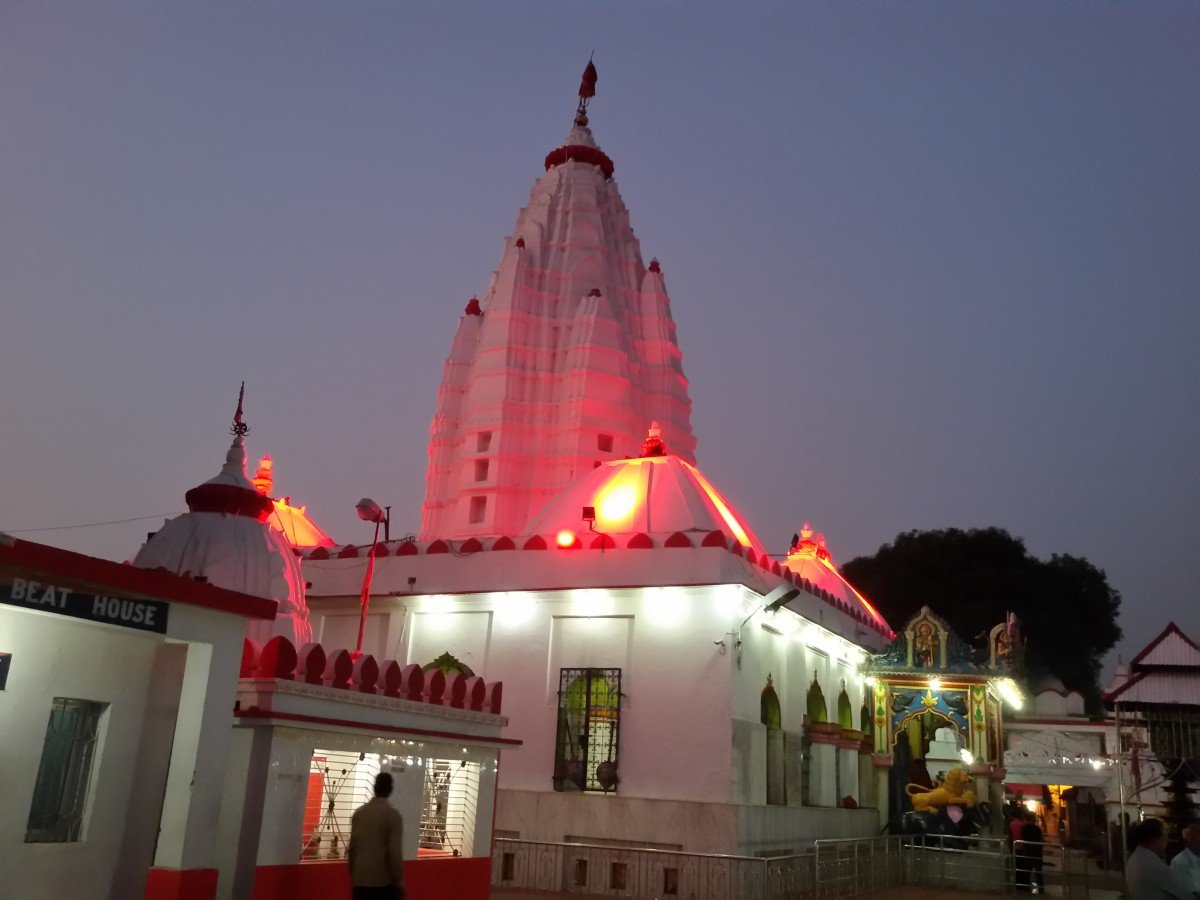
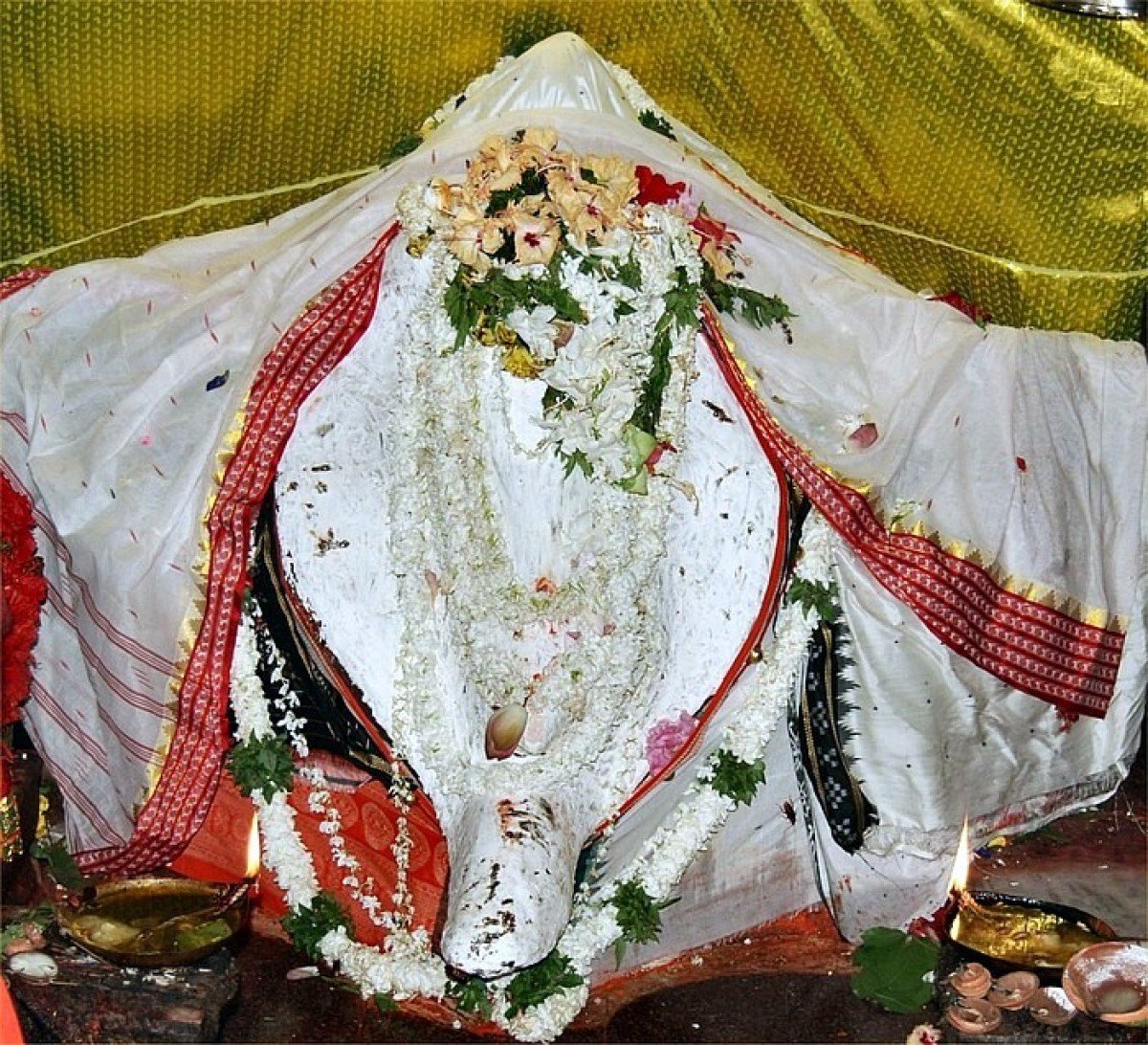
Samaleswari Temple
General information
-
Ideal Duration:
1 Hour:Place Type:
Religious/Temple/River Side:Entry Fees:
General Visitors:
Free and Open Access: Access to the Samaleswari Temple in Bargarh is Free for all devotees, as it is a major public religious institution; voluntary donations are accepted in designated donation boxes;
Read MoreGeneral Visitors:
Free and Open Access: Access to the Samaleswari Temple in Bargarh is Free for all devotees, as it is a major public religious institution; voluntary donations are accepted in designated donation boxes;
Special Pujas:
Variable Cost: Performing special rituals, ceremonies, or Abhisheka (ritual bathing) for the deity or for personal benefit requires a payment, which typically ranges from INR 100 to INR 500, covering the priest's service, flowers, and essential materials;
Temple Trust Donations:
Tax Exempt: Donations made to the official temple trust for renovation, maintenance, or community service are welcome and are often eligible for tax exemption in India;
Parking:
Nominal Fee: A small, nominal parking fee of INR 10 to INR 30 may be charged for vehicle parking in the designated lot near the riverbank on busy days or during festivals;
:Timing:
Regular Timings: 6:00 AM to 1:00 PM and 4:00 PM to 9:
00 PM Daily: The temple operates with a mid-day break, which is essential to note for planning; the main doors close for the afternoon rest of the deity;
Idea...Regular Timings: 6:00 AM to 1:00 PM and 4:00 PM to 9:
00 PM Daily: The temple operates with a mid-day break, which is essential to note for planning; the main doors close for the afternoon rest of the deity;
Ideal Visit Time: Early Morning (6:00 AM to 8:00 AM) This is the most peaceful time, allowing for a quiet Puja and a serene experience on the riverbank, before the day's heat and crowd intensity increase;
Festival Hours:
Extended Opening: During Nuakhai, Sital Sasthi, and Dhanu Yatra, the temple remains open for extended hours, sometimes all night, to accommodate the vast number of pilgrims;
:Special Events:
Nuakhai Festival:
The Harvest Celebration: The most important event is Nuakhai (August/September), the harvest festival of Western Odisha, where the new rice crop is ceremonially offered to Maa Samaleswari before being consumed by the people,...Nuakhai Festival:
The Harvest Celebration: The most important event is Nuakhai (August/September), the harvest festival of Western Odisha, where the new rice crop is ceremonially offered to Maa Samaleswari before being consumed by the people, making the temple the central point of the region's cultural calendar;
Sital Sasthi Ceremony:
Divine Marriage: The temple plays a critical role in the local celebration of Sital Sasthi (May/June), as it hosts the symbolic marriage procession of Lord Shiva and Goddess Parvati, drawing massive, joyous crowds and cultural troupes;
Dhanu Yatra Association: The temple premises often contain the building designated as the temporary prison for Devaki and Vasudeva during the 11-day Dhanu Yatra festival in December/January;
:Best Photo Spots:
The River View with Temple:
Serene Panorama: A wide-angle shot from the opposite bank of the Jeera river, capturing the temple's structure and its reflection in the water, especially at sunrise or sunset;
The Mai...The River View with Temple:
Serene Panorama: A wide-angle shot from the opposite bank of the Jeera river, capturing the temple's structure and its reflection in the water, especially at sunrise or sunset;
The Main Entrance Archway:
The Temple Frame: Photograph the busy temple square through the main archway, capturing the devotees, the flower stalls, and the temple Shikhara in the background;
The Deity's Mukhala:
Respectful Close-up: A permitted, slightly distanced photograph of the elaborate, vibrant mask (Mukhala) adorning the Goddess's idol, focusing on the intricate silver or gold decorations (if allowed by temple authorities);
The Festival Lighting:
Nighttime Glow: Capture the temple during the evening of a major festival when it is fully illuminated with thousands of lamps and electric lights, creating a magical, spiritual glow;
The Bhog Mandapa Pillars:
Architectural Detail: A close-up of the ancient stone pillars in the assembly hall, showcasing any surviving carvings or historical textures; (Approx.
):Photo Gallery
Things To Do
-
Participate in the Aarti: Attend the morning or evening Aarti (Mangala Aarti or Sandhya Aarti) to experience the powerful, collective devotion and the traditional temple music;
Offer Puja and Prasad: Present traditional offerings (sarees, coconuts, incense, and sweets) to Maa Samaleswari, following the guidance of the temple priest, and receive the sacred blessings (Prasad);
Perform Pradakshina: Perform the ritualistic circumambulation of the main temple structure, a traditional act of reverence;
Visit During Nuakhai: If possible, visit during the Nuakhai festival (August/September) to witness the offering of the new rice crop to the Goddess, the most important local celebration;
Sit by the Jeera River: Spend time on the Ghat for...Participate in the Aarti: Attend the morning or evening Aarti (Mangala Aarti or Sandhya Aarti) to experience the powerful, collective devotion and the traditional temple music;
Offer Puja and Prasad: Present traditional offerings (sarees, coconuts, incense, and sweets) to Maa Samaleswari, following the guidance of the temple priest, and receive the sacred blessings (Prasad);
Perform Pradakshina: Perform the ritualistic circumambulation of the main temple structure, a traditional act of reverence;
Visit During Nuakhai: If possible, visit during the Nuakhai festival (August/September) to witness the offering of the new rice crop to the Goddess, the most important local celebration;
Sit by the Jeera River: Spend time on the Ghat for quiet reflection, enjoying the tranquil environment of the riverbank, especially during the cool parts of the day;
Observe the Deity's Adornment: Pay close attention to the elaborate daily and weekly adornments and the vibrant mask (Mukhala) of the Goddess, which changes according to the day and festival;
Temple Kitchen Bhog: If available, partake in the sacred offering meal (Bhog) served in the temple premises, which is a simple, consecrated meal prepared for the devotees;
Photography of the Exterior: Capture the temple's structure and the picturesque river view from the outside of the main sanctum, adhering to all photographic restrictions;
Read Local Legends: Spend time reading the plaques or talking to locals to learn about the history and folklore associated with the Goddess's arrival and power in Bargarh;
Attend a Festival: Check the local calendar for other significant festivals like Basanta Puja (Spring Worship) to experience a different kind of crowd and ritual;
Support Local Flower Vendors: Purchase your offering flowers from the small, dedicated stalls outside the temple gate, often run by women from the community;
Ring the Bell: Gently ring the large temple bell upon entering the complex to announce your arrival to the deity;
Mindful Presence: Practice being fully present in the moment, absorbing the sound of the chants, the scent of the incense, and the palpable devotion of the other worshippers;
Water Ritual: Witness the daily water rituals performed on the banks of the Jeera river, an integral part of the temple's routine;
:
Information
-
Why Famous:
The Presiding Deity: The temple is famous as the abode of Maa Samaleswari in Bargarh town, a spiritual epicenter whose blessings are sought for the well-being and prosperity of the entire district, especially during the harvest festival Nuakhai;
...The Presiding Deity: The temple is famous as the abode of Maa Samaleswari in Bargarh town, a spiritual epicenter whose blessings are sought for the well-being and prosperity of the entire district, especially during the harvest festival Nuakhai;
Festival Focal Point: It serves as a central hub for the town's major festivals, most notably the Dhanu Yatra (where the adjacent Mandap is used for the royal prison) and the grand wedding celebration of Lord Shiva and Goddess Parvati during Sital Sasthi, making it famous for its year-round spiritual calendar;
Jeera River Association: The temple's location on the banks of the Jeera river gives it a serene, picturesque fame and adds a layer of sanctity, as the river is essential to the local identity and ritual bathing;
: -
Architecture:
Architectural Style:
Modernized Odia Temple: The current structure is a modernized temple built on the site of an ancient shrine, featuring the core components of an Odia temple: a cubical Vimana (sanctum), a Jagamohana (assembly hall), and o...Architectural Style:
Modernized Odia Temple: The current structure is a modernized temple built on the site of an ancient shrine, featuring the core components of an Odia temple: a cubical Vimana (sanctum), a Jagamohana (assembly hall), and often a detached Bhog Mandapa (offering hall);
Foundation and Dimension: The temple is constructed of laterite stone and cemented with lime mortar, with a plastered exterior; the main structure is approximately 15 meters high; the sanctum base is around 10 meters by 10 meters;
Sanctum Details: The inner sanctum (Garbhagriha) is usually four to five steps below the level of the Jagamohana, a feature common in Shakti temples of the region, symbolizing the deity's deep-rooted connection to the earth and the local tribal heritage;
Pillars and Courtyard: The assembly hall features simple but sturdy stone pillars; the complex includes a spacious courtyard for circumambulation and festival gatherings, often with small sub-shrines dedicated to other deities; the aesthetic prioritizes function over the detailed carvings of the classical Kalinga style;
: -
How To Reach:
By Air: Nearest airport is Veer Surendra Sai Airport (JRG) in Jharsuguda (105 KMS); from the airport, hire a taxi or bus to Bargarh town center, then take local transport to the temple on the Jeera riverbank;
By Train: The Bargarh Road Rail...By Air: Nearest airport is Veer Surendra Sai Airport (JRG) in Jharsuguda (105 KMS); from the airport, hire a taxi or bus to Bargarh town center, then take local transport to the temple on the Jeera riverbank;
By Train: The Bargarh Road Railway Station (BRGA) is the nearest railhead, located only about 2 KMS from the temple; auto-rickshaws and cycle-rickshaws are readily available outside the station for this short, quick ride to the temple site;
By Road: The temple is situated in the heart of Bargarh town, easily accessible from the main roads; bus services from Sambalpur (40 KMS), Raipur, and Bhubaneswar will bring you to the main Bargarh bus stand, from where the temple is a short local journey;
By Local Transport: Auto-rickshaws are the most efficient way to reach the temple from any central location in Bargarh; during the Dhanu Yatra, the immediate area may be pedestrianized, requiring a short walk from the nearest drop-off point, often the most reliable local transport option;
: -
Weather and Best Time to Visit:
Different Types of Seasons:
Winter (October to February): The Best Time to Visit offers cool, dry, and comfortable weather, which is perfect for an unhurried visit, especially around the time of the Dhanu Yatra festival in December/January; <...Different Types of Seasons:
Winter (October to February): The Best Time to Visit offers cool, dry, and comfortable weather, which is perfect for an unhurried visit, especially around the time of the Dhanu Yatra festival in December/January;
Summer (March to May): The heat is intense, making early morning the only suitable time;
Monsoon (June to September): The river swells, offering a dramatic view, but occasional heavy rainfall can disrupt travel plans; Nuakhai falls in this season;
Different Parts of the Day: Morning (6:00 AM to 10:00 AM) Ideal for rituals, peace, and enjoying the river view before the crowd peaks; Late Afternoon (4:00 PM to 6:00 PM) Perfect for the evening Aarti and the setting sun on the Jeera river;
: -
Near Tourist Places:
Bargarh Town Park (2 KMS), Bargarh Road Railway Station (2 KMS), Maa Kalika Temple (5 KMS), Shani Dev Temple (7 KMS), Maa Durgamala Temple (7 KMS), Bargarh District Museum (5. 5 KMS), Padmini Palace Ruins (16 KMS), Trikona Village (18 KMS), Sambalpur (40 KMS), Hirakud Dam (60 KMS):
Tourism Tips
-
Health & Safety: Be cautious on the river Ghat steps, especially during the Monsoon; maintain silence and reverence inside the temple; avoid touching any offerings or statues;
Packing: Dress modestly, covering your shoulders and knees; ca...Health & Safety: Be cautious on the river Ghat steps, especially during the Monsoon; maintain silence and reverence inside the temple; avoid touching any offerings or statues;
Packing: Dress modestly, covering your shoulders and knees; carry a small towel if you wish to sprinkle river water on yourself; remove your shoes before entering the temple complex;
Accommodation: Being in the town center, there are many mid-range hotels and lodges within a short walking or driving distance; look for options near the bus stand or the railway station for maximum convenience;
Other Topics:
Ritual Etiquette: Follow the local customs for offering Puja; photography is strictly prohibited inside the main sanctum;
Local Food: Try the Kheer or other sweets sold as Prasad outside the temple;
Jeera River: Do not swim in the river, especially during the rainy season, as the current can be strong;
:
Reviews
FAQs
Bargarh Itineray And Cost:-
Samaleswari Temple Tourism:-
Other Places In Bargarh :-
Other States In India :-
Information about New and Updated Locations() of Odisha Has Been Added :-
Card subtitle
Note:-
Information provided here in good Faith and for reference only.
Near Places

Ambabhona Waterfall
Some quick example text to build on the card title and make up the bulk of the card's content.
Go somewhere
Balaji Temple
Some quick example text to build on the card title and make up the bulk of the card's content.
Go somewhere
Bargarh District Museum
Some quick example text to build on the card title and make up the bulk of the card's content.
Go somewhere
Bargarh Town Park
Some quick example text to build on the card title and make up the bulk of the card's content.
Go somewhere
Belpahar Deer Park
Some quick example text to build on the card title and make up the bulk of the card's content.
Go somewhere
Binka River Ghat
Some quick example text to build on the card title and make up the bulk of the card's content.
Go somewhere
Dhanu Yatra
Some quick example text to build on the card title and make up the bulk of the card's content.
Go somewhere
Gandhamardan Hills
Some quick example text to build on the card title and make up the bulk of the card's content.
Go somewhere
Ghanteswari Temple
Some quick example text to build on the card title and make up the bulk of the card's content.
Go somewhere
Harishankar Temple
Some quick example text to build on the card title and make up the bulk of the card's content.
Go somewhere
Hatibari Waterfall
Some quick example text to build on the card title and make up the bulk of the card's content.
Go somewhere
Kedarnath Temple
Some quick example text to build on the card title and make up the bulk of the card's content.
Go somewhere
Khandijharan Nature Camp
Some quick example text to build on the card title and make up the bulk of the card's content.
Go somewhere
Khasuni Waterfall
Some quick example text to build on the card title and make up the bulk of the card's content.
Go somewhere
Koshaleswar Temple
Some quick example text to build on the card title and make up the bulk of the card's content.
Go somewhere
Maa Bhairabi Temple
Some quick example text to build on the card title and make up the bulk of the card's content.
Go somewherein Other Cities